


Blue Origin Rebuilds New Glenn Launch Pad, Space Brief 19 Jun 2026
Blue Origin launch pad rebuild begins at Cape Canaveral after the New Glenn explosion, targeting return to flight by end of 2026. SpaceX flies NROL-179.



NORAD ID
58391
International Designator
2023-178T
Epoch
Sun, 19 Jul 2026 10:29:05 GMT
Apogee
Calculating...
Perigee
Calculating...
Inclination
53.16°
Right Ascension
106.81°
Eccentricity
Calculating...
Argument of Perigee
95.61°
Period
93.85 min
Mean Motion
15.34 rev/day
Latitude
Calculating...
Longitude
Calculating...
Altitude
Calculating...
Velocity
Calculating...
Name
STARLINK-30916
Alternative Name
Starlink 30916
Type
Status
Owner
SPXS
Country
United States
Constellation
N/A
Related Satellites
Major Events
N/A
1 58391U 23178T 26200.43686448 .00000042 00000+0 12372-4 0 9994
2 58391 53.1603 106.8149 0001309 95.6067 264.5085 15.34395826150092
Source: Celestrak
Length
0.3
Diameter
4.1
Span
29
Dry Mass
700
Launch Mass
730
Shape
Box + pan
Radar Cross Section
Unknown
Visual Magnitude
Unknown
Color
Unknown
Material Composition
Unknown
Payload
Starlink Group 7-7-18
Purpose
Communication
Mission
Communication
Manufacturer
SPXS
Life Expectancy
Unknown
Bus
Starlink V2M
Configuration
Starlink v2 Mini
Motor
Argon ion thrusters
Equipment
Ku/Ka/E-band payload, optical inter-satellite link
Power System
Solar arrays, batteries
ADCS
Unknown
Transmitter Frequency
Unknown
Learn more about satellites and other related topics.
Blue Origin launch pad rebuild begins at Cape Canaveral after the New Glenn explosion, targeting return to flight by end of 2026. SpaceX flies NROL-179.
Blue Origin's New Glenn successfully reused its first stage booster for the first time on Mission 3, launching April 19. Booster reuse accelerates operational tempo.
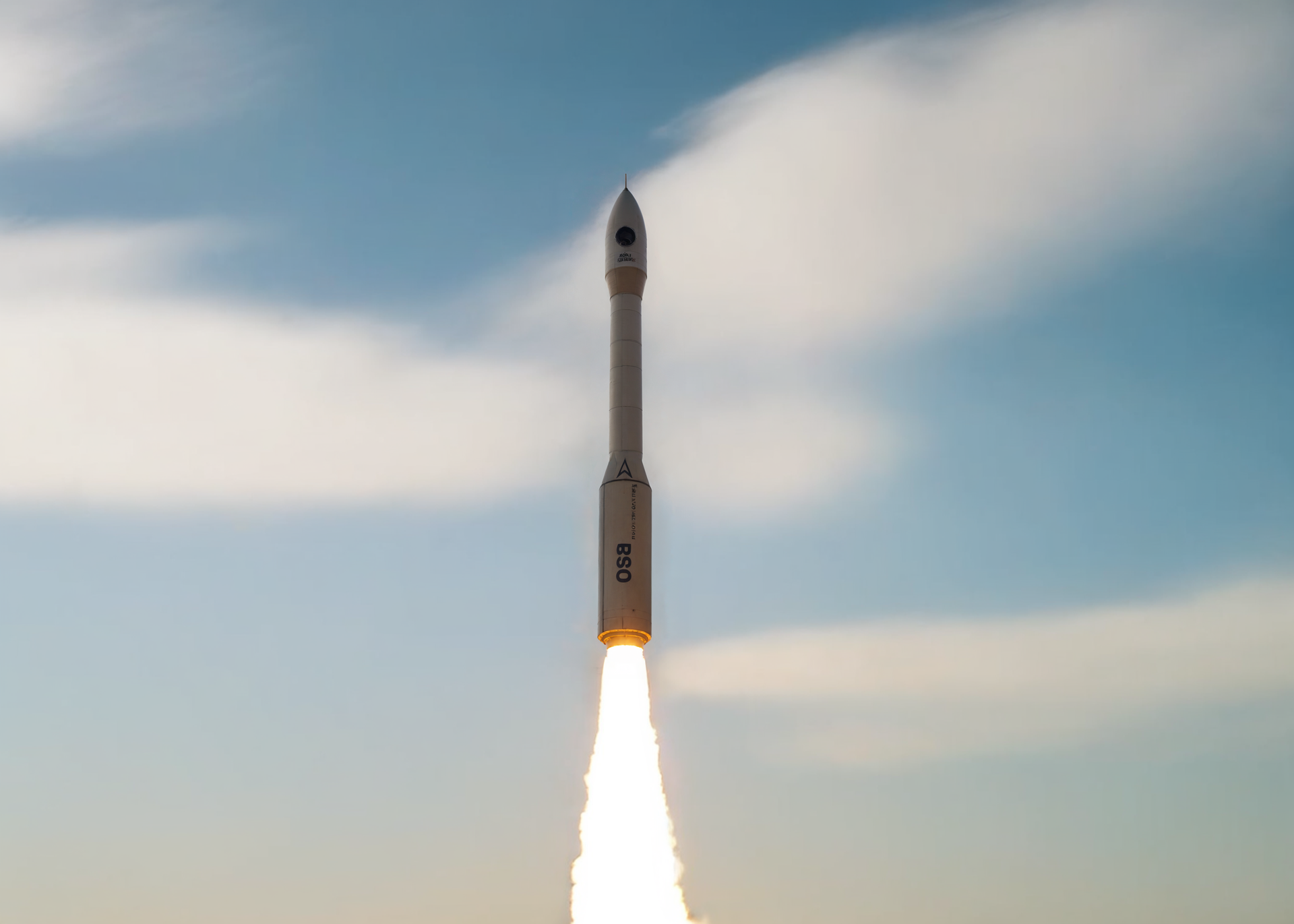
Today we cover the final launch of Vega's original version, a significant milestone for SpaceX with the U.S. military, preparations for NASA's Starliner return, and more.

Today's brief covers the Army's move to create a space career field for enlisted soldiers, Terran Orbital's involvement in a Space Force tech program, advancements in missile warning systems, a first flight test by Inversion Space, and more.
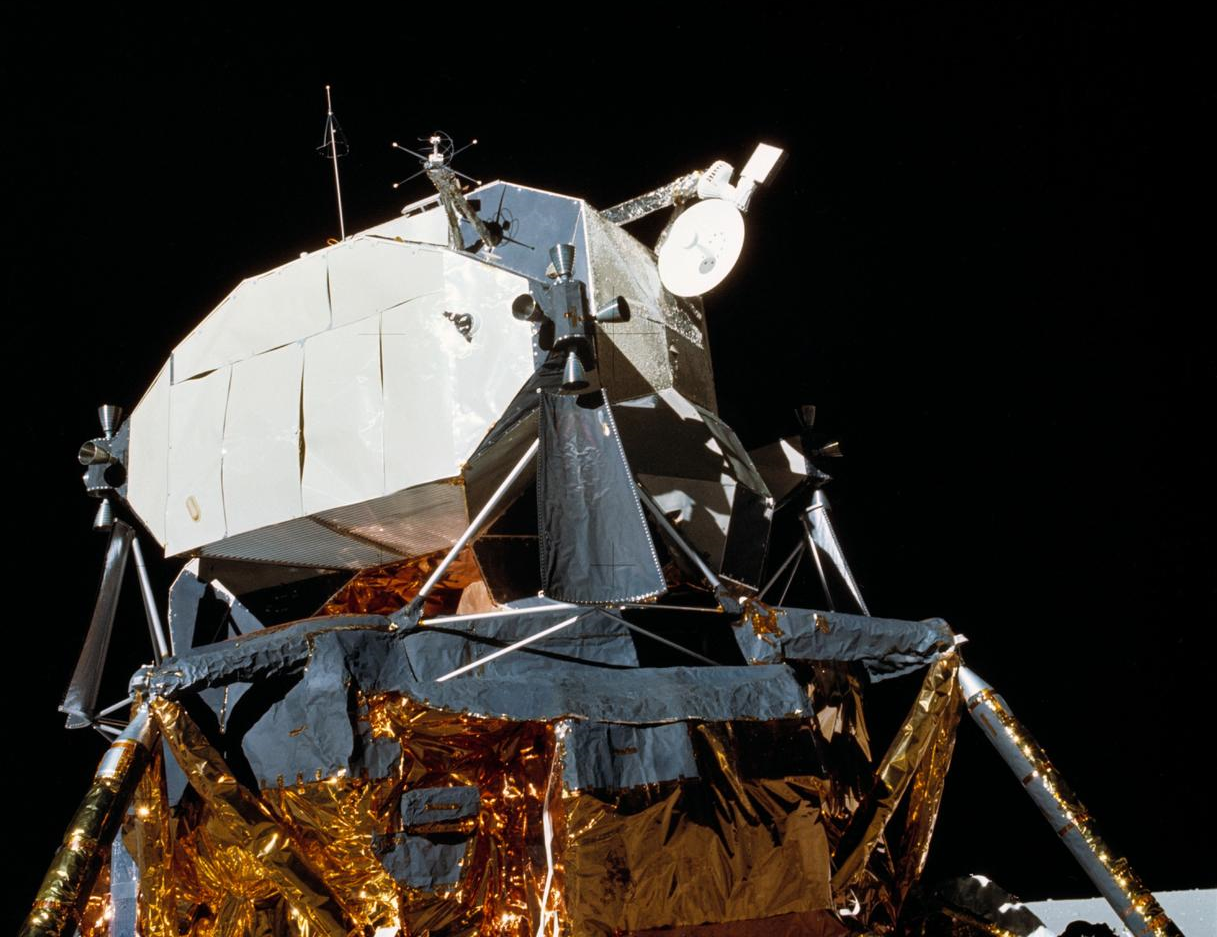
Six hours behind schedule, with a backup engine system shuddering in lunar orbit and mission controllers in Houston running out of options, Apollo 16 came within one meeting of being sent home without landing. The problem was a wobble in a gimbal. The solution was math done under pressure.

SpaceX's Falcon 9 achieves a milestone with its 24th launch for Starlink, while competitive moves continue in the satellite internet market.

Iran successfully struck U.S. aircraft in Saudi Arabia despite maxed-out defensive posture. Space Force ISR and missile warning gaps exposed. Tracking impacts.
Discover the latest in space news with the ULA's recent launch for the US Space Force, significant developments in radar tracking at high altitudes, and impactful policy changes involving military space missions.