STARLINK-30929 (58386)

COSPAR: 2023-178N | Alt Name: Starlink 30929

Image
STARLINK-30929 Satellite Image
Additional Sources
Launch Details

Launch Date

November 20, 2023

Launch Site

AFWTR

Launch Pad

SLC4E

Launch Vehicle

Falcon 9

Orbital Elements

NORAD ID

58386

International Designator

2023-178N

Epoch

Sun, 19 Jul 2026 10:50:16 GMT

Apogee

Calculating...

Perigee

Calculating...

Inclination

53.16°

Right Ascension

106.80°

Eccentricity

Calculating...

Argument of Perigee

99.23°

Period

93.85 min

Mean Motion

15.34 rev/day

Latitude

Calculating...

Longitude

Calculating...

Altitude

Calculating...

Velocity

Calculating...

Polar Plot
3D Visualization
Basic Satellite Info

Name

STARLINK-30929

Alternative Name

Starlink 30929

Type

Payload

Status

Operational

Owner

SPXS

Country

United States

Constellation

N/A

Related Satellites

Major Events

N/A

Latest TLEs
1 58386U 23178N   26200.45158346 -.00000068  00000+0  91360-5 0  9995
2 58386  53.1592 106.8009 0001407  99.2309 260.8853 15.34388184150075

Source: Celestrak

Summary
STARLINK-30929 is a Starlink V2M satellite configured for Starlink v2 Mini and was launched on November 20, 2023, from AFWTR's SLC4E launch pad using the Falcon 9 as its launch vehicle. It has dimensions of 0.3 meters in length, 4.1 meters in diameter, and a span of 29 meters. The satellite weighs 730 kilograms at launch with a dry mass of 700 kilograms. Its payload includes Ku/Ka/E-band equipment and an optical inter-satellite link. It is equipped with solar arrays and batteries for power generation, and it uses Argon ion thrusters as its motor. The satellite was manufactured by SPXS for communication purposes and is owned by the same entity.

Starlink is a satellite constellation developed by SpaceX with the aim of providing global broadband internet coverage. Thousands of small satellites are deployed in low Earth orbit (LEO), enabling high-speed internet access even in remote areas. However, the rapid increase in satellites raises concerns about space debris and the potential for collisions, which can lead to further debris creation and endanger other spacecraft. Additionally, the sheer number of Starlink satellites can affect astronomical observations by increasing light pollution. Proper deorbiting plans and international coordination are essential to mitigate these challenges and ensure long-term sustainability in space.
Physical Characteristics

Length

0.3

Diameter

4.1

Span

29

Dry Mass

700

Launch Mass

730

Shape

Box + pan

Radar Cross Section

Unknown

Visual Magnitude

Unknown

Color

Unknown

Material Composition

Unknown

Technical Details

Payload

Starlink Group 7-7-13

Purpose

Communication

Mission

Communication

Manufacturer

SPXS

Life Expectancy

Unknown

Bus

Starlink V2M

Configuration

Starlink v2 Mini

Motor

Argon ion thrusters

Equipment

Ku/Ka/E-band payload, optical inter-satellite link

Power System

Solar arrays, batteries

ADCS

Unknown

Transmitter Frequency

Unknown

Map
This tool will help you track the satellite's position and predict its upcoming passes over your location. Simply input the coordinates or click the geolocation button to get started.
Next Pass
Azimuth Elevation Time (Local)
Start Azimuth
Max Elevation
Stop Azimuth
Time Until
Pass Duration

Satellite Articles

View All Posts »

Learn more about satellites and other related topics.

Space Brief 12 Dec 2025

Space Brief 12 Dec 2025

Today's space brief highlights the U.S. Space Force's new satellite naming scheme, the Air Force Secretary's warnings on China's space advances, BAE Systems' DARPA award, strategies for future space defense, the importance of GEO satellite refueling, and Blue Origin's plans for Space Force certification.

Space Force Reassigns GPS III to Falcon 9 After Vulcan Grounding | KeepTrack Space Brief

Space Force Reassigns GPS III to Falcon 9 After Vulcan Grounding | KeepTrack Space Brief

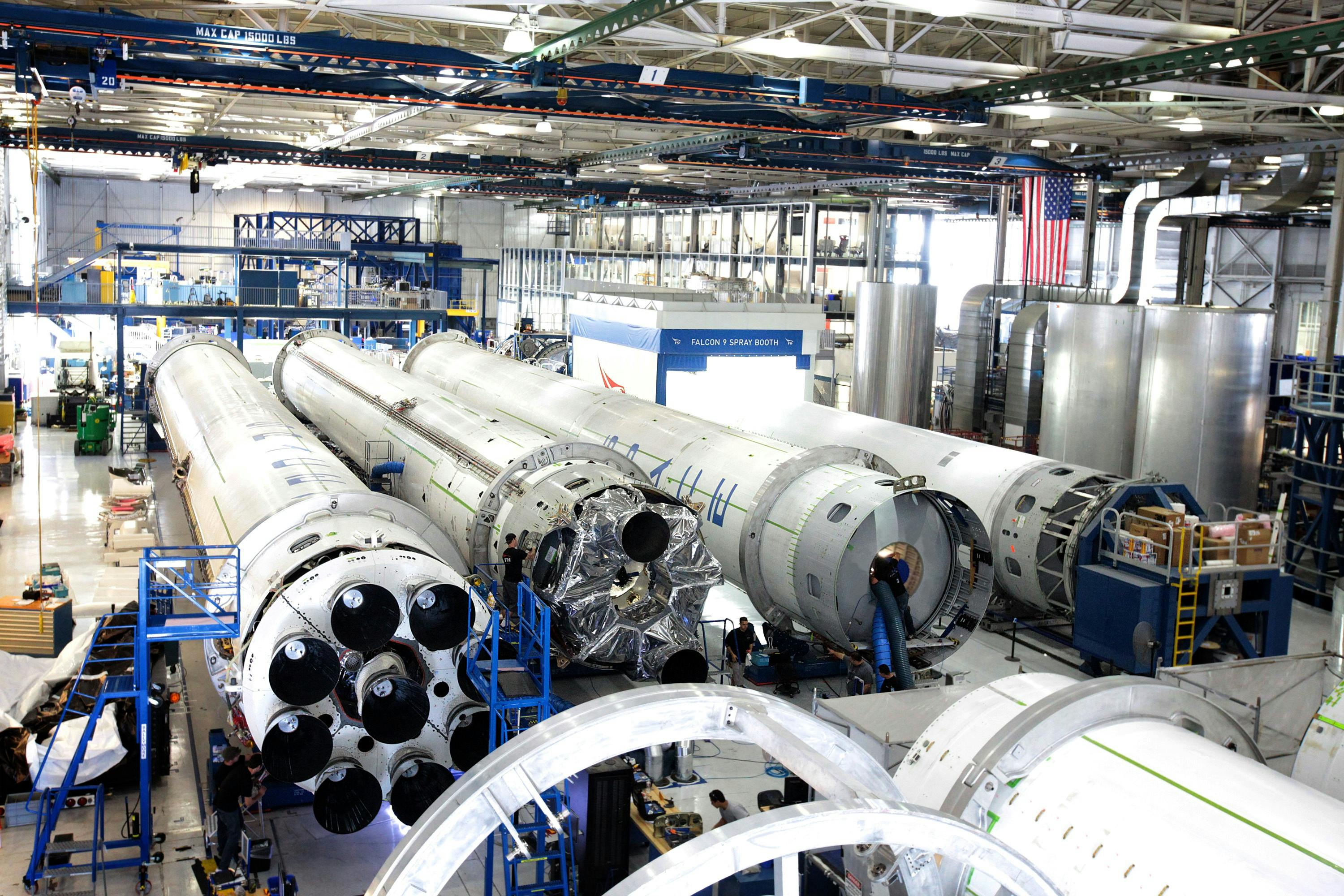
Space Force shifts GPS III satellite launch from ULA's Vulcan to SpaceX Falcon 9 due to persistent solid rocket booster issues. Critical navigation asset reassignment signals operational consequences.

X Report 25 Dec 2024

X Report 25 Dec 2024

SpaceX wraps up a record-breaking year with successful launches and advancements in Starlink mega-constellation.

China's Long March 10C Nails First Booster Recovery | KeepTrack Space Brief

China's Long March 10C Nails First Booster Recovery | KeepTrack Space Brief

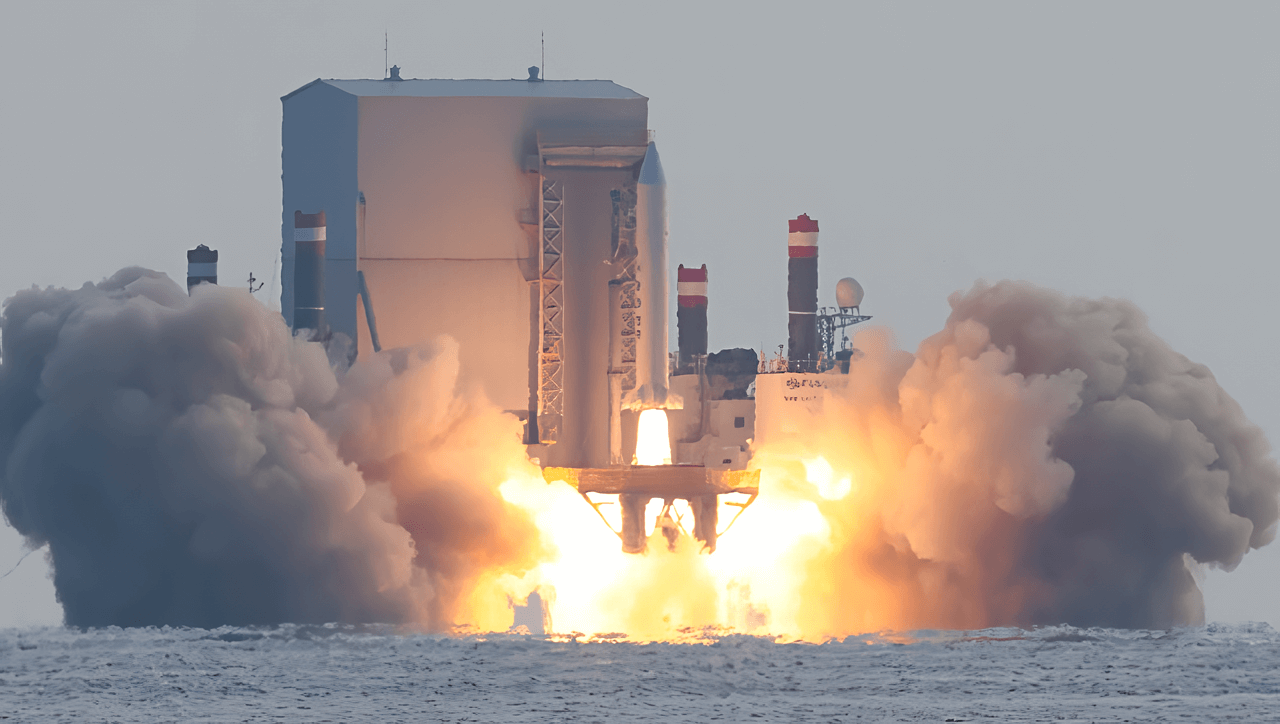
China successfully recovered a Long March 10C first stage booster, positioning the methalox rocket as its primary commercial launcher. Reusable boosters reshape Beijing's LEO constellation strategy.

X Report 5 Oct 2025

X Report 5 Oct 2025

SpaceX secures major contracts for U.S. national security launches, including multiple Falcon Heavy missions. Significant updates on Starlink deployments and the ongoing evolution of the company highlight a productive day in the space sector.

Iran Struck U.S. Aircraft Despite 'Maxed Out' Defense | KeepTrack Space Brief

Iran Struck U.S. Aircraft Despite 'Maxed Out' Defense | KeepTrack Space Brief

Iran successfully struck U.S. aircraft in Saudi Arabia despite maxed-out defensive posture. Space Force ISR and missile warning gaps exposed. Tracking impacts.

Space Force Cancels OCX GPS Ground System, Space Brief 21 Apr 2026

Space Force Cancels OCX GPS Ground System, Space Brief 21 Apr 2026

Space Force cancels the OCX GPS ground system after RTX failures and stands up a cislunar task force. SpaceX launches the 10th and final GPS III.

Space Brief 28 Nov 2024

Space Brief 28 Nov 2024

Today's briefing covers China's announcement of the Beidou system upgrade, launch updates for Vega C, challenges to global GPS reliability, and delays in the VERITAS Venus mission.