


Space Brief 22 May 2025
Today's brief covers strategic alignments in U.S. military space operations, a landmark missile defense program, and advances in secure satellite communications.



Launch Date
November 18, 2023
Launch Site
Launch Pad
LC40
Launch Vehicle
NORAD ID
58371
International Designator
2023-177W
Epoch
Sun, 19 Jul 2026 18:33:46 GMT
Apogee
Calculating...
Perigee
Calculating...
Inclination
43.00°
Right Ascension
325.00°
Eccentricity
Calculating...
Argument of Perigee
291.25°
Period
94.27 min
Mean Motion
15.28 rev/day
Latitude
Calculating...
Longitude
Calculating...
Altitude
Calculating...
Velocity
Calculating...
Name
STARLINK-30859
Alternative Name
Starlink 30859
Type
Status
Owner
SPXS
Country
United States
Constellation
N/A
Related Satellites
Major Events
N/A
1 58371U 23177W 26200.77345461 -.00000933 00000+0 -24378-4 0 9995
2 58371 43.0008 324.9981 0001098 291.2480 68.8254 15.27575975148437
Source: Celestrak
Length
0.3
Diameter
4.1
Span
29
Dry Mass
700
Launch Mass
730
Shape
Box + pan
Radar Cross Section
Unknown
Visual Magnitude
Unknown
Color
Unknown
Material Composition
Unknown
Payload
Starlink Group 6-28-21
Purpose
Communication
Mission
Communication
Manufacturer
SPXS
Life Expectancy
Unknown
Bus
Starlink V2M
Configuration
Starlink v2 Mini
Motor
Argon ion thrusters
Equipment
Ku/Ka/E-band payload, optical inter-satellite link
Power System
Solar arrays, batteries
ADCS
Unknown
Transmitter Frequency
Unknown
Learn more about satellites and other related topics.
Today's brief covers strategic alignments in U.S. military space operations, a landmark missile defense program, and advances in secure satellite communications.
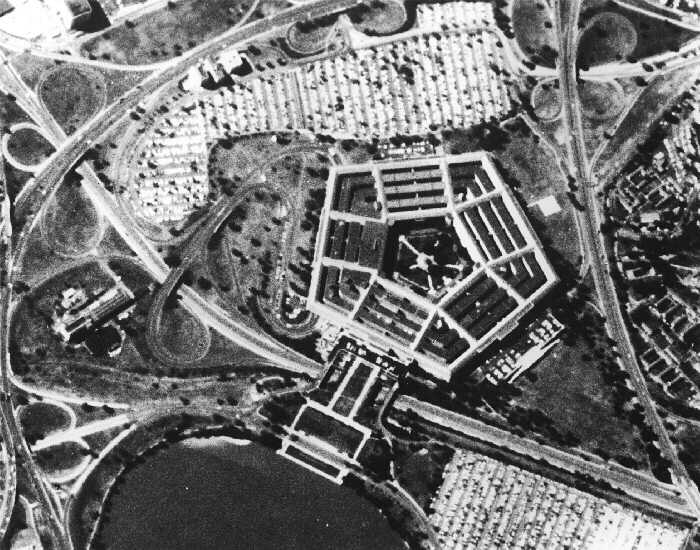
Sixty-three years ago, a Thor-Agena rocket launched the first dual-camera reconnaissance satellite, revolutionizing space-based intelligence while hiding behind the final use of a famous cover name

Today's highlights include SpaceX's dual satellite launches, a new Space Force contract with Raytheon, and Astroscale's upcoming OneWeb mission.

ULA Vulcan faces scrutiny after solid booster anomaly on USSF-87 mission. ThinKom wins portable satellite ground station contract. Space Force starts Project Hecate for GPS past 2040.

Rocket Lab Neutron's first launch is targeted for Q4 2026 after a tank test failure, backed by a new 5-launch deal. Plus Globalstar's 1,410 km refresh.
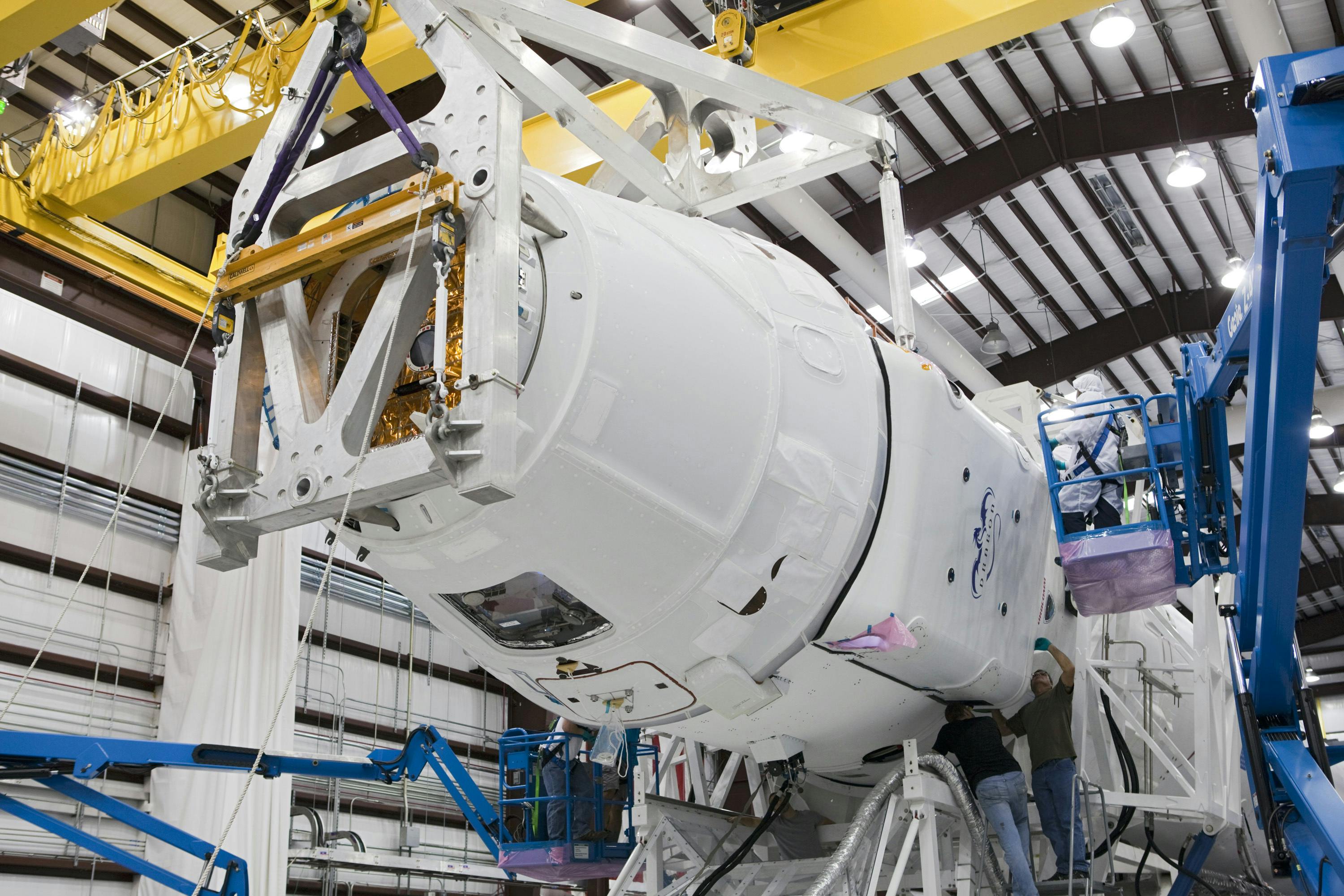
SpaceX prepares for its 100th Starlink launch while refining its lunar lander design for NASA's Artemis program amidst calls for architectural changes.

SpaceX launches multiple satellites, prepares for Starship Flight 6, and exciting collaborations with AST SpaceMobile.

Today's briefing covers the latest satellite communications advancements, a secretive military launch by SpaceX, and new space defense organizational structures.