


Blue Origin's New Glenn Explodes During Ground Test | KeepTrack Space Brief
Blue Origin's New Glenn rocket exploded during ground testing May 28, visible from hundreds of miles across Florida. Fireball halts vehicle pending failure investigation.



Launch Date
November 8, 2023
Launch Site
Launch Pad
LC40
Launch Vehicle
NORAD ID
58234
International Designator
2023-171E
Epoch
Mon, 20 Jul 2026 03:00:08 GMT
Apogee
Calculating...
Perigee
Calculating...
Inclination
43.00°
Right Ascension
256.90°
Eccentricity
Calculating...
Argument of Perigee
276.35°
Period
94.27 min
Mean Motion
15.28 rev/day
Latitude
Calculating...
Longitude
Calculating...
Altitude
Calculating...
Velocity
Calculating...
Name
STARLINK-30860
Alternative Name
Starlink 30860
Type
Status
Owner
SPXS
Country
United States
Constellation
N/A
Related Satellites
Major Events
N/A
1 58234U 23171E 26201.12510259 -.00000106 00000+0 56792-5 0 9993
2 58234 43.0006 256.8994 0001186 276.3514 83.7203 15.27580239149991
Source: Celestrak
Length
0.3
Diameter
4.1
Span
29
Dry Mass
700
Launch Mass
730
Shape
Box + pan
Radar Cross Section
Unknown
Visual Magnitude
Unknown
Color
Unknown
Material Composition
Unknown
Payload
Starlink Group 6-27-05
Purpose
Communication
Mission
Communication
Manufacturer
SPXS
Life Expectancy
Unknown
Bus
Starlink V2M
Configuration
Starlink v2 Mini
Motor
Argon ion thrusters
Equipment
Ku/Ka/E-band payload, optical inter-satellite link
Power System
Solar arrays, batteries
ADCS
Unknown
Transmitter Frequency
Unknown
Learn more about satellites and other related topics.
Blue Origin's New Glenn rocket exploded during ground testing May 28, visible from hundreds of miles across Florida. Fireball halts vehicle pending failure investigation.

Historic moon landing by Firefly Aerospace, Spanish Air and Space Force advances with new simulator, and spotlight on OneWeb's communication satellite.

Today's highlights include strategic shifts in the defense sector, innovations in solar technology for space, and developments in satellite-related military projects.
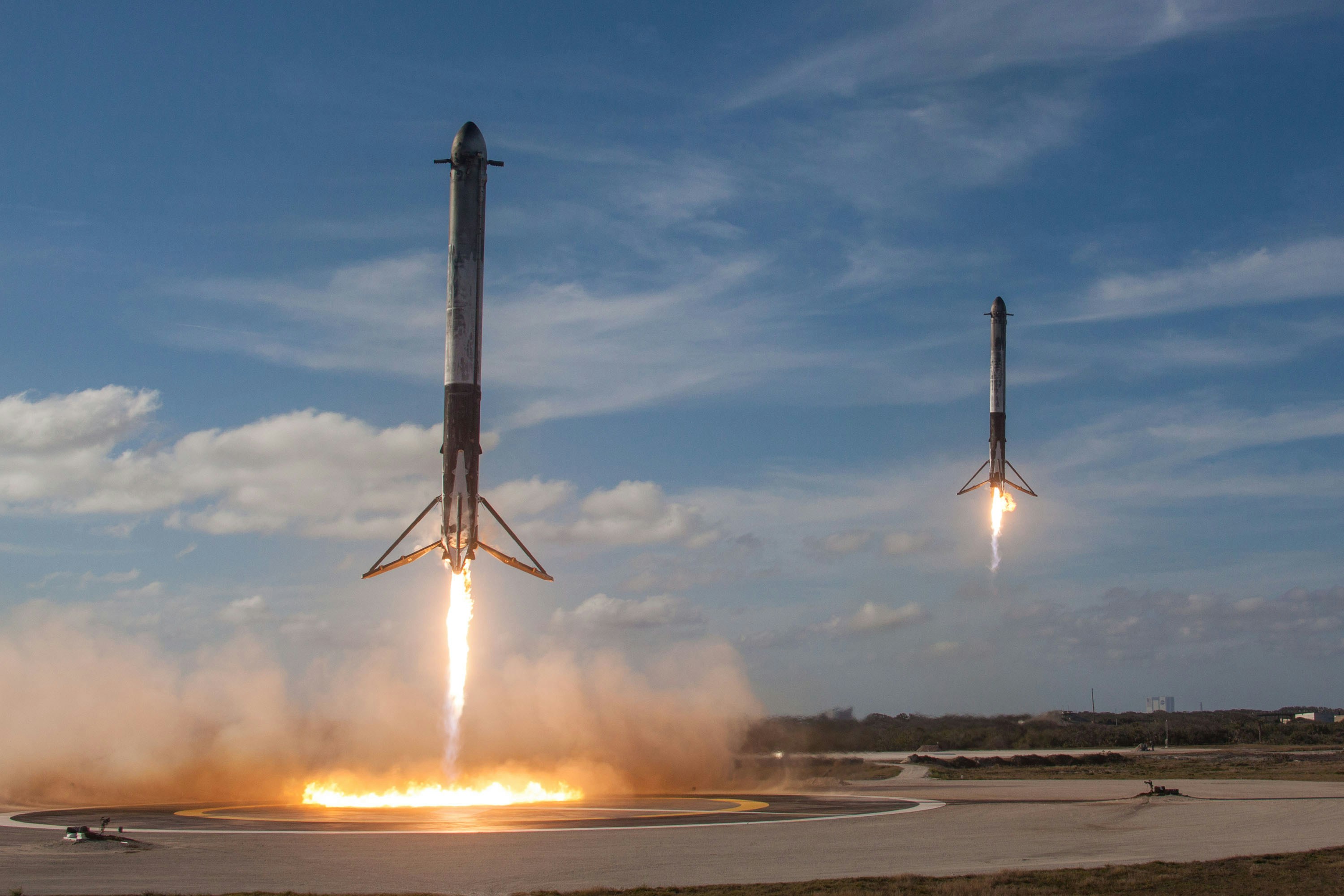
SpaceX marks a significant milestone with its 100th Starlink mission launch and makes impressive progress on lunar lander development for Artemis III.

German defense giant Rheinmetall may bid for laser-comm firm Mynaric, challenging Rocket Lab's plans. SpaceX sets Falcon 9 reuse record. Juno reveals Europa ice sheet data.
SpaceX launches Starlink while debuting on Nasdaq at $1.77 trillion valuation. Meanwhile, Senate FY2027 NDAA would dissolve SDA into Space Force, affecting Tranche constellation tracking.
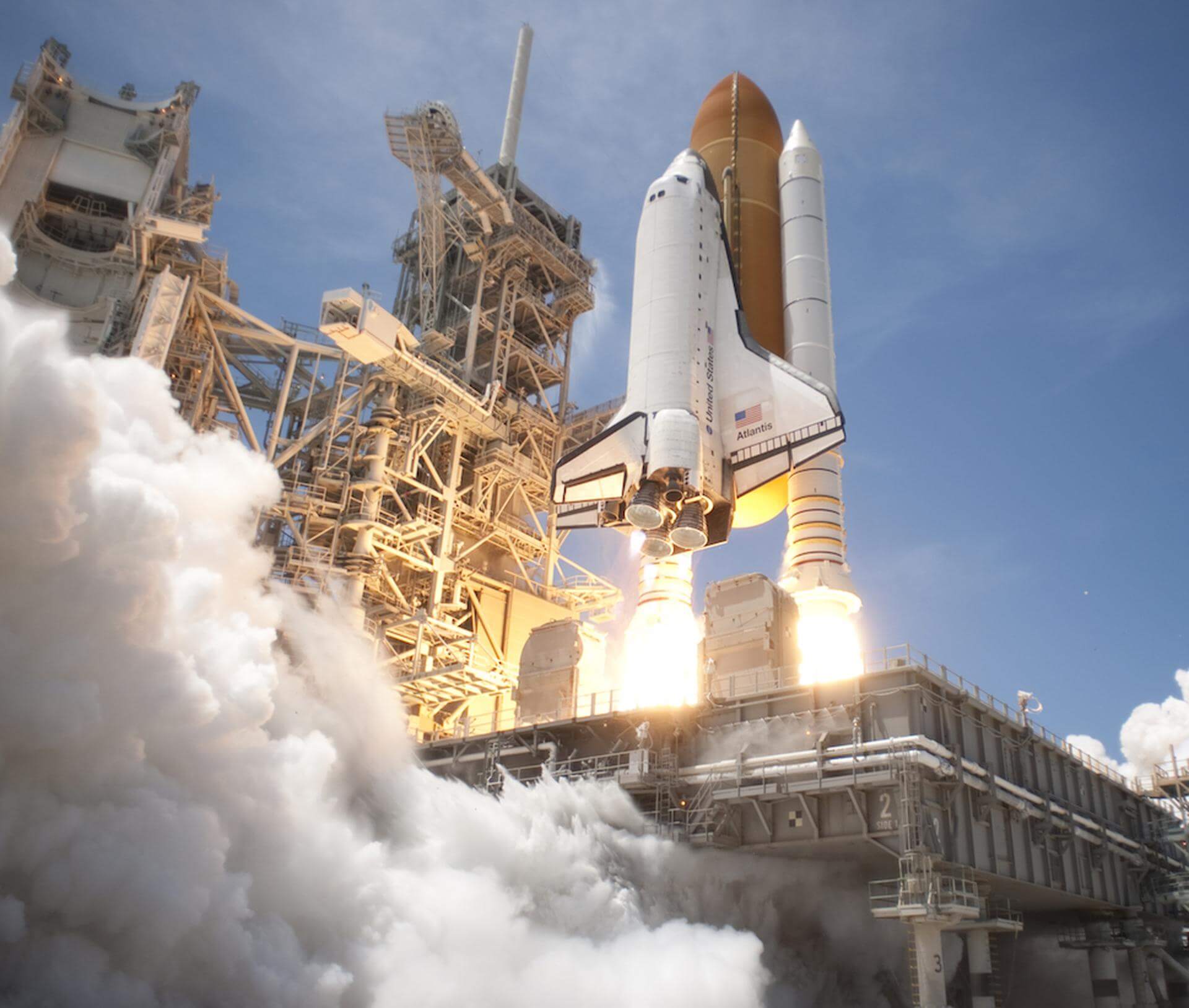
Blue Origin's New Glenn suffered catastrophic anomaly during static fire test at LC-36. Amazon LEO satellites pulled; NASA lunar missions now in question.

Artemis II SLS/Orion rolls to Launch Complex 39B for first crewed lunar mission since 1972. China suffers dual launch failures on the same day. SpainSat NG 2 declared total loss from debris strike.