


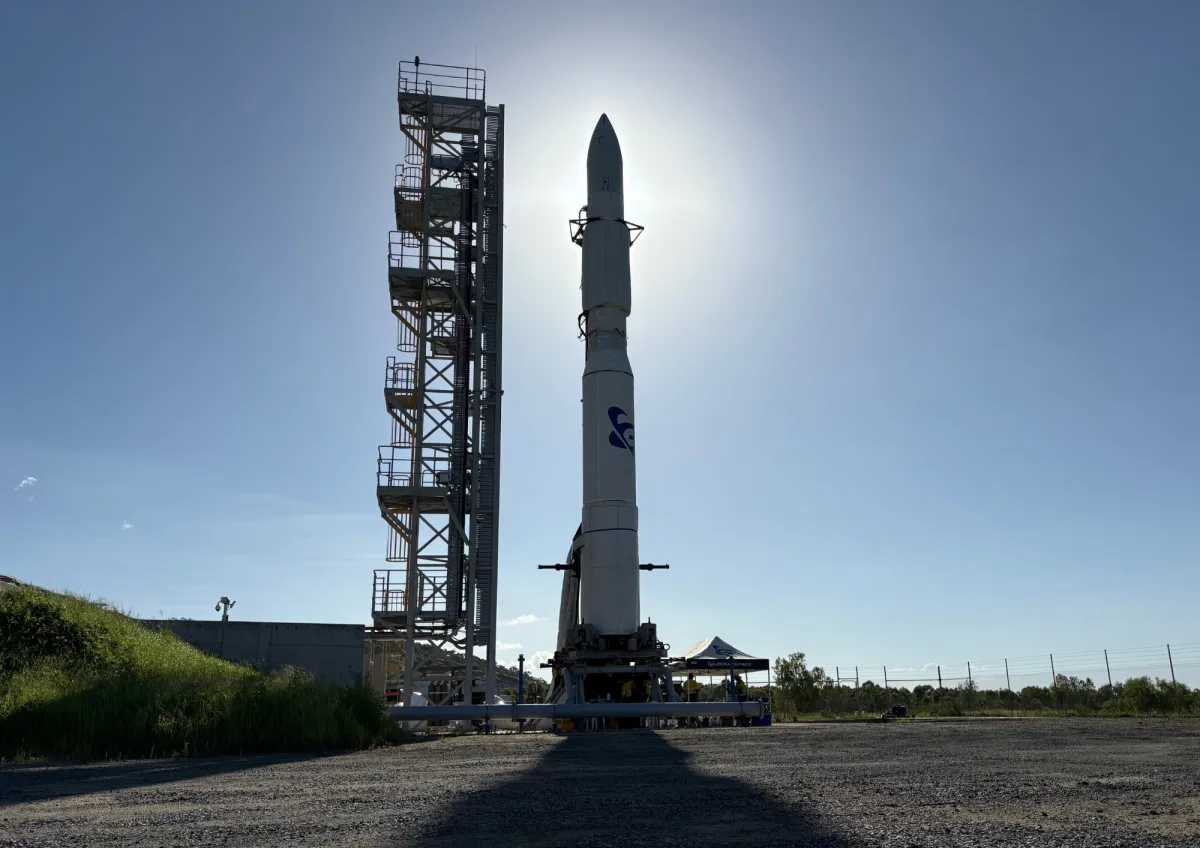
Space Brief 8 Apr 2025
Key highlights include the launch of a Navy SEAL astronaut to the ISS, multi-billion dollar contracts awarded by the US Space Force, advancements in secure GPS technology, and a strategic ISR arrangement.



Launch Date
November 3, 2023
Launch Site
Launch Pad
LC40
Launch Vehicle
NORAD ID
58218
International Designator
2023-170N
Epoch
Sun, 19 Jul 2026 06:06:16 GMT
Apogee
Calculating...
Perigee
Calculating...
Inclination
43.00°
Right Ascension
170.94°
Eccentricity
Calculating...
Argument of Perigee
272.40°
Period
94.27 min
Mean Motion
15.28 rev/day
Latitude
Calculating...
Longitude
Calculating...
Altitude
Calculating...
Velocity
Calculating...
Name
STARLINK-30794
Alternative Name
Starlink 30794
Type
Status
Owner
SPXS
Country
United States
Constellation
N/A
Related Satellites
Major Events
N/A
1 58218U 23170N 26200.25435993 .00000092 00000+0 12867-4 0 9995
2 58218 43.0030 170.9425 0001697 272.3961 87.6697 15.27577782150423
Source: Celestrak
Length
0.3
Diameter
4.1
Span
29
Dry Mass
700
Launch Mass
730
Shape
Box + pan
Radar Cross Section
Unknown
Visual Magnitude
Unknown
Color
Unknown
Material Composition
Unknown
Payload
Starlink Group 6-26-13
Purpose
Communication
Mission
Communication
Manufacturer
SPXS
Life Expectancy
Unknown
Bus
Starlink V2M
Configuration
Starlink v2 Mini
Motor
Argon ion thrusters
Equipment
Ku/Ka/E-band payload, optical inter-satellite link
Power System
Solar arrays, batteries
ADCS
Unknown
Transmitter Frequency
Unknown
Learn more about satellites and other related topics.
Key highlights include the launch of a Navy SEAL astronaut to the ISS, multi-billion dollar contracts awarded by the US Space Force, advancements in secure GPS technology, and a strategic ISR arrangement.
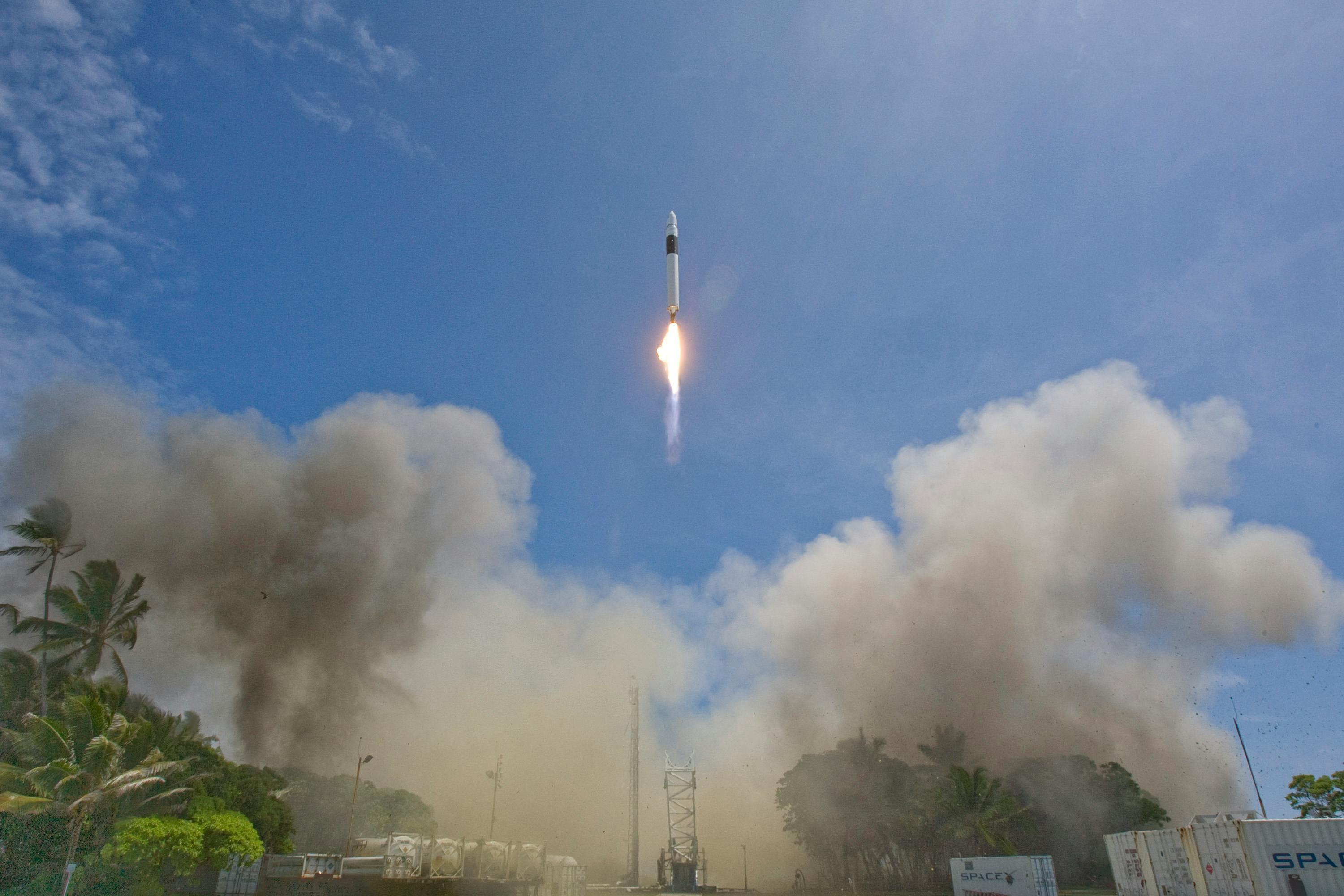
SpaceX's third rideshare mission of 2026 delivered South Korea's CAS500-2 imager and 45 secondary payloads to Sun-synchronous orbit on Falcon 9.
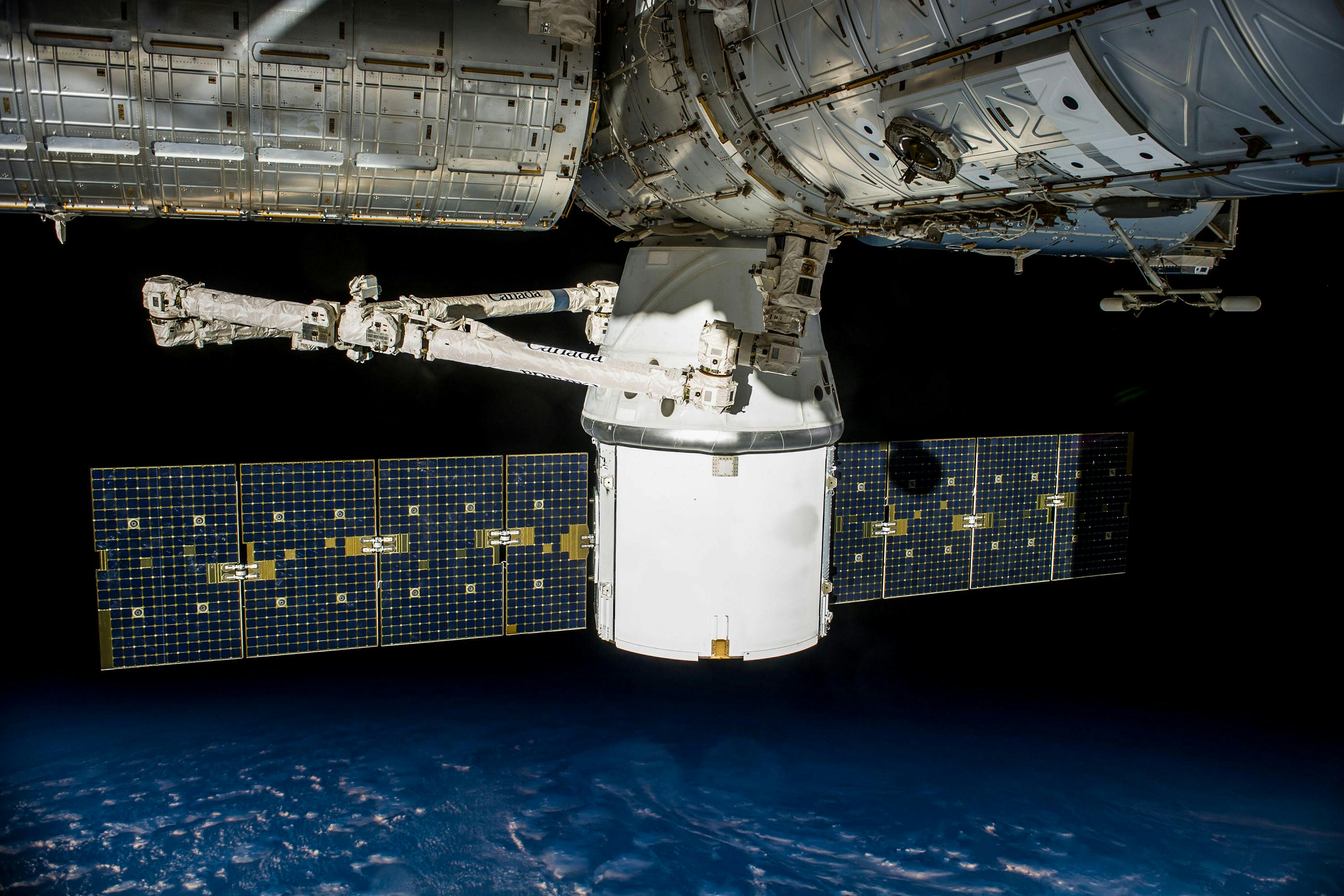
Today's report highlights a catastrophic failure during Starship preparations, significant advancements in Starlink services in Ukraine and India, and the successful launch of 28 Starlink satellites.
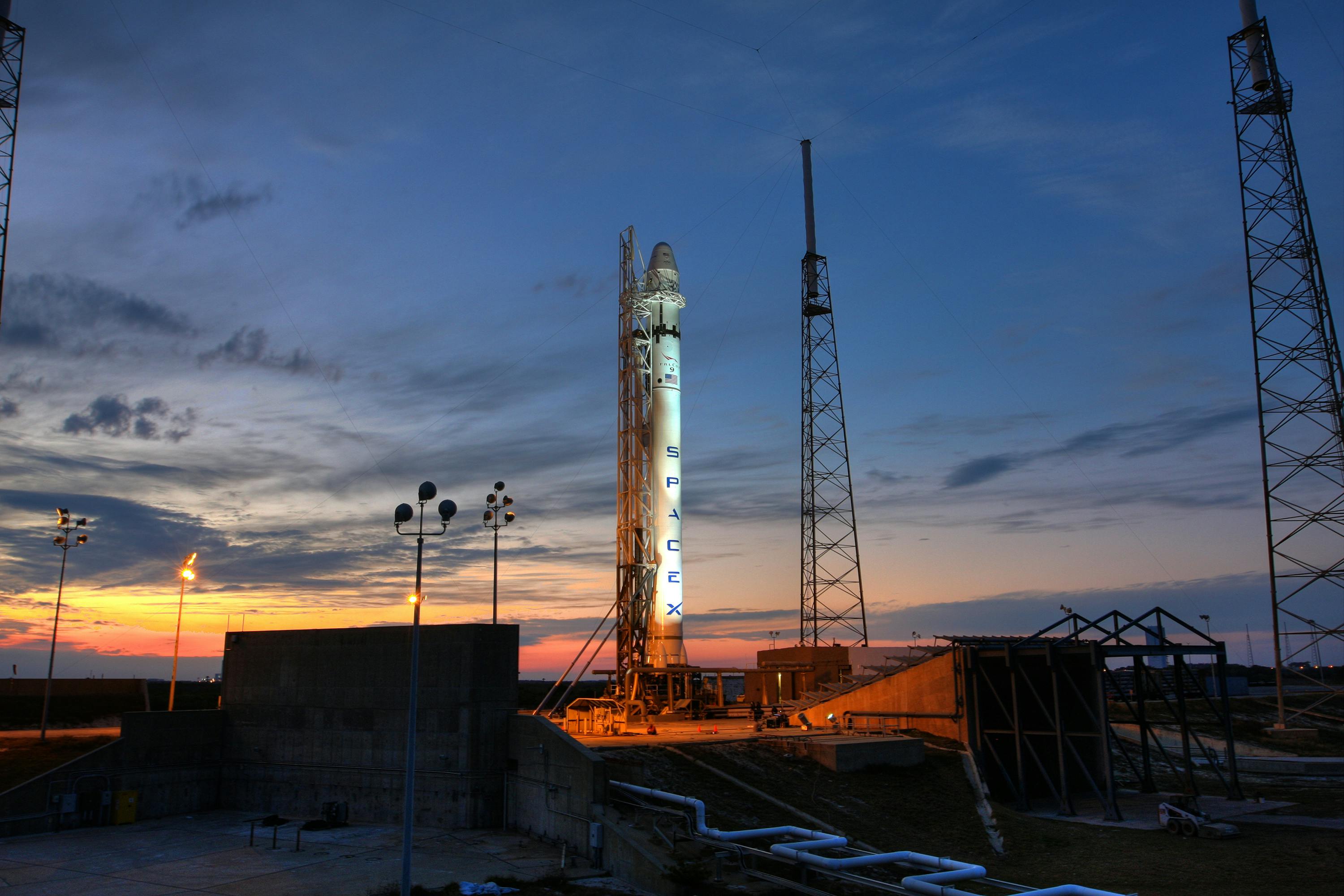
Booster B1067 sets a new Falcon 9 reuse record on its 36th flight, lifting Starlink 10-42 from Cape Canaveral at 5:25 a.m. EDT.
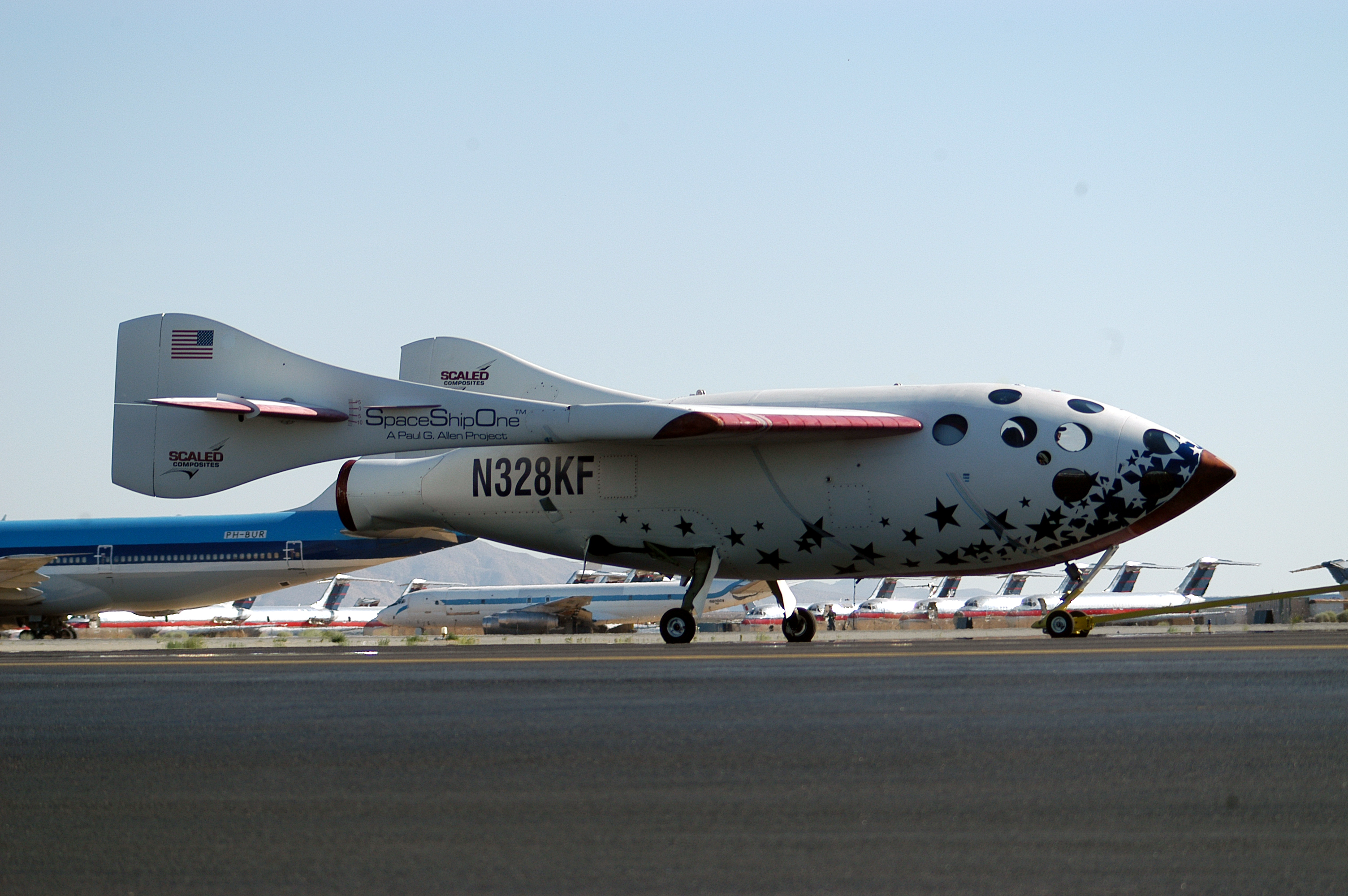
On 21 June 2004, a 63-year-old test pilot rode a homebuilt rocket plane to 100,124 meters above the Mojave Desert, clearing the edge of space by about the length of a city block. He came down the first private astronaut in history, holding a sign that read 'SpaceShipOne, GovernmentZero.'
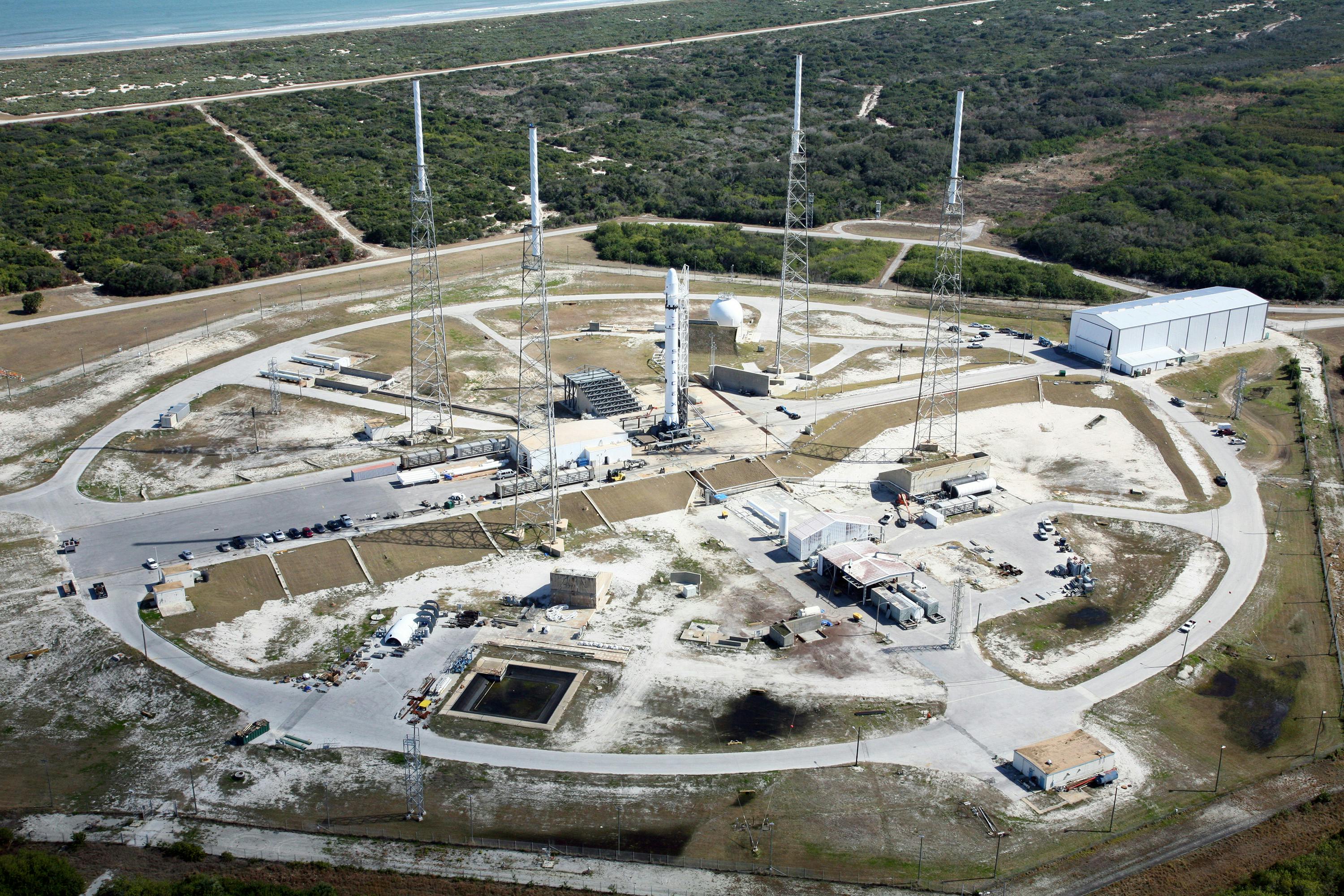
SpaceX's Transporter-17 rideshare carried 81 payloads including history's first nuclear-powered commercial satellite on July 7.

NRO awards three commercial data contracts and explores vetting satellite firms for airborne target tracking via U.S. Space Force. Strategic expansion of GEOINT capabilities.

Starlink gains ground in geopolitical shifts, while SpaceX makes progress on next-gen facilities and prepares for Crew-11 mission to ISS.