


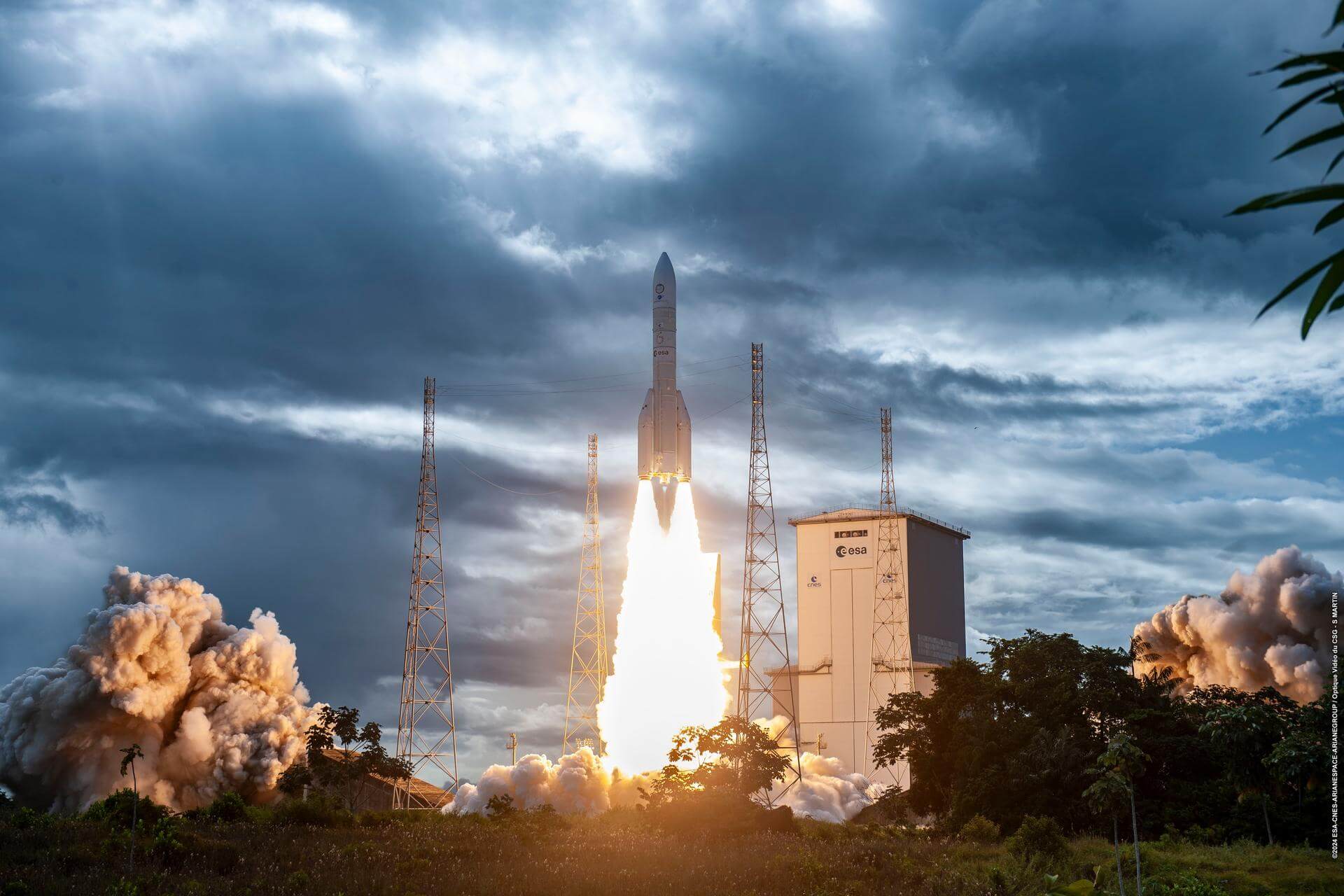
Space Brief 27 Oct 2025
Today's space highlights include the US Space Force's advanced tracking contract, a milestone in SpaceX's Starlink program, and a new initiative to remove space debris.



Launch Date
October 30, 2023
Launch Site
Launch Pad
LC40
Launch Vehicle
NORAD ID
58180
International Designator
2023-167F
Epoch
Sun, 19 Jul 2026 11:02:08 GMT
Apogee
Calculating...
Perigee
Calculating...
Inclination
43.00°
Right Ascension
116.11°
Eccentricity
Calculating...
Argument of Perigee
192.31°
Period
93.75 min
Mean Motion
15.36 rev/day
Latitude
Calculating...
Longitude
Calculating...
Altitude
Calculating...
Velocity
Calculating...
Name
STARLINK-30806
Alternative Name
Starlink 30806
Type
Status
Owner
SPXS
Country
United States
Constellation
N/A
Related Satellites
Major Events
N/A
1 58180U 23167F 26200.45982010 .00040051 00000+0 11169-2 0 9999
2 58180 42.9982 116.1055 0008553 192.3127 167.7520 15.36055558151179
Source: Celestrak
Length
0.3
Diameter
4.1
Span
29
Dry Mass
700
Launch Mass
730
Shape
Box + pan
Radar Cross Section
Unknown
Visual Magnitude
Unknown
Color
Unknown
Material Composition
Unknown
Payload
Starlink Group 6-25-06
Purpose
Communication
Mission
Communication
Manufacturer
SPXS
Life Expectancy
Unknown
Bus
Starlink V2M
Configuration
Starlink v2 Mini
Motor
Argon ion thrusters
Equipment
Ku/Ka/E-band payload, optical inter-satellite link
Power System
Solar arrays, batteries
ADCS
Unknown
Transmitter Frequency
Unknown
Learn more about satellites and other related topics.
Today's space highlights include the US Space Force's advanced tracking contract, a milestone in SpaceX's Starlink program, and a new initiative to remove space debris.
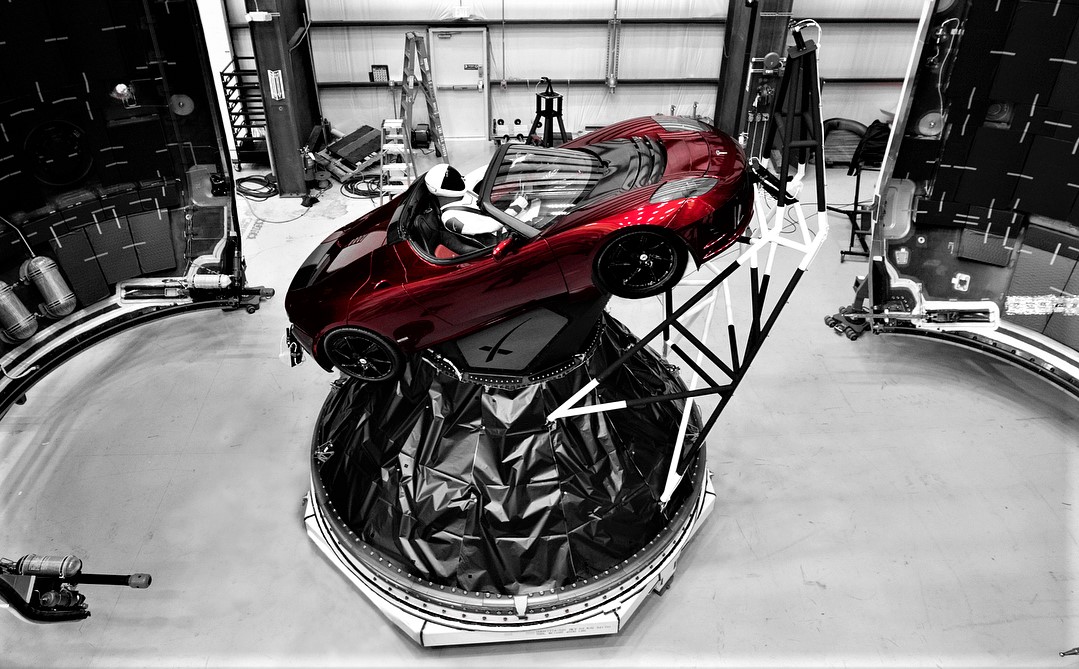
Seven years ago, SpaceX revolutionized spaceflight by launching the most powerful operational rocket in the world, carrying with it a cherry-red Tesla Roadster that captured global imagination

SpaceX rounds off a record-setting year with over 130 launches, achieving new milestones in Starship development and Starlink expansion.
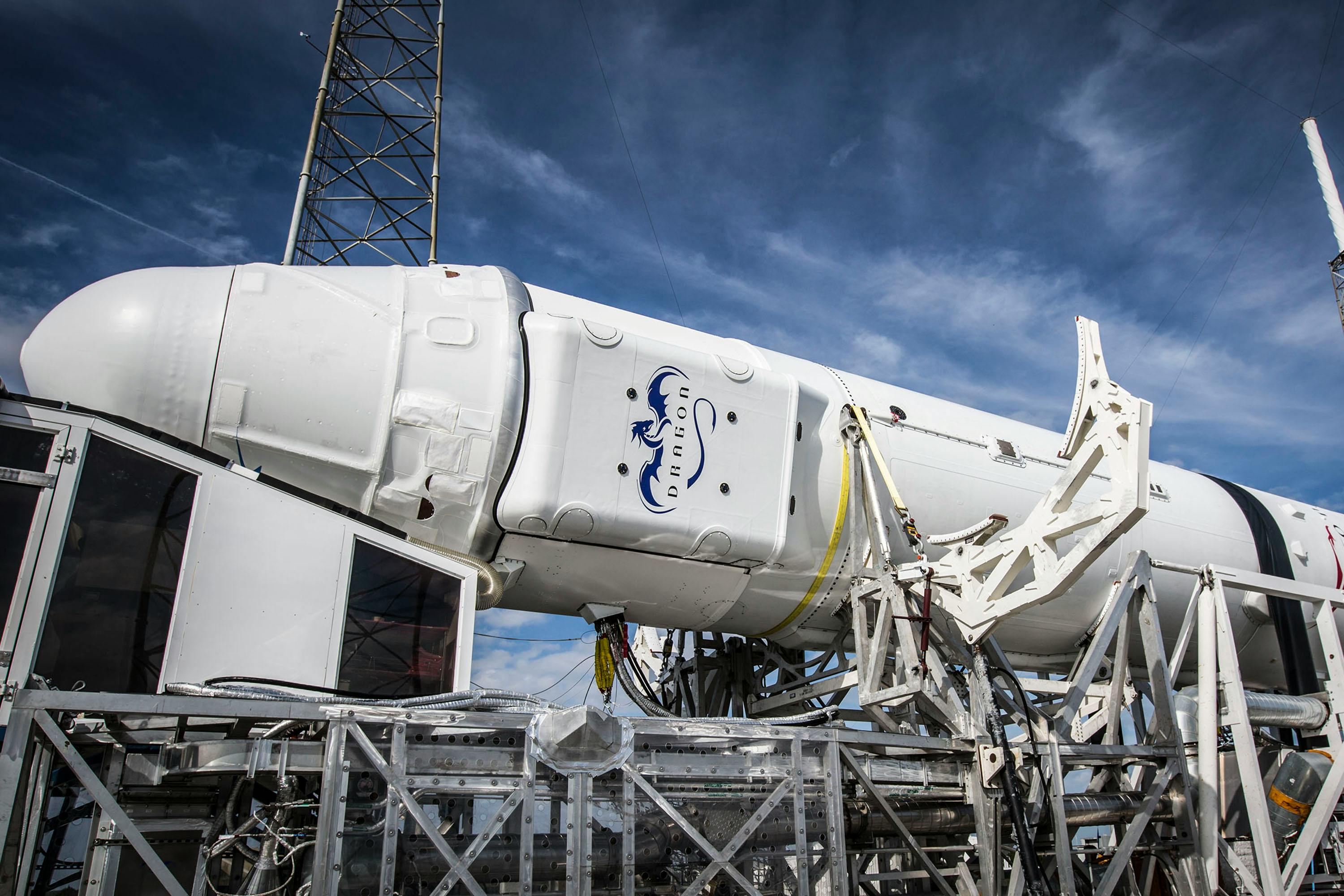
New experiments in space agriculture begin with Fram2 mission, a historic polar orbit flight, and a Starlink launch postponement.
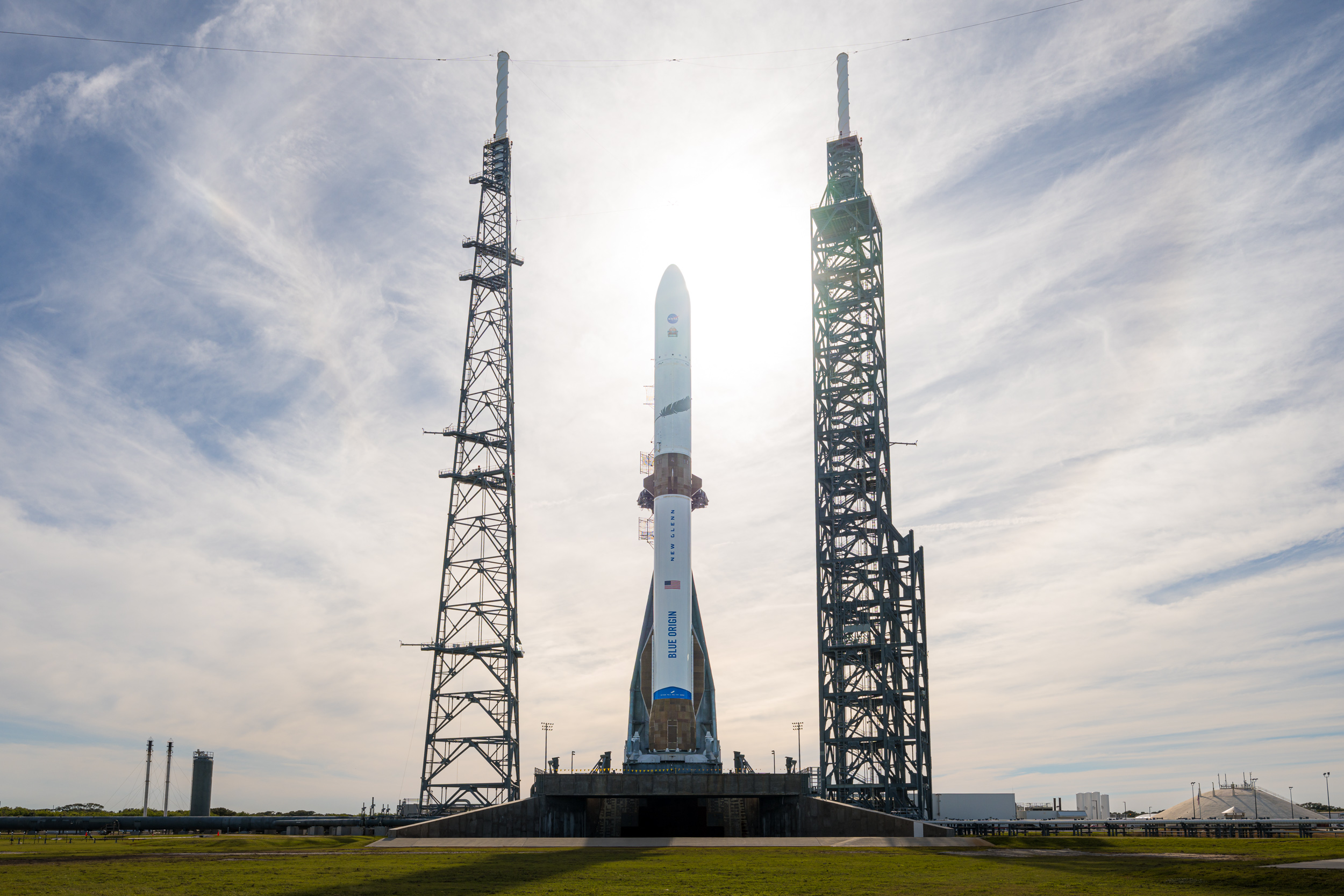
Artemis 2 astronauts completed first crewed lunar flyby since Apollo 17, traveling 690,000 miles aboard Orion. Four crew validated deep-space systems.

Crew-11 launch preparations ramp up, Starship propellant production begins, and a global launch roundup highlights upcoming missions.
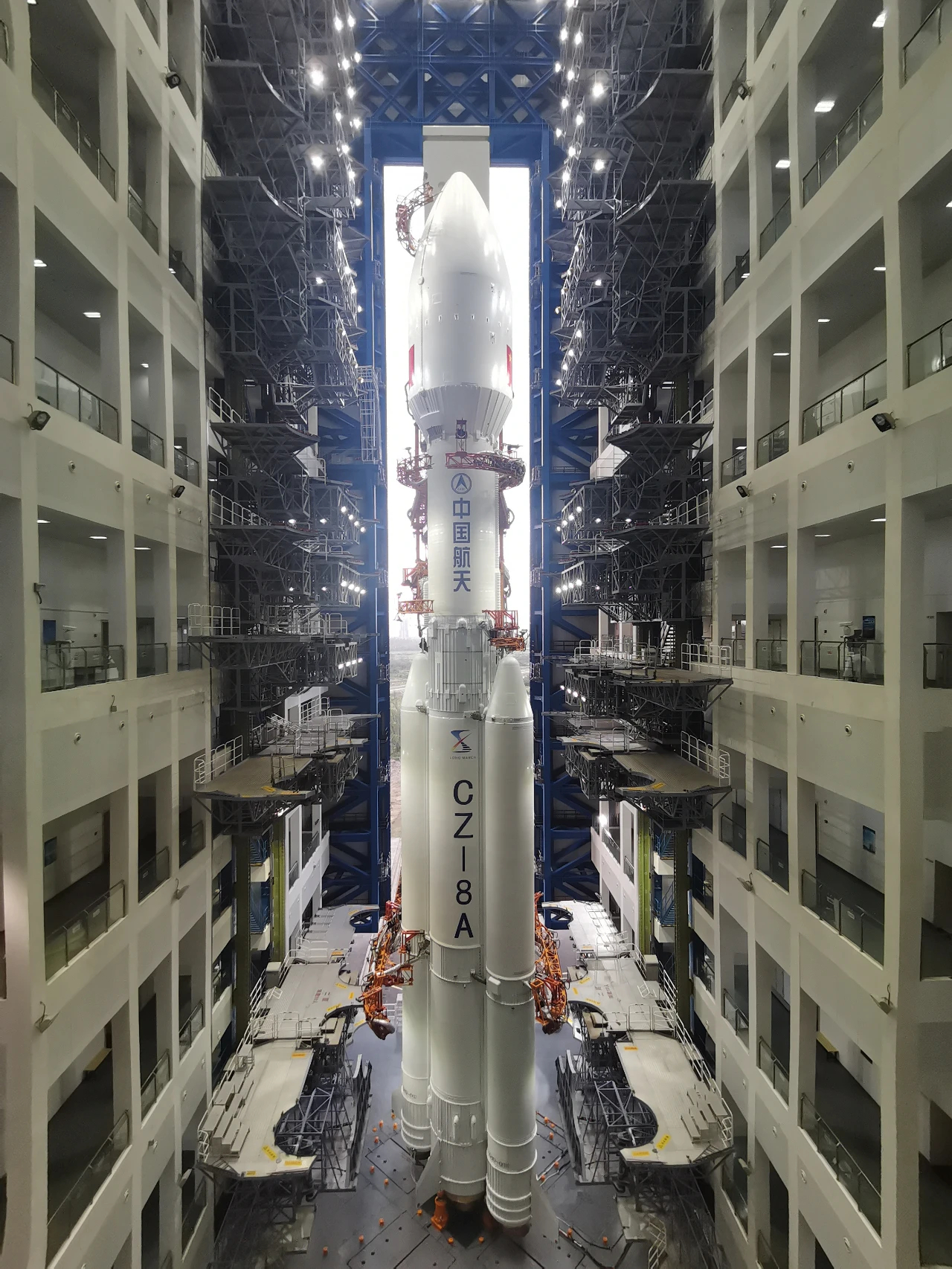
Today's briefing covers Rocket Lab's strategic acquisition, Space Dynamics Lab's new collaboration with the Space Force, and shifts within the Pentagon's AI division.
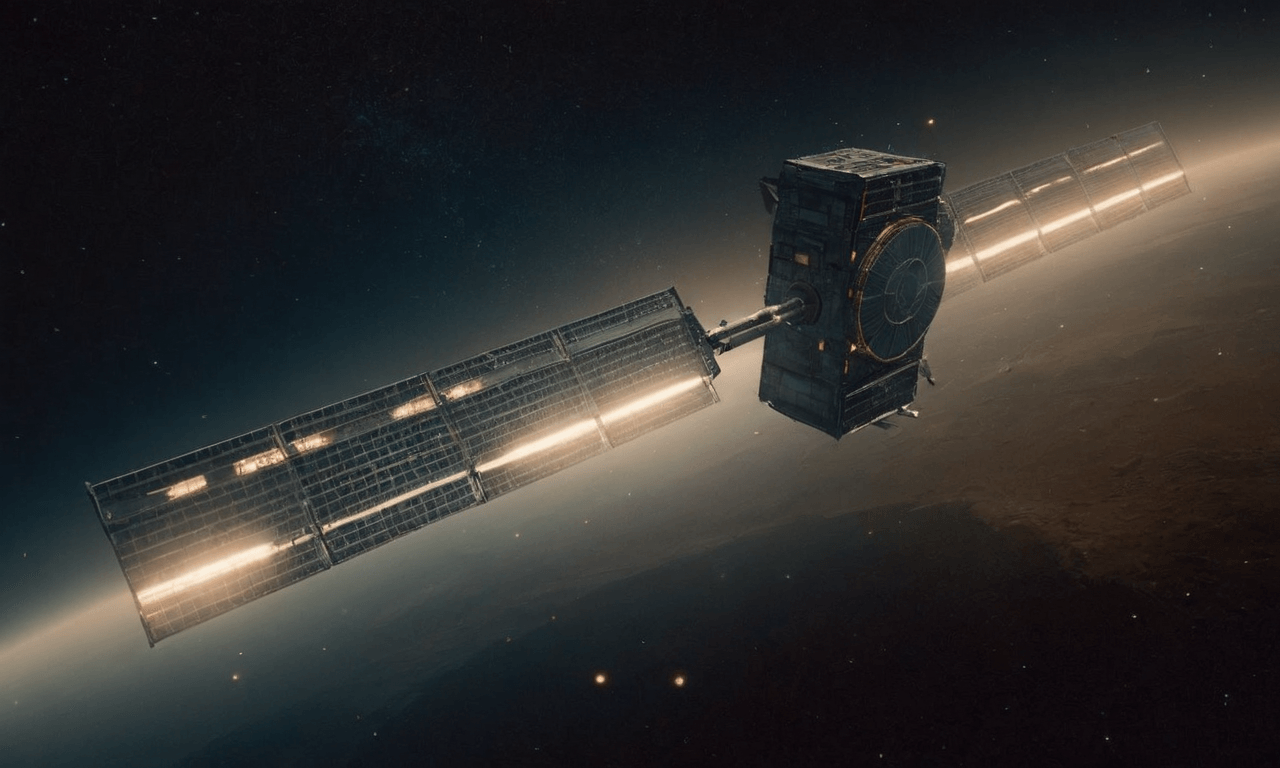
Today's Space Brief covers Rocket Lab's IoT satellite launch, SpaceX's European Galileo satellites, FAA's fine on SpaceX, Polaris Dawn mission achievements, and more.