


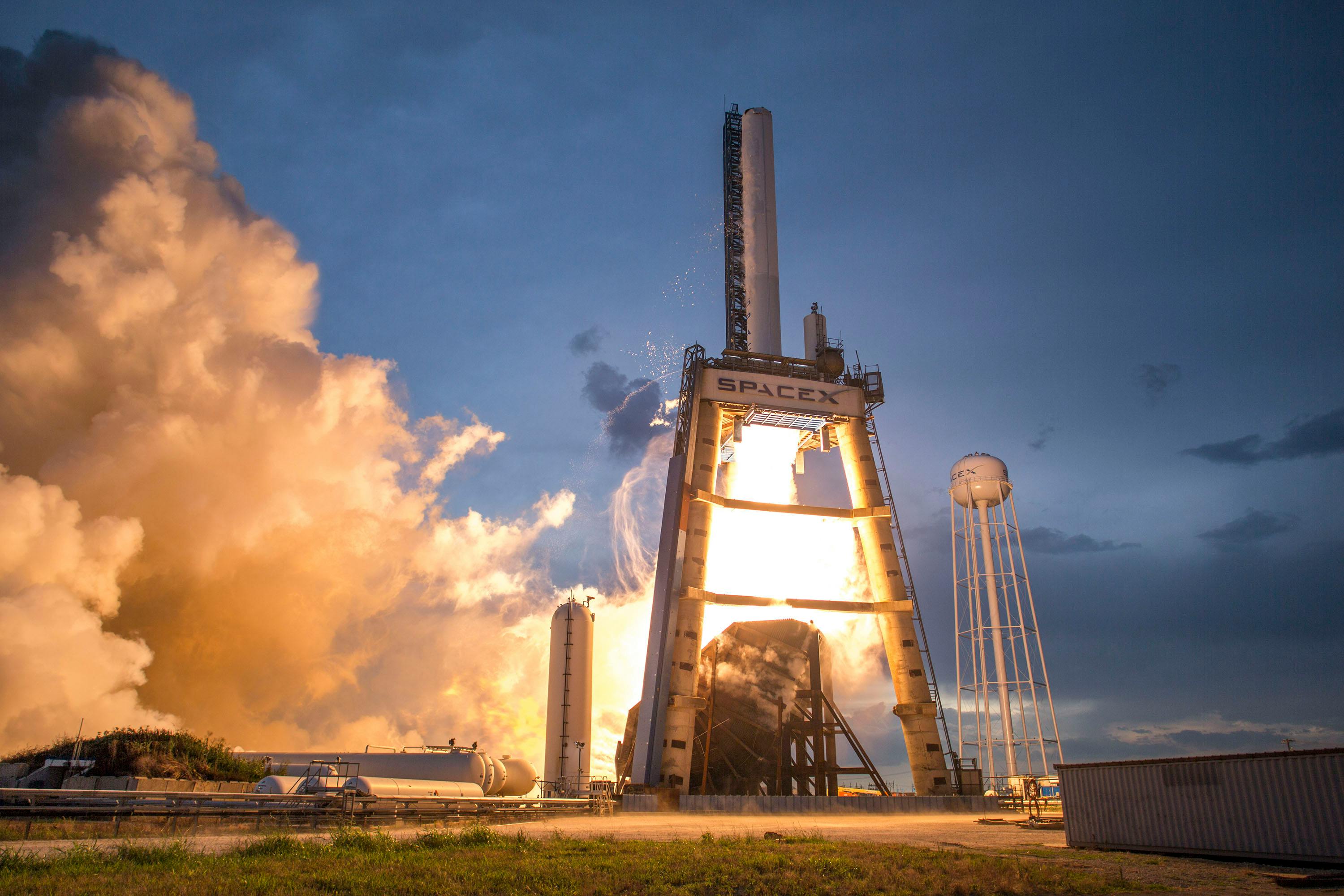
X Report 30 Mar 2025
SpaceX gears up for major Starlink launch, while Starship developments continue to shape commercial spacefrontiers.



Launch Date
October 30, 2023
Launch Site
Launch Pad
LC40
Launch Vehicle
NORAD ID
58175
International Designator
2023-167A
Epoch
Sun, 19 Jul 2026 18:26:37 GMT
Apogee
Calculating...
Perigee
Calculating...
Inclination
43.00°
Right Ascension
117.60°
Eccentricity
Calculating...
Argument of Perigee
251.87°
Period
94.27 min
Mean Motion
15.28 rev/day
Latitude
Calculating...
Longitude
Calculating...
Altitude
Calculating...
Velocity
Calculating...
Name
STARLINK-30753
Alternative Name
Starlink 30753
Type
Status
Owner
SPXS
Country
United States
Constellation
N/A
Related Satellites
Major Events
N/A
1 58175U 23167A 26200.76849079 .00001008 00000+0 46160-4 0 9994
2 58175 43.0019 117.6003 0001303 251.8667 108.2043 15.27577611151181
Source: Celestrak
Length
0.3
Diameter
4.1
Span
29
Dry Mass
700
Launch Mass
730
Shape
Box + pan
Radar Cross Section
Unknown
Visual Magnitude
Unknown
Color
Unknown
Material Composition
Unknown
Payload
Starlink Group 6-25-01
Purpose
Communication
Mission
Communication
Manufacturer
SPXS
Life Expectancy
Unknown
Bus
Starlink V2M
Configuration
Starlink v2 Mini
Motor
Argon ion thrusters
Equipment
Ku/Ka/E-band payload, optical inter-satellite link
Power System
Solar arrays, batteries
ADCS
Unknown
Transmitter Frequency
Unknown
Learn more about satellites and other related topics.
SpaceX gears up for major Starlink launch, while Starship developments continue to shape commercial spacefrontiers.

ULA's Vulcan Centaur faces potential months-long stand-down. Space Force actively exploring payload reassignment and satellite operational life extensions to cover critical national security missions.
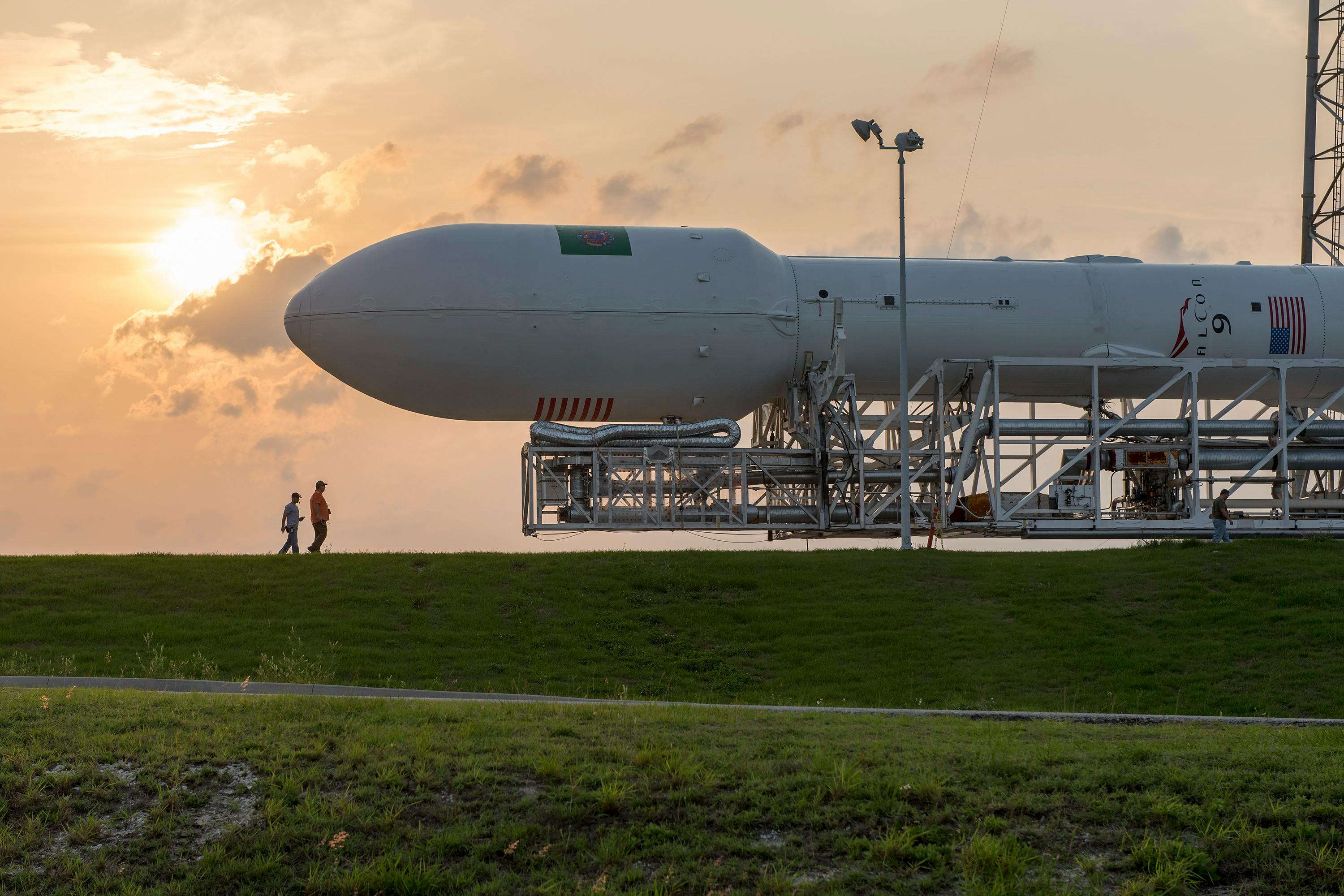
SpaceX's Falcon 9 delivered Northrop Grumman's second Cygnus XL — carrying over 5 tons of cargo — to the ISS on April 11, 2026.

SpaceX prepares for another Starlink launch from Florida, while recent Starship incident raises environmental concerns.

ULA's Vulcan remains grounded after February in-flight GEM 63XL booster anomaly. Northrop Grumman completed successful static fire test, but investigation ongoing with no return-to-flight date.
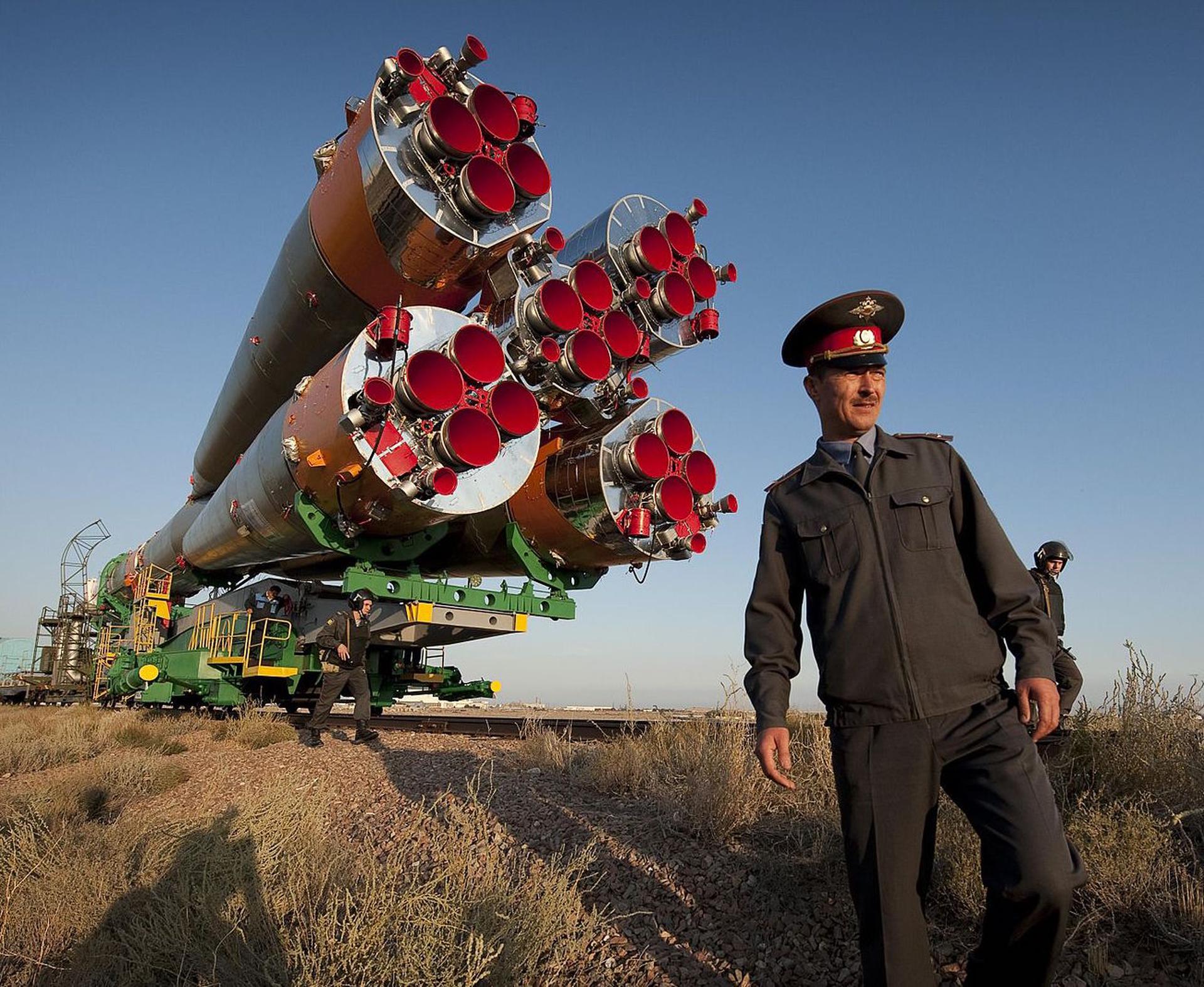
Today's Space Brief highlights emerging technologies in space, a contract for U.S. Space Force missions, developments in military operations, and updates on drone advancements.
Polaris Dawn's upcoming commercial spacewalk, successful lunar orbit by Chinese spacecraft, and more space news including SpaceX's Starlink mission, RFA's static-fire failure, and advances in satellite technology.
Today's brief covers potential shifts in Space Force's strategy, new milestones in military satellite programs, and advancements in ground systems for missile defense. We'll also highlight Rocket Lab's latest contract win and critical design reviews in drone technology.