


Space Brief 3 Jul 2025
Today's coverage includes the cancellation of DARPA's DRACO nuclear propulsion project, global shifts in Earth observation strategy, and new developments in satellite technology and military collaborations.


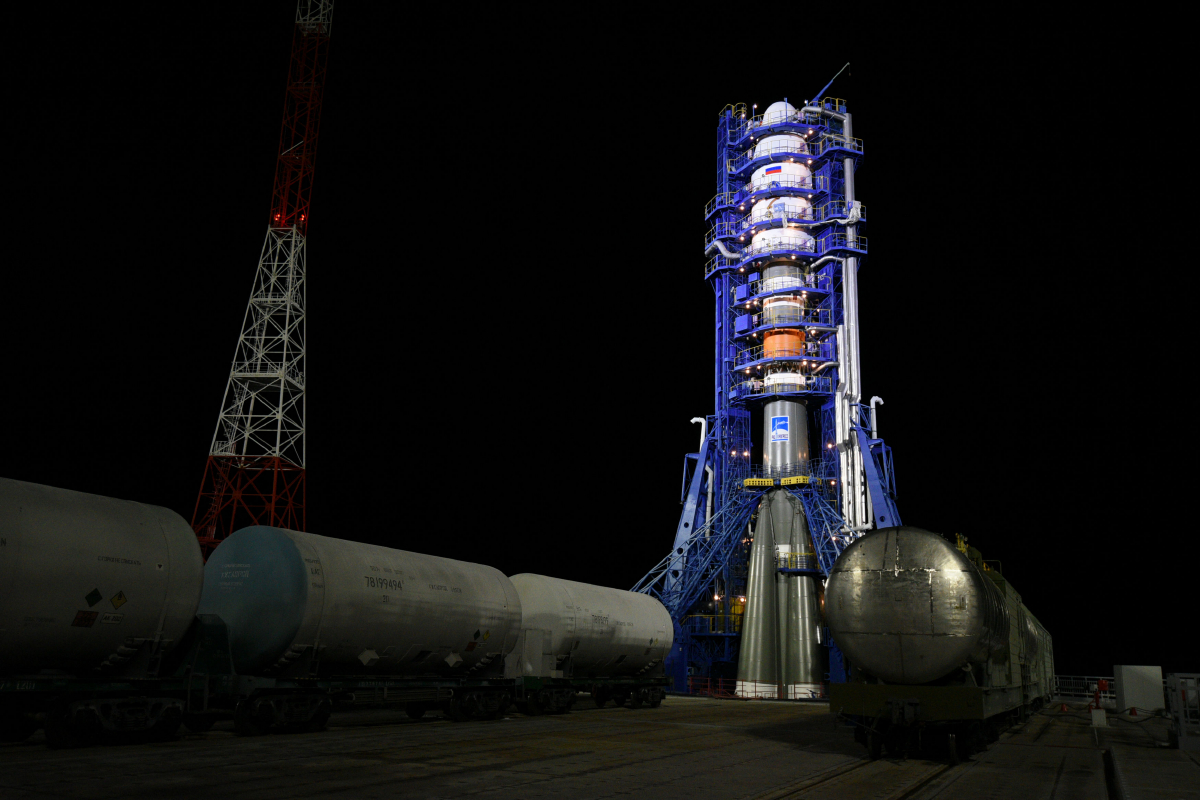
Launch Date
October 27, 2023
Launch Site
PLMSC
Launch Pad
LC43/3
Launch Vehicle
Soyuz-2-1B
NORAD ID
58172
International Designator
2023-165C
Epoch
Sun, 19 Jul 2026 20:48:57 GMT
Apogee
Calculating...
Perigee
Calculating...
Inclination
67.15°
Right Ascension
207.86°
Eccentricity
Calculating...
Argument of Perigee
295.08°
Period
103.05 min
Mean Motion
13.97 rev/day
Latitude
Calculating...
Longitude
Calculating...
Altitude
Calculating...
Velocity
Calculating...
Name
COSMOS 2571
Alternative Name
Kosmos-2571
Type
Status
Owner
VVKOV
Country
Russia
Constellation
N/A
Related Satellites
Major Events
N/A
1 58172U 23165C 26200.86733492 -.00000038 00000+0 26432-4 0 9994
2 58172 67.1482 207.8611 0019164 295.0828 64.8268 13.97336327138924
Source: Celestrak
Length
0.3
Diameter
0.2
Span
0.3
Dry Mass
10
Launch Mass
10
Shape
Box
Radar Cross Section
Unknown
Visual Magnitude
Unknown
Color
Unknown
Material Composition
Unknown
Payload
Lotos subsat 2
Purpose
?
Mission
?
Manufacturer
TSSKBP/ARSLO
Life Expectancy
Unknown
Bus
Unk
Configuration
Unknown
Motor
Unknown
Equipment
Unknown
Power System
Unknown
ADCS
Unknown
Transmitter Frequency
Unknown
Learn more about satellites and other related topics.
Today's coverage includes the cancellation of DARPA's DRACO nuclear propulsion project, global shifts in Earth observation strategy, and new developments in satellite technology and military collaborations.
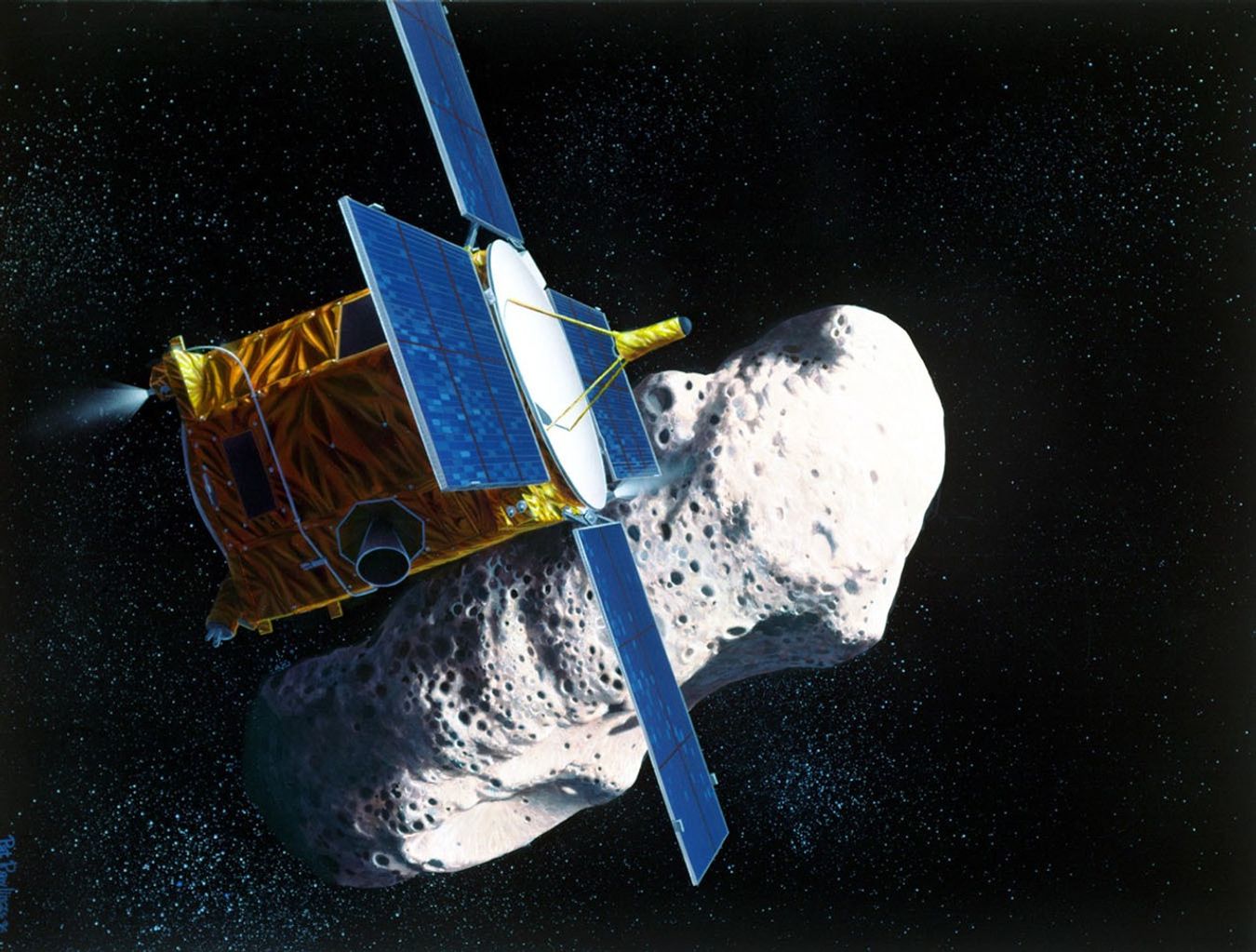
Twenty-four years ago, a spacecraft designed only to orbit made history with an improvised landing on asteroid Eros, marking humanitys first controlled touchdown on a small celestial body

Europe's bid to break free from the US launch monopoly. How Sweden's Esrange Space Center is transforming access to space, enabling orbital launches, and strengthening strategic independence for the continent.

SpaceX gears up for a series of launches, including Starlink deployments, lunar missions, and updates on the Starship program.
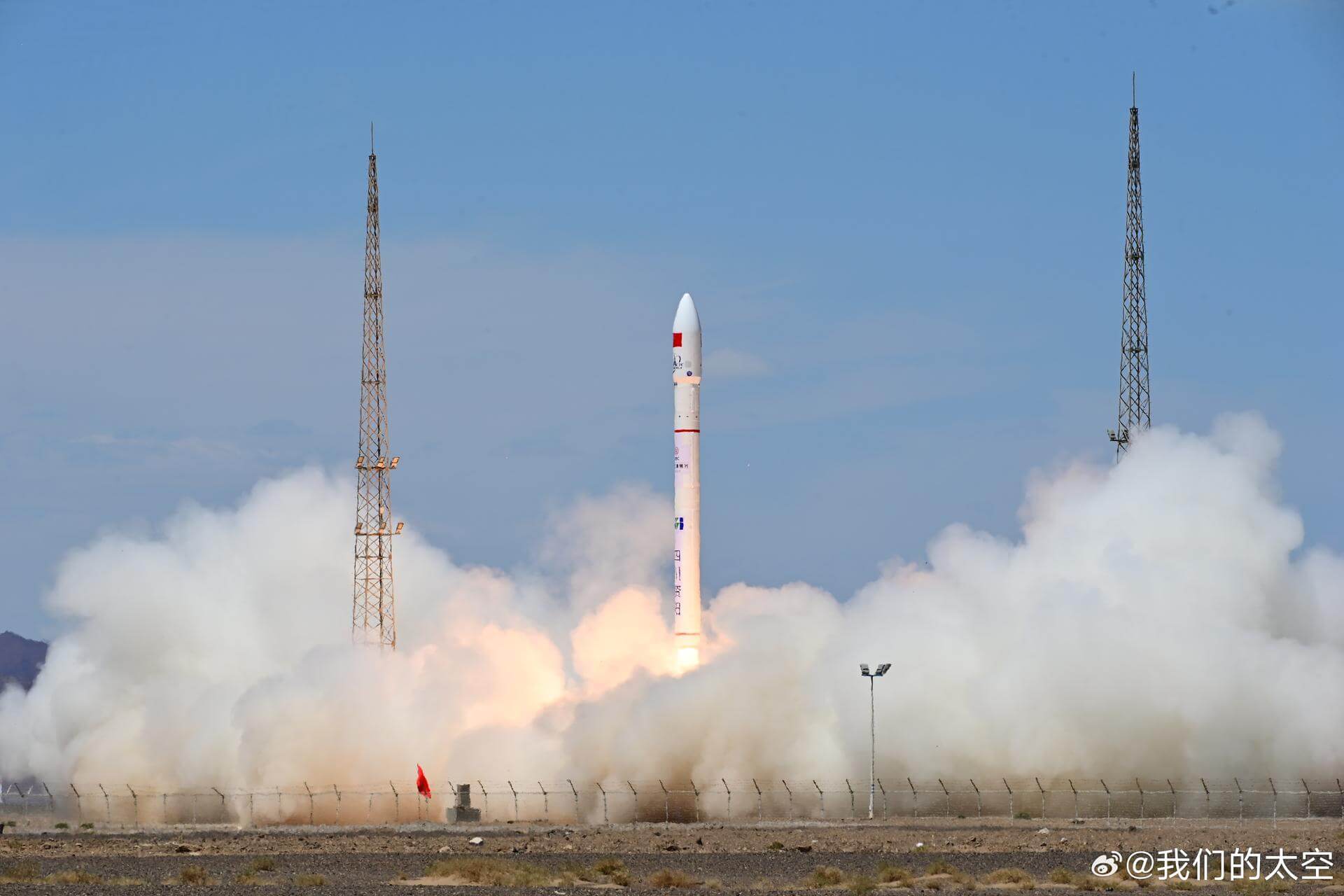
Today's brief covers a historic milestone for China's space program, the decoding of a simulated alien signal, innovative solutions to address satellite air pollution, and industry shifts driven by major investments and contracts.

Super heavy-lift rockets are the most powerful launch vehicles ever built. They can send humans and cargo to the Moon, Mars, and beyond. But what are they, and why are they so important?
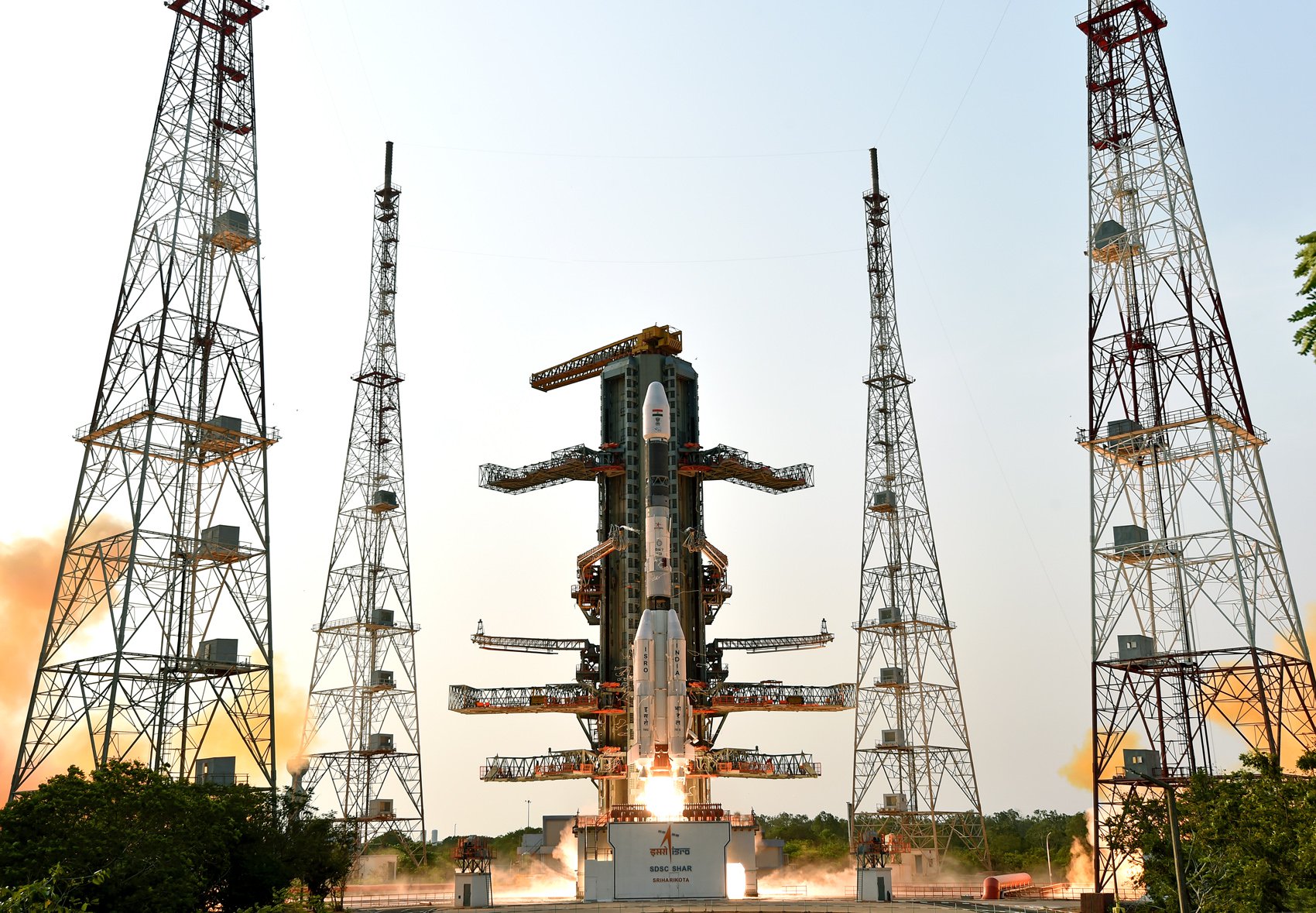
Key developments include China's Shijian 26 satellite launch, U.S. Space Force's BAE Systems contract for missile-tracking satellites, and military advancements in space systems.
Highlights include US military astronaut rescue drills, China's commercial involvement in lunar missions, ESA's budget proposals, global opposition to space advertising, and NASA lunar landers.