


Space Brief 25 Jul 2025
Today's briefing covers Spire Global's new intelligence products, a significant military buildup in the Pacific, Space Force organizational changes, and more.



NORAD ID
58117
International Designator
2023-161W
Epoch
Sun, 19 Jul 2026 11:09:48 GMT
Apogee
Calculating...
Perigee
Calculating...
Inclination
53.16°
Right Ascension
273.69°
Eccentricity
Calculating...
Argument of Perigee
97.46°
Period
94.11 min
Mean Motion
15.30 rev/day
Latitude
Calculating...
Longitude
Calculating...
Altitude
Calculating...
Velocity
Calculating...
Name
STARLINK-30601
Alternative Name
Starlink 30601
Type
Status
Owner
SPXS
Country
United States
Constellation
N/A
Related Satellites
Major Events
N/A
1 58117U 23161W 26200.46514140 .00000757 00000+0 37700-4 0 9999
2 58117 53.1581 273.6877 0000943 97.4640 262.6468 15.30191327154593
Source: Celestrak
Length
0.3
Diameter
4.1
Span
29
Dry Mass
700
Launch Mass
730
Shape
Box + pan
Radar Cross Section
Unknown
Visual Magnitude
Unknown
Color
Unknown
Material Composition
Unknown
Payload
Starlink Group 7-5-21
Purpose
Communication
Mission
Communication
Manufacturer
SPXS
Life Expectancy
Unknown
Bus
Starlink V2M
Configuration
Starlink v2 Mini
Motor
Argon ion thrusters
Equipment
Ku/Ka/E-band payload, optical inter-satellite link
Power System
Solar arrays, batteries
ADCS
Unknown
Transmitter Frequency
Unknown
Learn more about satellites and other related topics.
Today's briefing covers Spire Global's new intelligence products, a significant military buildup in the Pacific, Space Force organizational changes, and more.
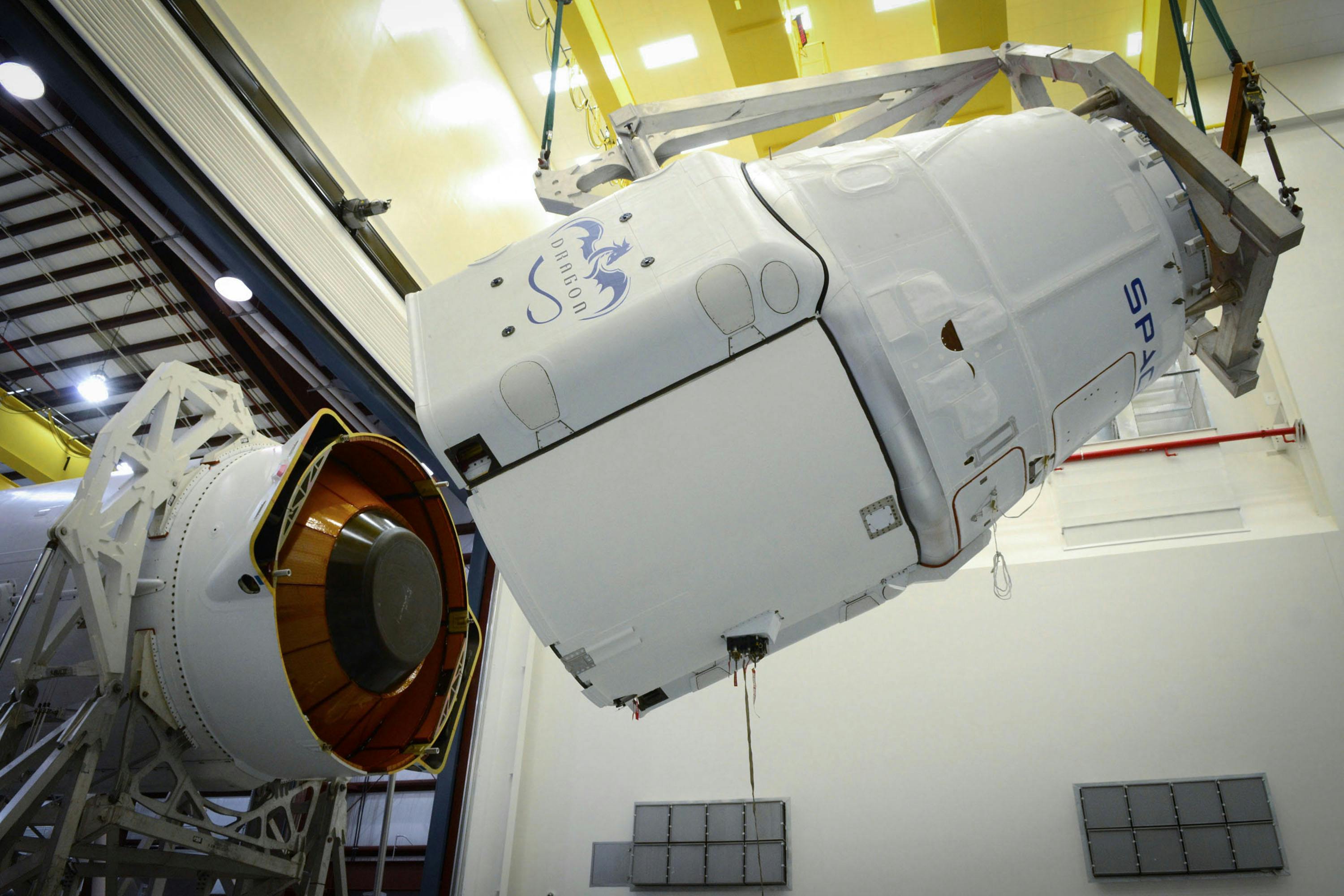
SpaceX successfully launched the Transporter-15 rideshare mission, deploying 140 payloads including significant international contributions. Meanwhile, the company progresses with Booster 19 stacking after the recent Booster 18 anomaly.
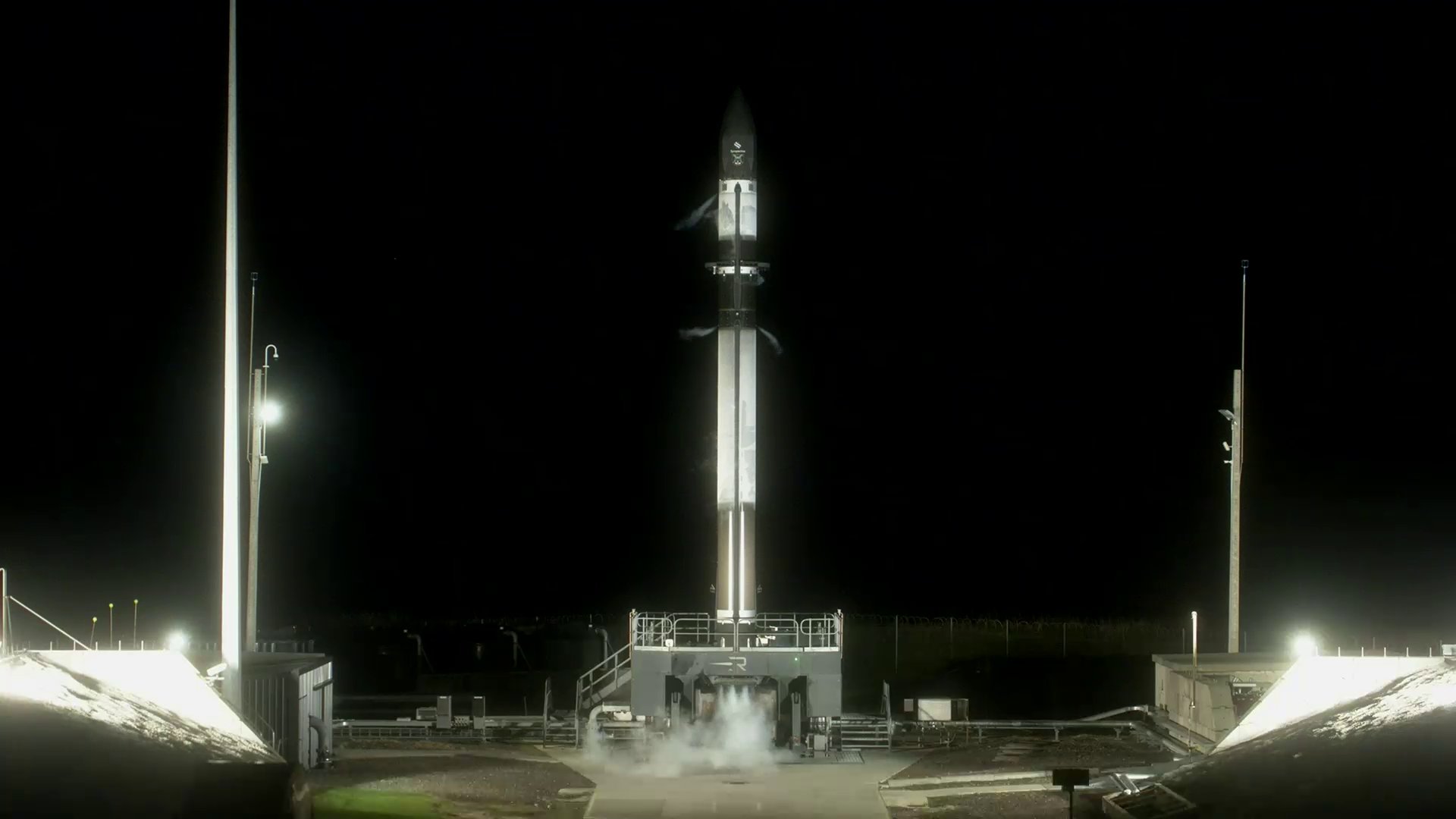
Space Force confirms plan to double active-duty Guardians by 2030, targeting faster response to satellite anomalies and adversary maneuvers in space domain awareness operations.

SpaceX receives FAA approval for its 10th Starship test flight scheduled for August 24, while also making strides in construction at the Cape and contesting broadband funding in Virginia.
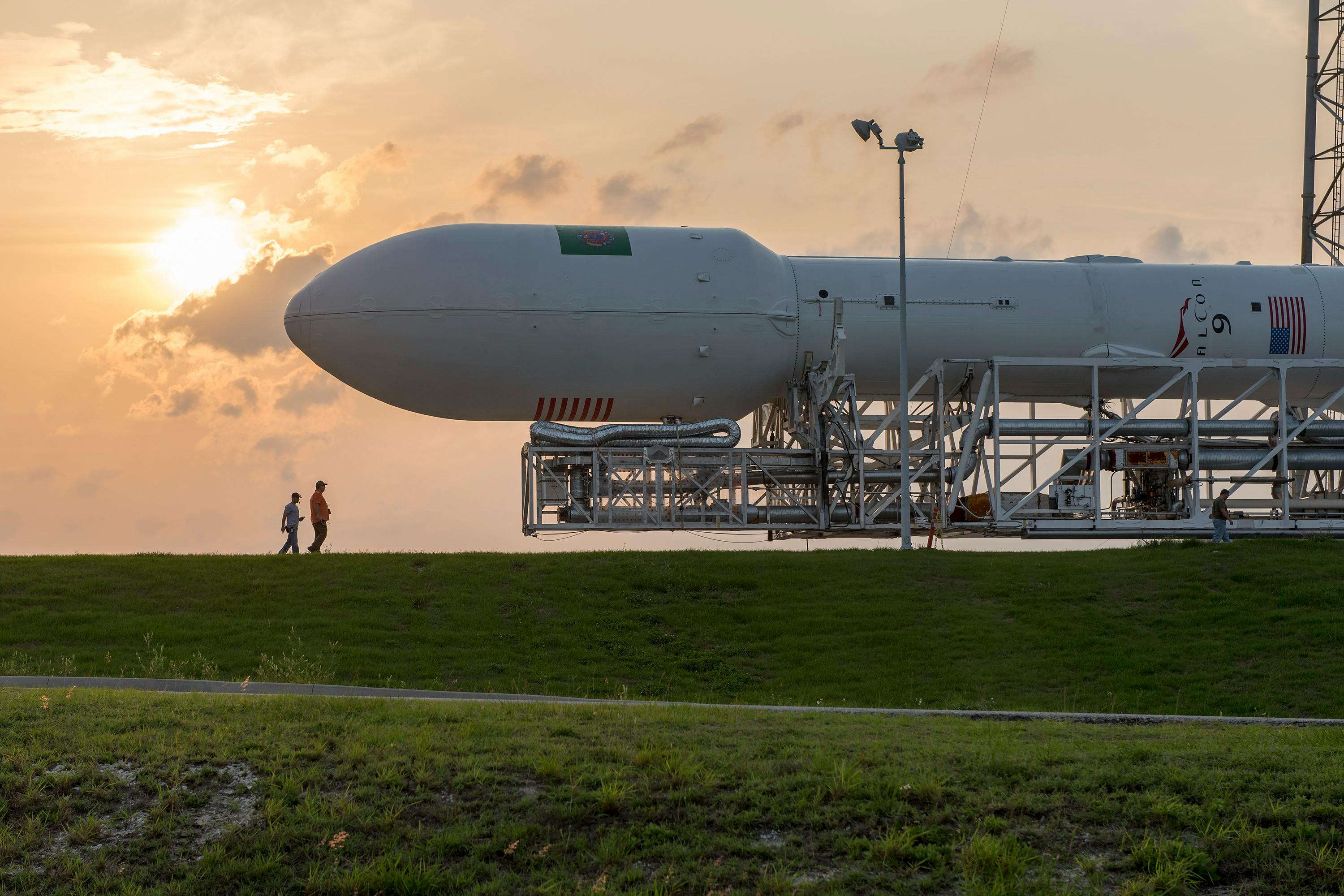
SpaceX prepares for another Starlink launch while facing potential C-band spectrum challenges.

SpaceX's secretive Starfall reentry demo launched June 23 as Starmind AI constellation targets 1M orbital compute nodes.
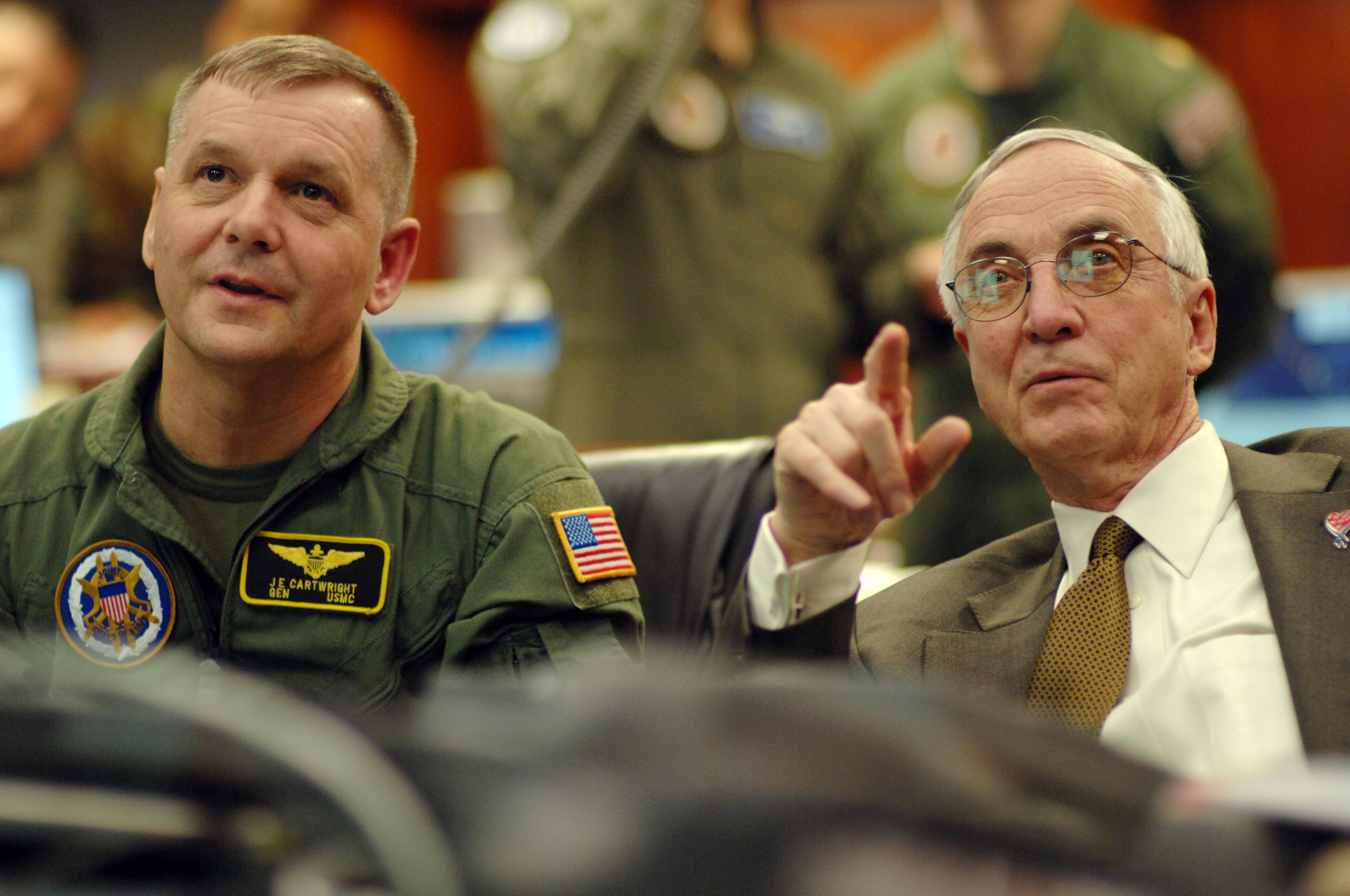
Seventeen years ago, a Navy cruiser in the Pacific fired a missile at a tumbling reconnaissance satellite that had failed within hours of reaching orbit - officially to prevent toxic fuel from reaching the ground, unofficially to prove something far more significant to China and the world
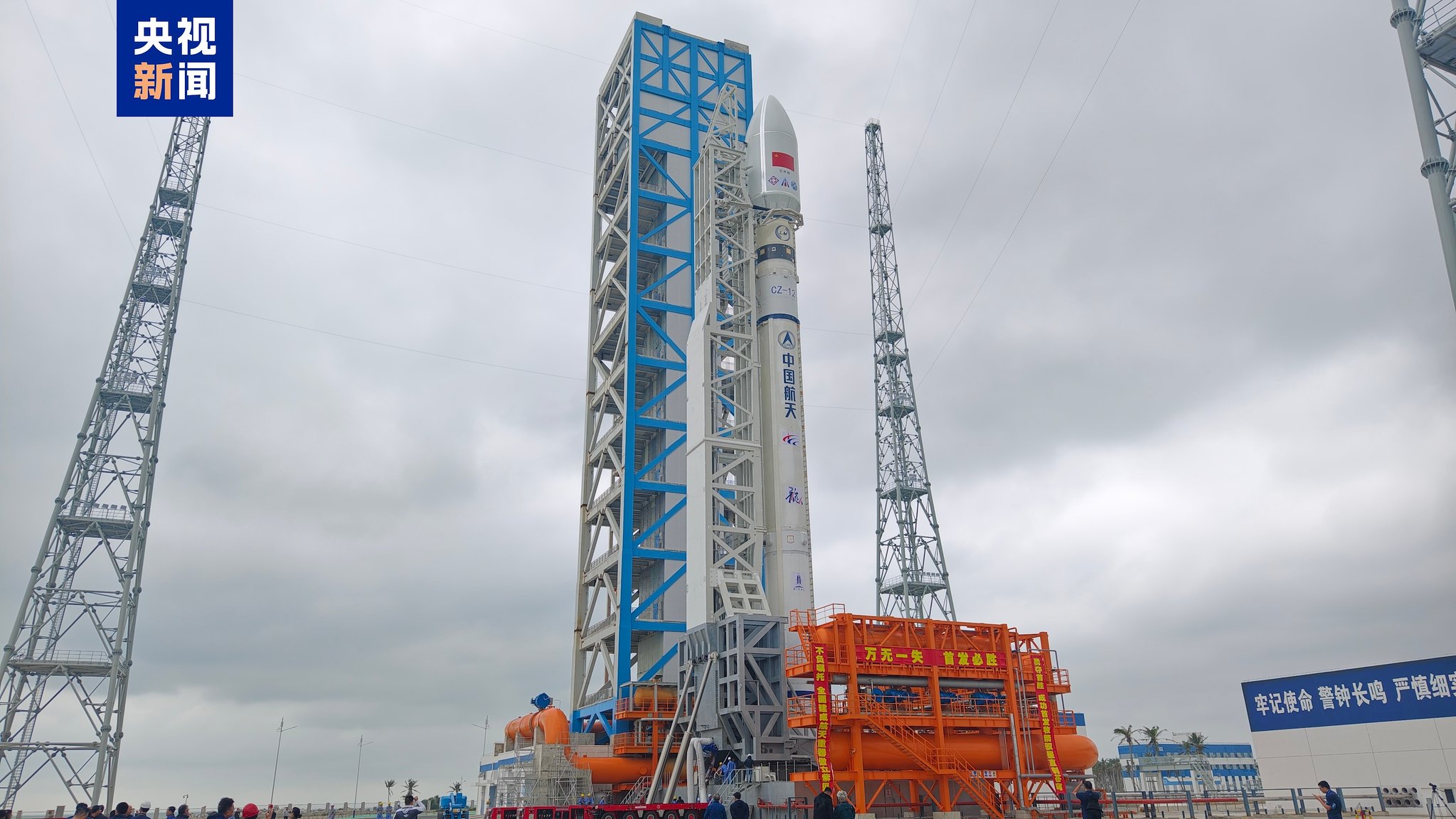
Today's top space events include a new military satellite launch by York Space, advancements in phased array antennas by Space Force, and the debut of Denmark's Arctic satellite. Also covered are developments in Starlink's services in Vietnam.