


Four Raptors Fail, Starship 13 Scrubbed at T-0, X Report 18 Jul 2026
Four Raptor engines failed to ignite at T-0, scrubbing Starship Flight 13 on July 16; SpaceX now targets July 20 for next attempt.



Launch Date
October 18, 2023
Launch Site
Launch Pad
LC40
Launch Vehicle
NORAD ID
58092
International Designator
2023-160T
Epoch
Sun, 19 Jul 2026 20:38:27 GMT
Apogee
Calculating...
Perigee
Calculating...
Inclination
43.00°
Right Ascension
51.96°
Eccentricity
Calculating...
Argument of Perigee
276.46°
Period
94.27 min
Mean Motion
15.28 rev/day
Latitude
Calculating...
Longitude
Calculating...
Altitude
Calculating...
Velocity
Calculating...
Name
STARLINK-30615
Alternative Name
Starlink 30615
Type
Status
Owner
SPXS
Country
United States
Constellation
N/A
Related Satellites
Major Events
N/A
1 58092U 23160T 26200.86004154 .00001130 00000+0 50595-4 0 9996
2 58092 43.0039 51.9590 0001791 276.4575 83.6073 15.27575204153158
Source: Celestrak
Length
0.3
Diameter
4.1
Span
29
Dry Mass
700
Launch Mass
730
Shape
Box + pan
Radar Cross Section
Unknown
Visual Magnitude
Unknown
Color
Unknown
Material Composition
Unknown
Payload
Starlink Group 6-23-18
Purpose
Communication
Mission
Communication
Manufacturer
SPXS
Life Expectancy
Unknown
Bus
Starlink V2M
Configuration
Starlink v2 Mini
Motor
Argon ion thrusters
Equipment
Ku/Ka/E-band payload, optical inter-satellite link
Power System
Solar arrays, batteries
ADCS
Unknown
Transmitter Frequency
Unknown
Learn more about satellites and other related topics.
Four Raptor engines failed to ignite at T-0, scrubbing Starship Flight 13 on July 16; SpaceX now targets July 20 for next attempt.
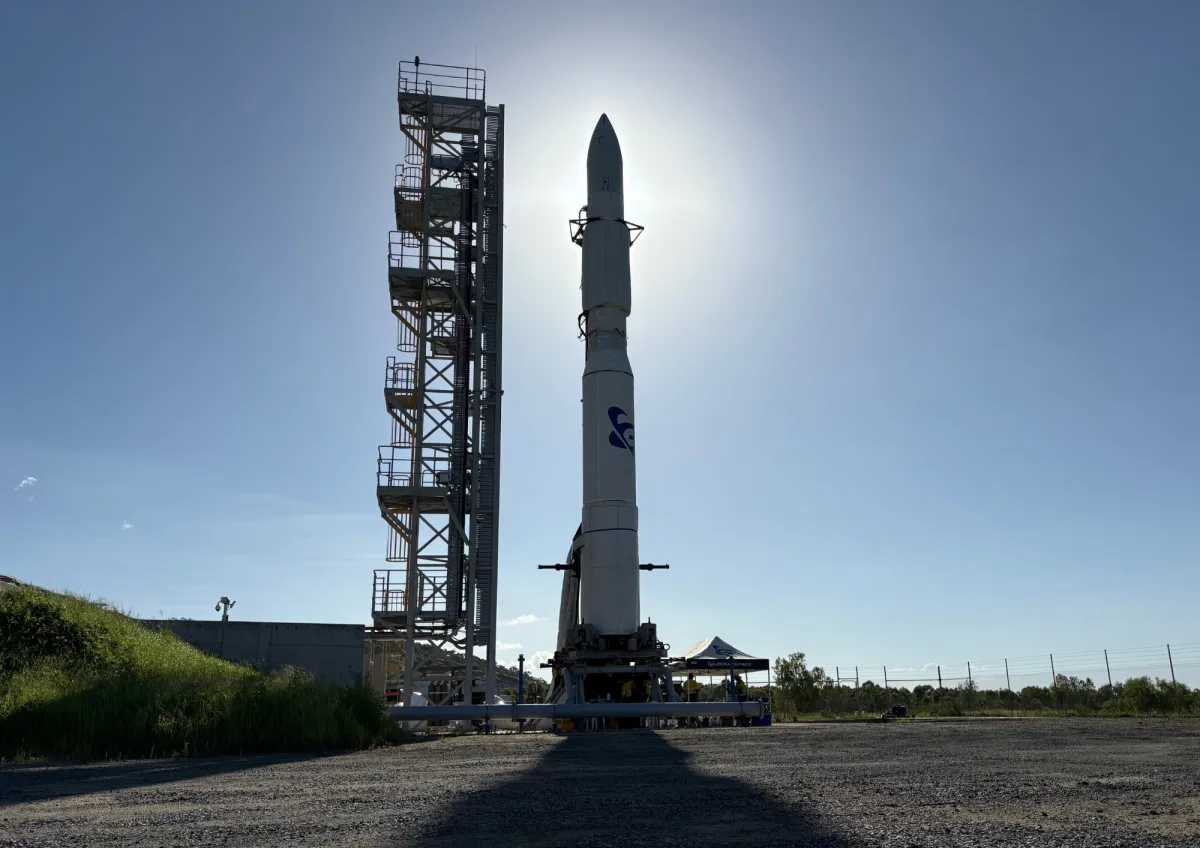
Key highlights include the launch of a Navy SEAL astronaut to the ISS, multi-billion dollar contracts awarded by the US Space Force, advancements in secure GPS technology, and a strategic ISR arrangement.
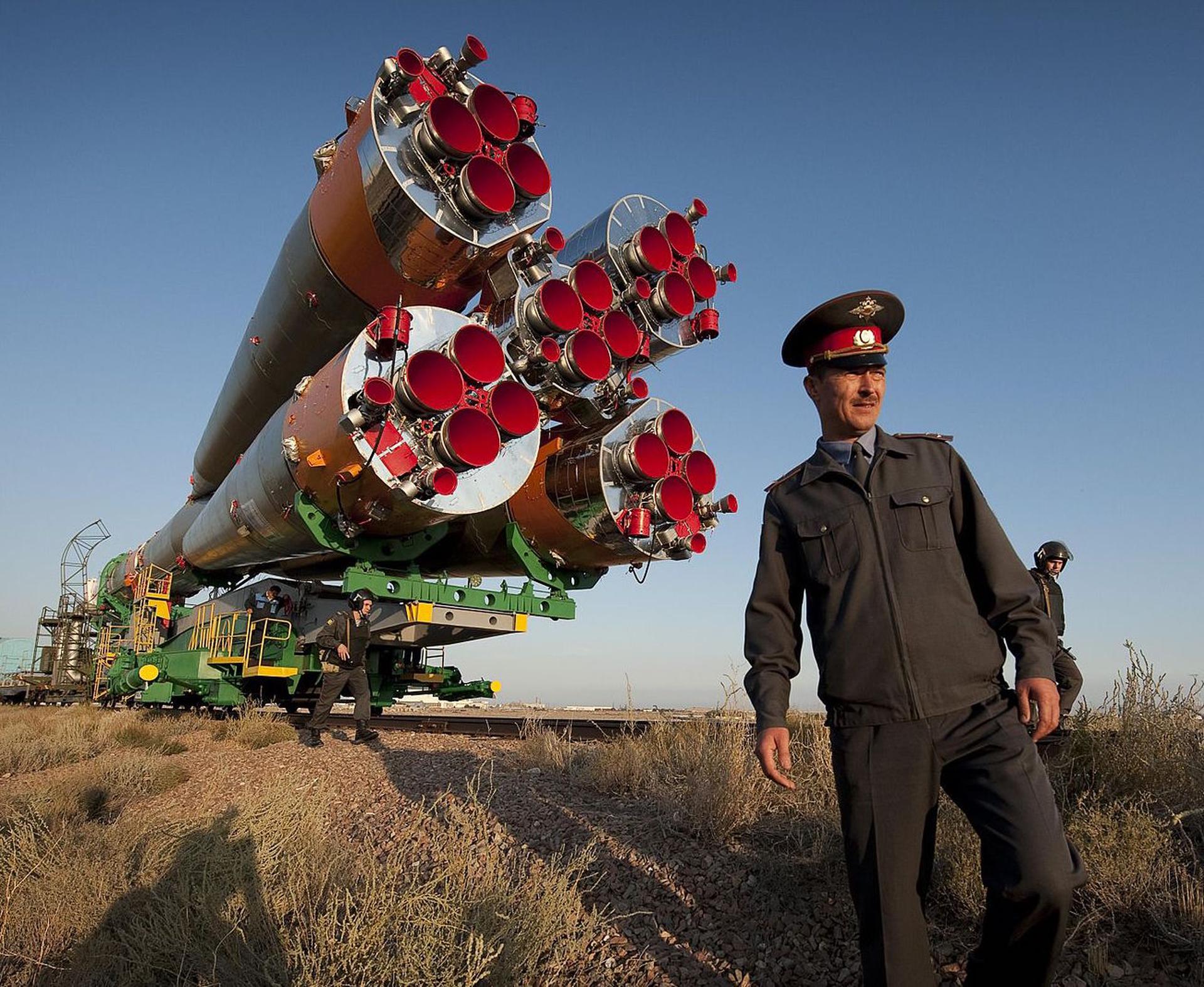
Today's Space Brief highlights emerging technologies in space, a contract for U.S. Space Force missions, developments in military operations, and updates on drone advancements.

Today's briefing covers collaborations enhancing defense capabilities, new satellite technologies entering the market, and strategic shifts in military satellite applications.

Space Force shifts GPS III satellite launch from ULA's Vulcan to SpaceX Falcon 9 due to persistent solid rocket booster issues. Critical navigation asset reassignment signals operational consequences.
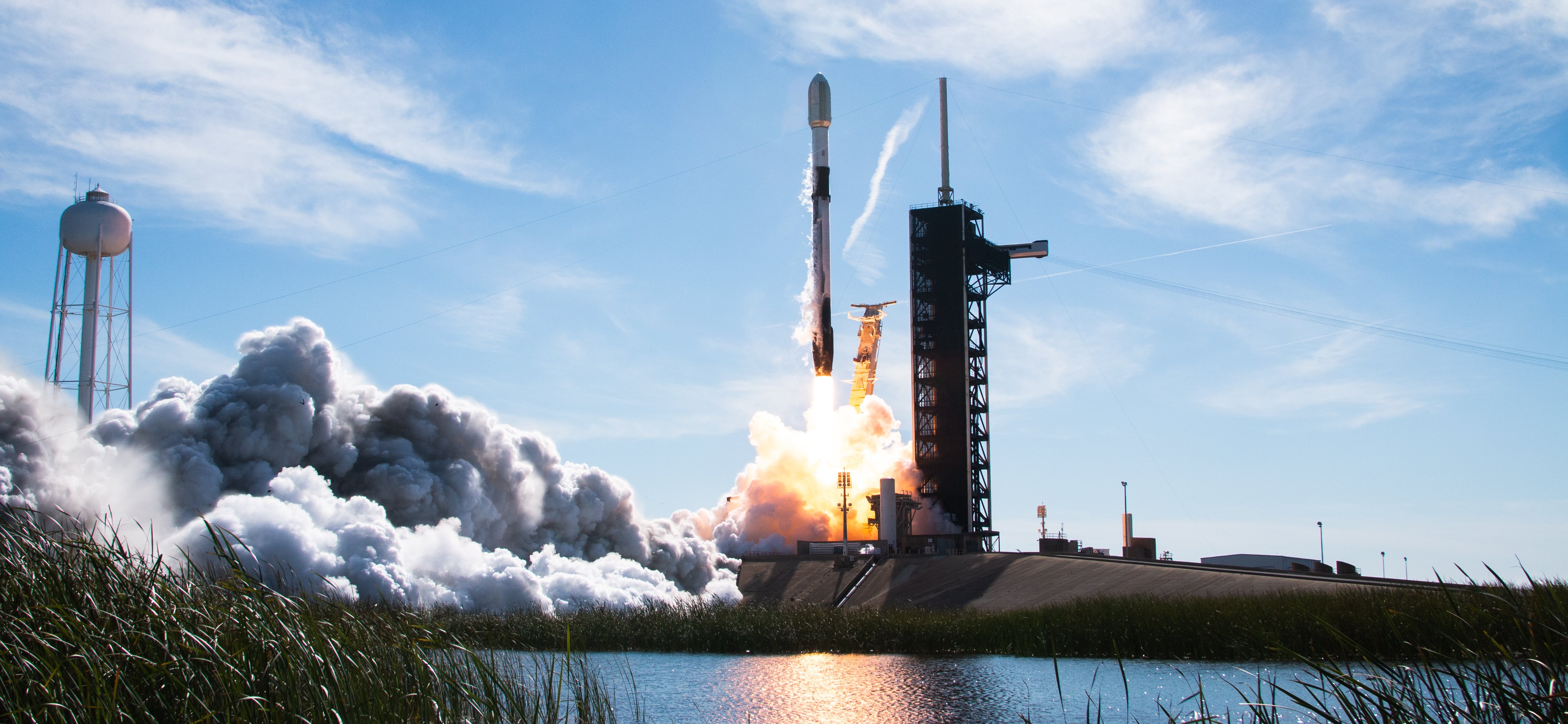
NASA's $4.3B Nancy Grace Roman Space Telescope arrived at Kennedy Space Center for 70 days of prelaunch processing ahead of its August 30 Falcon Heavy launch.

SpaceX successfully launches 21 Starlink satellites from Florida, marking another milestone in its satellite internet constellation. The Falcon 9 rocket was also successfully recovered at sea.
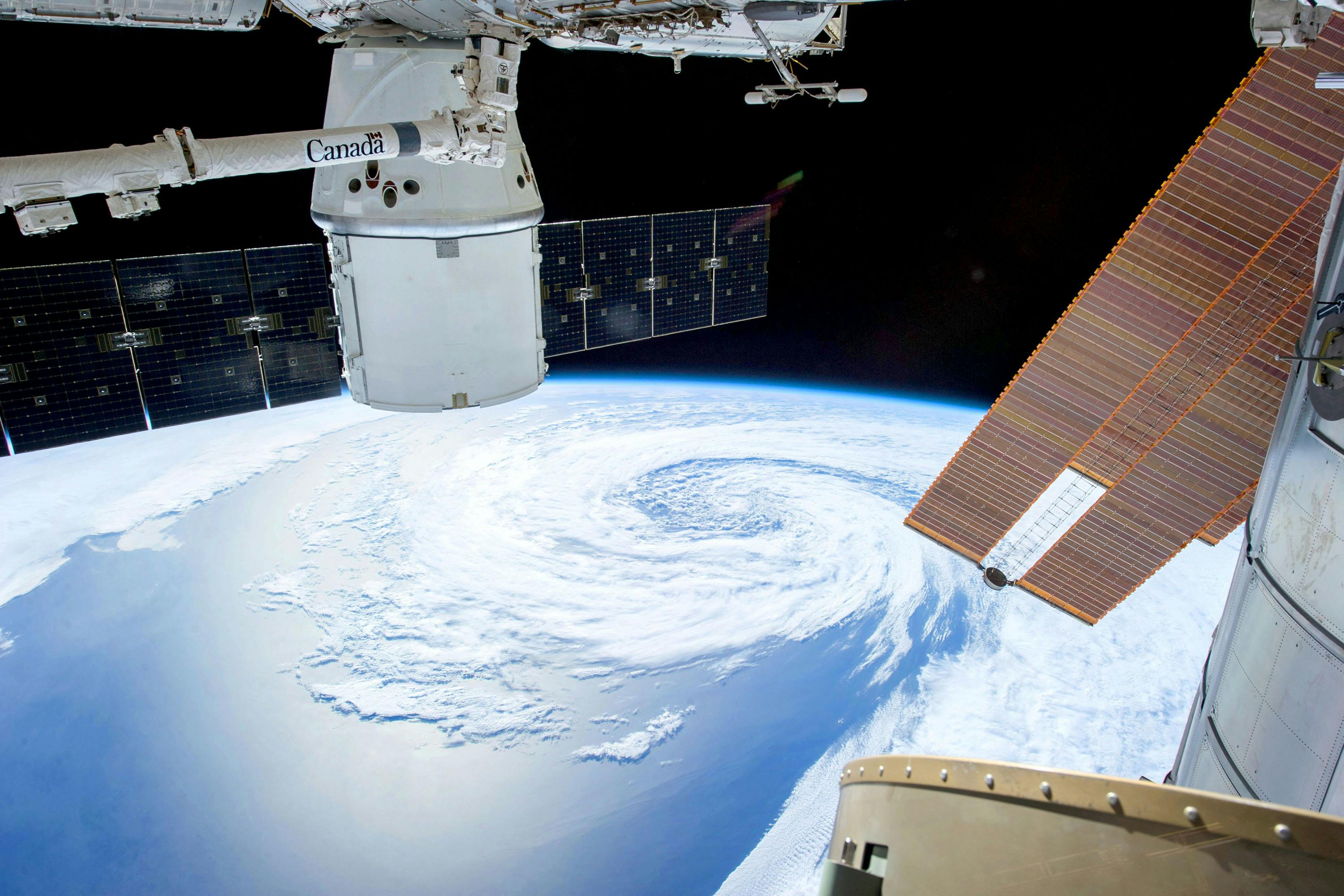
SpaceX successfully rotates Crew-9 and Crew-10 on the ISS and launches new Starlink satellites with direct-to-cell capability.