


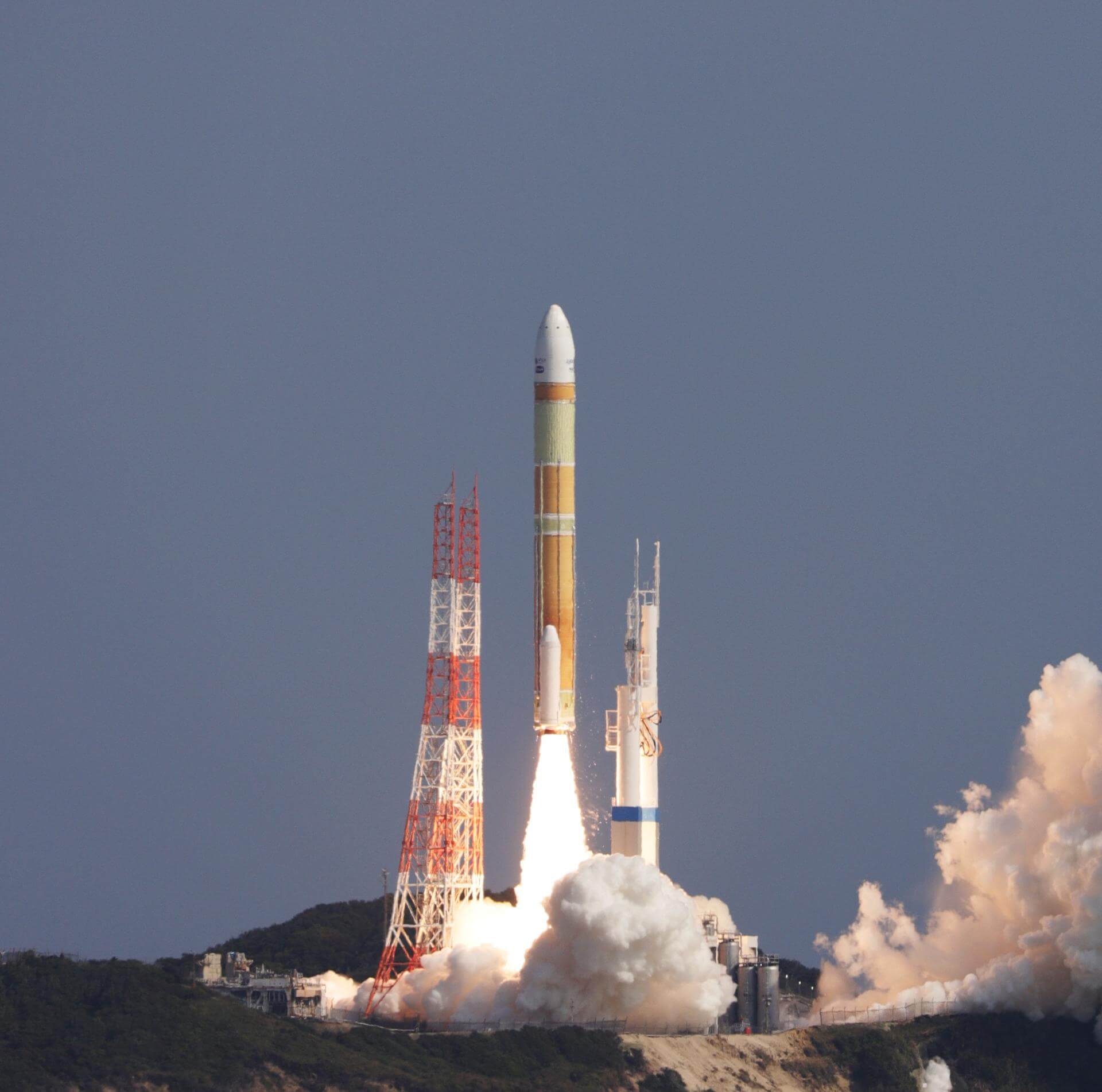
Space Brief 22 Jan 2025
Today's highlights include defense sector investments, major military contracts with Rocket Lab, and a glimpse at new American Innovation dollar coins featuring space achievements.



Launch Date
October 18, 2023
Launch Site
Launch Pad
LC40
Launch Vehicle
NORAD ID
58075
International Designator
2023-160A
Epoch
Sun, 19 Jul 2026 20:58:36 GMT
Apogee
Calculating...
Perigee
Calculating...
Inclination
43.00°
Right Ascension
51.22°
Eccentricity
Calculating...
Argument of Perigee
271.76°
Period
94.27 min
Mean Motion
15.28 rev/day
Latitude
Calculating...
Longitude
Calculating...
Altitude
Calculating...
Velocity
Calculating...
Name
STARLINK-30604
Alternative Name
Starlink 30604
Type
Status
Owner
SPXS
Country
United States
Constellation
N/A
Related Satellites
Major Events
N/A
1 58075U 23160A 26200.87403682 -.00000533 00000+0 -98660-5 0 9991
2 58075 43.0035 51.2240 0001105 271.7554 88.3171 15.27572975153168
Source: Celestrak
Length
0.3
Diameter
4.1
Span
29
Dry Mass
700
Launch Mass
730
Shape
Box + pan
Radar Cross Section
Unknown
Visual Magnitude
Unknown
Color
Unknown
Material Composition
Unknown
Payload
Starlink Group 6-23-01
Purpose
Communication
Mission
Communication
Manufacturer
SPXS
Life Expectancy
Unknown
Bus
Starlink V2M
Configuration
Starlink v2 Mini
Motor
Argon ion thrusters
Equipment
Ku/Ka/E-band payload, optical inter-satellite link
Power System
Solar arrays, batteries
ADCS
Unknown
Transmitter Frequency
Unknown
Learn more about satellites and other related topics.
Today's highlights include defense sector investments, major military contracts with Rocket Lab, and a glimpse at new American Innovation dollar coins featuring space achievements.
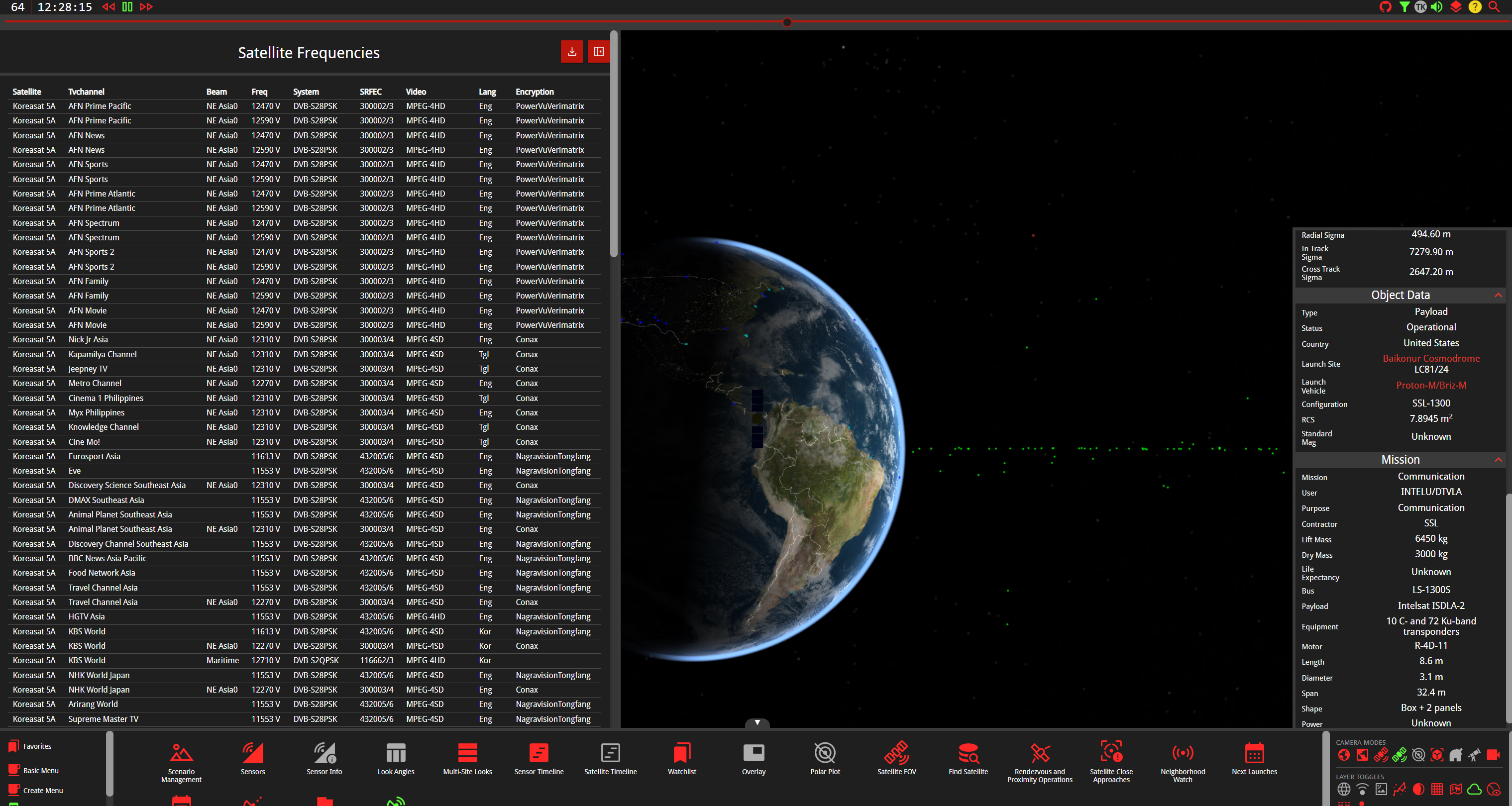
The workhorse frequency band that quietly powers satellite communications, weather radar, and Wi-Fi around the world
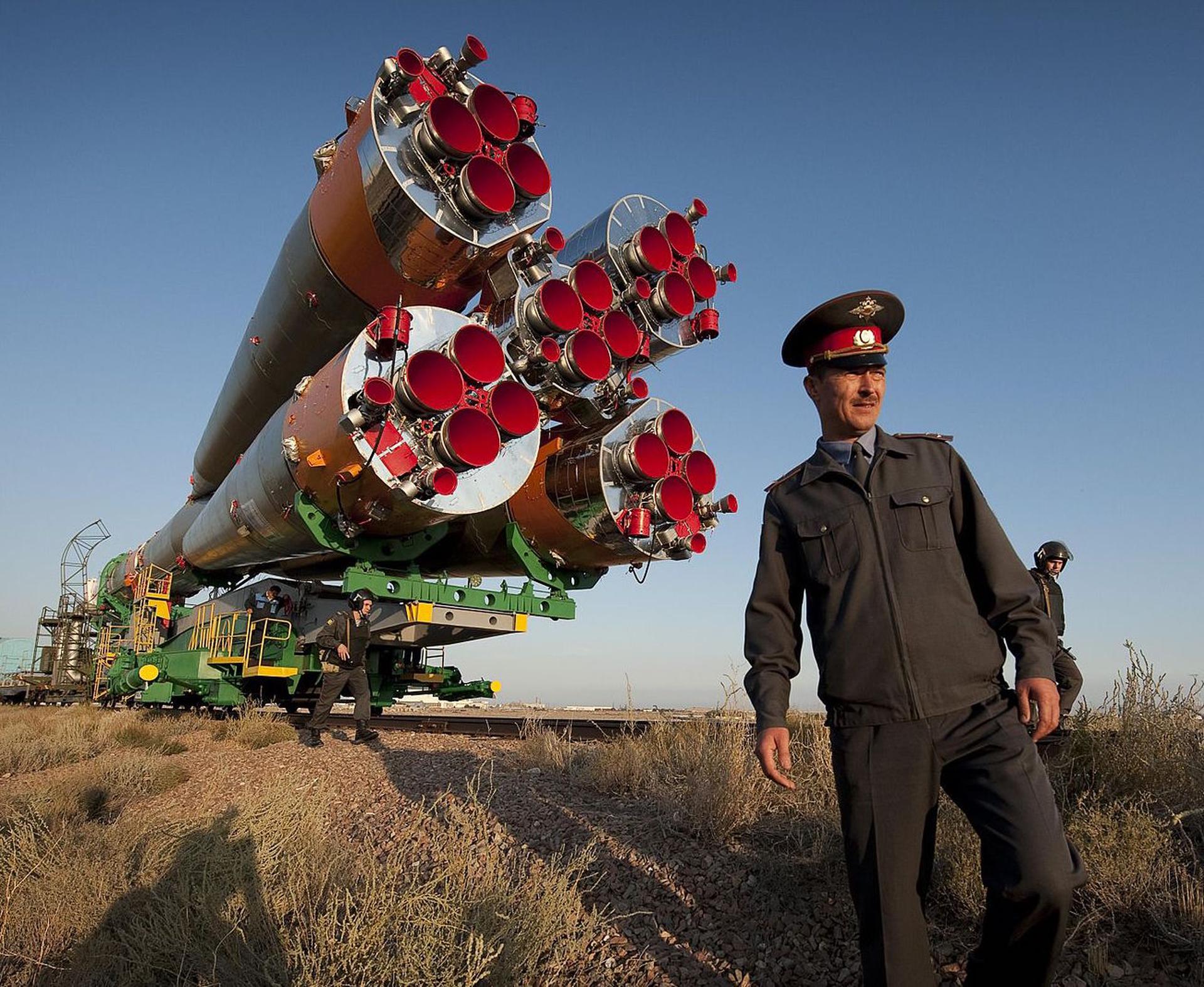
Today's Space Brief covers major upcoming launches from SpaceX, US military missile tests, and developments in Virgin Galactic's fleet expansion. Stay informed on key satellite events and launch updates.

ULA Vulcan faces scrutiny after solid booster anomaly on USSF-87 mission. ThinKom wins portable satellite ground station contract. Space Force starts Project Hecate for GPS past 2040.
Keck Foundation team proposes first-ever graviton detector concept. Space Force shelves Resilient GPS program. China advances Long March 12B reusable rocket with static fire test at Jiuquan.

Today's Space Brief highlights SpaceX's 99th operational launch, China's calibration satellite launch, and Space Force's role in a commercial space age. Special spotlight on the satellite YAOGAN 1!
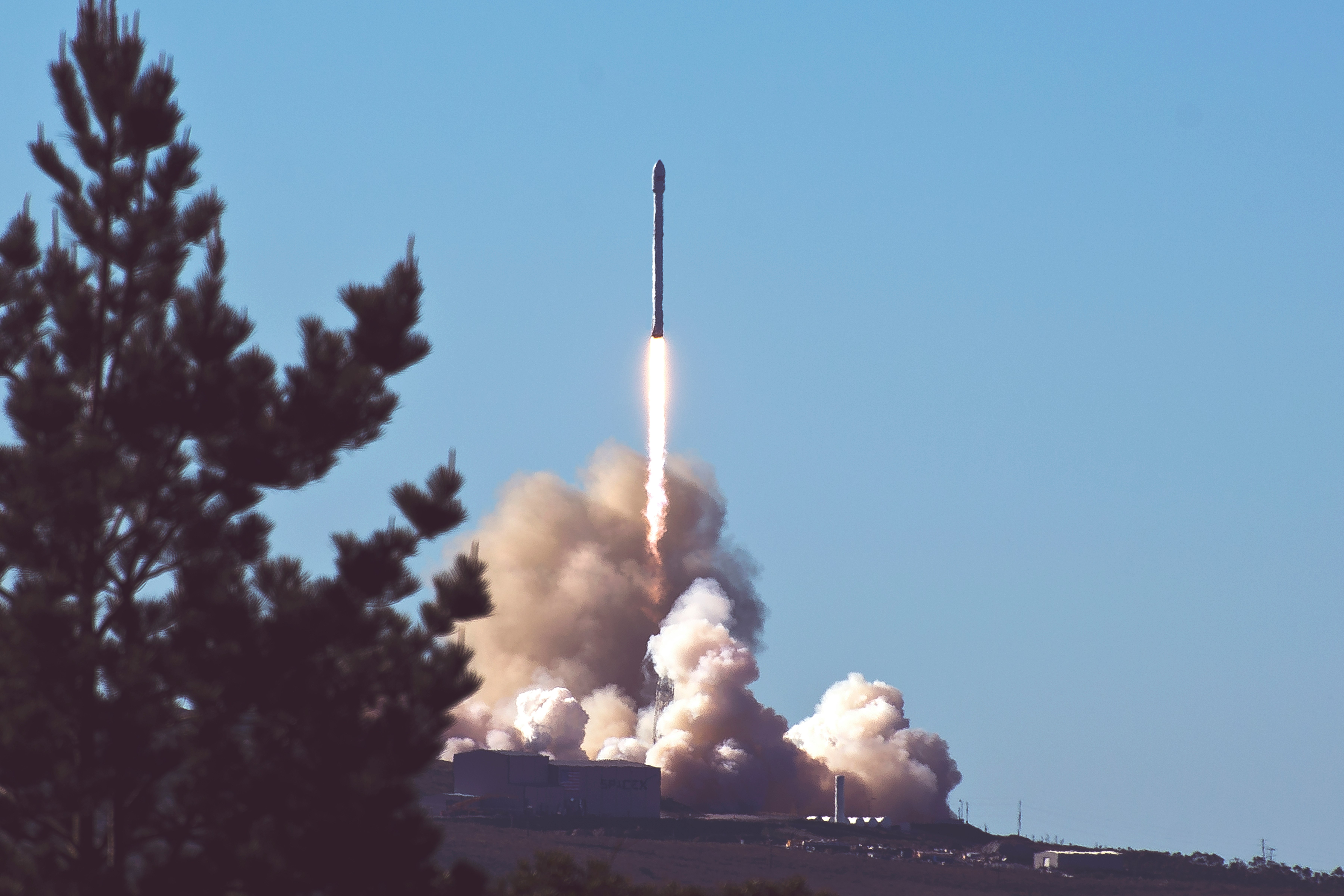
SpaceX successfully completes a critical test flight of its Starship vehicle while gearing up for another Starlink satellite launch, showcasing significant advancements in their launch capabilities.
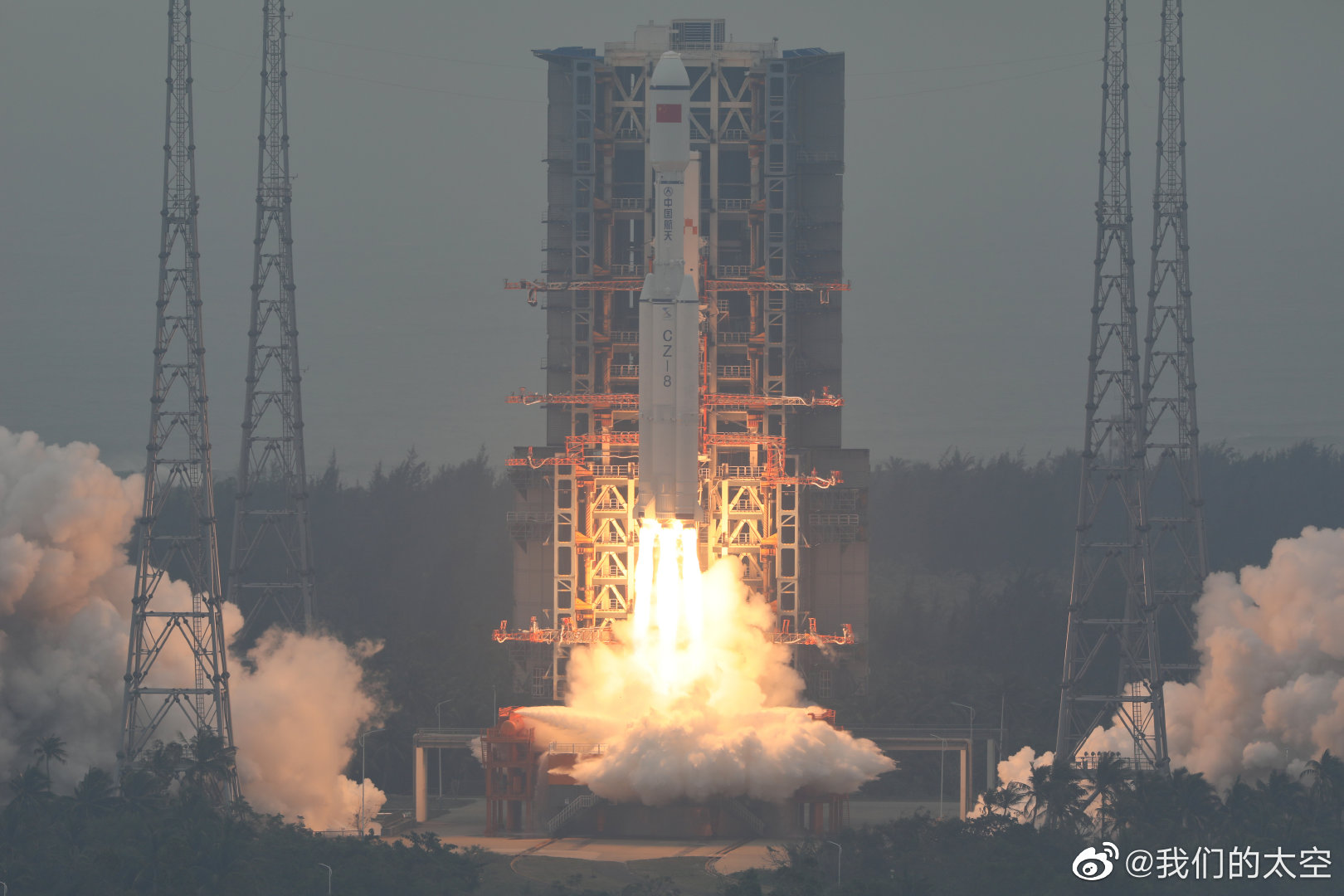
Artemis 2's four astronauts entered lunar sphere of influence April 6, first crewed arrival since Apollo 17. NASA simultaneously proposed 25% budget cut for FY2027.