


Space Brief 5 Mar 2025
Today's brief covers developments in US military space initiatives, advancements in missile technology, and notable military contractor activities.



Launch Date
October 13, 2023
Launch Site
Launch Pad
LC40
Launch Vehicle
NORAD ID
58072
International Designator
2023-158X
Epoch
Sun, 19 Jul 2026 20:54:55 GMT
Apogee
Calculating...
Perigee
Calculating...
Inclination
43.00°
Right Ascension
0.70°
Eccentricity
Calculating...
Argument of Perigee
259.94°
Period
94.27 min
Mean Motion
15.28 rev/day
Latitude
Calculating...
Longitude
Calculating...
Altitude
Calculating...
Velocity
Calculating...
Name
STARLINK-30506
Alternative Name
Starlink 30506
Type
Status
Owner
SPXS
Country
United States
Constellation
N/A
Related Satellites
Major Events
N/A
1 58072U 23158X 26200.87147068 .00000085 00000+0 12602-4 0 9999
2 58072 43.0007 0.7000 0000986 259.9366 100.1374 15.27575095153784
Source: Celestrak
Length
0.3
Diameter
4.1
Span
29
Dry Mass
700
Launch Mass
730
Shape
Box + pan
Radar Cross Section
Unknown
Visual Magnitude
Unknown
Color
Unknown
Material Composition
Unknown
Payload
Starlink Group 6-22-22
Purpose
Communication
Mission
Communication
Manufacturer
SPXS
Life Expectancy
Unknown
Bus
Starlink V2M
Configuration
Starlink v2 Mini
Motor
Argon ion thrusters
Equipment
Ku/Ka/E-band payload, optical inter-satellite link
Power System
Solar arrays, batteries
ADCS
Unknown
Transmitter Frequency
Unknown
Learn more about satellites and other related topics.
Today's brief covers developments in US military space initiatives, advancements in missile technology, and notable military contractor activities.

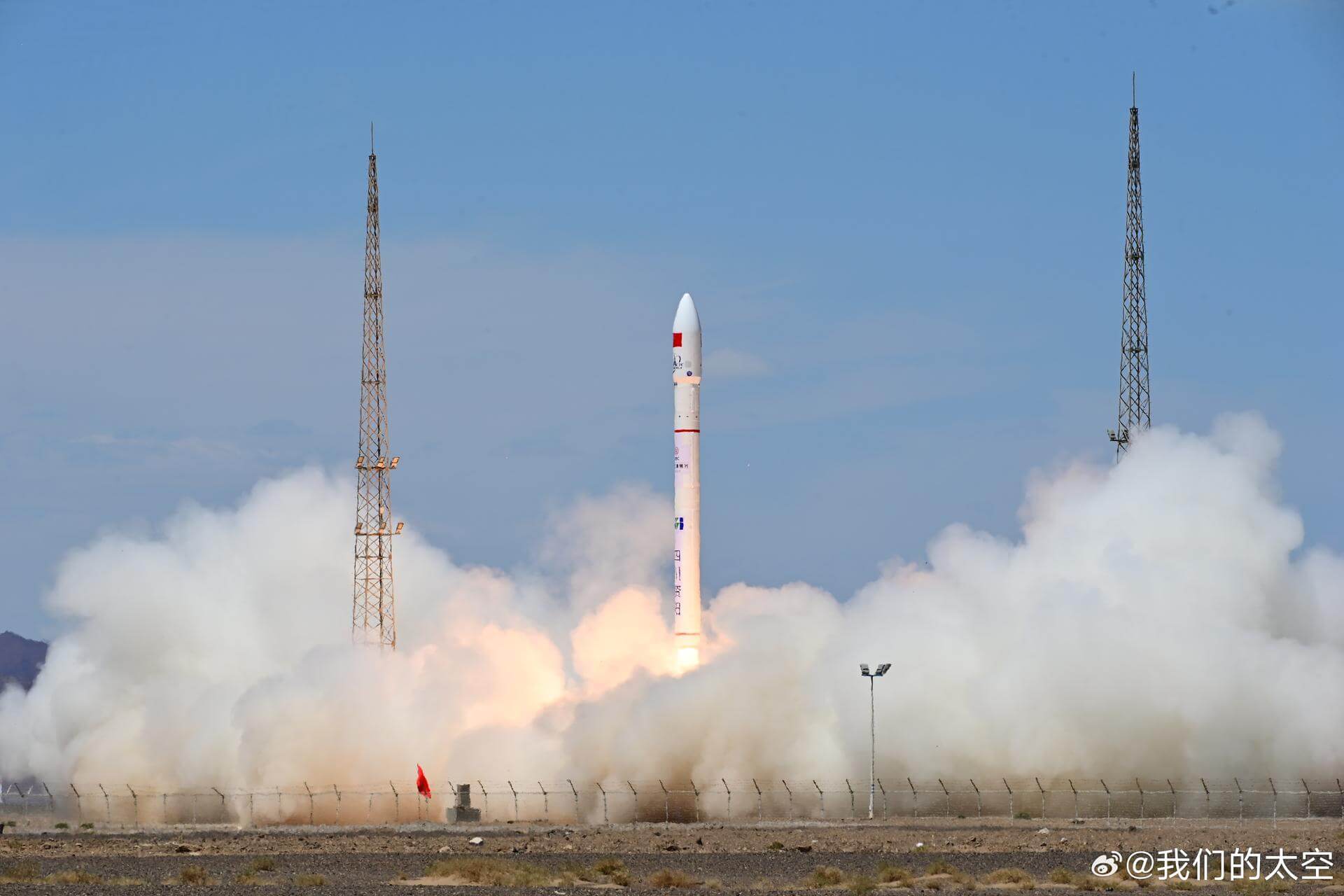
Today's briefing covers the Long March 12A's first launch, a major advance in space radio communication, and highlights from key military developments impacting space operations.
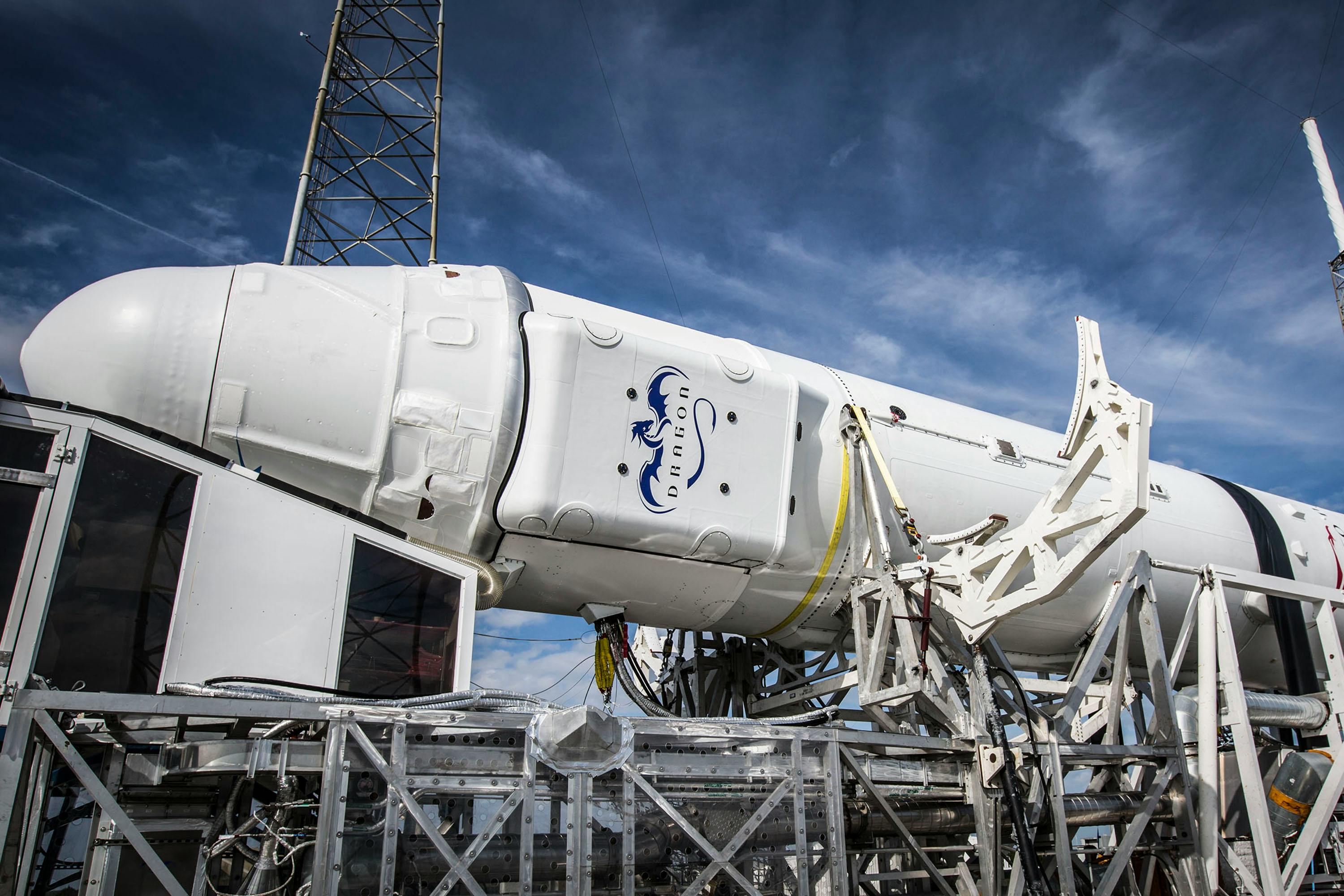
FAA documents expose SpaceX's Starfall reentry vehicle program, targeting in-space manufacturing support as the Starlink constellation holds 10,397 working satellites.
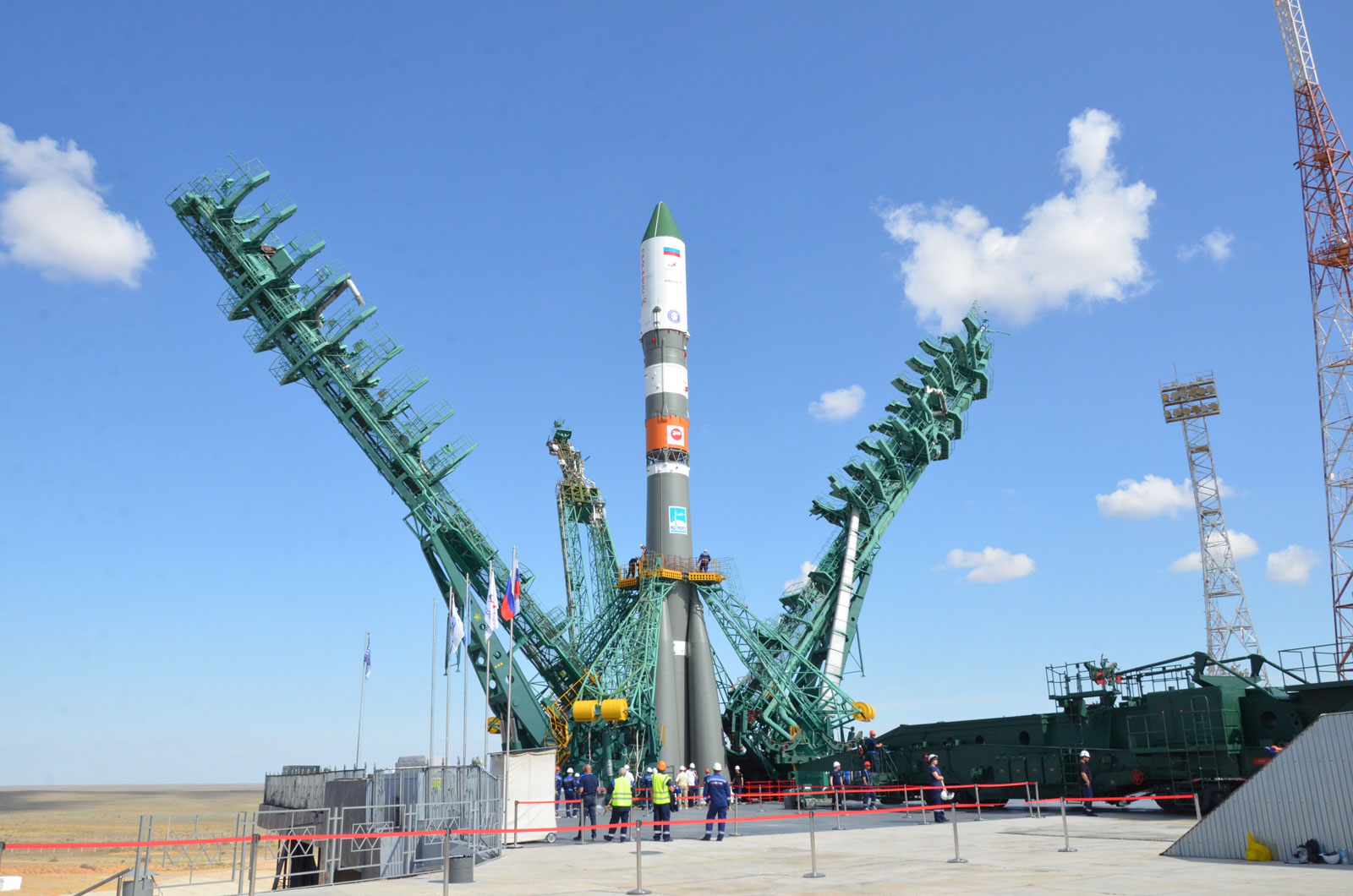
Today's highlights include the debut of a new Chinese rocket, a successful Starlink launch, and concerns about Artemis 3. We also cover DoD developments and a notable SpaceX milestone.
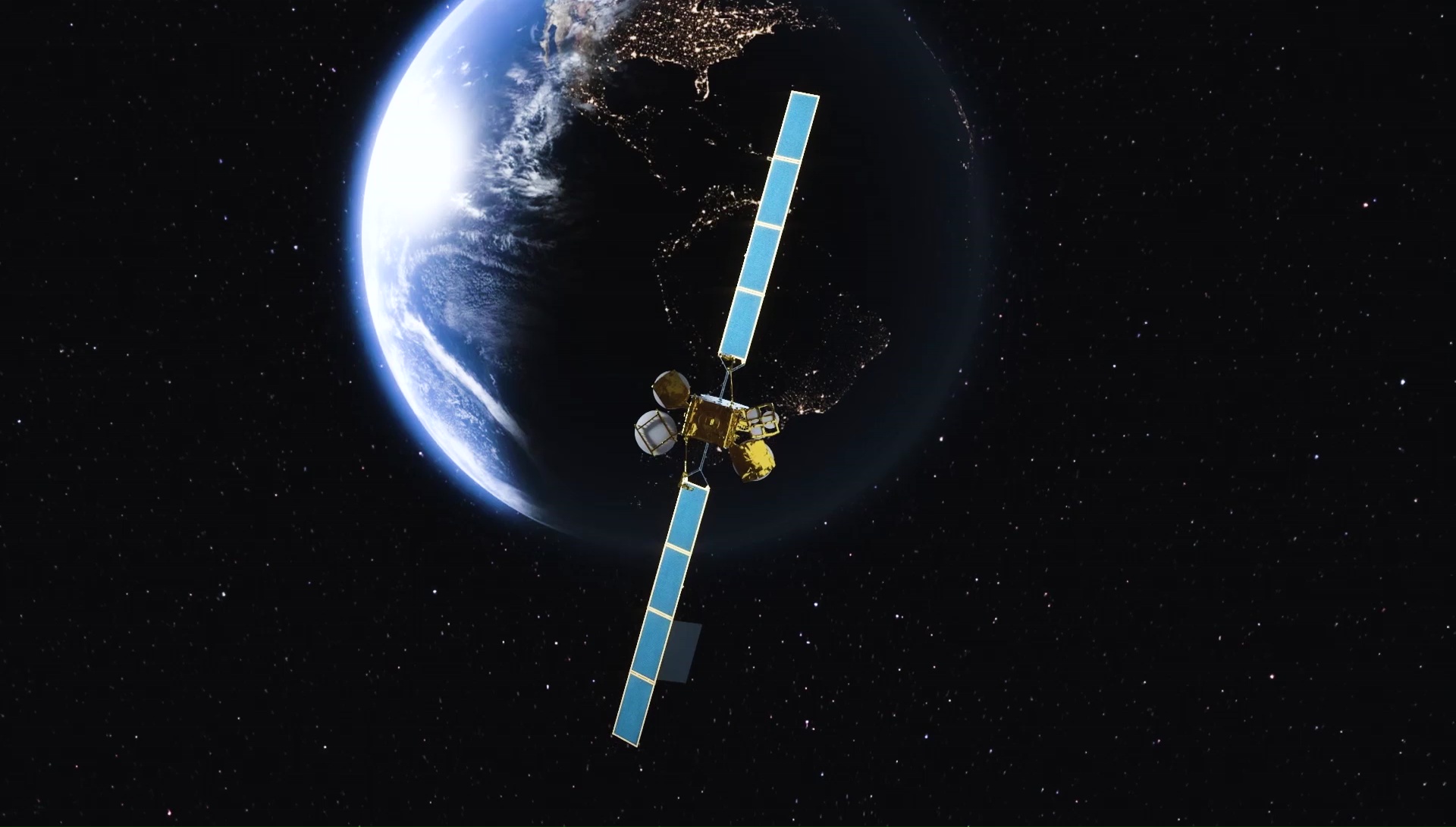
Europe's first high-power all-electric telecom satellite doesn't just sit above the Pacific - it got there on robotic arms and plasma thrusters, broke records doing it, and now keeps your airplane Wi-Fi running between LA and Tokyo.

ULA Vulcan Centaur launches USSF-87 with two GSSAP surveillance satellites to near-GEO orbit. NRO expands commercial imaging. Integrate raises $17M for classified platform.
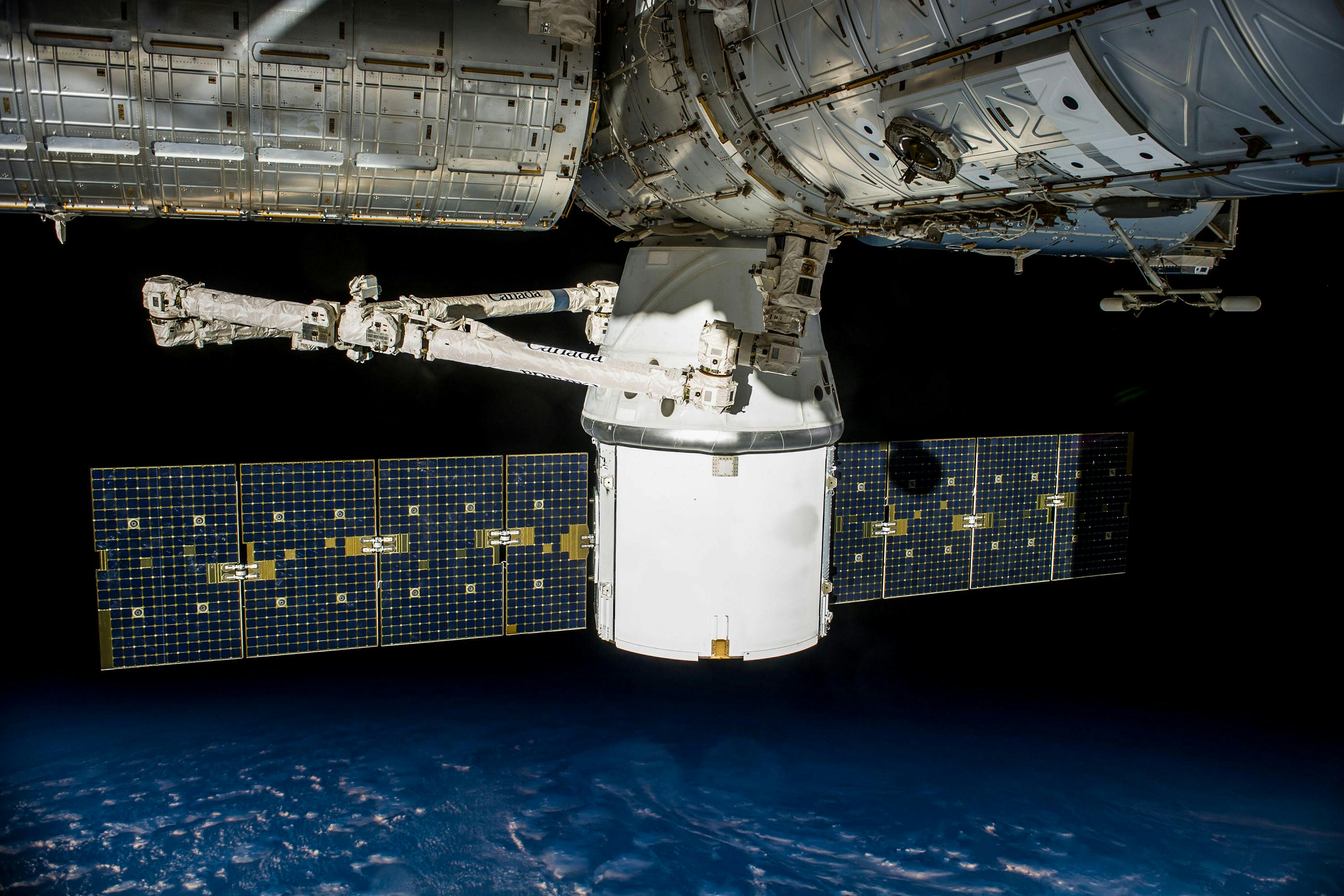
NASA considers opening the Artemis 3 lander to new bids as delays surface, while SpaceX gears up for multiple Falcon 9 launches this week and secures a redevelopment nod for SLC-6.
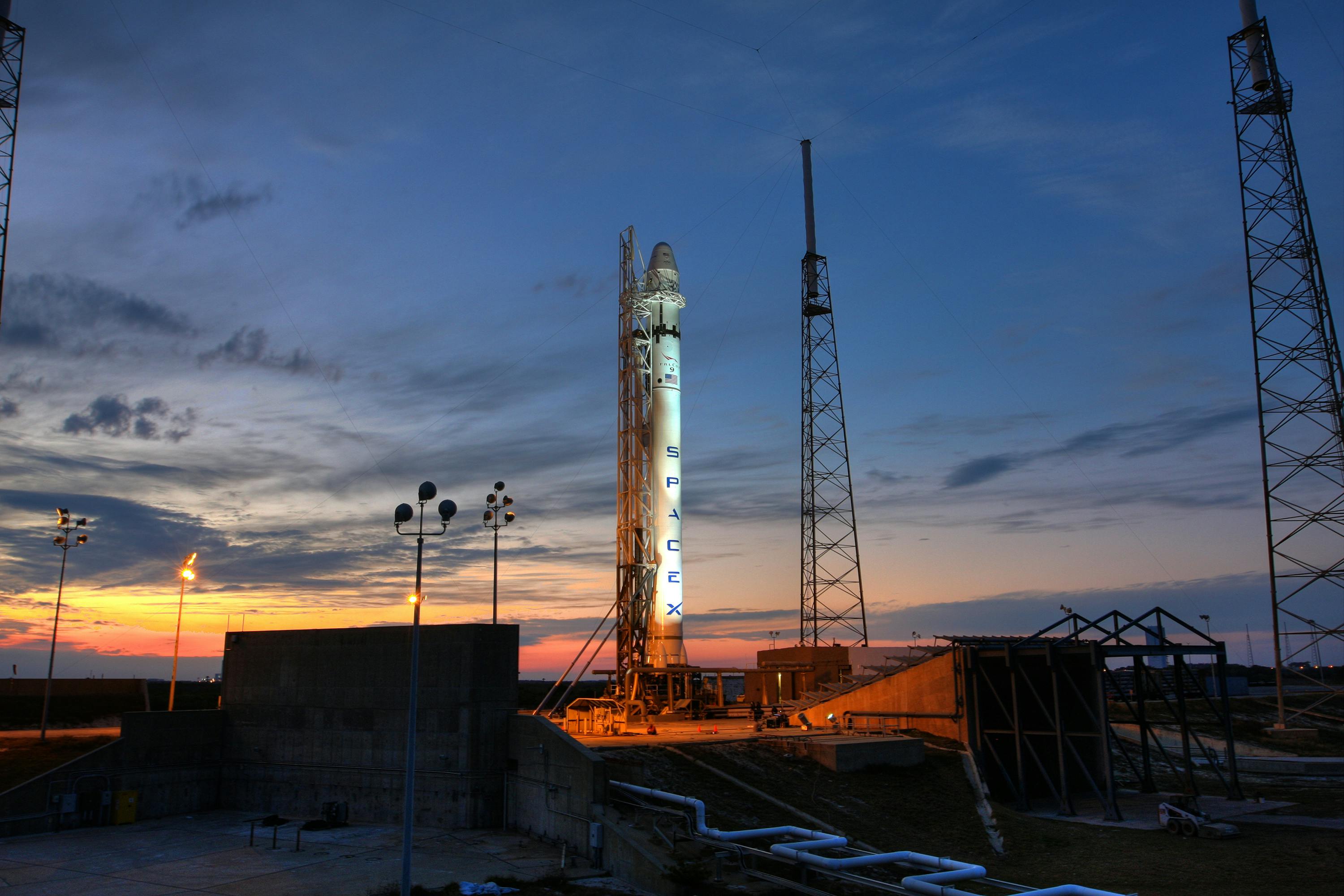
SpaceX launches 29 Starlink satellites in first deployment since recent satellite issues. Falcon 9 also delivers Italy's COSMO-SkyMed CSG-FM3 from Vandenberg. Starship plans solidified for 2026.