


Esrange Spaceport
Europe's bid to break free from the US launch monopoly. How Sweden's Esrange Space Center is transforming access to space, enabling orbital launches, and strengthening strategic independence for the continent.



NORAD ID
58048
International Designator
2023-156W
Epoch
Sun, 19 Jul 2026 11:40:57 GMT
Apogee
Calculating...
Perigee
Calculating...
Inclination
53.16°
Right Ascension
275.85°
Eccentricity
Calculating...
Argument of Perigee
1.02°
Period
94.11 min
Mean Motion
15.30 rev/day
Latitude
Calculating...
Longitude
Calculating...
Altitude
Calculating...
Velocity
Calculating...
Name
STARLINK-30554
Alternative Name
Starlink 30554
Type
Status
Owner
SPXS
Country
United States
Constellation
N/A
Related Satellites
Major Events
N/A
1 58048U 23156W 26200.48677755 -.00003730 00000+0 -11392-3 0 9994
2 58048 53.1585 275.8544 0000425 1.0181 359.0821 15.30187431155160
Source: Celestrak
Length
0.3
Diameter
4.1
Span
29
Dry Mass
700
Launch Mass
730
Shape
Box + pan
Radar Cross Section
Unknown
Visual Magnitude
Unknown
Color
Unknown
Material Composition
Unknown
Payload
Starlink Group 7-4-21
Purpose
Communication
Mission
Communication
Manufacturer
SPXS
Life Expectancy
Unknown
Bus
Starlink V2M
Configuration
Starlink v2 Mini
Motor
Argon ion thrusters
Equipment
Ku/Ka/E-band payload, optical inter-satellite link
Power System
Solar arrays, batteries
ADCS
Unknown
Transmitter Frequency
Unknown
Learn more about satellites and other related topics.
Europe's bid to break free from the US launch monopoly. How Sweden's Esrange Space Center is transforming access to space, enabling orbital launches, and strengthening strategic independence for the continent.

Today's brief highlights the maiden flight of Blue Origin's Blue Ring spacecraft with a new AI-driven space sensor, debates on asteroid defense responsibilities, and updates on the U.S. Space Force's missile shield leadership.

The Kessler Syndrome threatens humanity's future in space as cascading satellite collisions create exponential debris growth. With 36,000+ tracked objects and recent incidents accelerating risks, we face a critical juncture: implement solutions now or potentially lose access to low Earth orbit forever.

Three Chinese rocket bodies have exploded over four years, creating debris clouds that will linger for decades to centuries, according to LeoLabs analysis. Fragmentation events threaten commercial and military operators.
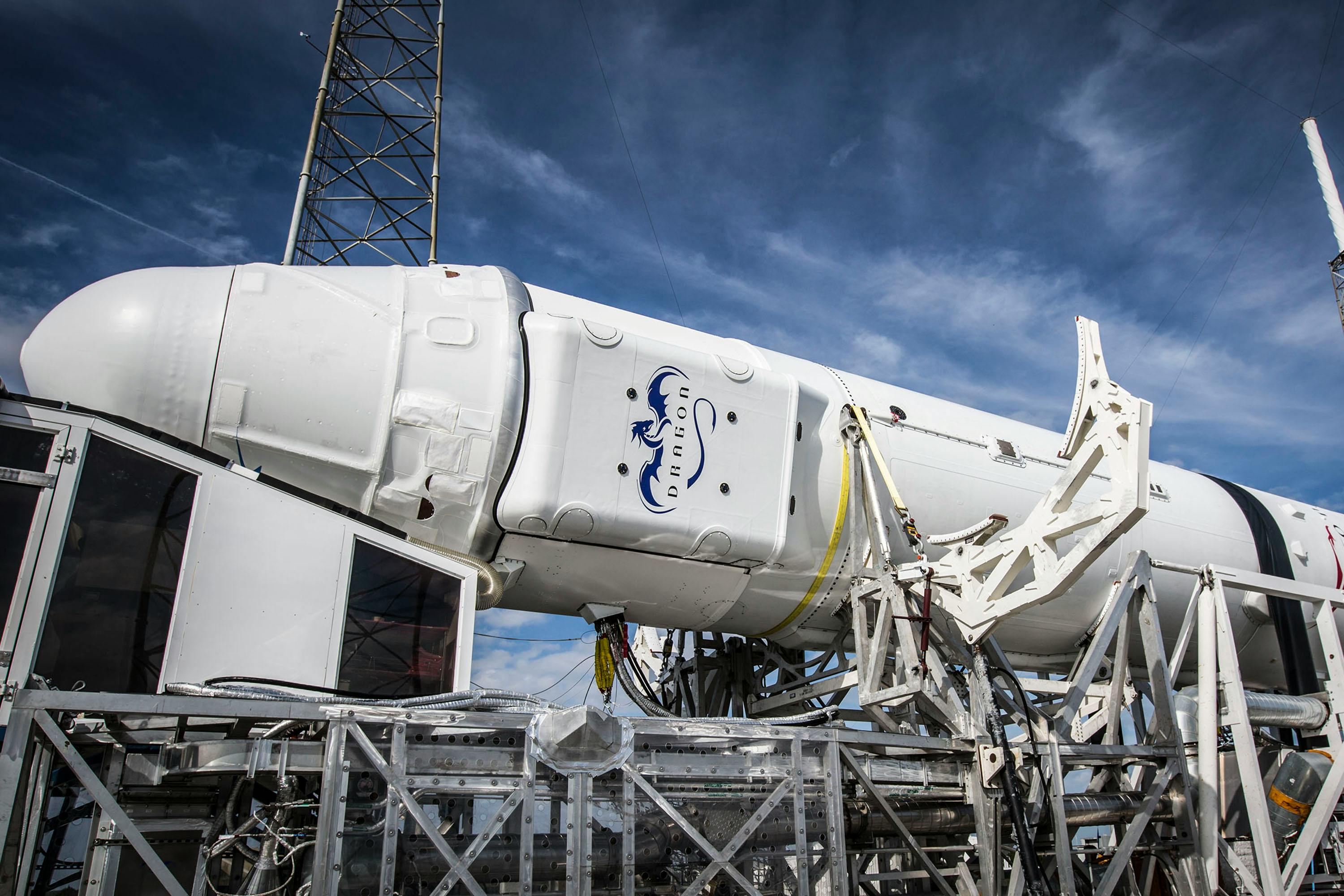
SpaceX successfully launches 21 Starlink satellites, nearing milestone of 7,000 in orbit. Boeing and Airbus consider divesting from space, impacting industry dynamics.
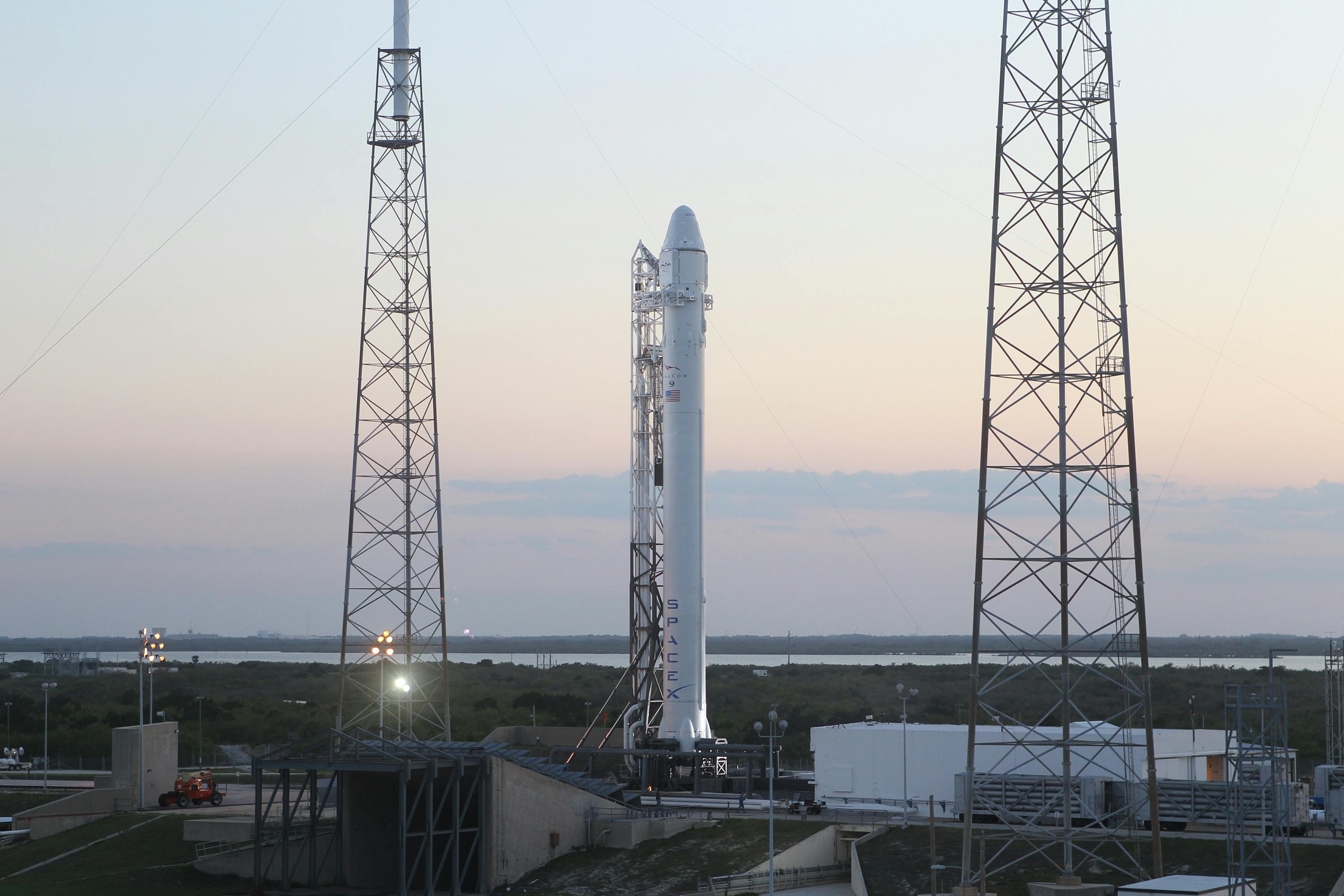
SpaceX made headlines with back-to-back Falcon 9 launches from Florida, successfully deploying 29 additional Starlink satellites, further enhancing its extensive broadband network.
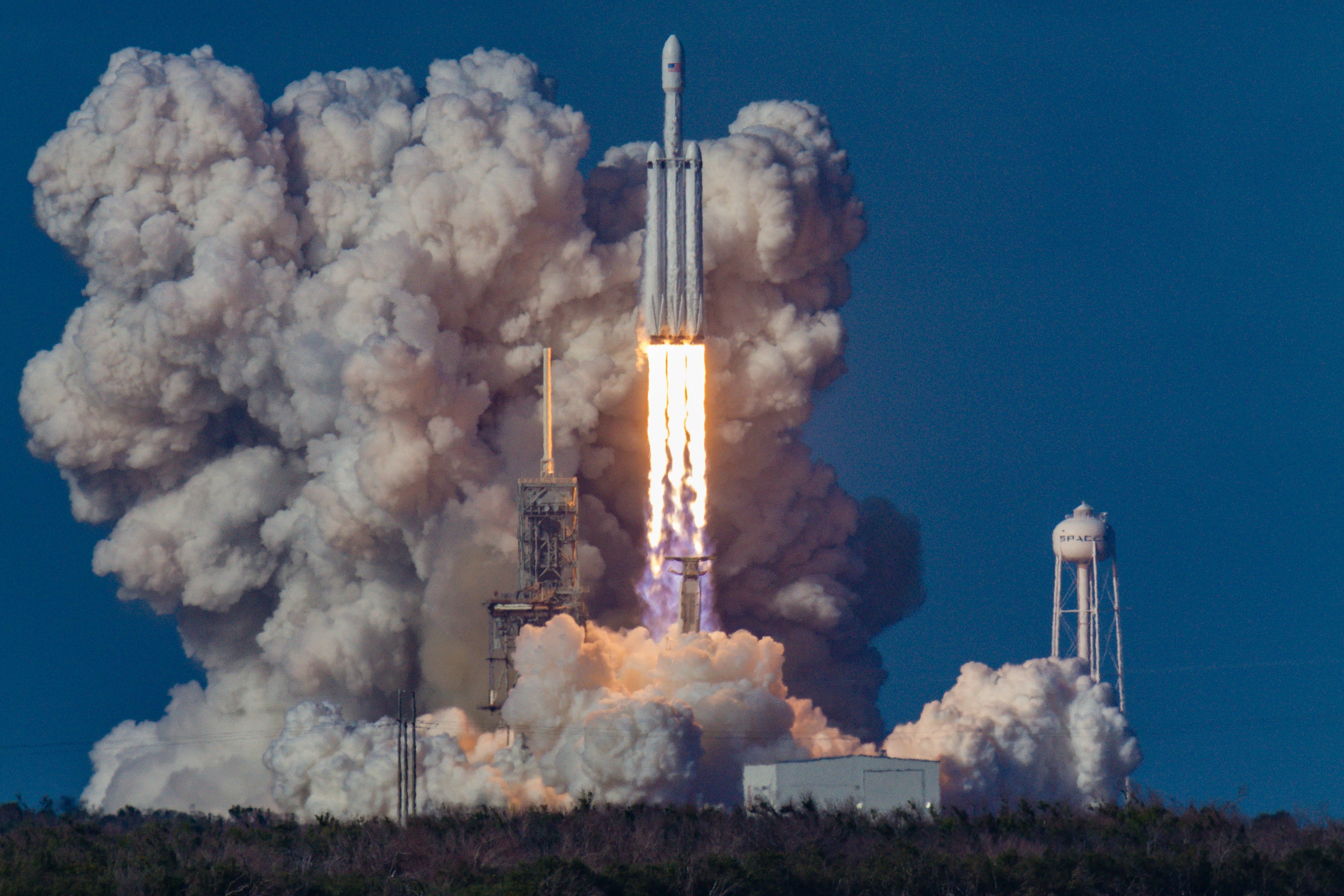
Falcon Heavy completed its 12th flight ever on April 29, ending an 18-month stand-down by lofting the 6-ton ViaSat-3 F3 comsat to GTO.
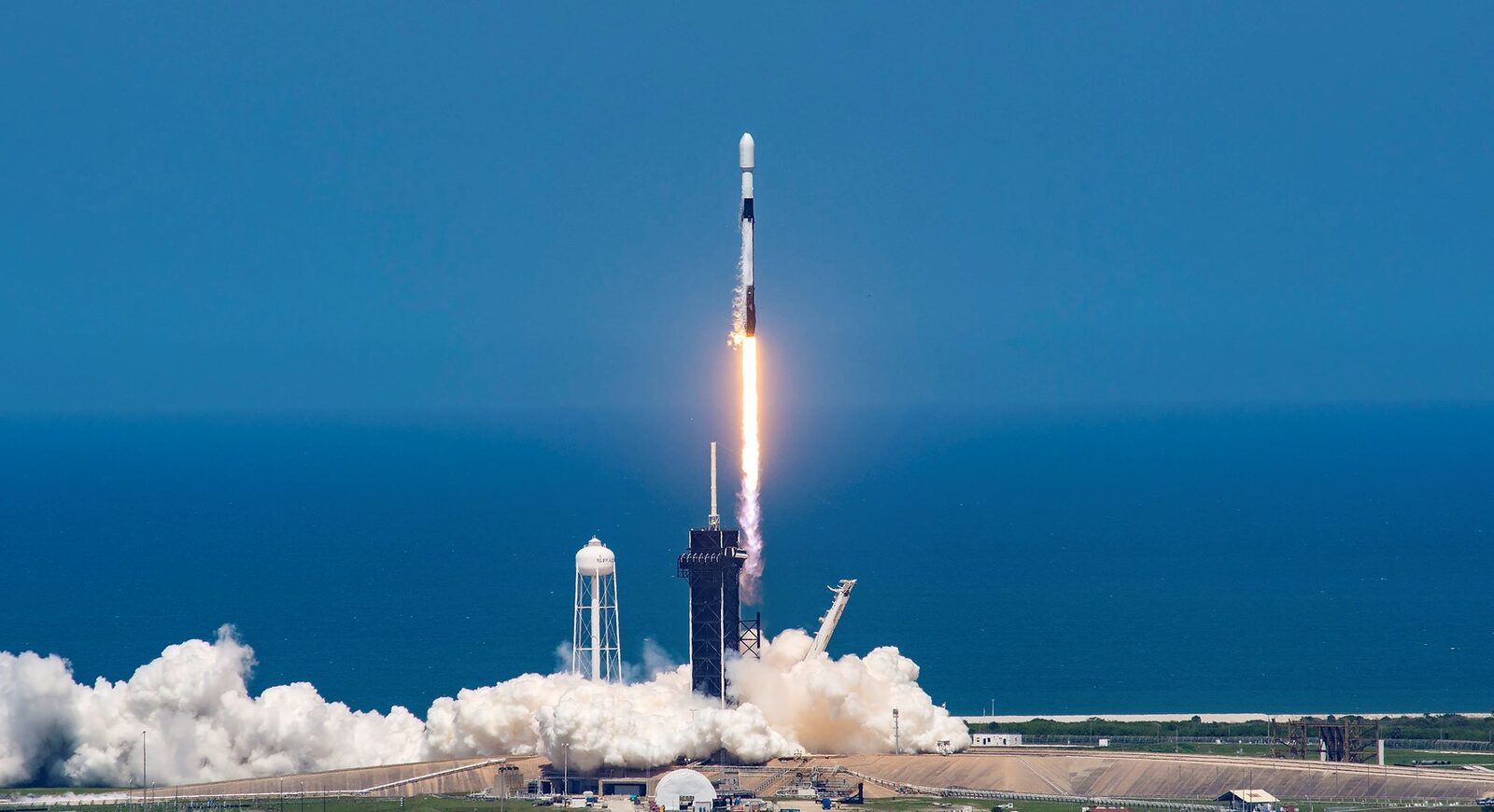
This week: China's Long March 10B debuted successfully, SpaceX merged with xAI, and Starlink topped 10,775 satellites in orbit.