STARLINK-30437 (58036)

COSPAR: 2023-156J | Alt Name: Starlink 30437

Image
STARLINK-30437 Satellite Image
Additional Sources
Launch Details

Launch Date

October 9, 2023

Launch Site

AFWTR

Launch Pad

SLC4E

Launch Vehicle

Falcon 9

Orbital Elements

NORAD ID

58036

International Designator

2023-156J

Epoch

Sun, 19 Jul 2026 15:50:08 GMT

Apogee

Calculating...

Perigee

Calculating...

Inclination

53.16°

Right Ascension

185.21°

Eccentricity

Calculating...

Argument of Perigee

83.84°

Period

94.11 min

Mean Motion

15.30 rev/day

Latitude

Calculating...

Longitude

Calculating...

Altitude

Calculating...

Velocity

Calculating...

Polar Plot
3D Visualization
Basic Satellite Info

Name

STARLINK-30437

Alternative Name

Starlink 30437

Type

Payload

Status

Operational

Owner

SPXS

Country

United States

Constellation

N/A

Related Satellites

Major Events

N/A

Latest TLEs
1 58036U 23156J   26200.65981845 -.00000021  00000+0  11405-4 0  9993
2 58036  53.1593 185.2064 0001189  83.8364 276.2773 15.30192095156479

Source: Celestrak

Summary
STARLINK-30437, also known as Starlink 30437, is a communication satellite launched on October 9, 2023, from the Vandenberg Space Force Test Range (AFWTR) using Falcon 9 as the launch vehicle. It belongs to the Starlink v2 Mini configuration and features a Bus type of Starlink V2M. The spacecraft has dimensions of 0.3 meters in length, 4.1 meters in diameter, and spans up to 29 meters when fully deployed. It weighs 730 kilograms at launch with a dry mass of 700 kilograms. Equipped with Ku/Ka/E-band payload, optical inter-satellite link, and Argon ion thrusters for propulsion, it also has solar arrays and batteries for power generation. The satellite was manufactured by SpaceX (SPXS) and is owned by the same entity.

Starlink is a satellite constellation developed by SpaceX with the aim of providing global broadband internet coverage. Thousands of small satellites are deployed in low Earth orbit (LEO), enabling high-speed internet access even in remote areas. However, the rapid increase in satellites raises concerns about space debris and the potential for collisions, which can lead to further debris creation and endanger other spacecraft. Additionally, the sheer number of Starlink satellites can affect astronomical observations by increasing light pollution. Proper deorbiting plans and international coordination are essential to mitigate these challenges and ensure long-term sustainability in space.
Physical Characteristics

Length

0.3

Diameter

4.1

Span

29

Dry Mass

700

Launch Mass

730

Shape

Box + pan

Radar Cross Section

Unknown

Visual Magnitude

Unknown

Color

Unknown

Material Composition

Unknown

Technical Details

Payload

Starlink Group 7-4-09

Purpose

Communication

Mission

Communication

Manufacturer

SPXS

Life Expectancy

Unknown

Bus

Starlink V2M

Configuration

Starlink v2 Mini

Motor

Argon ion thrusters

Equipment

Ku/Ka/E-band payload, optical inter-satellite link

Power System

Solar arrays, batteries

ADCS

Unknown

Transmitter Frequency

Unknown

Map
This tool will help you track the satellite's position and predict its upcoming passes over your location. Simply input the coordinates or click the geolocation button to get started.
Next Pass
Azimuth Elevation Time (Local)
Start Azimuth
Max Elevation
Stop Azimuth
Time Until
Pass Duration

Satellite Articles

View All Posts »

Learn more about satellites and other related topics.

The Looming Crisis of Orbital Debris

The Looming Crisis of Orbital Debris

As humanity increasingly relies on satellites, the escalating space junk problem poses a dire threat to our space-based infrastructure. With debris counts reaching alarming levels, urgent action is needed to prevent a cascade of collisions that could make key orbits unusable.
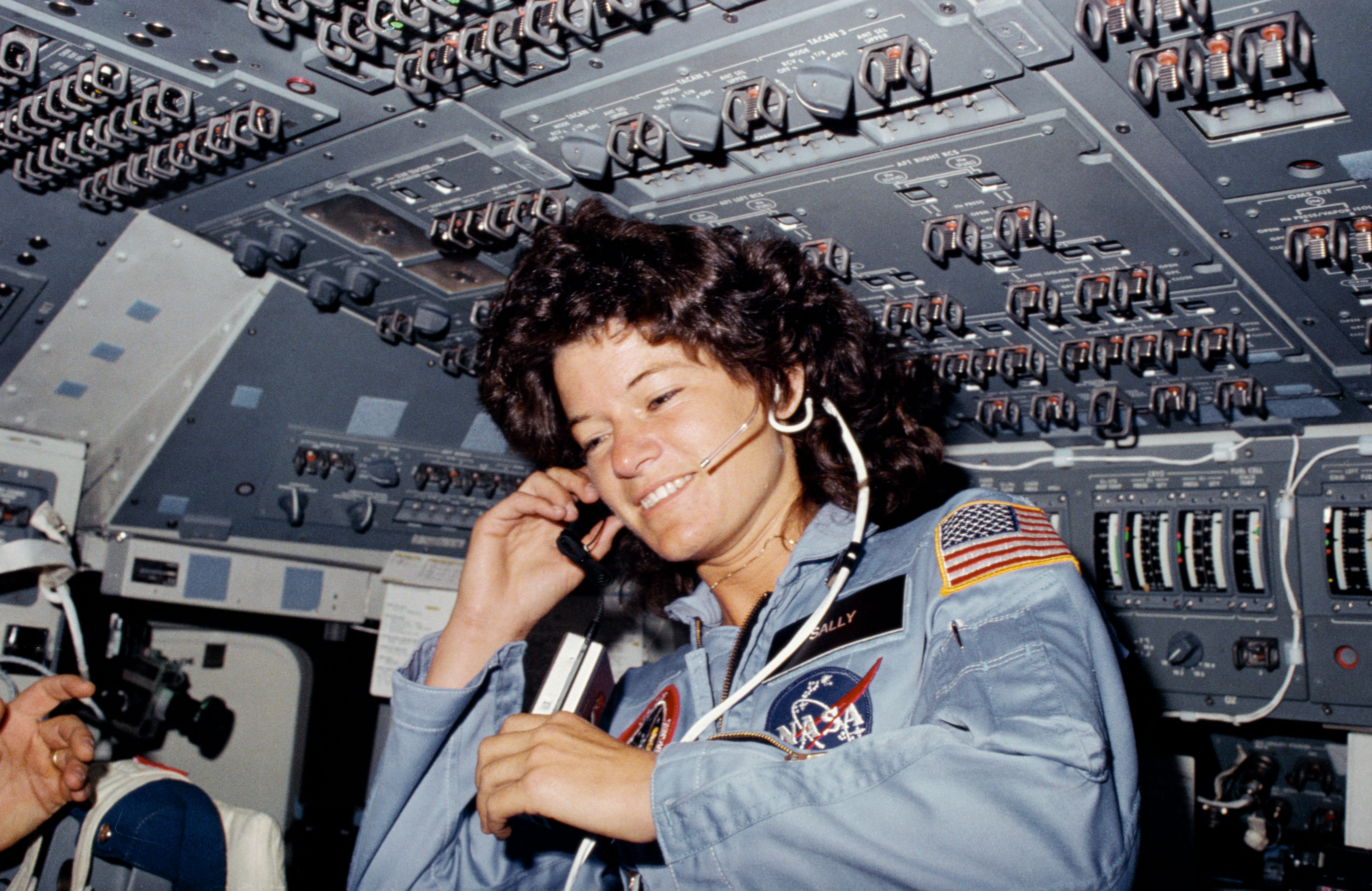
Sally Ride and the Twenty Years It Took America to Catch Up

Sally Ride and the Twenty Years It Took America to Catch Up

At 7:33 on the morning of 18 June 1983, a 32-year-old astrophysicist named Sally Ride rode Challenger off Pad 39A and became the first American woman in space. She got there two decades after the Soviets, and only after months of being asked whether spaceflight would damage her reproductive organs and whether she planned to cry.

Space Force Forecasts 25 Extra Heavy-Lift Missions Through 2029 | KeepTrack Space Brief

Space Force Forecasts 25 Extra Heavy-Lift Missions Through 2029 | KeepTrack Space Brief

Space Force projects 25 additional high-energy missions in 2027–2029 window, straining capacity at Vulcan and Falcon Heavy. Capacity constraints will drive military-NASA prioritization debates.

Blue Origin's New Glenn Gantry Damaged; SpaceX Wins $4.16B Space Force Contract | KeepTrack Space Brief

Blue Origin's New Glenn Gantry Damaged; SpaceX Wins $4.16B Space Force Contract | KeepTrack Space Brief

Blue Origin's LC-36 gantry damaged in blast; CEO targets end-2026 return. SpaceX awarded $4.16B Space Force contract for airborne threat tracking satellites.

Space Brief 22 Aug 2025

Space Brief 22 Aug 2025

SpaceX's X-37B spaceplane launch, featuring advanced tech, highlights today’s space events. The launch of the first reprogrammable navigation satellite by the US Space Force is another significant milestone.

DAF Space Restructure Announced Within Days, PAE Leaders Named | KeepTrack Space Brief

DAF Space Restructure Announced Within Days, PAE Leaders Named | KeepTrack Space Brief

Department of Air Force announces finalized Program Acquisition Executive structure within days, reshaping oversight of GPS, SBIRS, and Protected Tactical Satcom systems.

The Day Humanity First Used a Planet to Navigate the Solar System

The Day Humanity First Used a Planet to Navigate the Solar System

Fifty-one years ago, Mariner 10 revolutionized space exploration by executing the first-ever planetary gravity assist at Venus, pioneering a technique that would transform how we explore the solar system

X Report 4 Aug 2025

X Report 4 Aug 2025

SpaceX achieves significant milestones with the launch of 28 Starlink satellites and the final landing of the LZ-1 pad, marking key moments in their ongoing mission to expand satellite connectivity.