


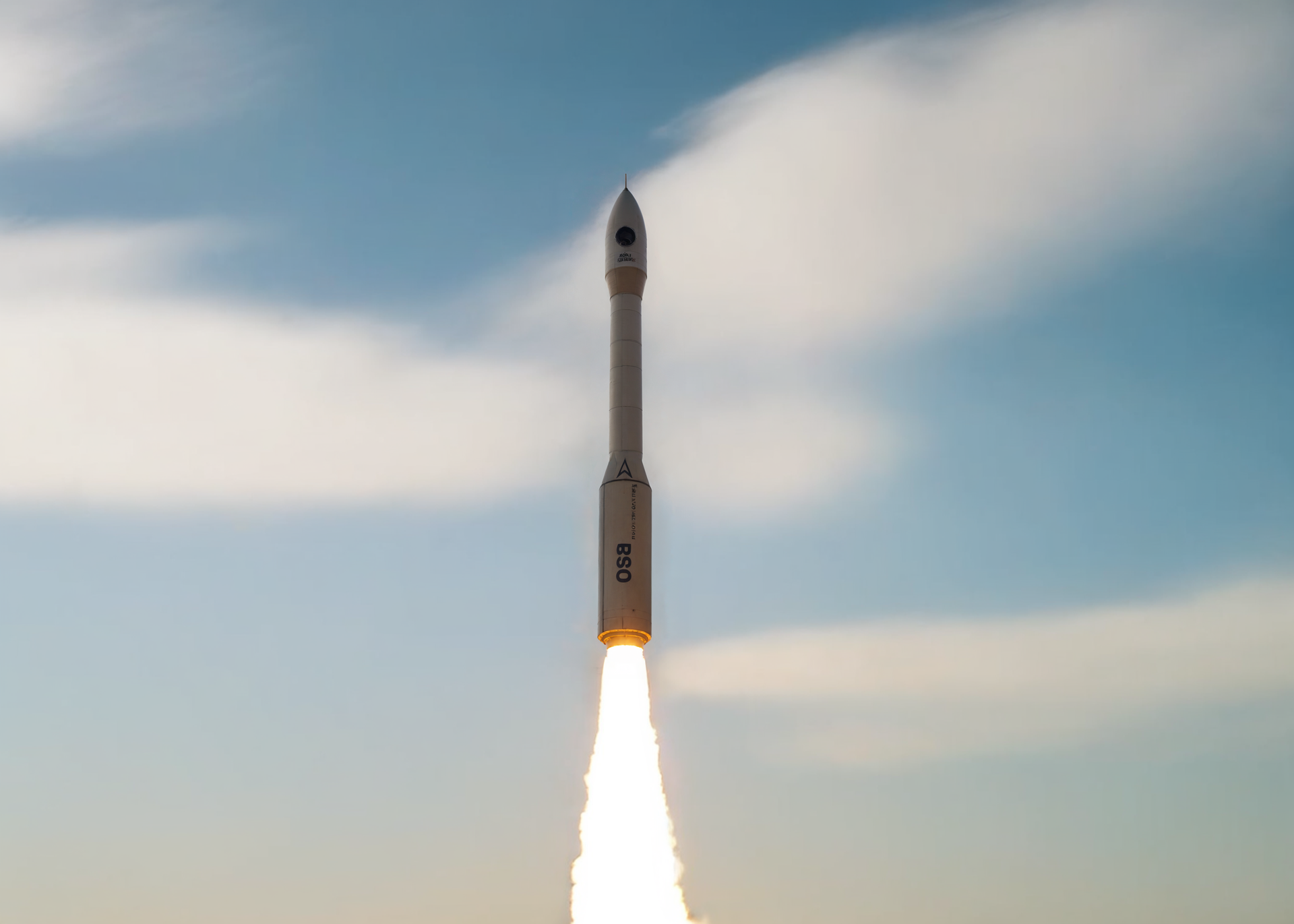
Space Brief 5 Sep 2024
Today we cover the final launch of Vega's original version, a significant milestone for SpaceX with the U.S. military, preparations for NASA's Starliner return, and more.


Launch Date
October 4, 1960
Launch Site
Launch Pad
LC-17B
Launch Vehicle
Thor-Able-Star
NORAD ID
00058
International Designator
1960-013A
Epoch
Sat, 04 Jul 2026 00:25:00 GMT
Apogee
Calculating...
Perigee
Calculating...
Inclination
28.33°
Right Ascension
54.33°
Eccentricity
Calculating...
Argument of Perigee
347.14°
Period
106.95 min
Mean Motion
13.46 rev/day
Latitude
Calculating...
Longitude
Calculating...
Altitude
Calculating...
Velocity
Calculating...
Name
Courier 1B
Alternative Name
Courier 1B
Type
Status
Owner
US Army / ARPA
Country
United States
Constellation
N/A
Related Satellites
Major Events
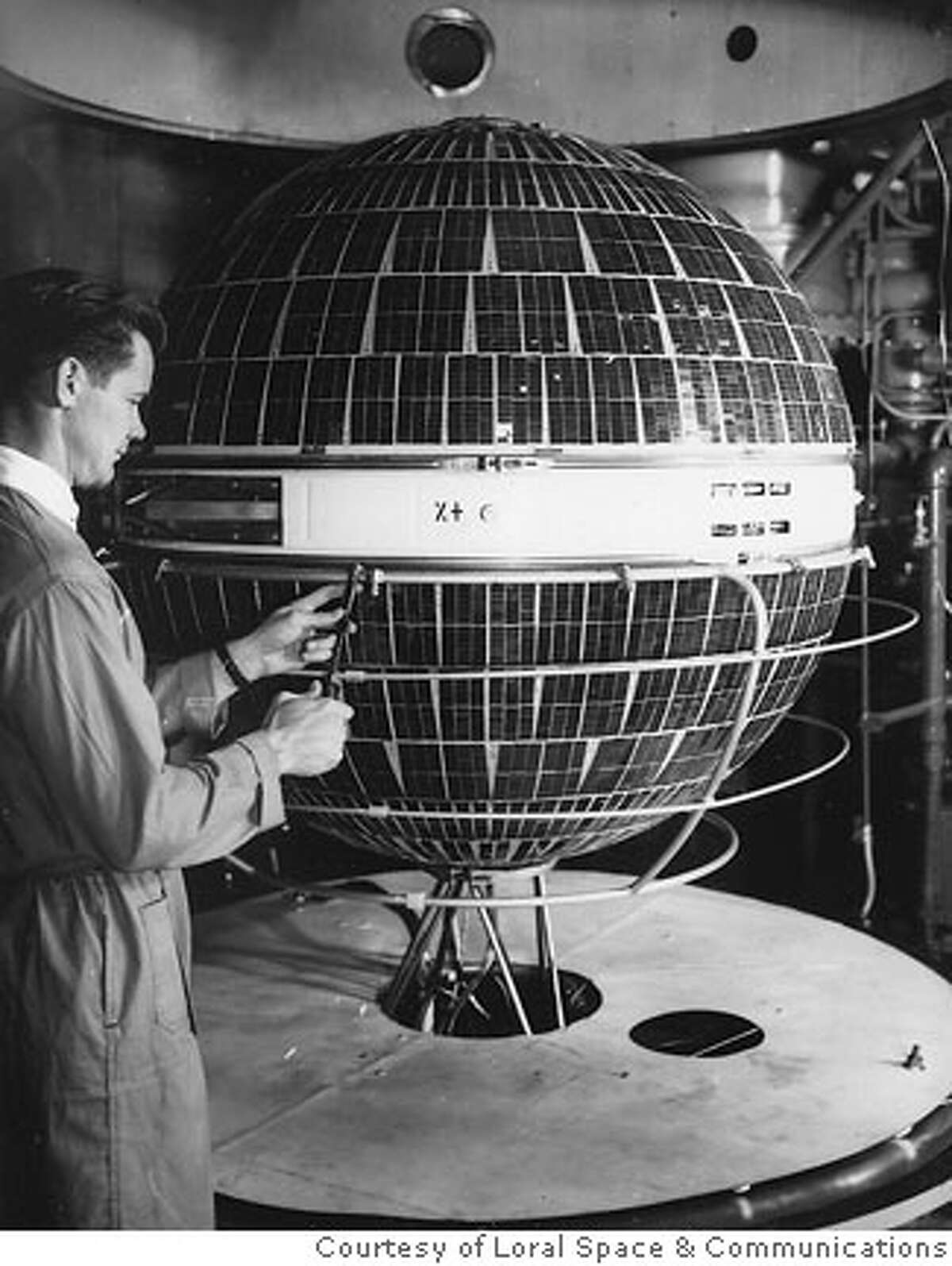
Courier 1B was successfully launched on October 4, 1960, becoming the world's first active repeater communications satellite. It transmitted a teletype message from President Dwight D. Eisenhower to the United Nations General Assembly. After 17 days and 228 orbits, a command system failure ended its mission.
1 00058U 60013A 26185.01737075 .00000087 00000-0 54213-5 0 9990
2 00058 28.3285 54.3319 0164832 347.1354 12.5020 13.46430259236333
Source: Celestrak
Length
1.295
Diameter
1.295
Span
1.295
Dry Mass
225
Launch Mass
225
Shape
Sphere
Radar Cross Section
1.296
Visual Magnitude
5
Color
Silver
Material Composition
Aluminum alloy structure with solar cell covering
Payload
Courier 1B
Purpose
Communication
Mission
Courier 1B was an experimental communications satellite designed to demonstrate the feasibility of using satellites for global communications. It was capable of storing teletype messages and transmitting them at high speed while in view of a ground station, as well as supporting real-time communications in a half-duplex voice circuit.
Manufacturer
Western Development Labs (WDL) division of Philco
Life Expectancy
Courier 1B operated nominally for 17 days, completing 228 orbits before a command system failure ended communications.
Bus
Courier
Configuration
Sphere
Motor
None
Equipment
Courier 1B was equipped with four 2-W microwave FM transmitters operating in the 1700-1800 MHz range, a 50-mW transistorized VHF beacon transmitter, four solid-state receivers in the 1800-1900 MHz band, five tape recorders (four digital with a total capacity of 13.2 Mb each and one analog with a 4-minute capacity), four whip antennas mounted at 90° intervals along the equator, two microwave antennas, a transistorized telemetry generator, a VHF diplexer, and a command decoder.
Power System
The satellite was powered by 19,200 solar cells charging nickel-cadmium batteries, providing approximately 60 watts of power.
ADCS
Spin-stabilized at approximately 120 rpm
Transmitter Frequency
1700-1800 MHz (microwave FM), 108 MHz (VHF beacon)
Learn more about satellites and other related topics.
Today we cover the final launch of Vega's original version, a significant milestone for SpaceX with the U.S. military, preparations for NASA's Starliner return, and more.

SpaceX files FCC plans for a million-satellite orbital data center constellation. Crew-12 launch timing depends on Artemis 2 mission. Cold weather delays launch window.

Blue Origin's New Glenn rocket exploded during ground testing May 28, visible from hundreds of miles across Florida. Fireball halts vehicle pending failure investigation.
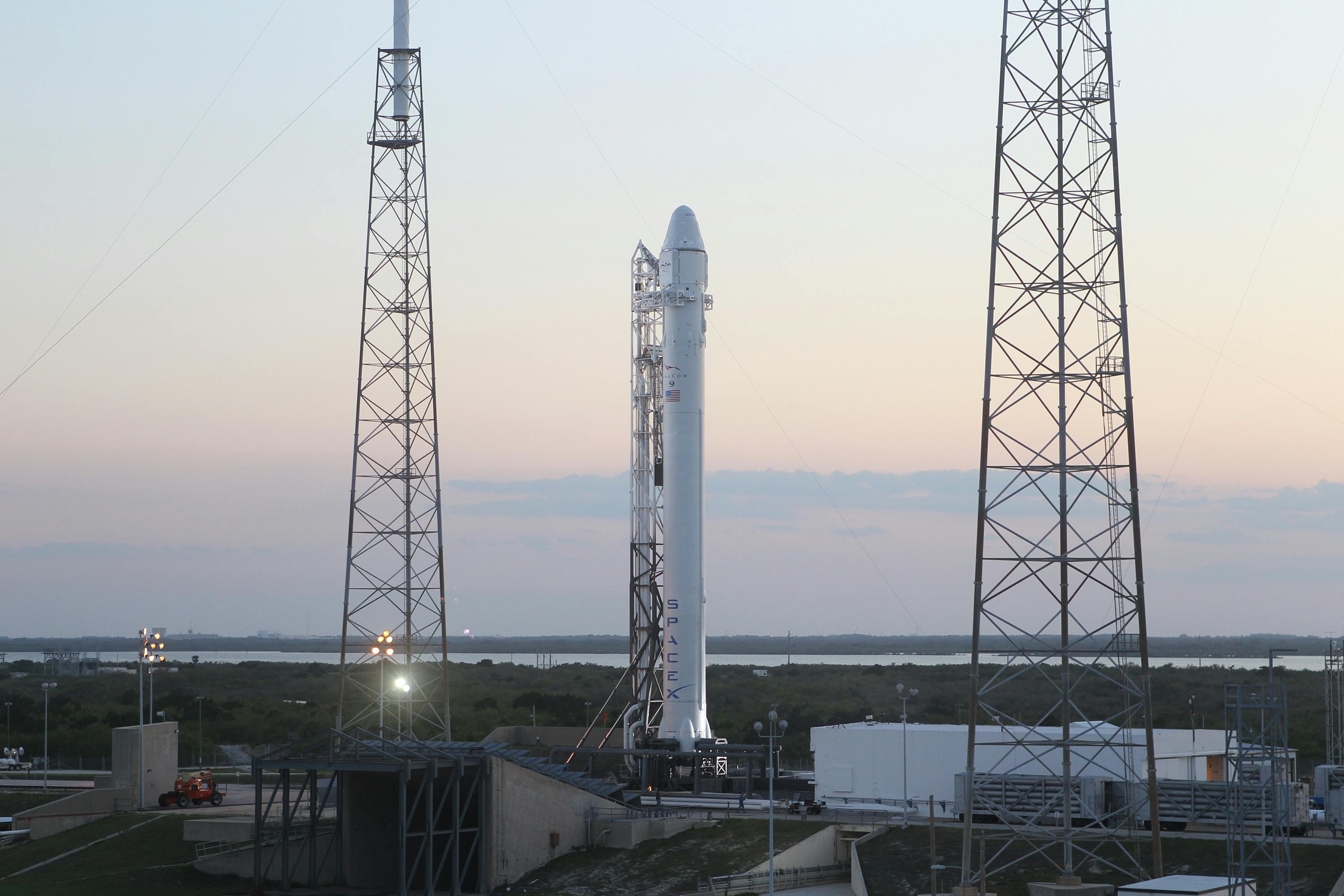
SpaceX targets May 19 for Starship V3's first flight from Pad 2 as the FCC approves a $2.4B EchoStar spectrum deal for Starlink D2D.
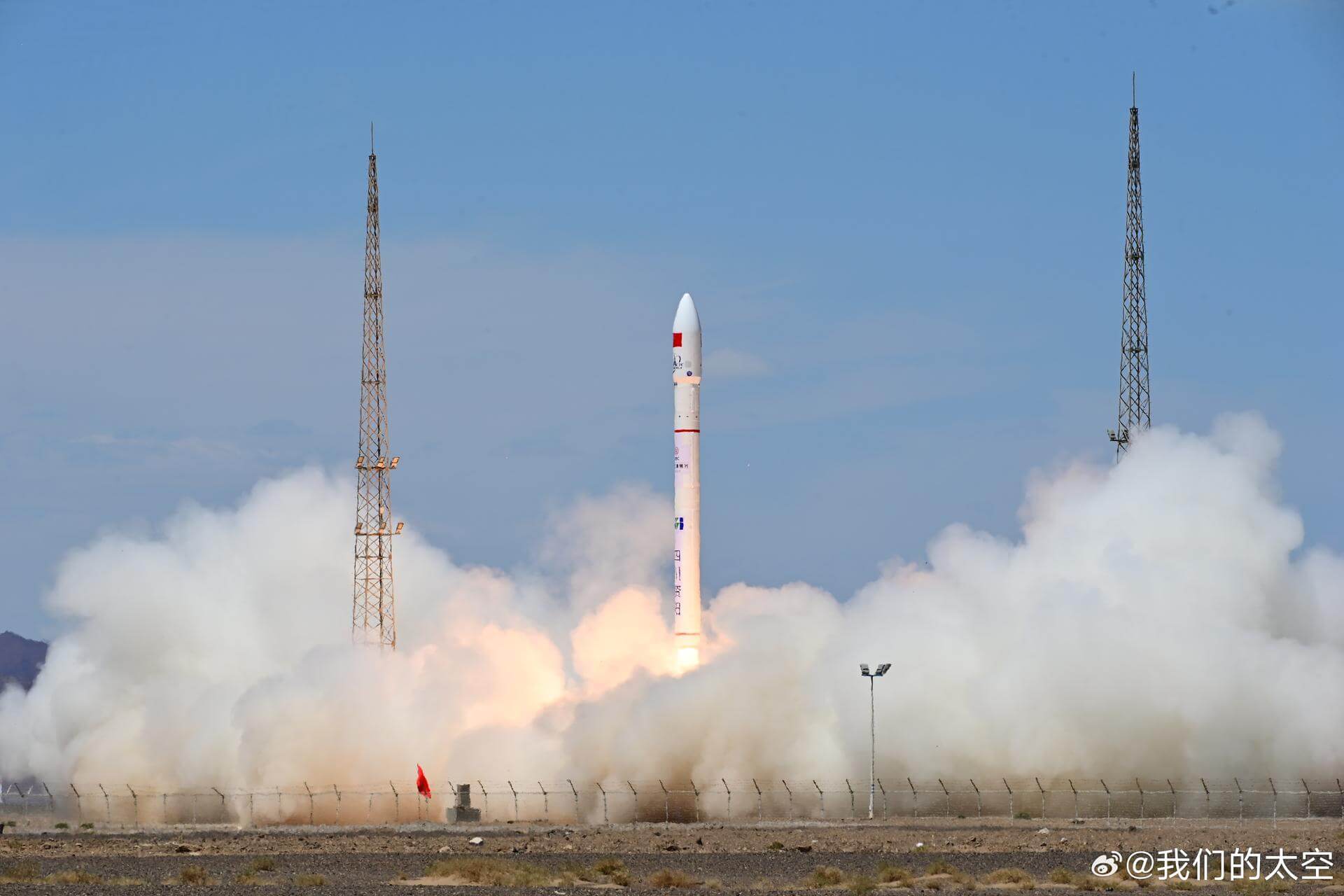
Today's brief covers the crash of a SpaceX Falcon 9 rocket over Europe, the Space Force's mapping efforts with Iron Dome, and key military appointments and funding decisions.

Blue Origin reveals plans for 5,400+ satellite constellation targeting enterprise and government with 6 Tbps capacity. SpaceX launches first West Coast Starlink mission of 2026 from Vandenberg.

China's Tianlong-3 rocket failed during ascent on debut launch Friday. SpaceX secured $178.5M Space Force contract for missile tracking satellite launches beginning 2027.
Today's space updates include a new EU space commissioner's priorities, insights from declassified satellite images, and an update on NASA's Europa Clipper mission. A highlight in the Satellite Spotlight features the Russian satellite COSMOS 2070.