


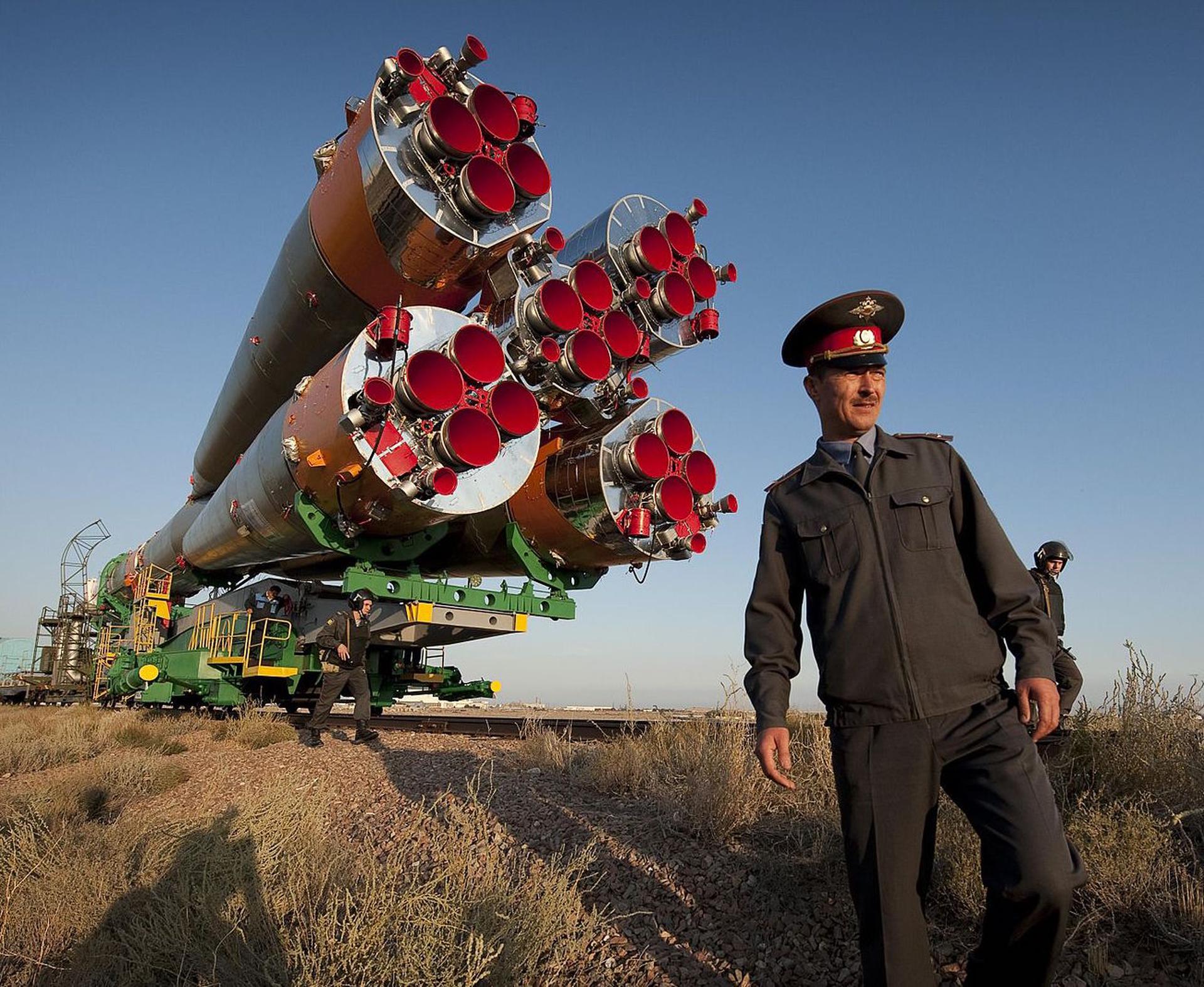
Space Brief 7 Nov 2024
Today's Space Brief covers major upcoming launches from SpaceX, US military missile tests, and developments in Virgin Galactic's fleet expansion. Stay informed on key satellite events and launch updates.



Launch Date
September 30, 2023
Launch Site
Launch Pad
LC40
Launch Vehicle
NORAD ID
57983
International Designator
2023-151V
Epoch
Sun, 19 Jul 2026 16:49:35 GMT
Apogee
Calculating...
Perigee
Calculating...
Inclination
43.00°
Right Ascension
328.49°
Eccentricity
Calculating...
Argument of Perigee
275.72°
Period
94.27 min
Mean Motion
15.28 rev/day
Latitude
Calculating...
Longitude
Calculating...
Altitude
Calculating...
Velocity
Calculating...
Name
STARLINK-30515
Alternative Name
Starlink 30515
Type
Status
Owner
SPXS
Country
United States
Constellation
N/A
Related Satellites
Major Events
N/A
1 57983U 23151V 26200.70110791 .00001068 00000+0 48333-4 0 9999
2 57983 43.0042 328.4859 0001934 275.7154 84.3477 15.27575840155732
Source: Celestrak
Length
0.3
Diameter
4.1
Span
29
Dry Mass
700
Launch Mass
730
Shape
Box + pan
Radar Cross Section
Unknown
Visual Magnitude
Unknown
Color
Unknown
Material Composition
Unknown
Payload
Starlink Group 6-19-20
Purpose
Communication
Mission
Communication
Manufacturer
SPXS
Life Expectancy
Unknown
Bus
Starlink V2M
Configuration
Starlink v2 Mini
Motor
Argon ion thrusters
Equipment
Ku/Ka/E-band payload, optical inter-satellite link
Power System
Solar arrays, batteries
ADCS
Unknown
Transmitter Frequency
Unknown
Learn more about satellites and other related topics.
Today's Space Brief covers major upcoming launches from SpaceX, US military missile tests, and developments in Virgin Galactic's fleet expansion. Stay informed on key satellite events and launch updates.
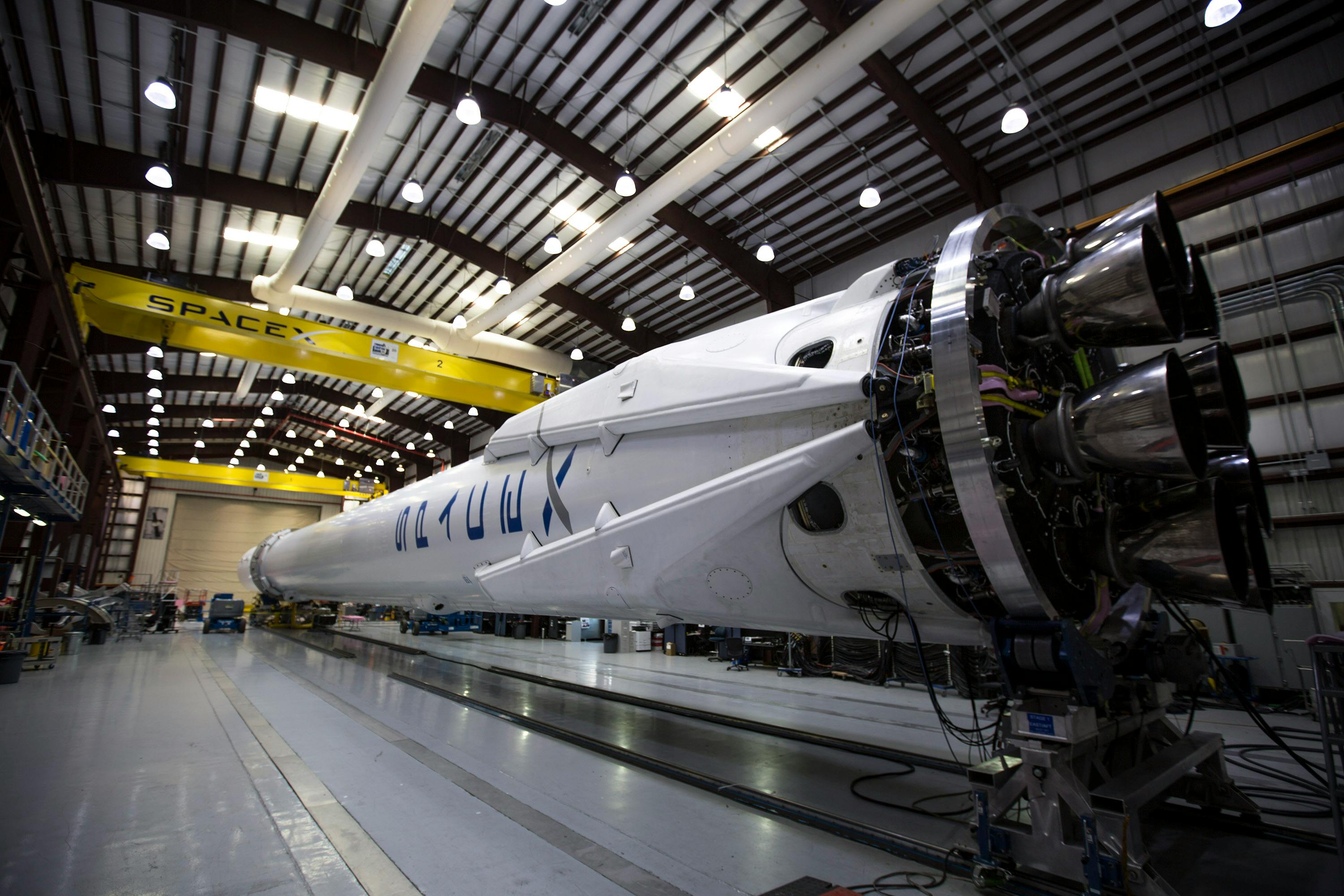
Today, SpaceX faced delays in launching the Ax-4 mission due to a booster leak, while Starlink made strides towards launching in India with new telecom license approval.
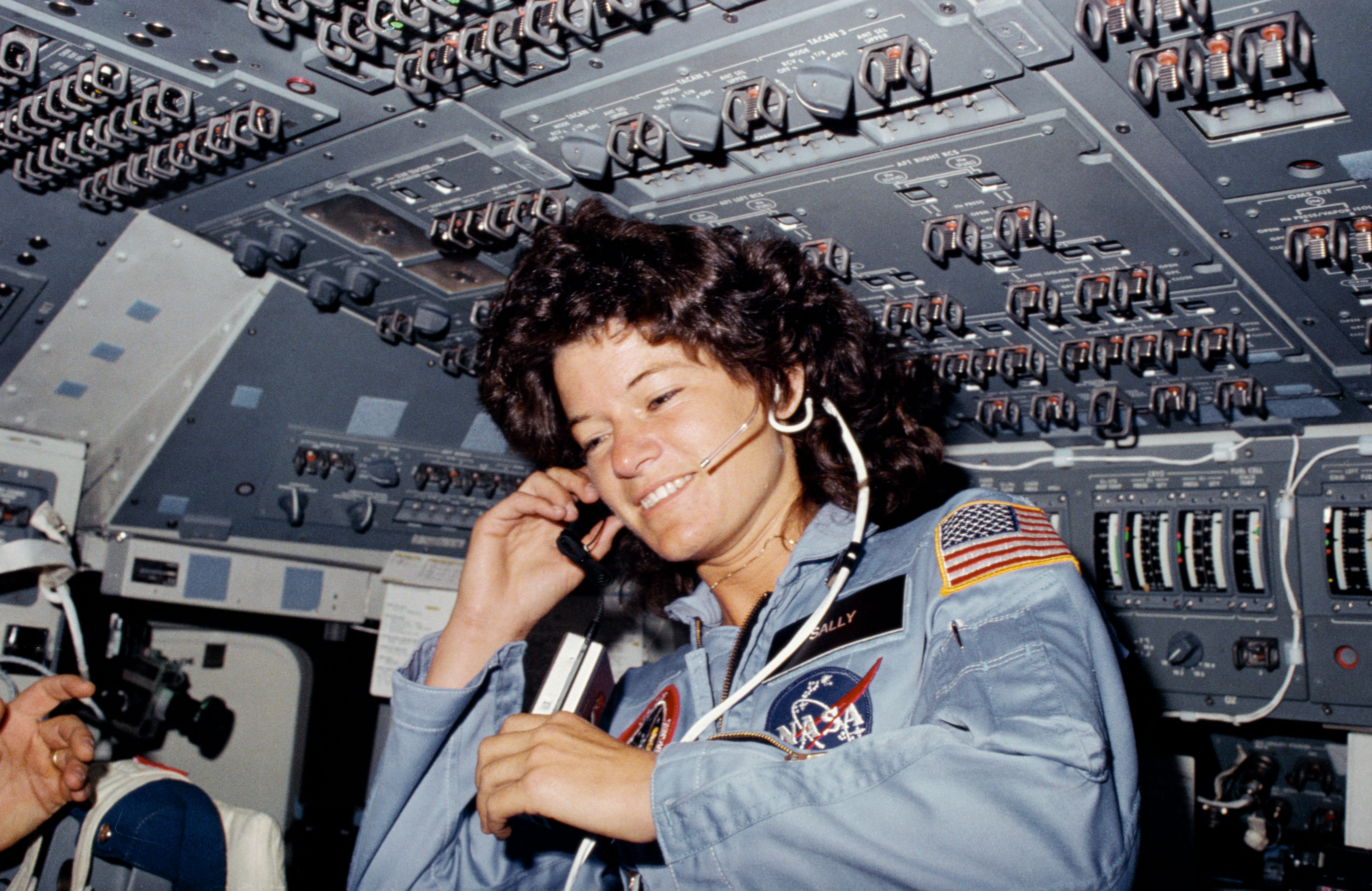
At 7:33 on the morning of 18 June 1983, a 32-year-old astrophysicist named Sally Ride rode Challenger off Pad 39A and became the first American woman in space. She got there two decades after the Soviets, and only after months of being asked whether spaceflight would damage her reproductive organs and whether she planned to cry.
Why this unassuming website has become the backbone of space research for enthusiasts and professionals alike
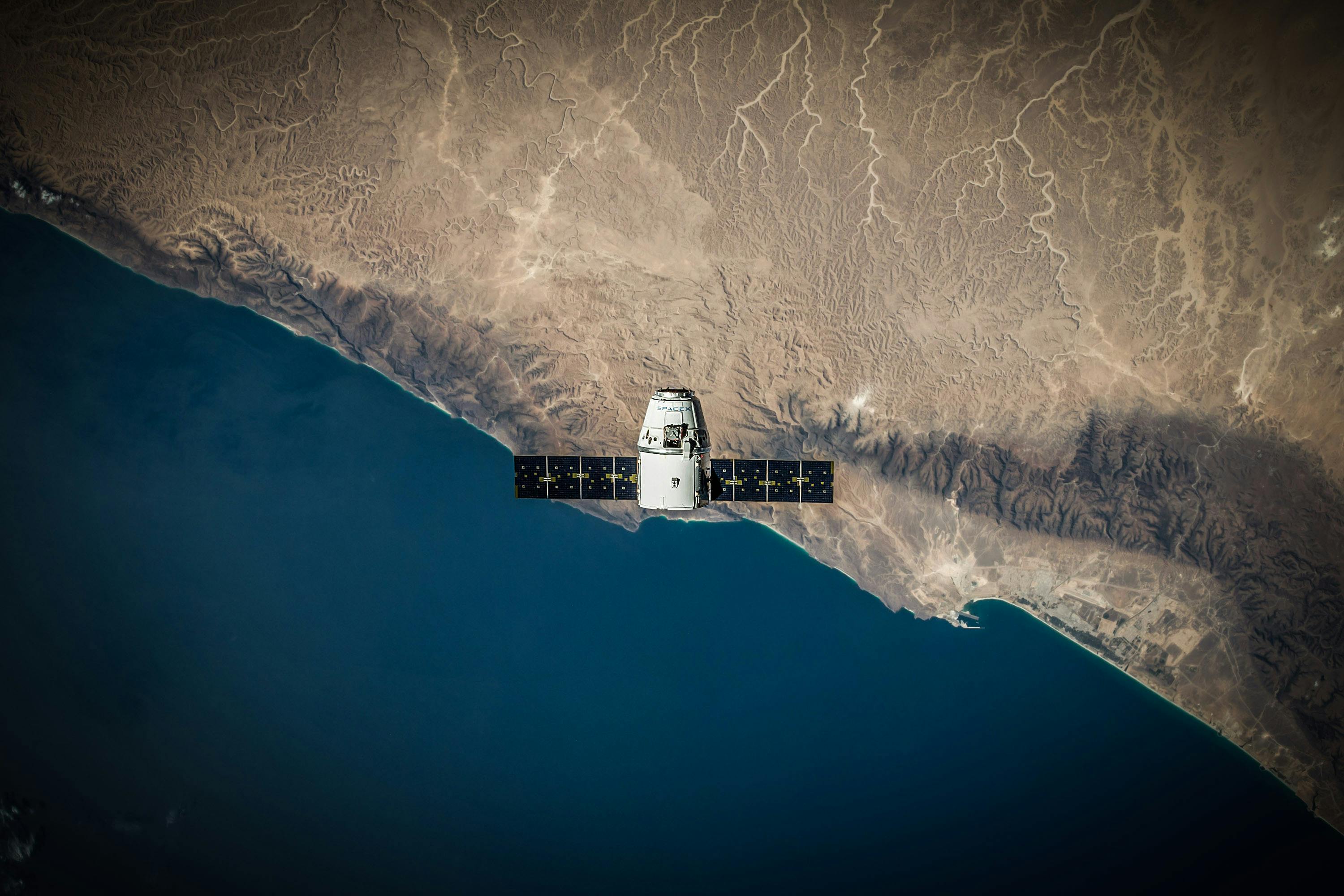
Highlights include China's rising threats in space, a new Starlink launch, NASA's optimistic future, and a cosmic conjunction featuring the Moon and Saturn.

Today's Space Brief covers a major partnership in space tech distribution, China's orbital refueling preparations under U.S. scrutiny, recent U.S. defense budget reveals, and an exciting hyperspectral imagery release from Xplore.
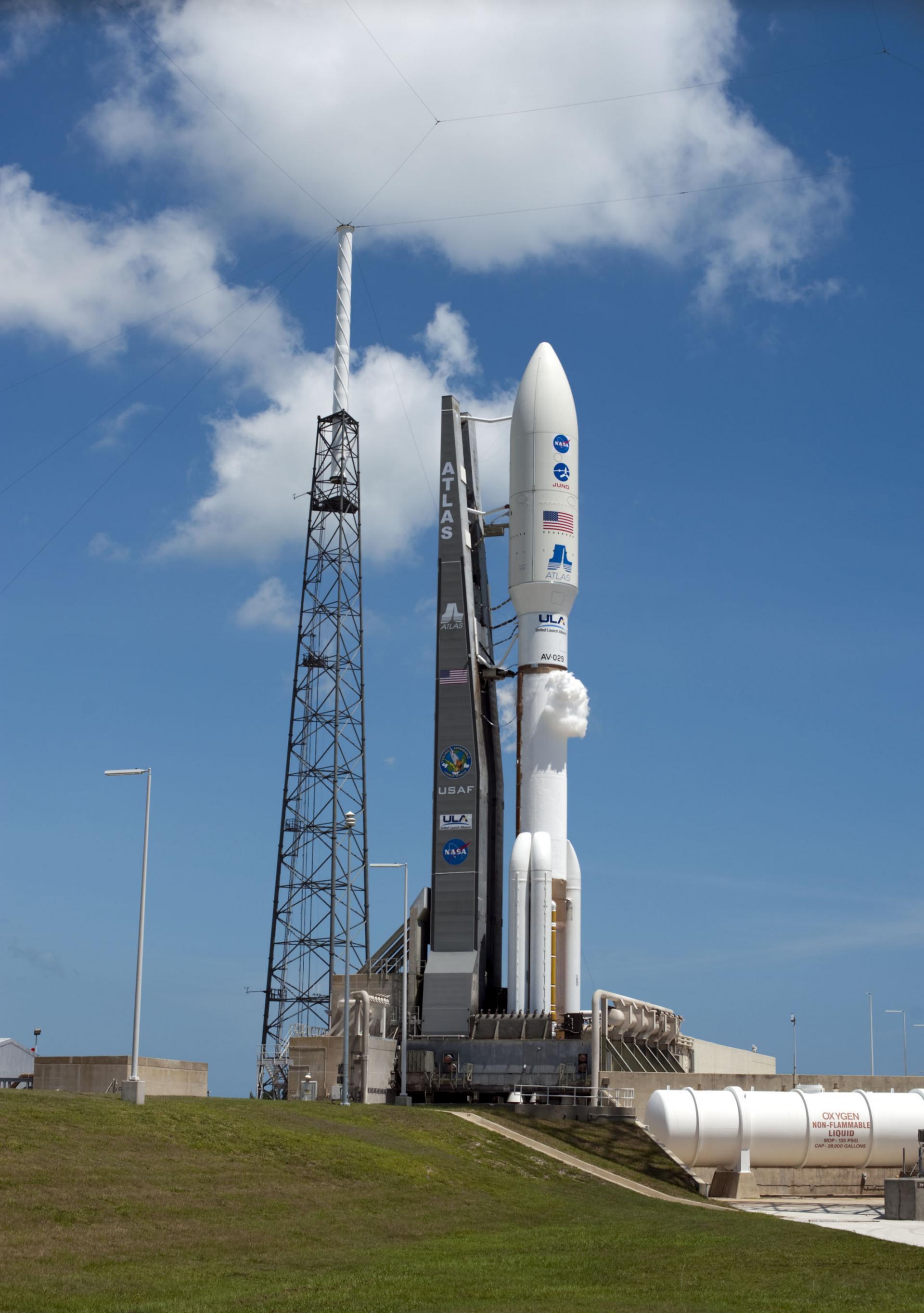
Shenzhou-23 docked with Tiangong May 24 with 3 astronauts, including Hong Kong's first crew member. One will stay ~1 year in orbit.
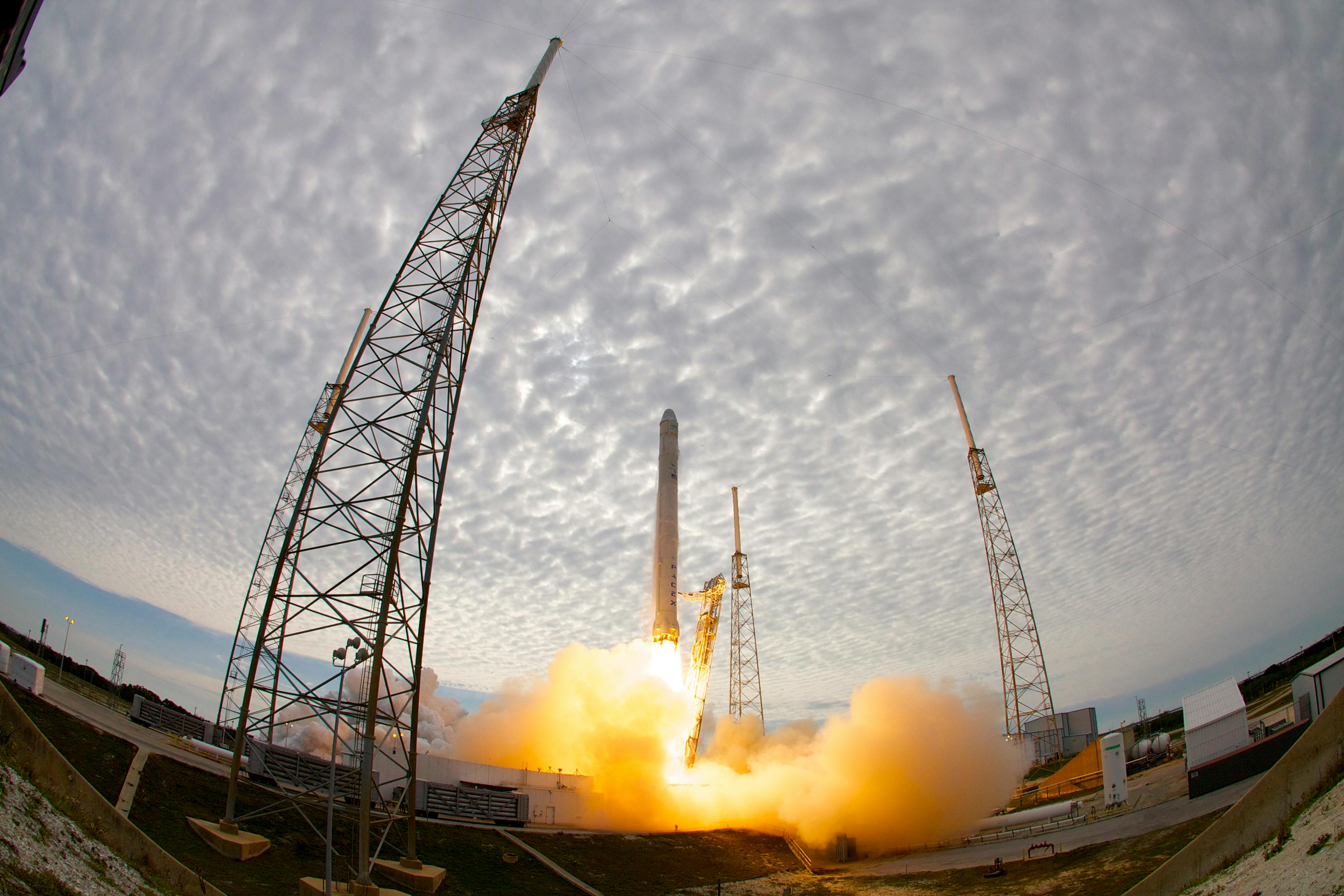
Major breakthroughs as SpaceX prepares to bring astronauts home and multiple launches unfold this week.