


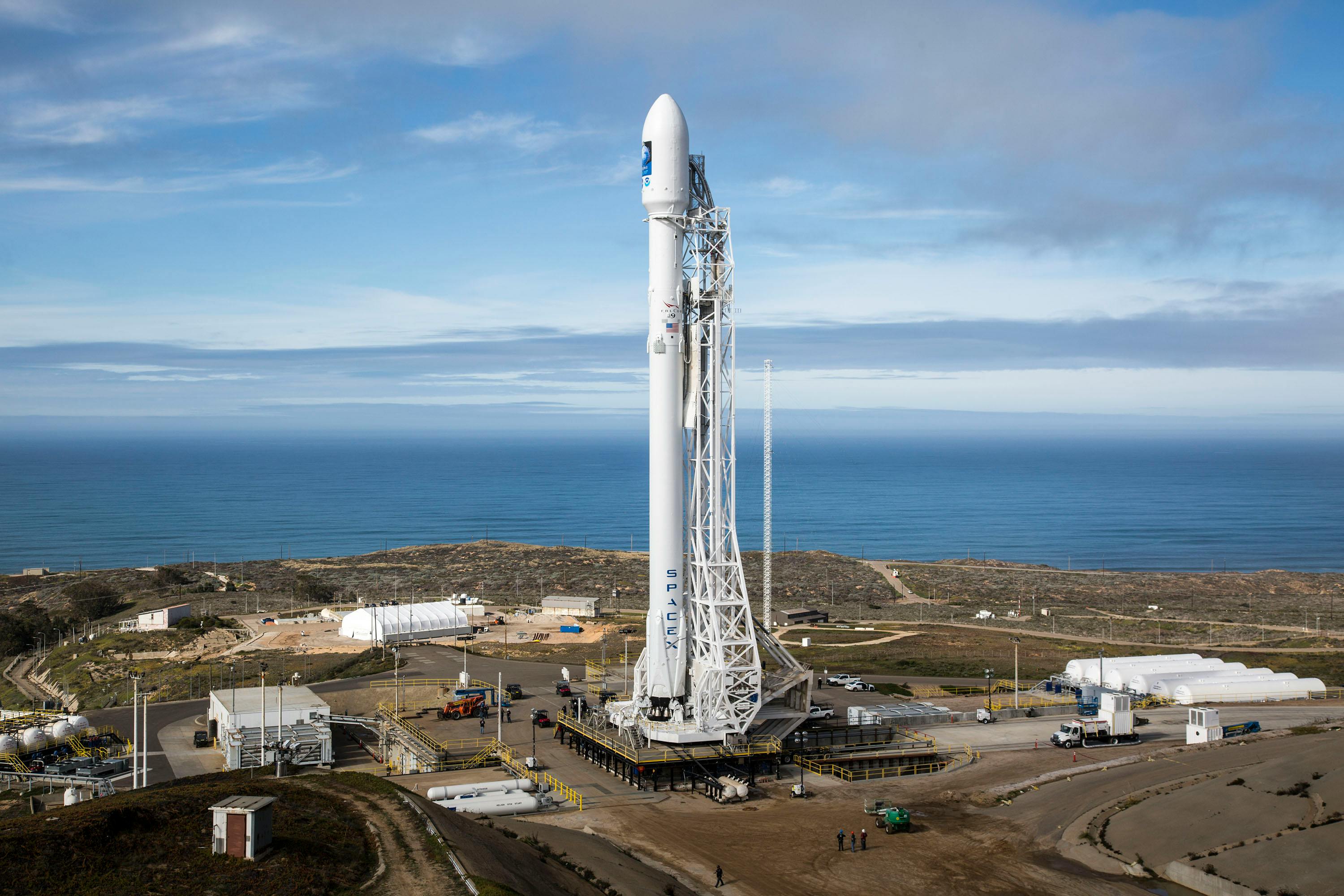
X Report 5 Apr 2025
SpaceX secures major U.S. military contracts, Fram2 concludes historic mission, and preparations for another Starlink launch.



Launch Date
September 30, 2023
Launch Site
Launch Pad
LC40
Launch Vehicle
NORAD ID
57977
International Designator
2023-151P
Epoch
Sun, 19 Jul 2026 18:30:01 GMT
Apogee
Calculating...
Perigee
Calculating...
Inclination
43.00°
Right Ascension
324.75°
Eccentricity
Calculating...
Argument of Perigee
271.26°
Period
94.27 min
Mean Motion
15.28 rev/day
Latitude
Calculating...
Longitude
Calculating...
Altitude
Calculating...
Velocity
Calculating...
Name
STARLINK-30509
Alternative Name
Starlink 30509
Type
Status
Owner
SPXS
Country
United States
Constellation
N/A
Related Satellites
Major Events
N/A
1 57977U 23151P 26200.77084779 -.00000542 00000+0 -10179-4 0 9990
2 57977 43.0035 324.7499 0001513 271.2576 88.8102 15.27571345155794
Source: Celestrak
Length
0.3
Diameter
4.1
Span
29
Dry Mass
700
Launch Mass
730
Shape
Box + pan
Radar Cross Section
Unknown
Visual Magnitude
Unknown
Color
Unknown
Material Composition
Unknown
Payload
Starlink Group 6-19-14
Purpose
Communication
Mission
Communication
Manufacturer
SPXS
Life Expectancy
Unknown
Bus
Starlink V2M
Configuration
Starlink v2 Mini
Motor
Argon ion thrusters
Equipment
Ku/Ka/E-band payload, optical inter-satellite link
Power System
Solar arrays, batteries
ADCS
Unknown
Transmitter Frequency
Unknown
Learn more about satellites and other related topics.
SpaceX secures major U.S. military contracts, Fram2 concludes historic mission, and preparations for another Starlink launch.

Today's briefing covers SpaceX's latest Starlink launch, Rocket Lab's upcoming Neutron rocket launch, NASA's lunar nuclear reactor project, and more.
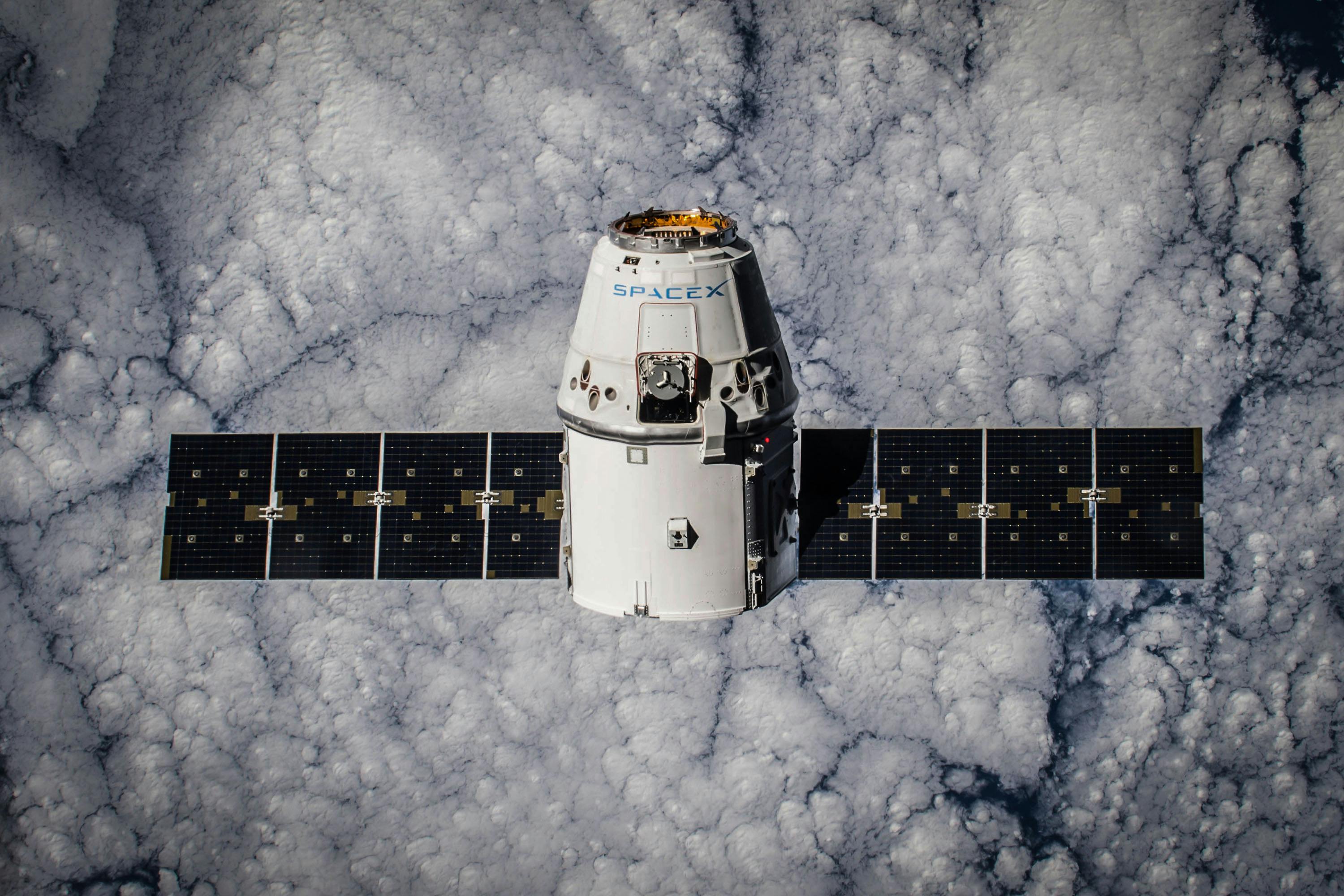
SpaceX is finalizing Pad 2 upgrades at Starbase ahead of Booster 19's return flight, as Starlink's active constellation holds at 10,185 satellites.

Rocket Lab to acquire Iridium's 66-satellite LEO constellation for end-to-end vertical integration. Deal includes spacecraft manufacturing, launch, and on-orbit operations control.
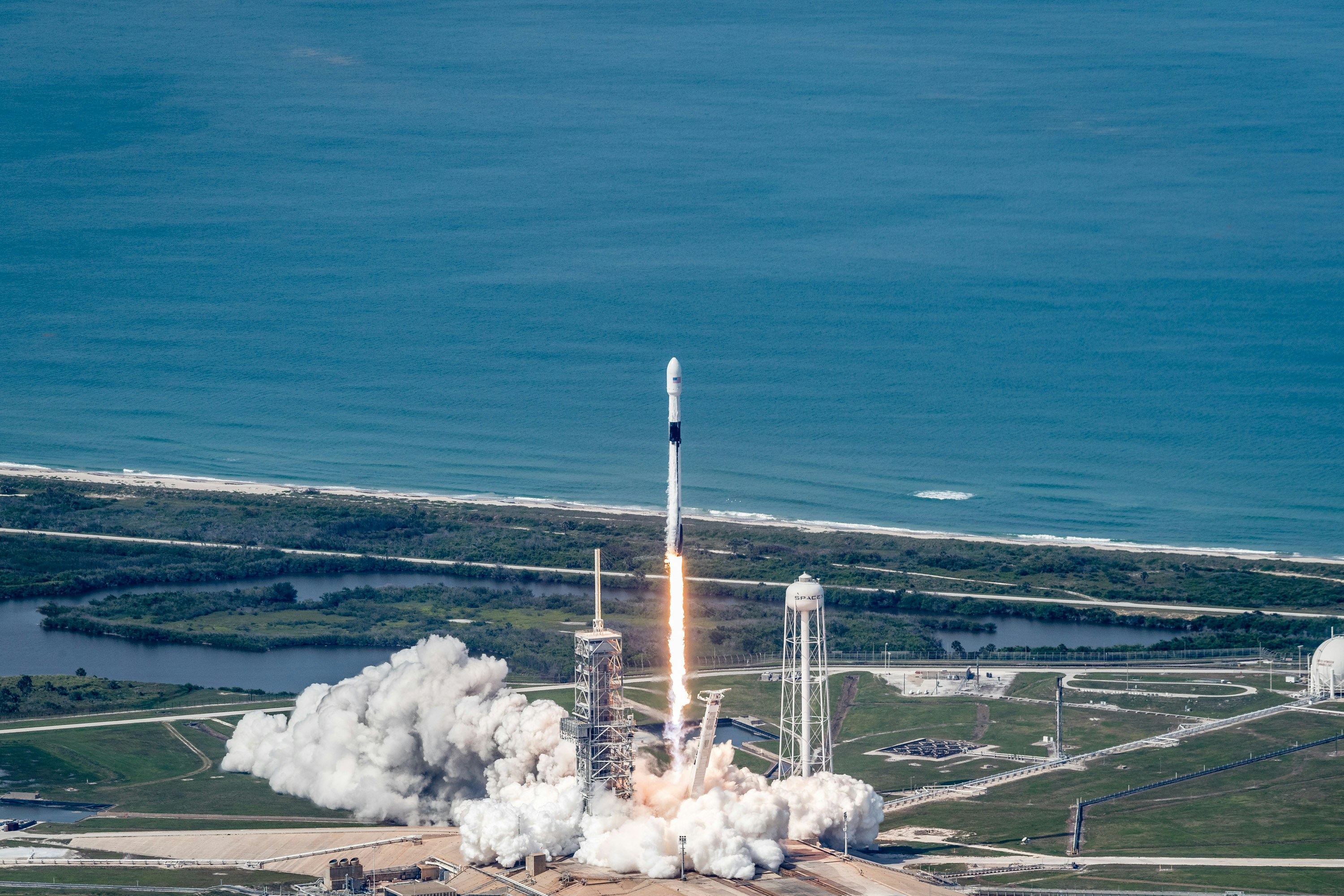
SpaceX's Falcon 9 rideshare lifted 45 satellites including South Korea's CAS500-2 Earth observer from Vandenberg at 0700 UTC May 3.
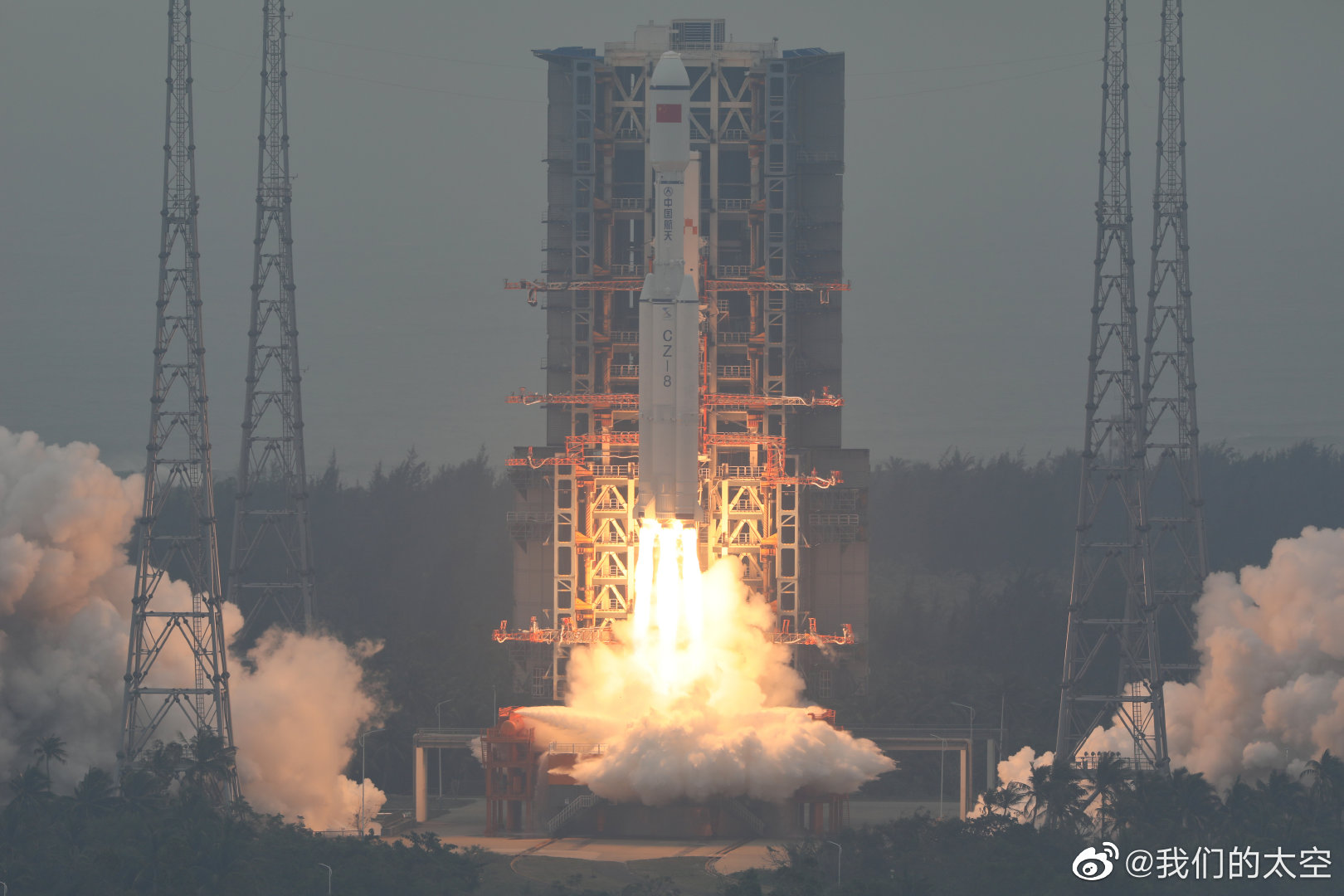
In today's brief: high-profile personnel changes in the Space Force, the inclusion of Space Force in historical political events, and strategic shifts in defense highlighted with a focus on satellite applications.
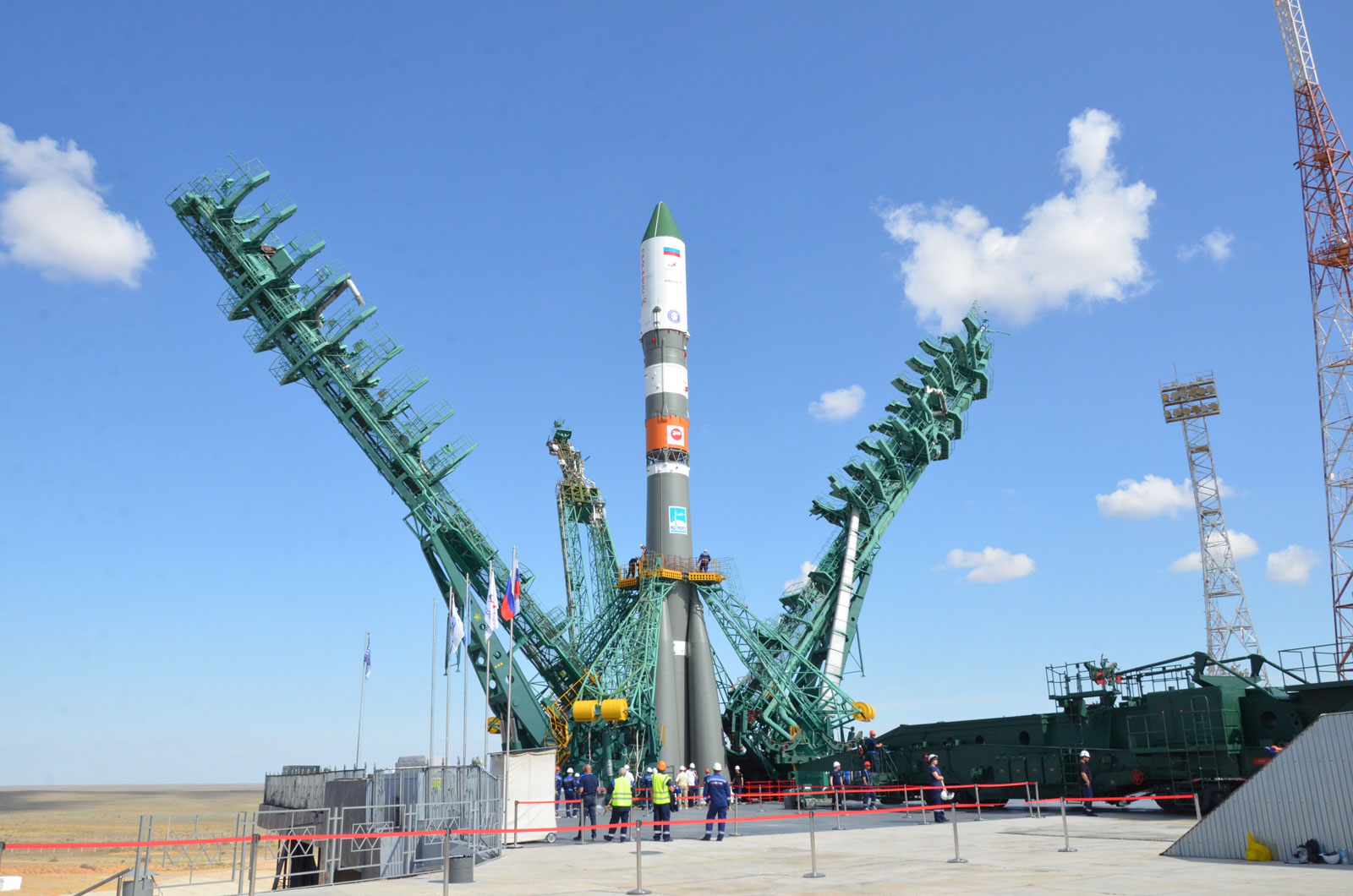
Today's highlights include the debut of a new Chinese rocket, a successful Starlink launch, and concerns about Artemis 3. We also cover DoD developments and a notable SpaceX milestone.
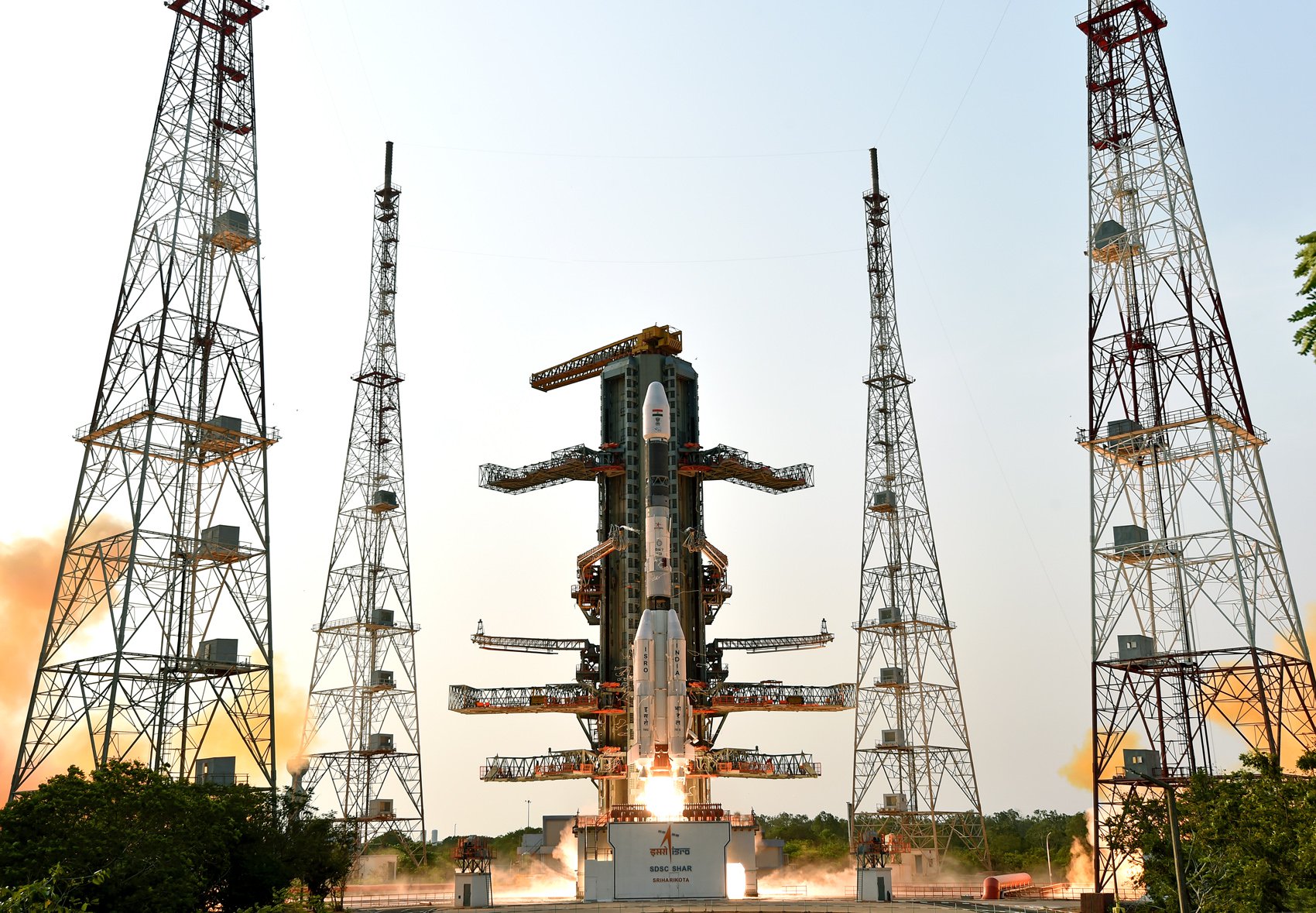
Today's highlights cover critical satellite launches including SpaceX's GPS III mission, advancements in SATCOM technology, and changes in NASA leadership.