STARLINK-30455 (57942)

COSPAR: 2023-148H | Alt Name: Starlink 30455

Image
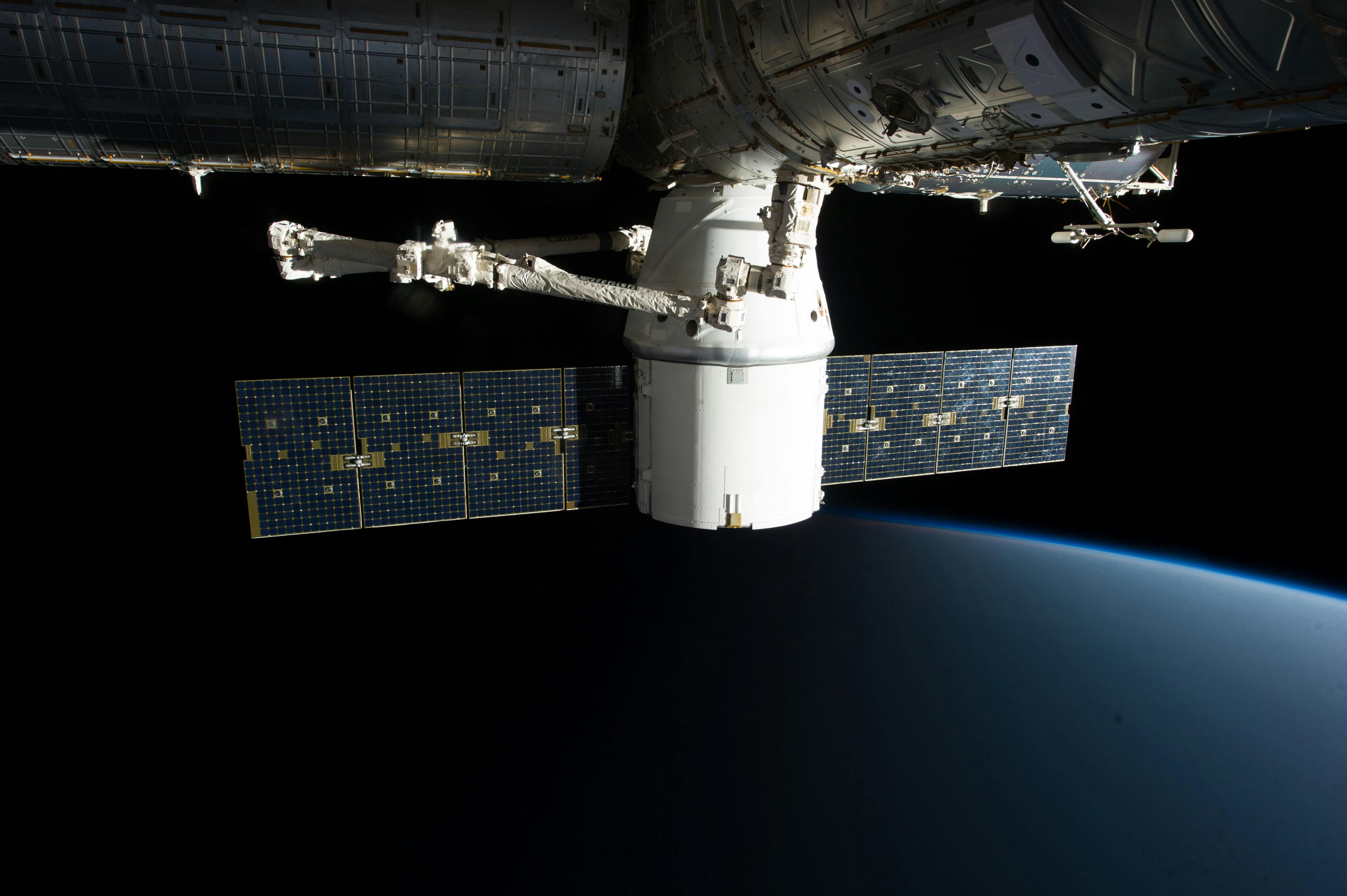
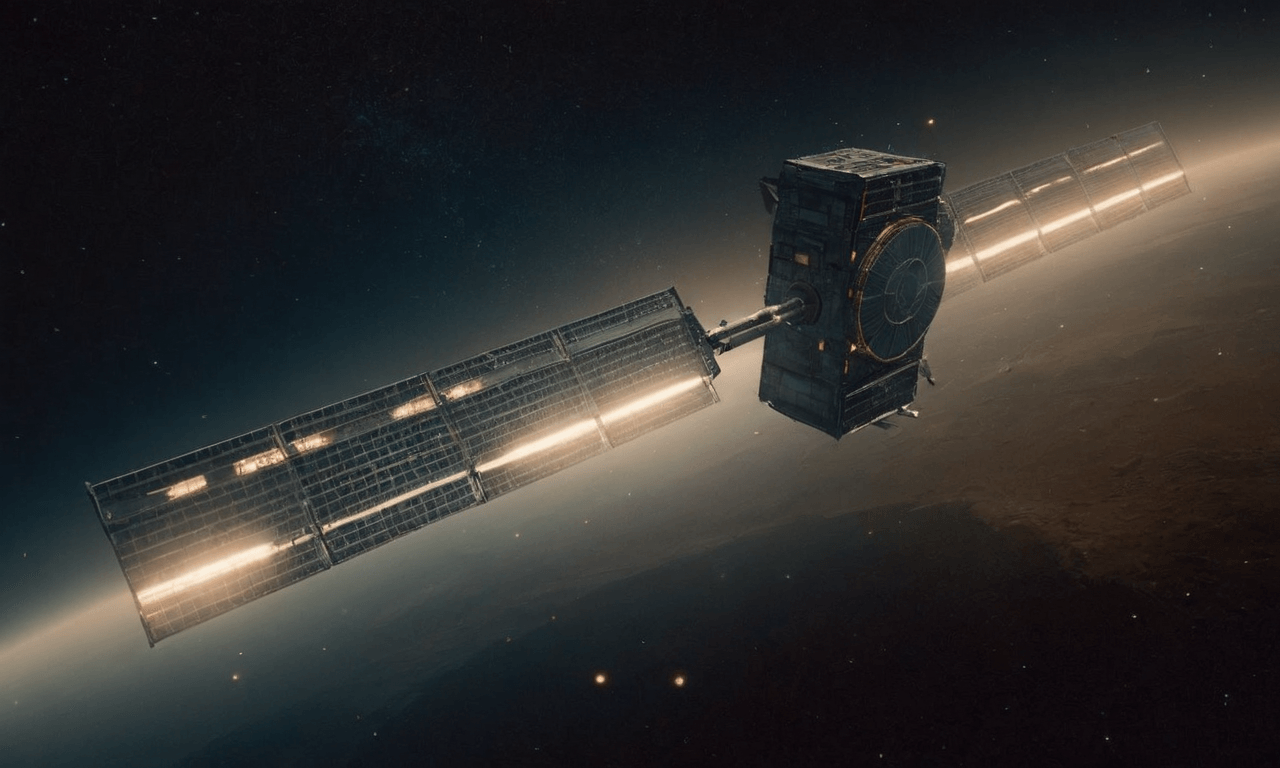
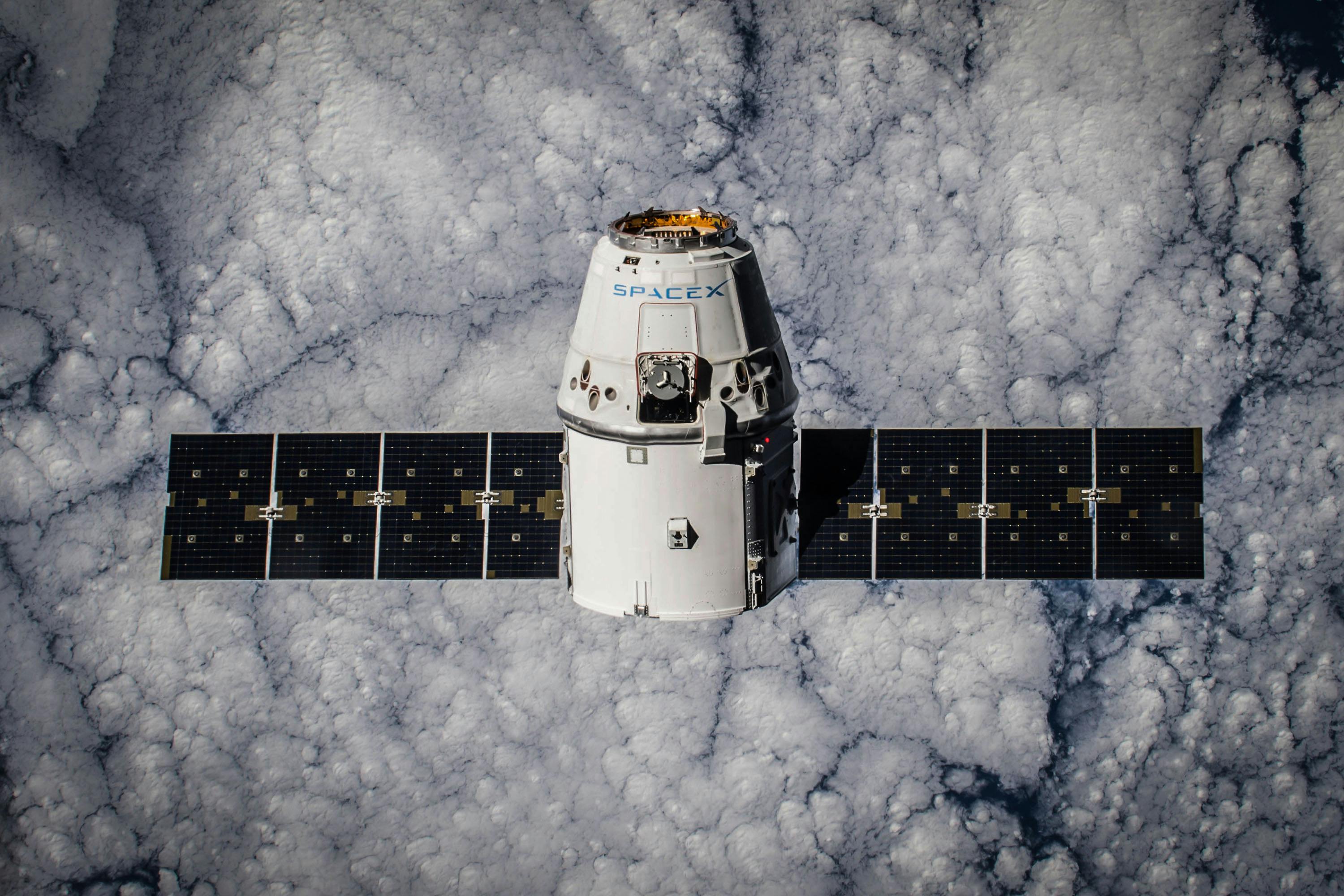
STARLINK-30455 Satellite Image
Additional Sources
Launch Details

Launch Date

September 25, 2023

Launch Site

AFWTR

Launch Pad

SLC4E

Launch Vehicle

Falcon 9

Orbital Elements

NORAD ID

57942

International Designator

2023-148H

Epoch

Sun, 19 Jul 2026 19:57:47 GMT

Apogee

Calculating...

Perigee

Calculating...

Inclination

53.16°

Right Ascension

130.39°

Eccentricity

Calculating...

Argument of Perigee

88.90°

Period

93.90 min

Mean Motion

15.34 rev/day

Latitude

Calculating...

Longitude

Calculating...

Altitude

Calculating...

Velocity

Calculating...

Polar Plot
3D Visualization
Basic Satellite Info

Name

STARLINK-30455

Alternative Name

Starlink 30455

Type

Payload

Status

Operational

Owner

SPXS

Country

United States

Constellation

N/A

Related Satellites

Major Events

N/A

Latest TLEs
1 57942U 23148H   26200.83179550 -.00002432  00000+0 -62611-4 0  9995
2 57942  53.1608 130.3878 0001162  88.8971 271.2165 15.33563303158654

Source: Celestrak

Summary
The STARLINK-30455 satellite, also known as Starlink 30455, is a communication satellite belonging to SpaceX's Starlink v2 Mini constellation. It was launched on September 25, 2023, from AFWTR SLC4E using a Falcon 9 launch vehicle. The satellite has dimensions of 0.3 meters in length and 4.1 meters in diameter with a span of 29 meters. Its dry mass is 700 kilograms, while its launch mass was 730 kilograms. It is equipped with Ku/Ka/E-band payload and optical inter-satellite link for communication purposes. The satellite utilizes Argon ion thrusters as its motor system and solar arrays along with batteries for power generation.

Starlink is a satellite constellation developed by SpaceX with the aim of providing global broadband internet coverage. Thousands of small satellites are deployed in low Earth orbit (LEO), enabling high-speed internet access even in remote areas. However, the rapid increase in satellites raises concerns about space debris and the potential for collisions, which can lead to further debris creation and endanger other spacecraft. Additionally, the sheer number of Starlink satellites can affect astronomical observations by increasing light pollution. Proper deorbiting plans and international coordination are essential to mitigate these challenges and ensure long-term sustainability in space.
Physical Characteristics

Length

0.3

Diameter

4.1

Span

29

Dry Mass

700

Launch Mass

730

Shape

Box + pan

Radar Cross Section

Unknown

Visual Magnitude

Unknown

Color

Unknown

Material Composition

Unknown

Technical Details

Payload

Starlink Group 7-3-08

Purpose

Communication

Mission

Communication

Manufacturer

SPXS

Life Expectancy

Unknown

Bus

Starlink V2M

Configuration

Starlink v2 Mini

Motor

Argon ion thrusters

Equipment

Ku/Ka/E-band payload, optical inter-satellite link

Power System

Solar arrays, batteries

ADCS

Unknown

Transmitter Frequency

Unknown

Map
This tool will help you track the satellite's position and predict its upcoming passes over your location. Simply input the coordinates or click the geolocation button to get started.
Next Pass
Azimuth Elevation Time (Local)
Start Azimuth
Max Elevation
Stop Azimuth
Time Until
Pass Duration

Satellite Articles

View All Posts »

Learn more about satellites and other related topics.

Space Brief 8 Jun 2025

Space Brief 8 Jun 2025

A busy day in space as delays hit Boeing's Starliner launch, SpaceX continues its rapid launch cadence, new concerns arise with the discovery of bacteria on the Tiangong space station, and the European Space Agency supports a pivotal Moon mission.

The Morning a Supply Ship Tore Open Mir

The Morning a Supply Ship Tore Open Mir

On 25 June 1997, a seven-ton cargo ship under hand control drifted into Mir's Spektr module, breached the hull, and left three crew members listening to their air hiss into space. It remains the worst collision in the history of human spaceflight.

Space Force Raises Andromeda Contract to $6.2B for SSA Satellites | KeepTrack Space Brief

Space Force Raises Andromeda Contract to $6.2B for SSA Satellites | KeepTrack Space Brief

U.S. Space Force increased Andromeda contract ceiling to $6.2 billion for next-generation space situational awareness satellites replacing GSSAP and SILENTBARKER programs.

Starlink Constellation Size Hits 9,931, X Report 7 Mar 2026

Starlink Constellation Size Hits 9,931, X Report 7 Mar 2026

Starlink constellation size in 2026: 9,931 satellites in orbit, 9,920 working from 11,463 launched. Starlink 17-18 adds 25 more from Vandenberg.

The Rocket That Refused to Sink

The Rocket That Refused to Sink

On April 18, 2014, a Falcon 9 first stage did something no orbital rocket had ever done before. It fired its engines on the way down, steered itself through the atmosphere using grid fins that did not yet exist, and touched the Atlantic Ocean softly enough to survive the impact. Nobody recovered it. The data was the whole point.

Space Brief 8 Mar 2025

Space Brief 8 Mar 2025

Today's Space Brief covers the landing of the X-37B spaceplane after a 434-day mission, the postponement of SDA's satellite launch, and the fiery debris from SpaceX's Starship over The Bahamas.

Space Brief 26 Oct 2024

Space Brief 26 Oct 2024

Explore the recent signing of the Artemis Accords by Chile, Boeing's strategic considerations, and captivating space missions including China's satellite endeavors and the James Webb Space Telescope's latest discovery.

Starship Flight 12 Debuts Ship V3 as SDA Reorganizes York Space | KeepTrack Space Brief

Starship Flight 12 Debuts Ship V3 as SDA Reorganizes York Space | KeepTrack Space Brief

SpaceX's Starship Flight 12 debuts Ship 39 and Booster 19 on May 19, while York Space faces investor confusion as Space Force reorganizes the Space Development Agency.