



Space Brief 10 Dec 2024
Today's highlights include a new 5G demonstration launch on Firefly, potential supply chain interruptions in the defense sector, and updates on Artemis and ULA launches.



NORAD ID
57935
International Designator
2023-148A
Epoch
Sun, 19 Jul 2026 20:04:52 GMT
Apogee
Calculating...
Perigee
Calculating...
Inclination
53.16°
Right Ascension
128.44°
Eccentricity
Calculating...
Argument of Perigee
107.01°
Period
93.85 min
Mean Motion
15.34 rev/day
Latitude
Calculating...
Longitude
Calculating...
Altitude
Calculating...
Velocity
Calculating...
Name
STARLINK-30712
Alternative Name
Starlink 30712
Type
Status
Owner
SPXS
Country
United States
Constellation
N/A
Related Satellites
Major Events
N/A
1 57935U 23148A 26200.83672105 -.00000352 00000+0 73024-6 0 9991
2 57935 53.1599 128.4356 0001613 107.0091 253.1088 15.34388741158680
Source: Celestrak
Length
0.3
Diameter
4.1
Span
29
Dry Mass
700
Launch Mass
730
Shape
Box + pan
Radar Cross Section
Unknown
Visual Magnitude
Unknown
Color
Unknown
Material Composition
Unknown
Payload
Starlink Group 7-3-01
Purpose
Communication
Mission
Communication
Manufacturer
SPXS
Life Expectancy
Unknown
Bus
Starlink V2M
Configuration
Starlink v2 Mini
Motor
Argon ion thrusters
Equipment
Ku/Ka/E-band payload, optical inter-satellite link
Power System
Solar arrays, batteries
ADCS
Unknown
Transmitter Frequency
Unknown
Learn more about satellites and other related topics.
Today's highlights include a new 5G demonstration launch on Firefly, potential supply chain interruptions in the defense sector, and updates on Artemis and ULA launches.

Blue Origin reveals plans for 5,400+ satellite constellation targeting enterprise and government with 6 Tbps capacity. SpaceX launches first West Coast Starlink mission of 2026 from Vandenberg.

Space Force urgently rebuilds contracting workforce after civilian reductions. Pentagon defense strategy shifts focus to homeland defense. Tom Ainsworth named top Air Force space acquisition officer.

Falcon 9 stand-down may impact next ISS crew rotation as NASA monitors the situation. Musk merges xAI into SpaceX to build space data centers. 9,633 Starlink sats on orbit.
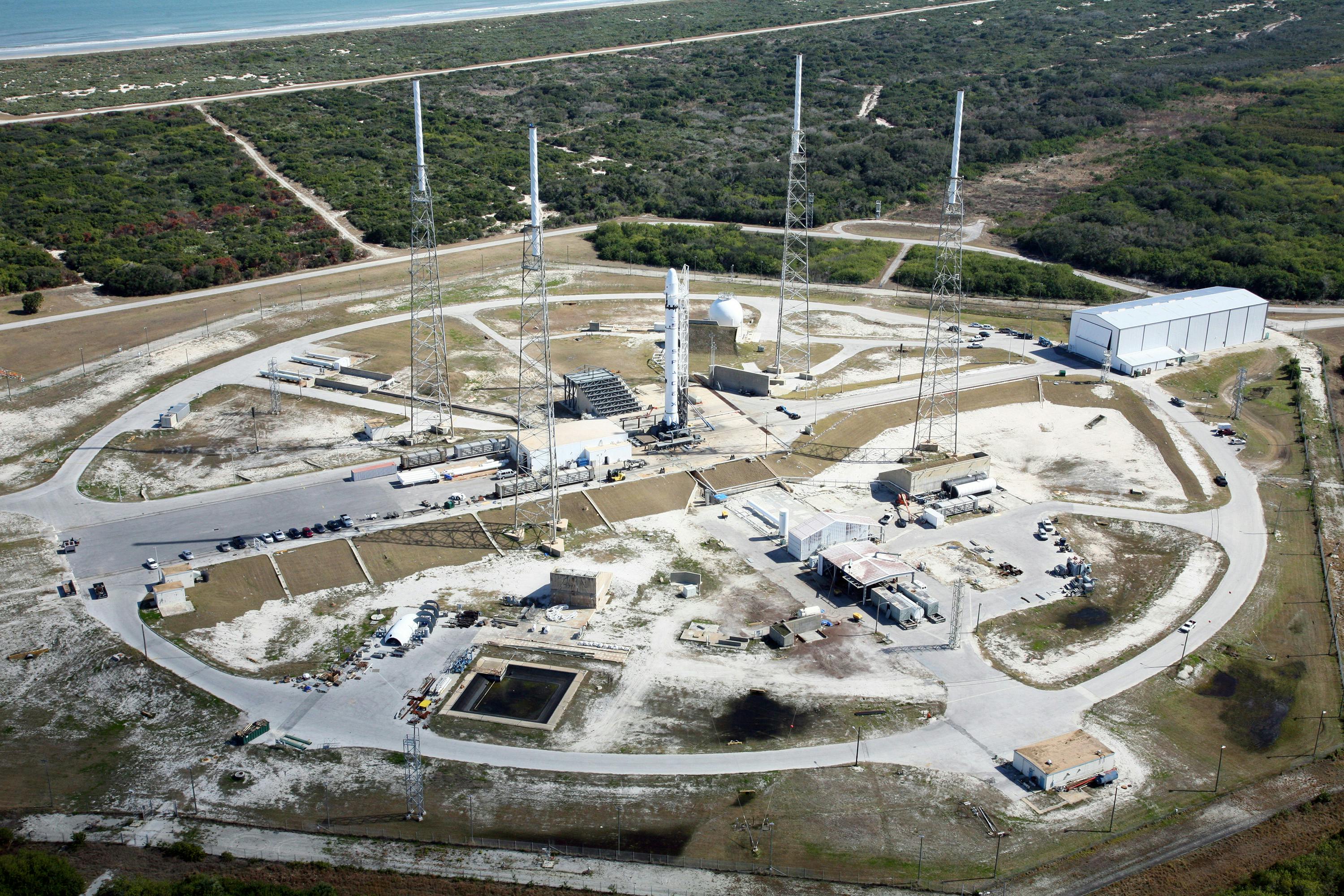
SpaceX marks a milestone with its 500th Falcon 9 mission during a week of notable developments, including ongoing Starlink deployments and changes in U.S. military plans.
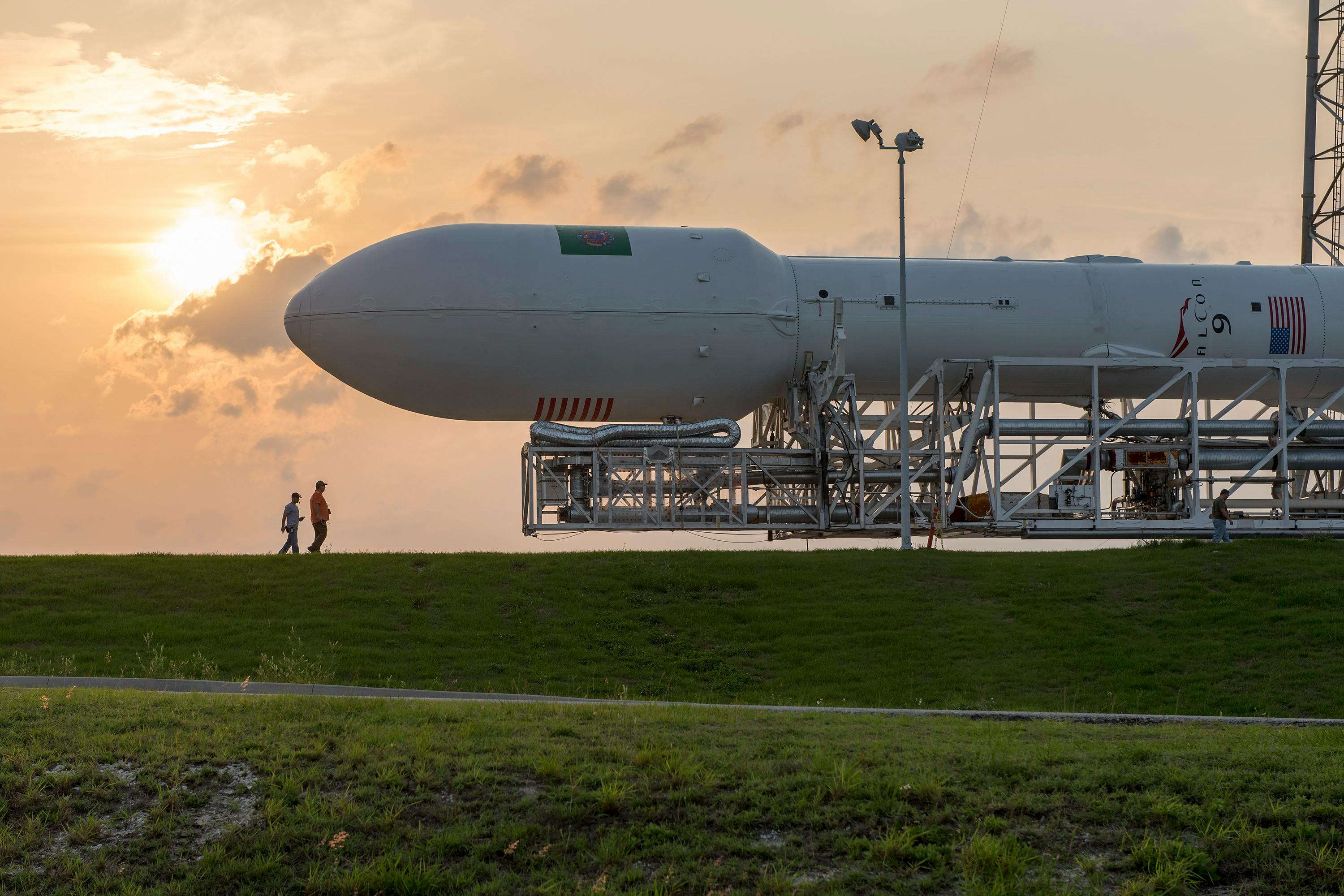
SpaceX successfully launched a batch of Starlink satellites today while introducing new features to enhance user experience. Their rideshare program continues to see increased demand, proving popular among customers.
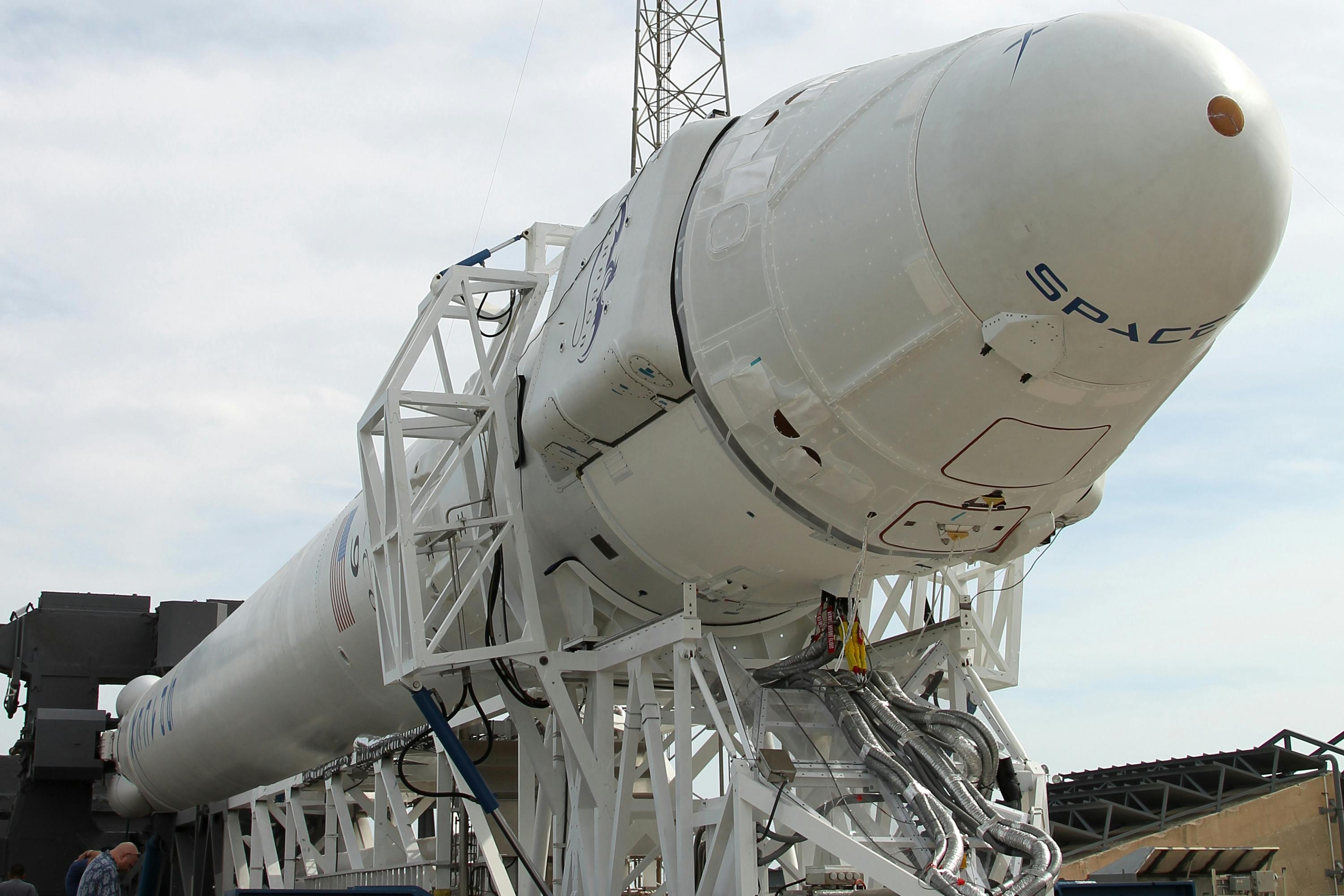
SpaceX readies Starlink 6-96 launch of 29 satellites from Cape Canaveral. Thermal Protection System evaluations underway at Starbase for next Starship prototypes. SpaceX IPO expected to reshape market.
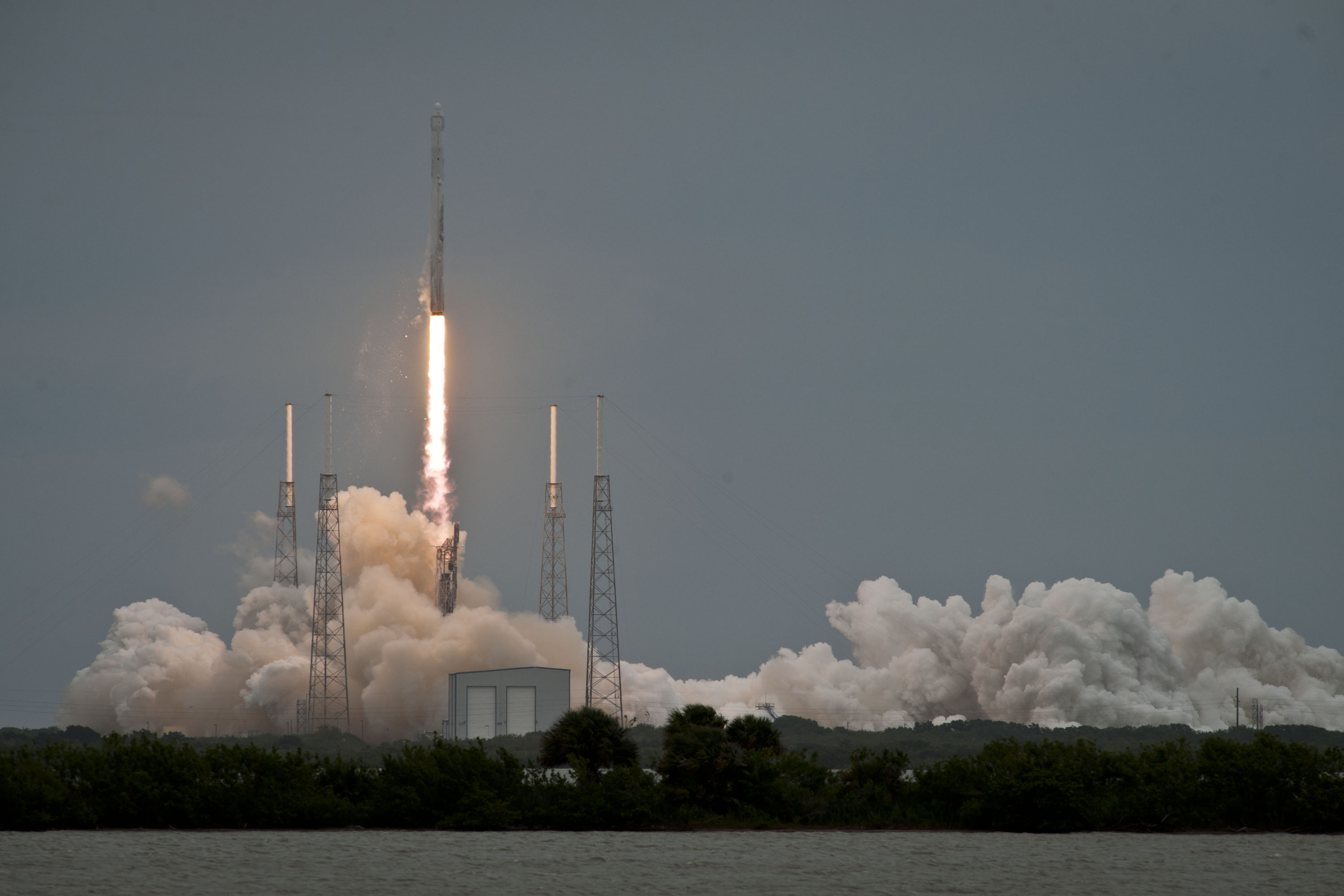
On April 18, 2014, a Falcon 9 first stage did something no orbital rocket had ever done before. It fired its engines on the way down, steered itself through the atmosphere using grid fins that did not yet exist, and touched the Atlantic Ocean softly enough to survive the impact. Nobody recovered it. The data was the whole point.