


X Report 20 May 2025
SpaceX gears up for new Starlink shell deployment and secures updated licensing for Starship, amidst ongoing preparations for Falcon 9 launches.



Launch Date
September 20, 2023
Launch Site
Launch Pad
LC40
Launch Vehicle
NORAD ID
57898
International Designator
2023-146H
Epoch
Sun, 19 Jul 2026 07:11:35 GMT
Apogee
Calculating...
Perigee
Calculating...
Inclination
43.00°
Right Ascension
291.00°
Eccentricity
Calculating...
Argument of Perigee
228.29°
Period
94.27 min
Mean Motion
15.28 rev/day
Latitude
Calculating...
Longitude
Calculating...
Altitude
Calculating...
Velocity
Calculating...
Name
STARLINK-30479
Alternative Name
Starlink 30479
Type
Status
Owner
SPXS
Country
United States
Constellation
N/A
Related Satellites
Major Events
N/A
1 57898U 23146H 26200.29971933 .00002874 00000+0 11394-3 0 9997
2 57898 43.0038 290.9951 0001268 228.2948 131.7796 15.27576580157186
Source: Celestrak
Length
0.3
Diameter
4.1
Span
29
Dry Mass
700
Launch Mass
730
Shape
Box + pan
Radar Cross Section
Unknown
Visual Magnitude
Unknown
Color
Unknown
Material Composition
Unknown
Payload
Starlink Group 6-17-08
Purpose
Communication
Mission
Communication
Manufacturer
SPXS
Life Expectancy
Unknown
Bus
Starlink V2M
Configuration
Starlink v2 Mini
Motor
Argon ion thrusters
Equipment
Ku/Ka/E-band payload, optical inter-satellite link
Power System
Solar arrays, batteries
ADCS
Unknown
Transmitter Frequency
Unknown
Learn more about satellites and other related topics.
SpaceX gears up for new Starlink shell deployment and secures updated licensing for Starship, amidst ongoing preparations for Falcon 9 launches.
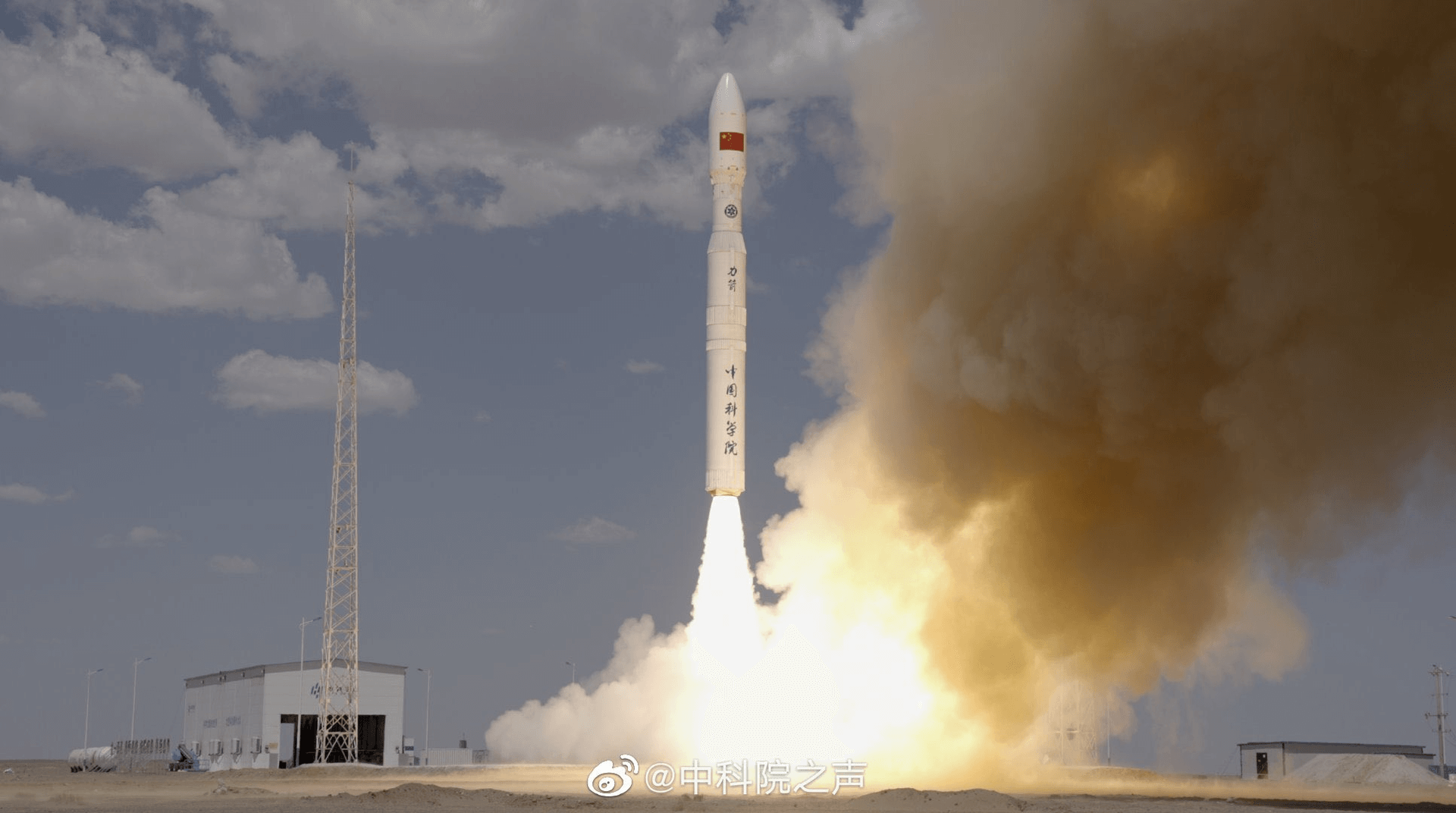
Today's brief highlights a nuclear battery startup's funding boost, advisory board additions in the space sector, and key military updates impacting space operations.

SpaceX successfully launched the NROL-48 mission, growing the National Reconnaissance Office's satellite fleet. Additionally, NASA introduced ten new astronaut candidates, increasing female representation in its ranks.

Forty-one years ago, astronaut Bruce McCandless II became the first human to float completely free in space, pushing the boundaries of both technology and human courage

SpaceX marks a significant milestone with its Bandwagon-3 mission, while Ukraine explores Starlink alternatives.
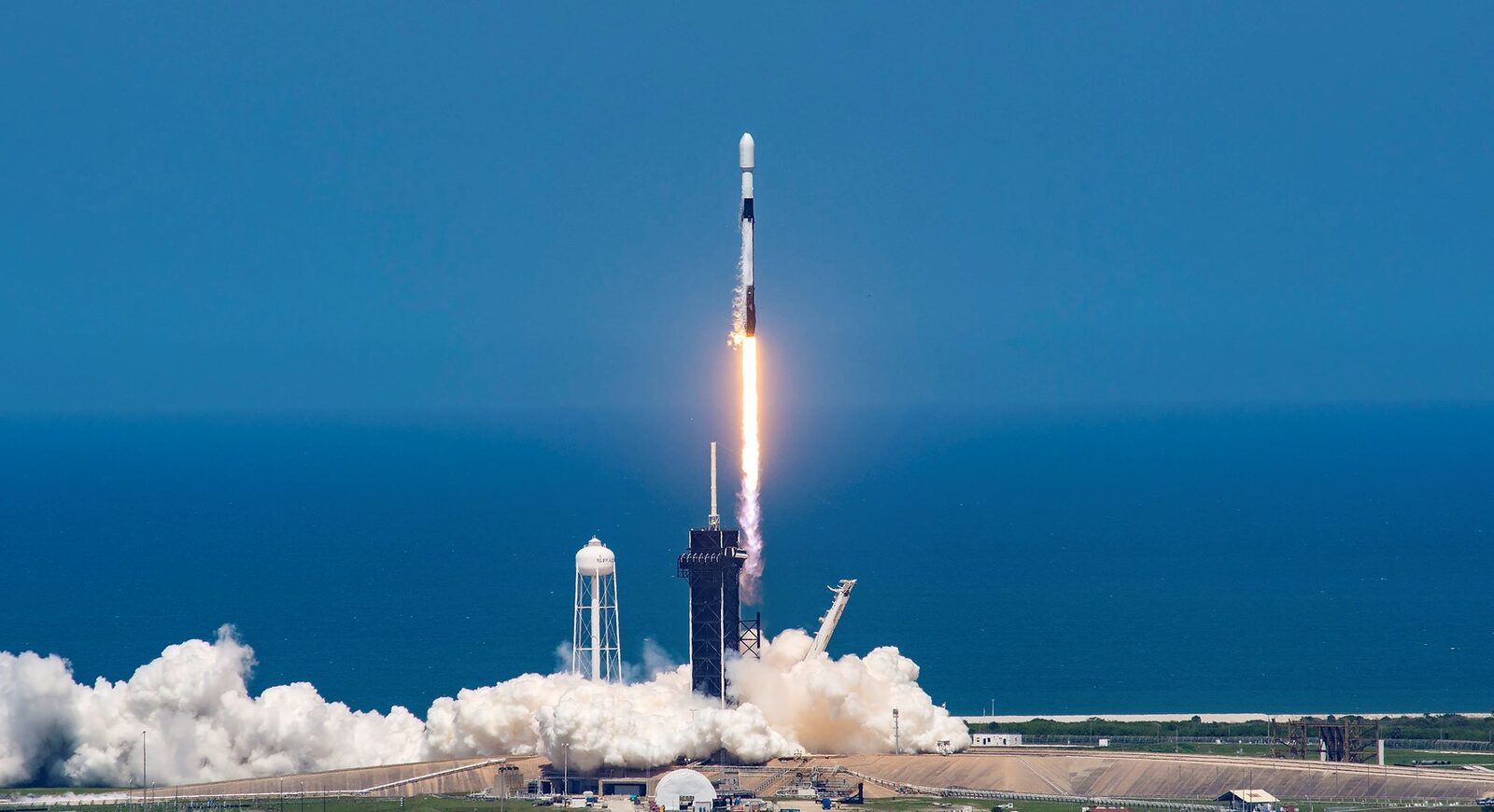
SpaceX completed a full 33-engine static fire on Booster 20, the longest duration test to date. The milestone clears a major hurdle before the next Starship flight attempt.

Today's Space Brief covers pivotal updates in military space capabilities, defense acquisitions, the UK's nuclear enhancements, and Boeing's financial challenges.
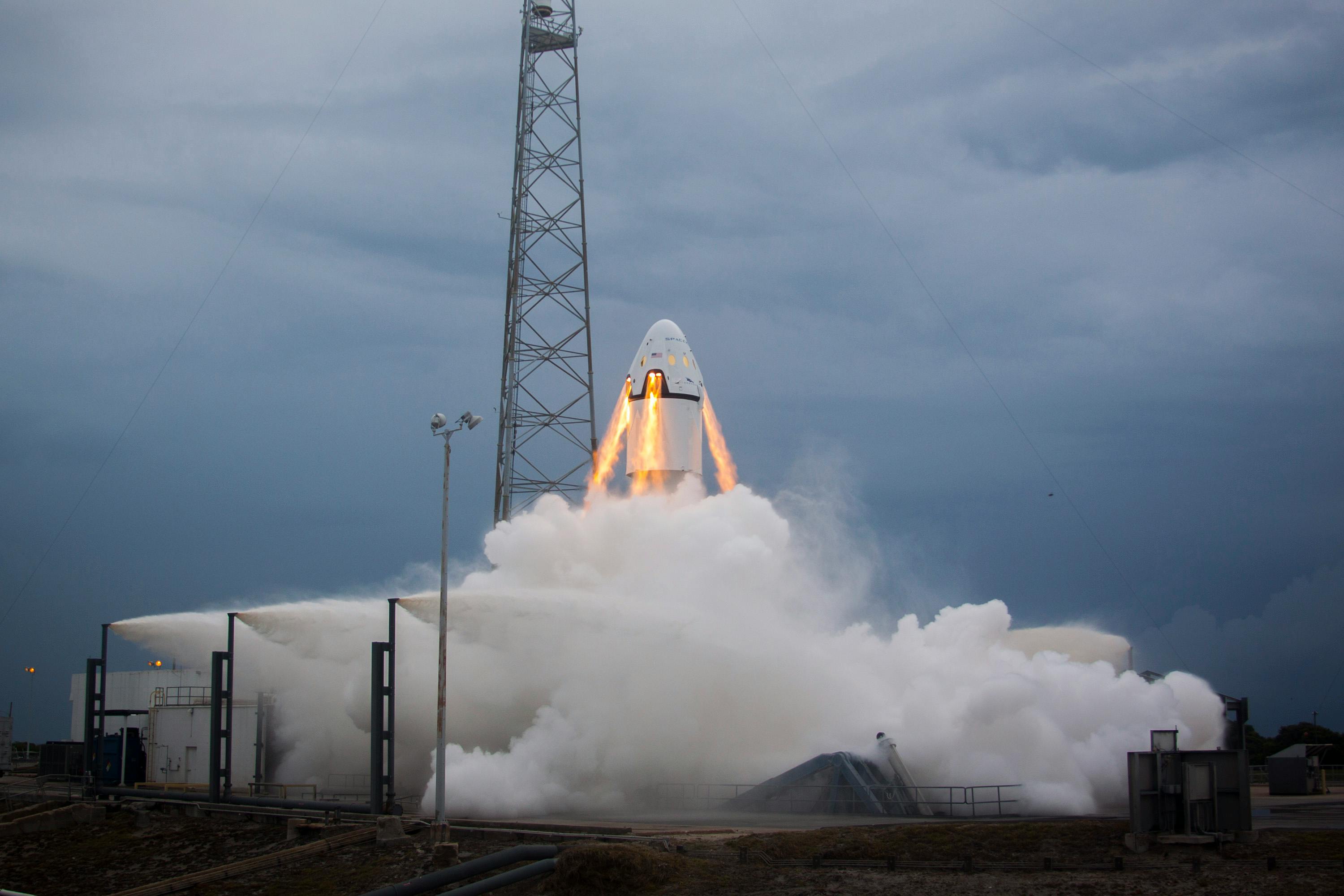
SpaceX achieves a milestone with its 350th successful mission, including a significant Starlink launch, while Starship advances in testing. Meanwhile, SpaceX boosts SiriusXM's satellite fleet and industry competitors make strides.