


X Report 15 Aug 2025
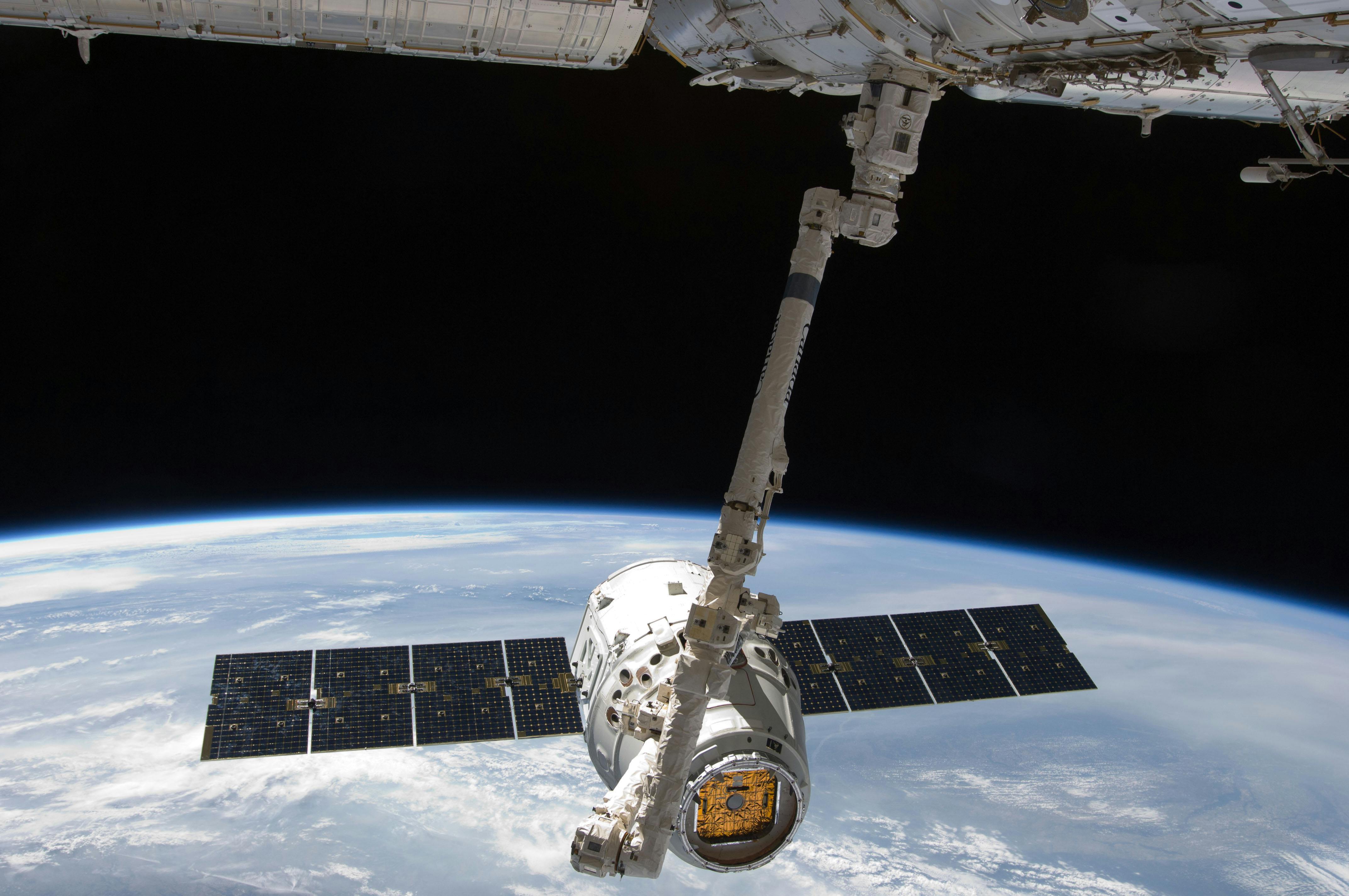
SpaceX achieves significant milestones with multiple satellite launches and ongoing challenges in rural broadband funding. Noteworthy advances in Starlink capabilities enhance international connectivity.



NORAD ID
57855
International Designator
2023-141R
Epoch
Sun, 19 Jul 2026 18:22:41 GMT
Apogee
Calculating...
Perigee
Calculating...
Inclination
53.16°
Right Ascension
30.34°
Eccentricity
Calculating...
Argument of Perigee
96.13°
Period
94.11 min
Mean Motion
15.30 rev/day
Latitude
Calculating...
Longitude
Calculating...
Altitude
Calculating...
Velocity
Calculating...
Name
STARLINK-30392
Alternative Name
Starlink 30392
Type
Status
Owner
SPXS
Country
United States
Constellation
N/A
Related Satellites
Major Events
N/A
1 57855U 23141R 26200.76575492 -.00000322 00000+0 12693-5 0 9999
2 57855 53.1607 30.3441 0001314 96.1319 263.9831 15.30192130160551
Source: Celestrak
Length
0.3
Diameter
4.1
Span
29
Dry Mass
700
Launch Mass
730
Shape
Box + pan
Radar Cross Section
Unknown
Visual Magnitude
Unknown
Color
Unknown
Material Composition
Unknown
Payload
Starlink Group 7-2-16
Purpose
Communication
Mission
Communication
Manufacturer
SPXS
Life Expectancy
Unknown
Bus
Starlink V2M
Configuration
Starlink v2 Mini
Motor
Argon ion thrusters
Equipment
Ku/Ka/E-band payload, optical inter-satellite link
Power System
Solar arrays, batteries
ADCS
Unknown
Transmitter Frequency
Unknown
Learn more about satellites and other related topics.
SpaceX achieves significant milestones with multiple satellite launches and ongoing challenges in rural broadband funding. Noteworthy advances in Starlink capabilities enhance international connectivity.
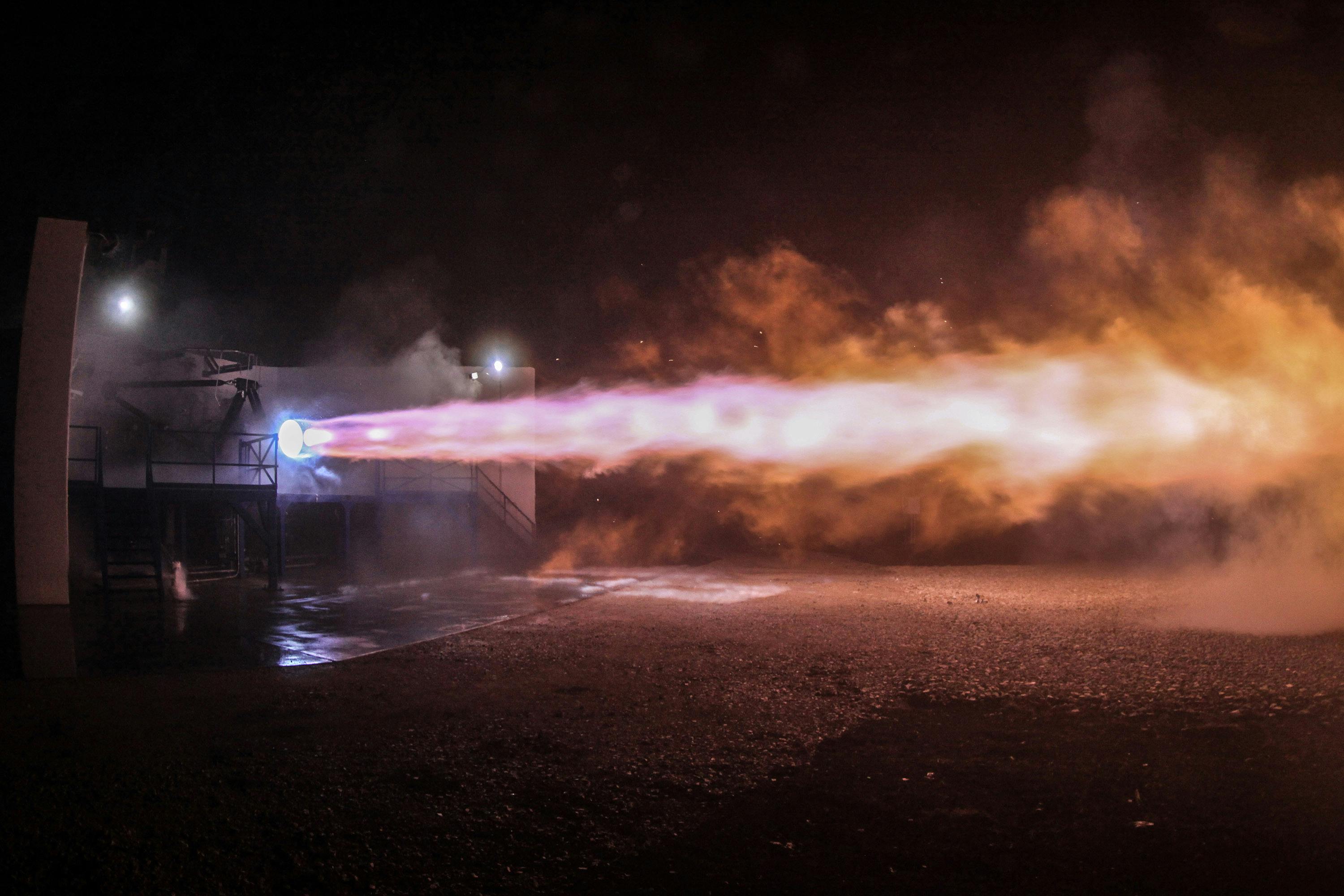
SpaceX has seen a flurry of activity with successful launches, static-fire tests for Starship, and ongoing preparations for future objectives, marking an exciting time for the aerospace company.

ESA and JAXA finalize collaboration for asteroid Apophis 2029 flyby at 32,000 km—closer than geostationary orbit. Historic near-Earth encounter being heavily observed.

MDA Space and Hanwha target South Korea's K-LEO defense satellite network. House passes $839B defense bill. Pentagon picks 25 vendors for $150M drone competition.

Artemis 2 Orion carries first humans toward the Moon in 53 years. Spacecraft in good health after trans-lunar injection; lunar flyby observation plan due April 6.

Congress passes FY2026 spending bill reinstating NASA funding. Slingshot Aerospace wins $27M Space Force contract for AI satellite training. Portal Space selects Atomic-6 debris shield for 2026 mission.

Today's briefing covers China's rapid satellite launch activities, new Pentagon contracts for rocket motors, the Dream Chaser spaceplane's upcoming flight, and more.

On April 12, 1961, a 27-year-old Soviet pilot rode a modified ICBM into orbit and came back alive after 108 minutes. Exactly twenty years later, two Americans climbed aboard an untested spacecraft covered in 31,000 ceramic tiles and bet their lives that the math was right.