


X Report 7 Apr 2025
SpaceX prepares for another Starlink launch today, following a successful deployment over the weekend from Florida's Space Coast.



NORAD ID
57850
International Designator
2023-141L
Epoch
Sun, 19 Jul 2026 19:43:10 GMT
Apogee
Calculating...
Perigee
Calculating...
Inclination
53.16°
Right Ascension
30.46°
Eccentricity
Calculating...
Argument of Perigee
98.09°
Period
94.11 min
Mean Motion
15.30 rev/day
Latitude
Calculating...
Longitude
Calculating...
Altitude
Calculating...
Velocity
Calculating...
Name
STARLINK-30425
Alternative Name
Starlink 30425
Type
Status
Owner
SPXS
Country
United States
Constellation
N/A
Related Satellites
Major Events
N/A
1 57850U 23141L 26200.82164758 .00000289 00000+0 21886-4 0 9994
2 57850 53.1615 30.4564 0001281 98.0937 262.0209 15.30194236160550
Source: Celestrak
Length
0.3
Diameter
4.1
Span
29
Dry Mass
700
Launch Mass
730
Shape
Box + pan
Radar Cross Section
Unknown
Visual Magnitude
Unknown
Color
Unknown
Material Composition
Unknown
Payload
Starlink Group 7-2-11
Purpose
Communication
Mission
Communication
Manufacturer
SPXS
Life Expectancy
Unknown
Bus
Starlink V2M
Configuration
Starlink v2 Mini
Motor
Argon ion thrusters
Equipment
Ku/Ka/E-band payload, optical inter-satellite link
Power System
Solar arrays, batteries
ADCS
Unknown
Transmitter Frequency
Unknown
Learn more about satellites and other related topics.
SpaceX prepares for another Starlink launch today, following a successful deployment over the weekend from Florida's Space Coast.

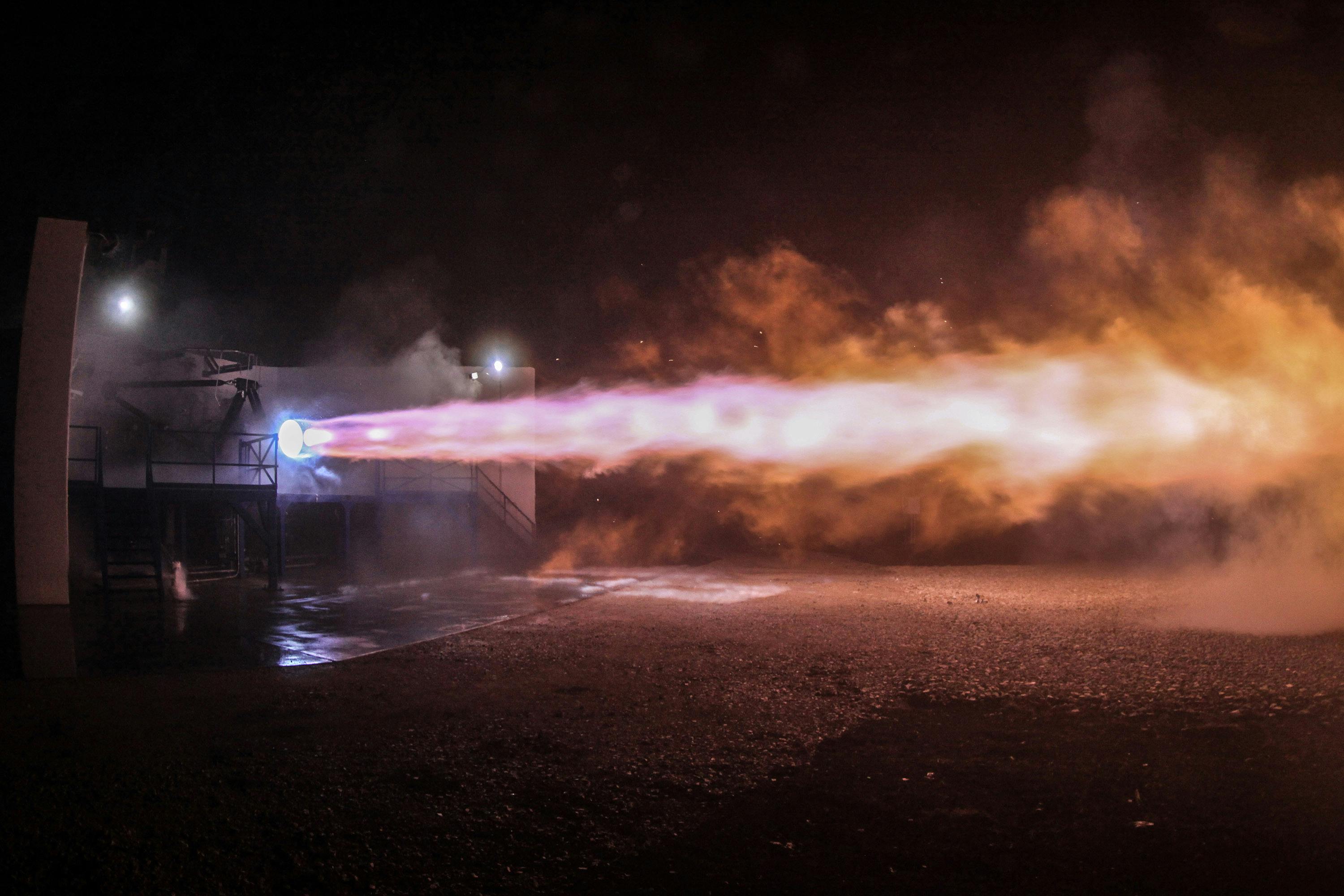
SpaceX advances with new Starship engine tests and celebrates a festive launch at Vandenberg. Jared Isaacman's NASA nomination brings excitement and scrutiny.
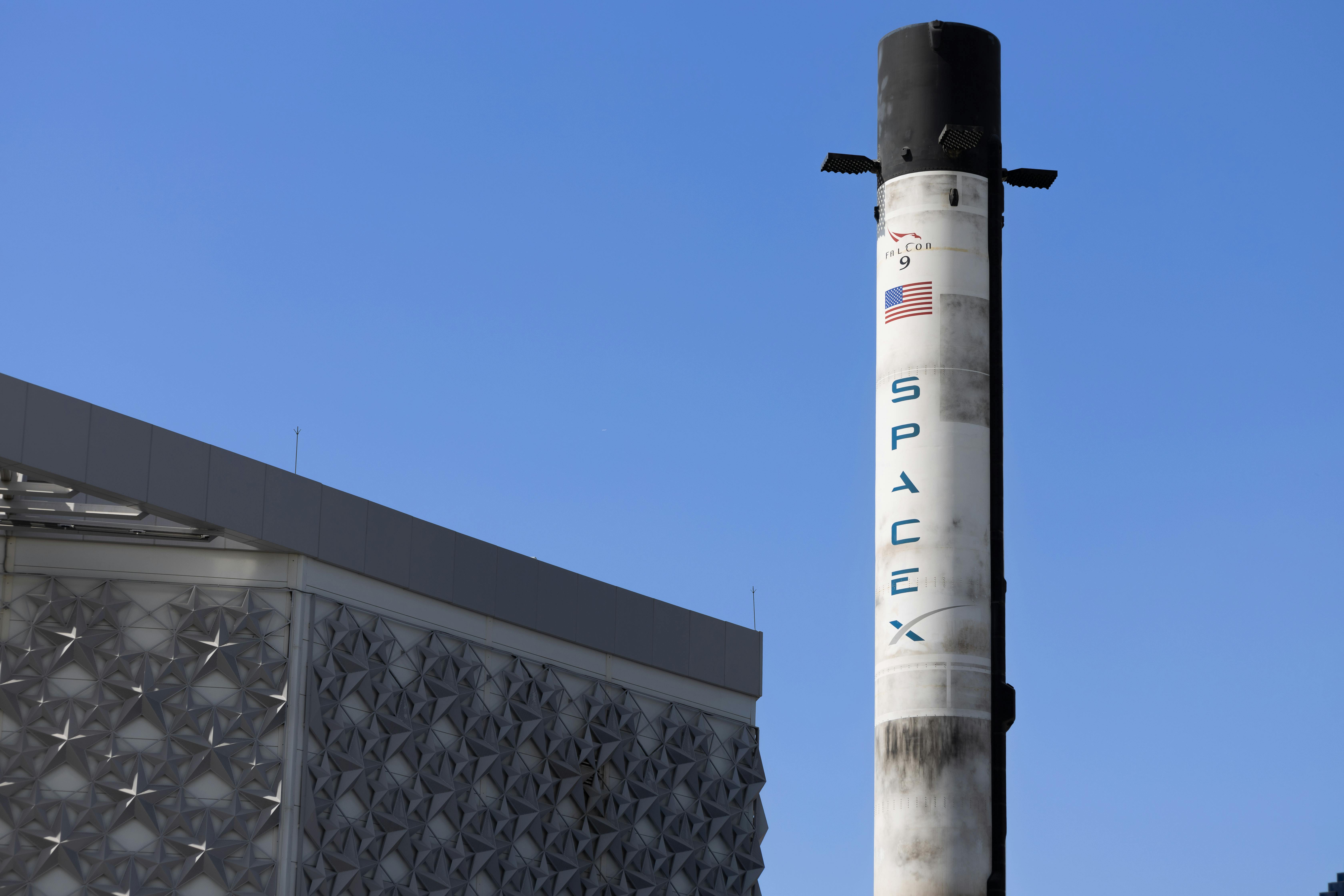
SpaceX faces regulatory review for Bahamian rocket landings, positions itself for a major government contract, and a new Star Wars Lego set adds to the fun!

SpaceX successfully launched 28 Starlink satellites while preparing for the upcoming Ax-4 mission to the ISS. Significant progress continues in their ongoing space endeavors.
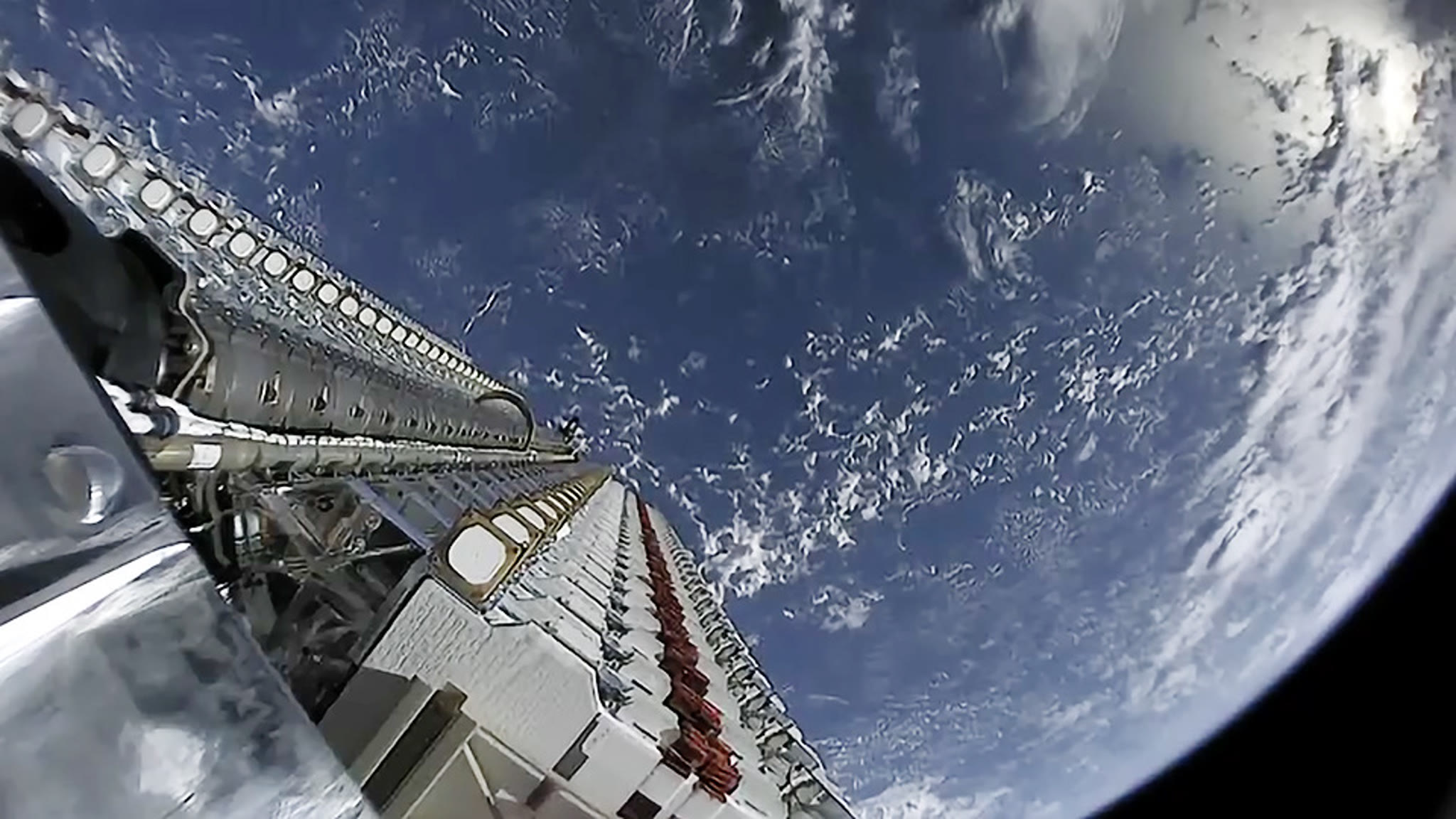
Starlink satellites fired their thrusters to dodge a collision roughly 300,000 times in 2025, about 822 times a day. Behind that number is a fragile, half-automated system of warnings, probabilities, and judgment calls that decides which close approaches are worth a maneuver and which are just noise.
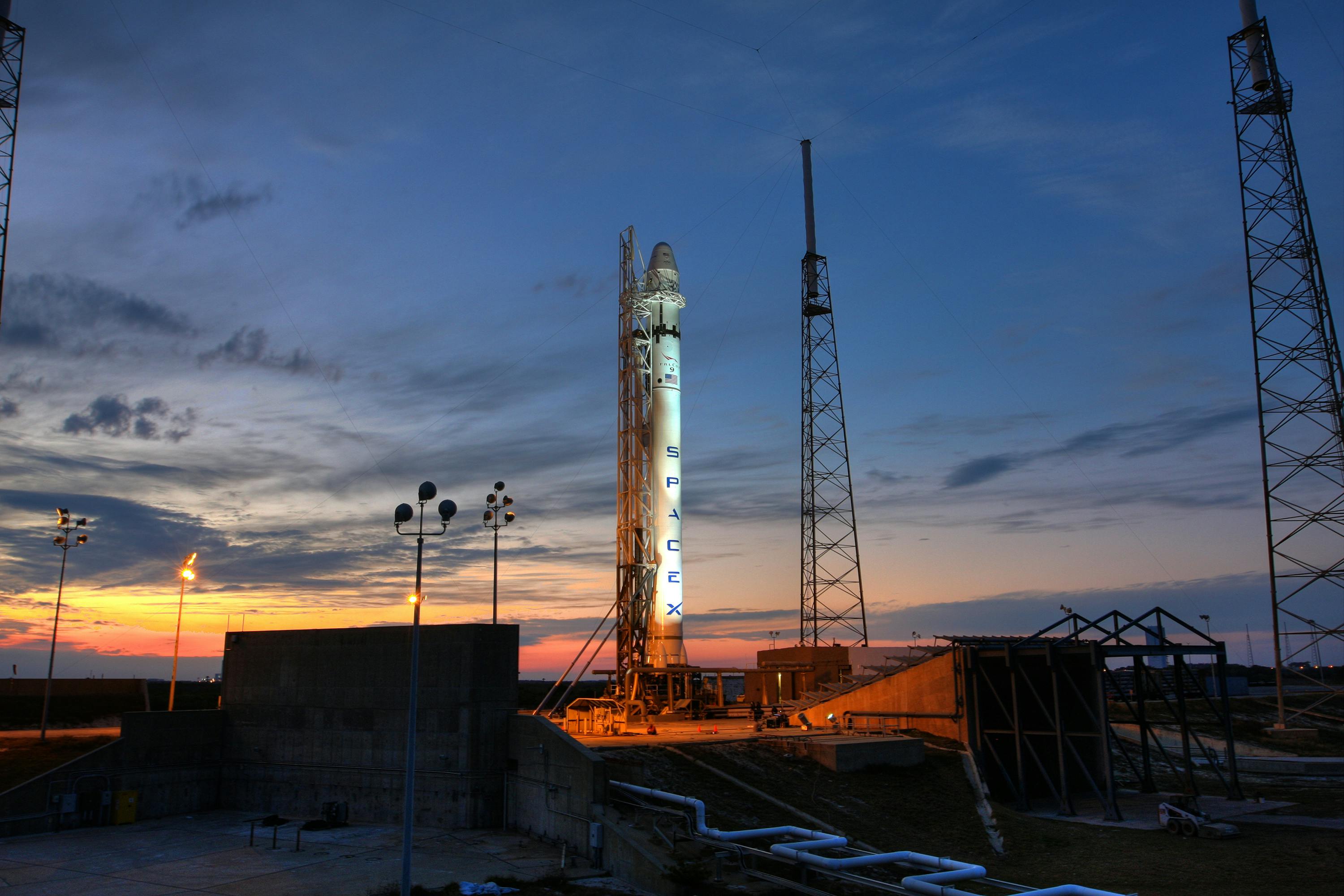
SpaceX shifts launch priorities to Vandenberg as Falcon 9 era winds down, while Anthropic signs orbital data center deal with the company.
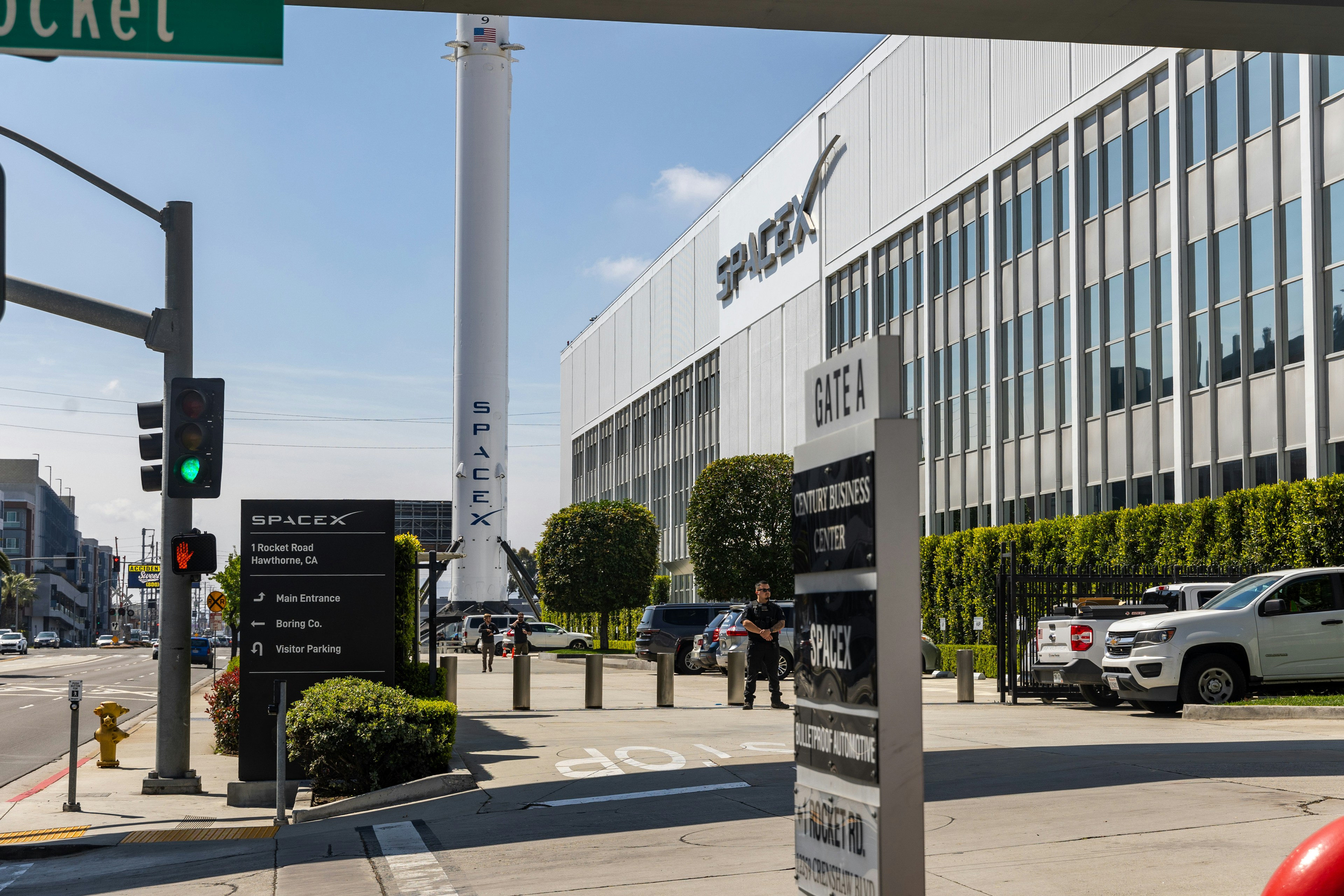
SpaceX's Crew-10 mission safely docks with the ISS, setting up for a crew rotation. Starlink continues its global expansion with additional satellite deployments.
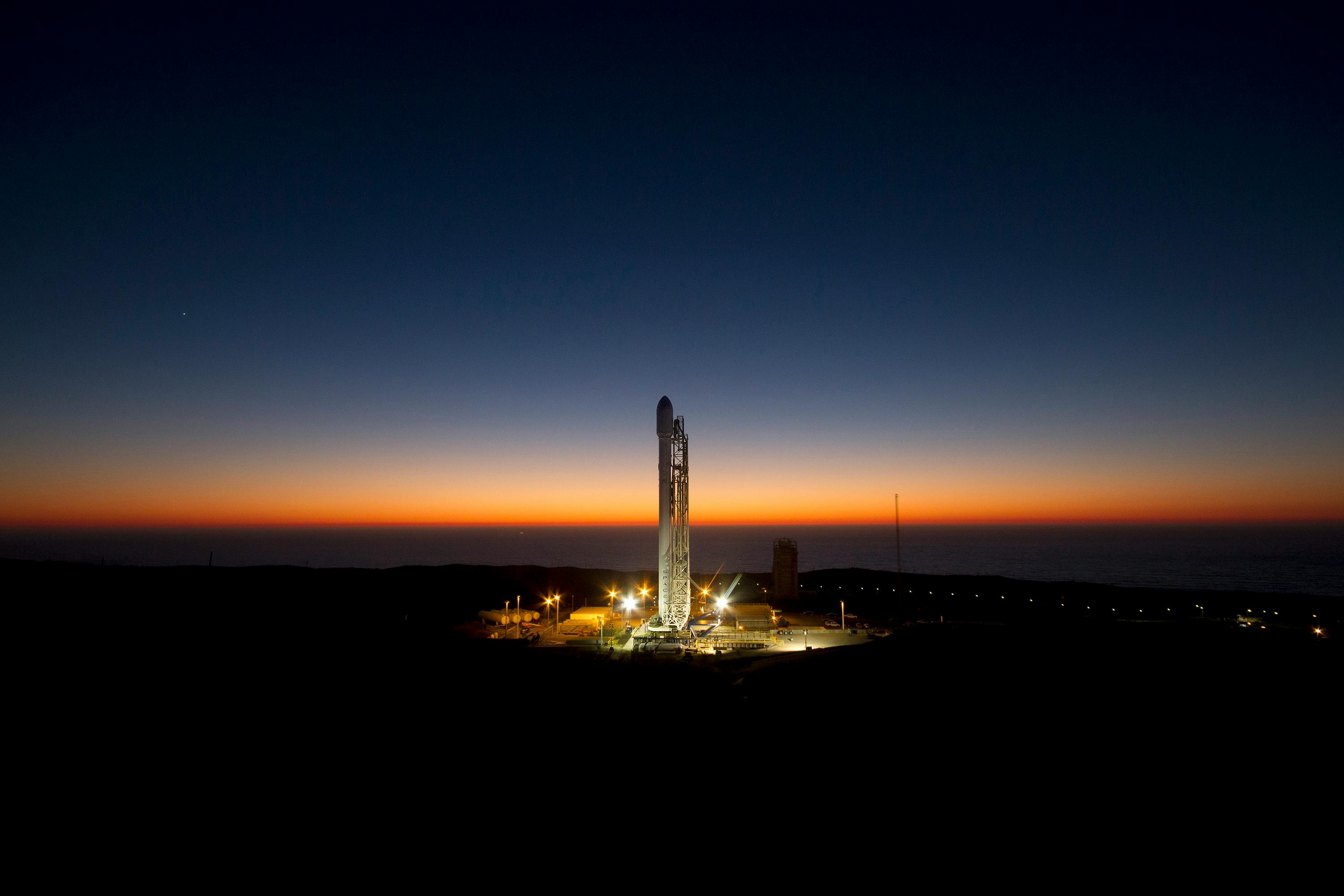
Starship launch site construction progresses at Kennedy Space Center and Cape Canaveral. Elon Musk trolls Ryanair after budget airline refuses to install Starlink on its fleet.