

NROL-179 Starshield Satellites Launch from Vandenberg | KeepTrack X Report
SpaceX launched NROL-179 from Vandenberg at 1:50 a.m. PDT June 19, carrying Starshield spy satellites for the National Reconnaissance Office.


Launch Date
September 6, 2023
Launch Site
TANSC
Launch Pad
Y
Launch Vehicle
H-IIA 202
NORAD ID
57804
International Designator
2023-137E
Decay Date
1/3/2025
Name
H-2A R/B
Alternative Name
H-2A F47 Stage 2
Type
Status
Owner
MHI
Country
Japan
Constellation
N/A
Related Satellites
Major Events
N/A
Length
9.2
Diameter
4
Span
9.2
Dry Mass
4000
Launch Mass
4000
Shape
Cyl
Radar Cross Section
Unknown
Visual Magnitude
Unknown
Color
Unknown
Material Composition
Unknown
Payload
H-2A Stage 2
Purpose
Unknown
Mission
Unknown
Manufacturer
MHITO
Life Expectancy
Unknown
Bus
H-2A Stage 2
Configuration
Unknown
Motor
Unknown
Equipment
Unknown
Power System
Unknown
ADCS
Unknown
Transmitter Frequency
Unknown
Learn more about satellites and other related topics.
SpaceX launched NROL-179 from Vandenberg at 1:50 a.m. PDT June 19, carrying Starshield spy satellites for the National Reconnaissance Office.

Today's brief covers launches by SpaceX and mysterious Space Force missions, along with updates on Japan's moon lander and US-UAE defense deals.

Latest updates include China's Lijian-1 launching 15 satellites, a fiery Starlink reentry, SpaceX's milestone Falcon 9 booster landing, and China's support for its commercial space sector.

In today's update, SpaceX successfully launched 28 Starlink satellites from Vandenberg, while Italy grapples with its satellite strategy amid rising reliance on Starlink services.

Follow the complete Artemis II mission in KeepTrack's 3D tracker. Replay Orion's full flight path from launch through the lunar flyby to Pacific splashdown, and scrub to any moment of the ten-day mission.
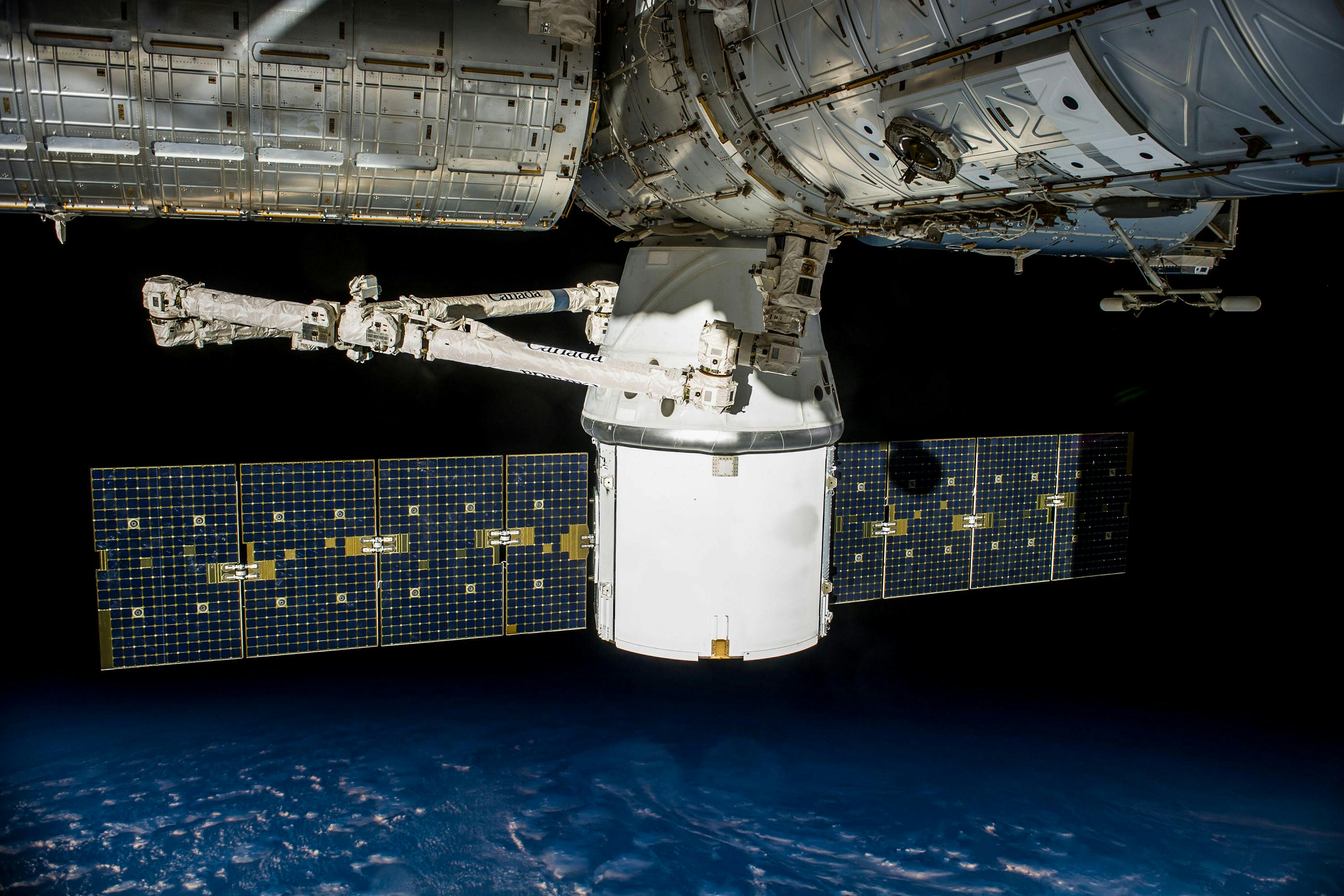
SpaceX prepares for the next Starship test flight with significant vehicle upgrades, launches UAE's Thuraya-4 satellite, and reflects on a record-breaking 2024 while planning for a promising 2025.
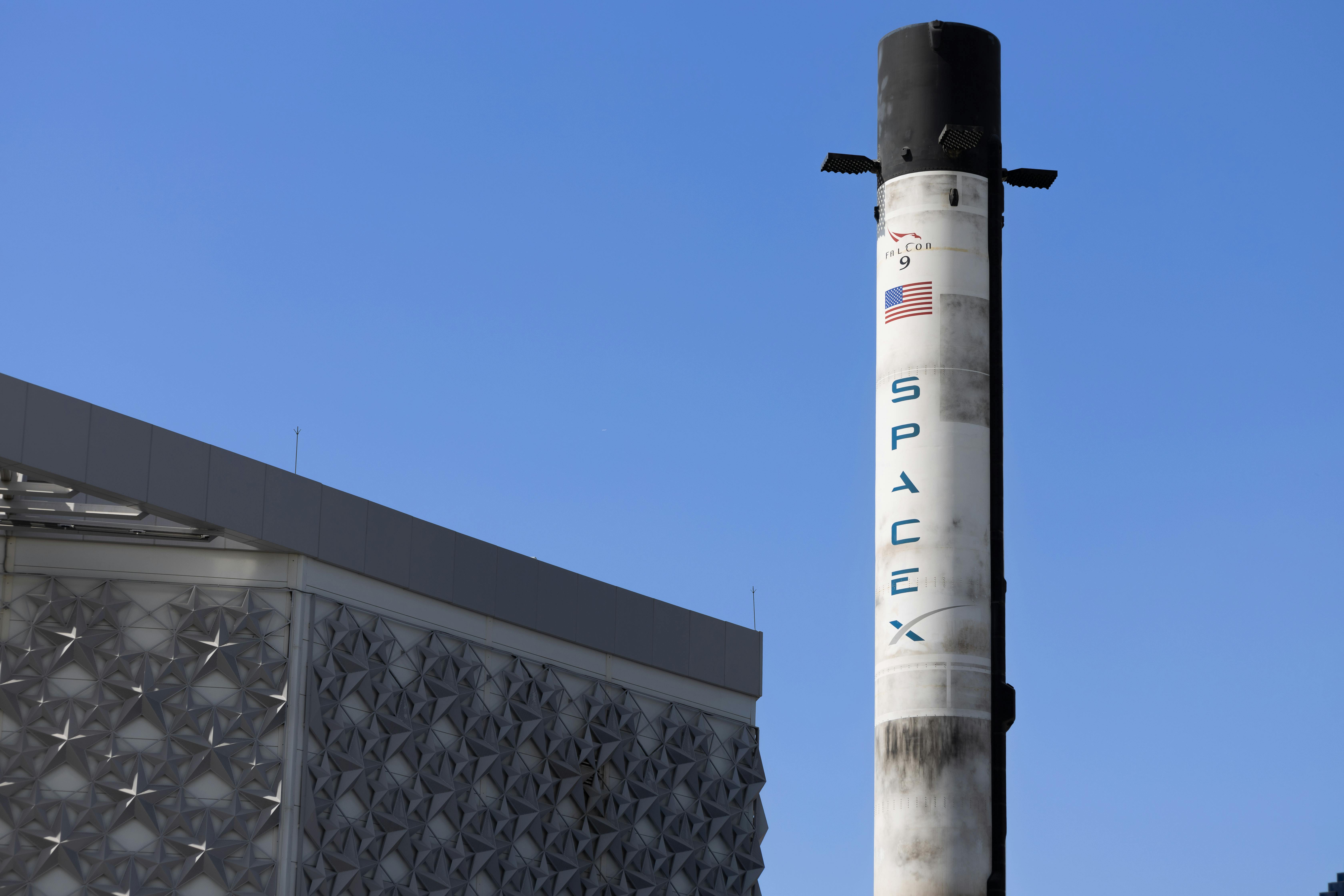
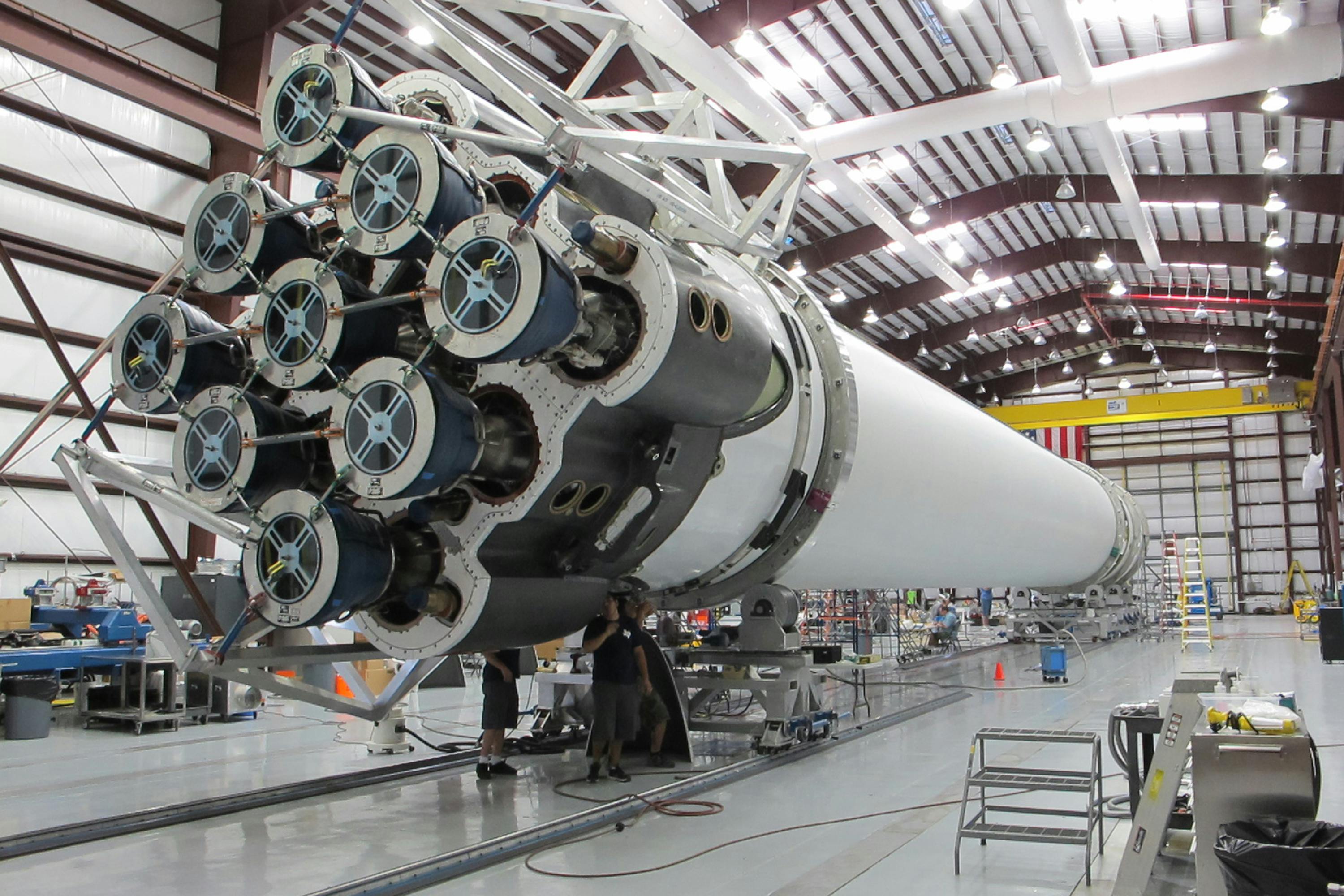
SpaceX sets a new launch record as it prepares for its 133rd Falcon 9 mission. Additionally, developments in satellite technology and mergers in the space sector highlight the ongoing competition.

For nearly two decades, the U.S. Air Force and Space Force have been the world's unofficial civilian space traffic control system. The Department of Commerce's Traffic Coordination System for Space (TraCSS) is now taking over that job for commercial satellite operators - in stages, against persistent congressional pressure to kill the program, and with Department of Defense advocates pushing to make it happen before it is too late.