



Space Brief 24 Aug 2025
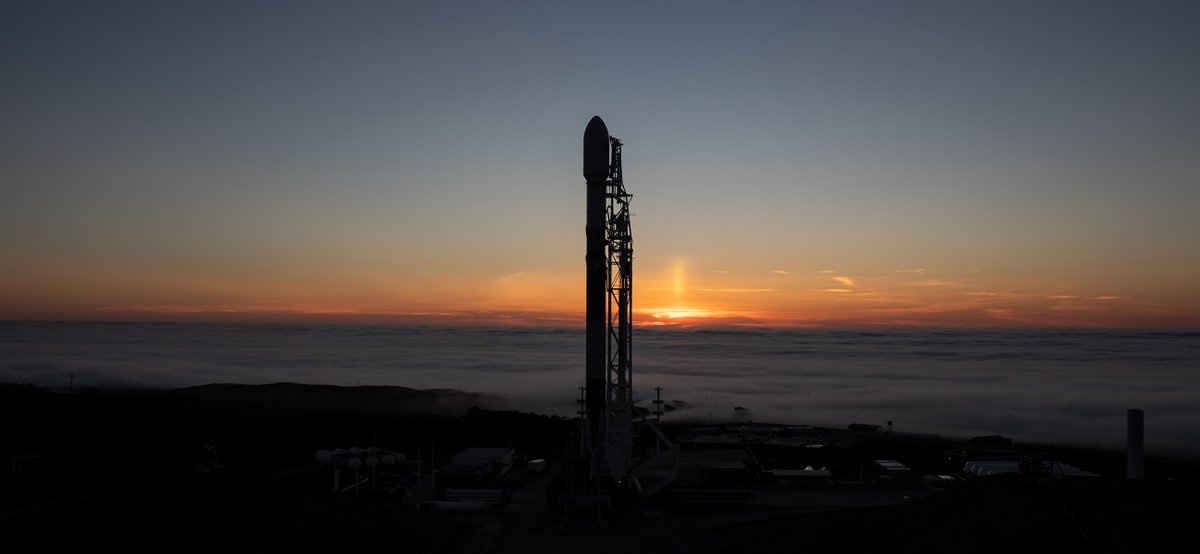
Today's brief covers SpaceX's secretive military launch, advancements in nuclear fusion, and groundbreaking observations of dying stars and supernovae.


NORAD ID
57766
International Designator
2023-133K
Epoch
Sun, 19 Jul 2026 19:54:04 GMT
Apogee
Calculating...
Perigee
Calculating...
Inclination
81.00°
Right Ascension
336.14°
Eccentricity
Calculating...
Argument of Perigee
274.80°
Period
103.93 min
Mean Motion
13.86 rev/day
Latitude
Calculating...
Longitude
Calculating...
Altitude
Calculating...
Velocity
Calculating...
Name
WILDFIRE 10
Alternative Name
Wildfire 10
Type
Status
Owner
SDA
Country
United States
Constellation
N/A
Related Satellites
Major Events
N/A
1 57766U 23133K 26200.82922280 -.00000135 00000+0 -12824-3 0 9996
2 57766 81.0038 336.1419 0005503 274.7980 85.2548 13.85603308145560
Source: Celestrak
Length
1
Diameter
0.4
Span
2.5
Dry Mass
300
Launch Mass
300
Shape
Box + 2 panels
Radar Cross Section
Unknown
Visual Magnitude
Unknown
Color
Unknown
Material Composition
Unknown
Payload
SDA-0B TPL LM10
Purpose
Unknown
Mission
Unknown
Manufacturer
TYVAK/LMSSD
Life Expectancy
Unknown
Bus
Mavericks
Configuration
Unknown
Motor
Unknown
Equipment
Unknown
Power System
Unknown
ADCS
Unknown
Transmitter Frequency
Unknown
Learn more about satellites and other related topics.
Today's brief covers SpaceX's secretive military launch, advancements in nuclear fusion, and groundbreaking observations of dying stars and supernovae.

Today marks a significant milestone as SpaceX successfully launches another batch of Starlink satellites, boosting global connectivity efforts.

Today's Space Brief brings updates on the U.S. Space Force's upcoming missions, in-space technology strategies, the challenges faced by new launchers, and advancements in satellite communication.

Today's space news highlights include the proposed budget expansion for the U.S. Space Force, a new CubeSat milestone for ESA's asteroid mission, and challenges with SpaceX's Starlink launch. Also, we celebrate the one-year anniversary of the Aries SN1 satellite in orbit.
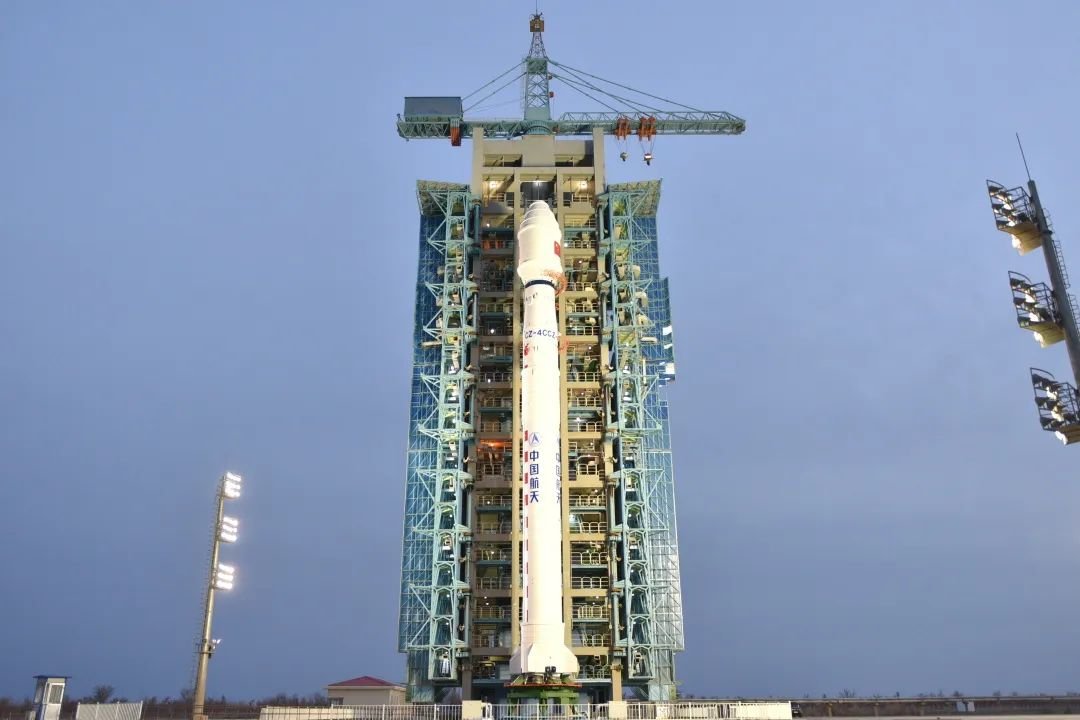
Discover the latest in satellite technology with the launch of the world's first wooden satellite, new test materials for the ISS, and significant developments in orbital space debris.
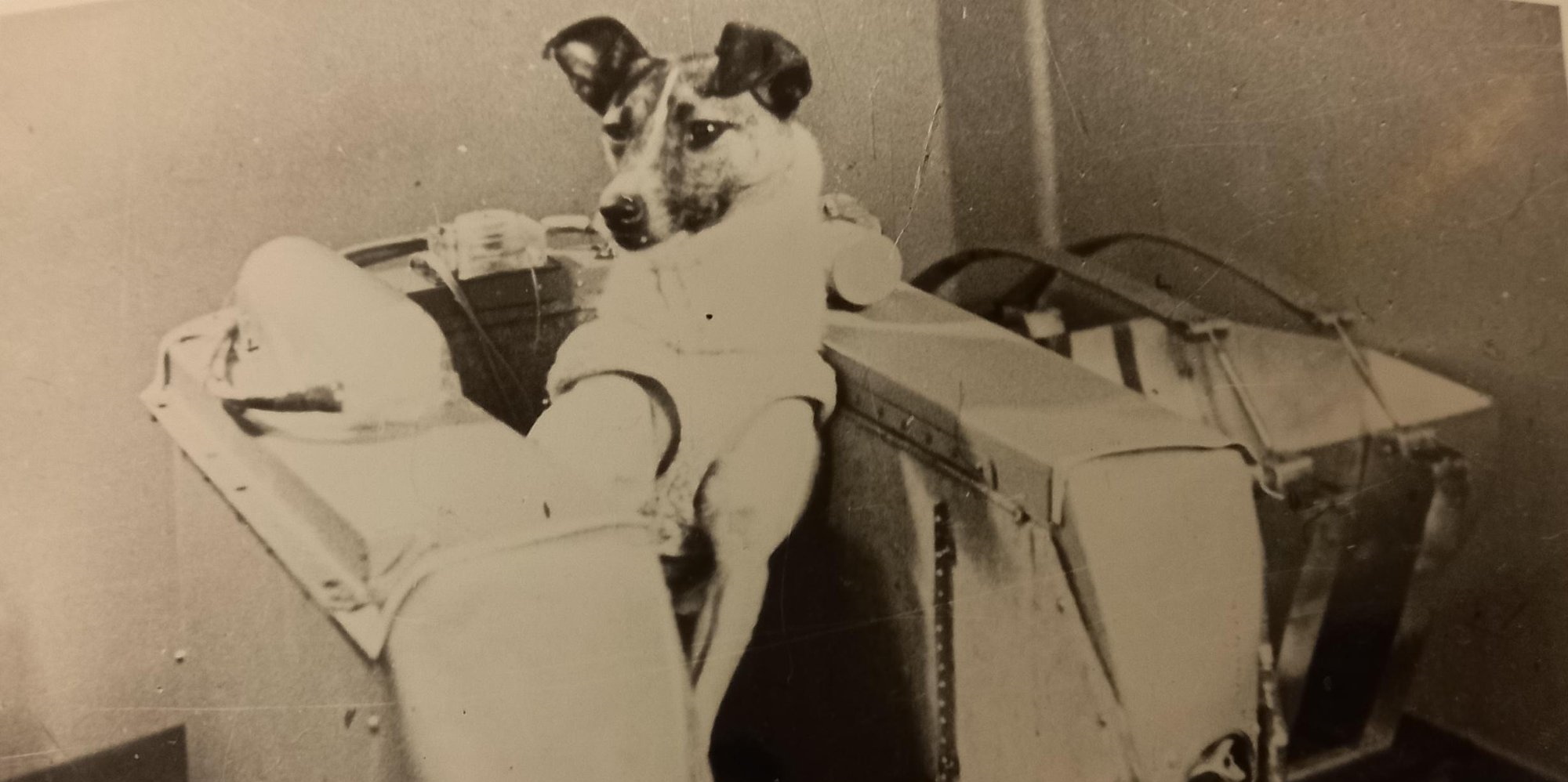
On April 14, 1958, Sputnik 2 burned up over the North Atlantic, carrying the remains of a stray dog from Moscow who had been dead for five months. The Soviet Union told the world she survived for days. It took forty-five years for the truth to come out.

SpaceX made significant strides with the launch of 28 Starlink satellites while navigating regulatory challenges regarding rural broadband funding. Additionally, developments on the Crew Dragon mission continue to evolve with a change in cosmonaut assignment.
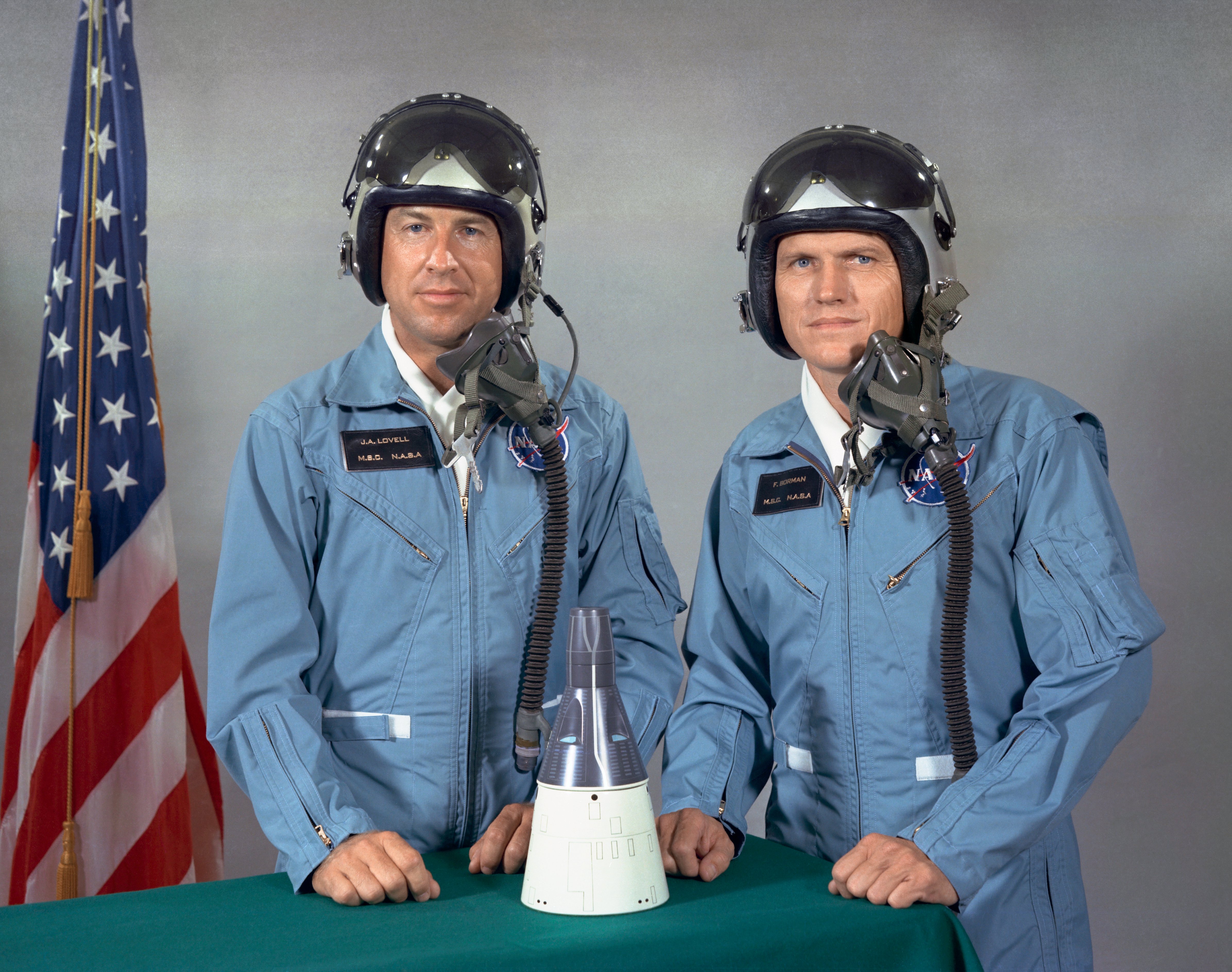
Sixty years ago, Frank Borman and James Lovell launched aboard Gemini 7 for a grueling 14-day mission that would prove humans could endure the journey to the moon and achieve the first true rendezvous in space