


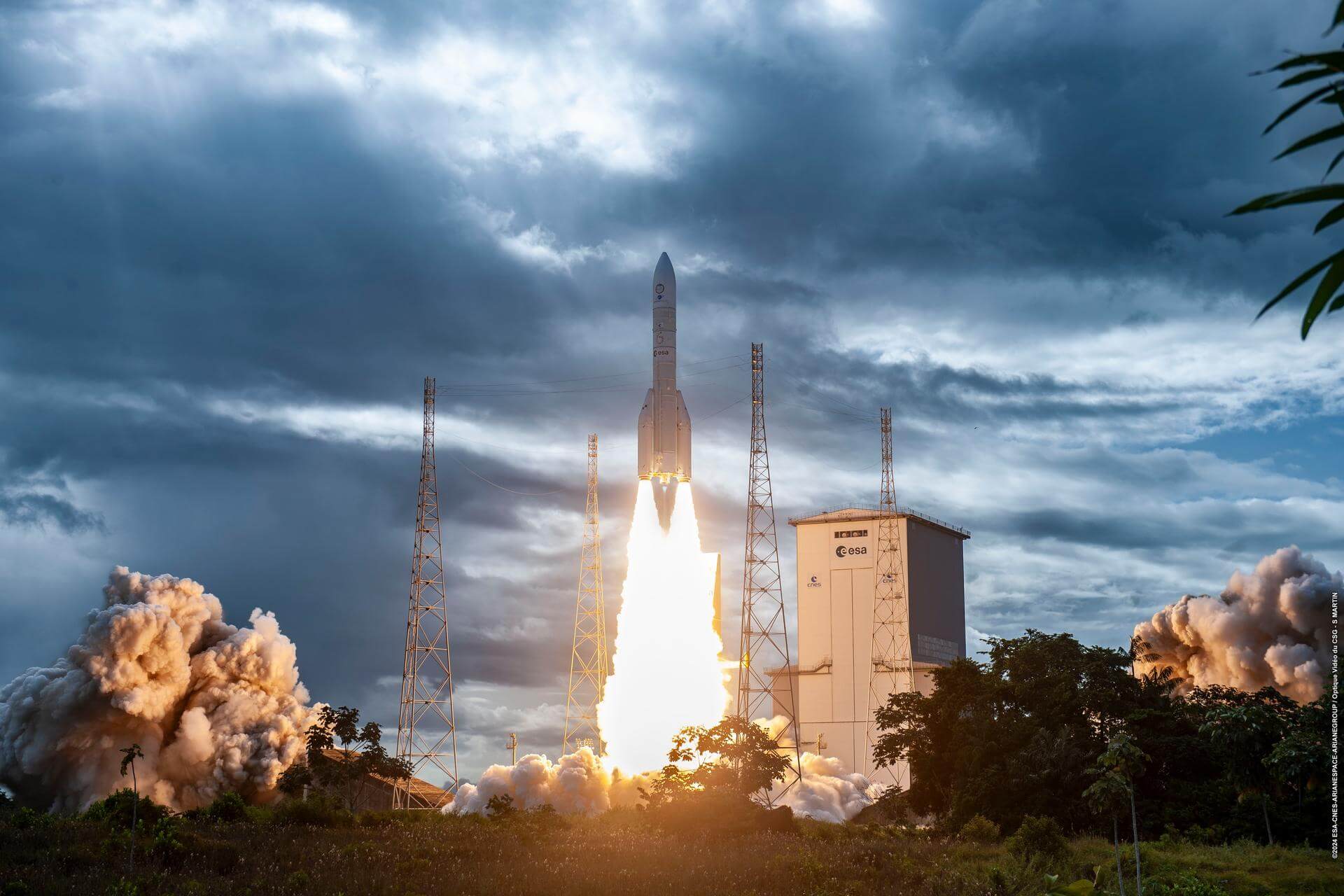
Space Brief 23 Feb 2025
SpaceX launches Starlink satellites from both coasts, while first 3D atmospheric map of an exoplanet reveals extreme weather patterns, and Starlink missions push total count over 8,000 satellites.



NORAD ID
57666
International Designator
2023-124D
Epoch
Sun, 19 Jul 2026 20:36:44 GMT
Apogee
Calculating...
Perigee
Calculating...
Inclination
53.16°
Right Ascension
12.92°
Eccentricity
Calculating...
Argument of Perigee
95.22°
Period
93.82 min
Mean Motion
15.35 rev/day
Latitude
Calculating...
Longitude
Calculating...
Altitude
Calculating...
Velocity
Calculating...
Name
STARLINK-30301
Alternative Name
Starlink 30301
Type
Status
Owner
SPXS
Country
United States
Constellation
N/A
Related Satellites
Major Events
N/A
1 57666U 23124D 26200.85884711 .00013322 00000+0 39935-3 0 9996
2 57666 53.1609 12.9159 0002195 95.2186 264.9067 15.34823410162937
Source: Celestrak
Length
0.3
Diameter
4.1
Span
29
Dry Mass
700
Launch Mass
730
Shape
Box + pan
Radar Cross Section
Unknown
Visual Magnitude
Unknown
Color
Unknown
Material Composition
Unknown
Payload
Starlink Group 7-1-04
Purpose
Communication
Mission
Communication
Manufacturer
SPXS
Life Expectancy
Unknown
Bus
Starlink V2M
Configuration
Starlink v2 Mini
Motor
Argon ion thrusters
Equipment
Ku/Ka/E-band payload, optical inter-satellite link
Power System
Solar arrays, batteries
ADCS
Unknown
Transmitter Frequency
Unknown
Learn more about satellites and other related topics.
SpaceX launches Starlink satellites from both coasts, while first 3D atmospheric map of an exoplanet reveals extreme weather patterns, and Starlink missions push total count over 8,000 satellites.

Space Force scraps SDA transport layer, requests $1.6 billion for proliferated LEO SATCOM constellation. Roger Mason nominated to lead NRO.
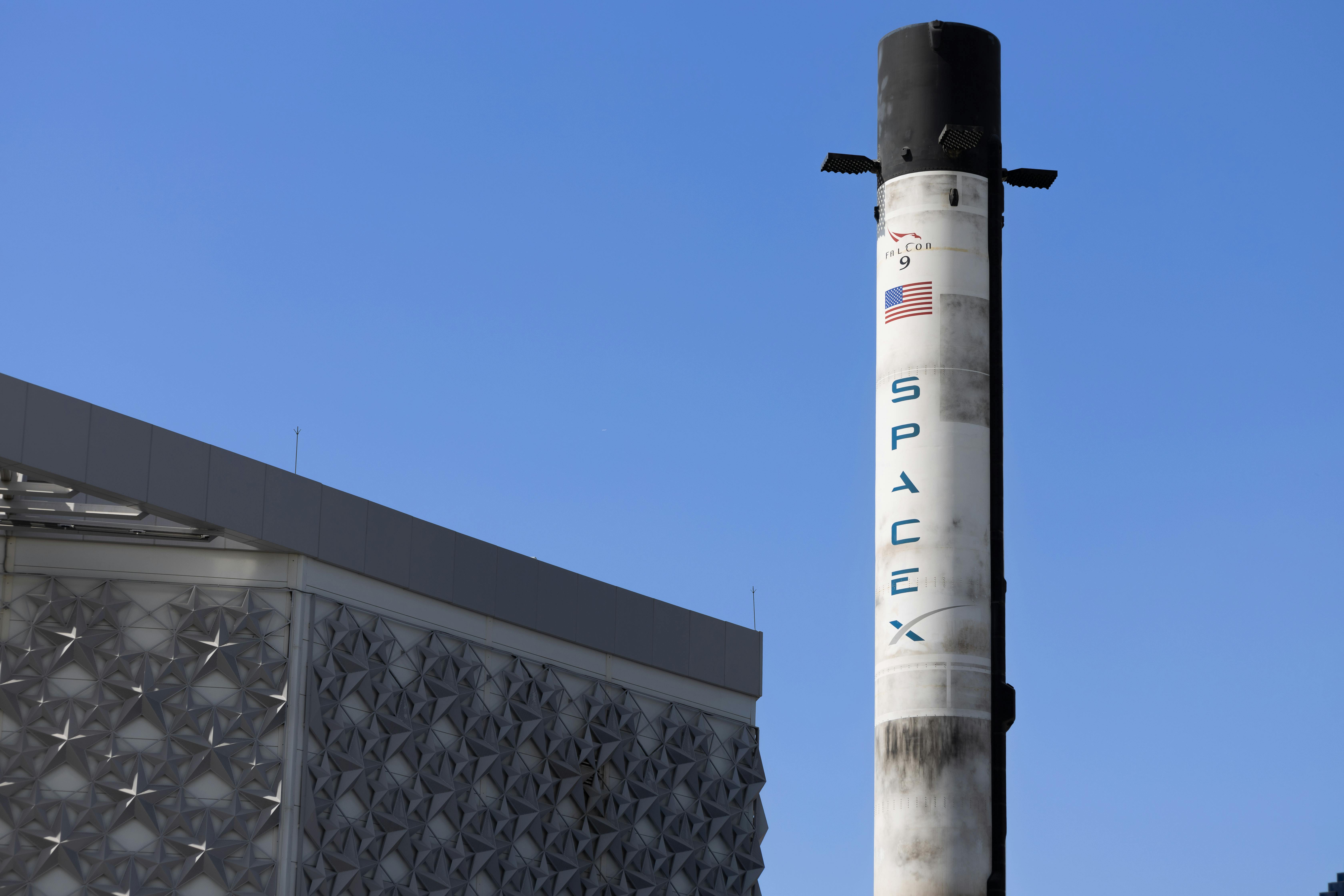
SpaceX targets its 600th Falcon 9 booster landing on Starlink 17-22, lofting 25 satellites from Vandenberg. Plus a 2028 SpaceX ride for ESA's Mars rover.

Today's Space Brief covers China's latest satellite launch, Russian threats to UK satellites, European defense strategies, and upcoming satellite launches from SatLeo and Quantum Space.

Falcon Heavy flew for the first time in eighteen months on April 29, 2026, expending its center core to push Viasat's final ViaSat-3 satellite toward geostationary orbit. The mission is a flagship rocket doing what only it can still do, for an operator betting six tons of high-throughput hardware on a market Starlink is rapidly redefining.

Pentagon puts LEO constellation layers on hold during acquisition review. SpaceX and xAI join $100M autonomous drone contest. China's Zenk Space completes first stage static fire.
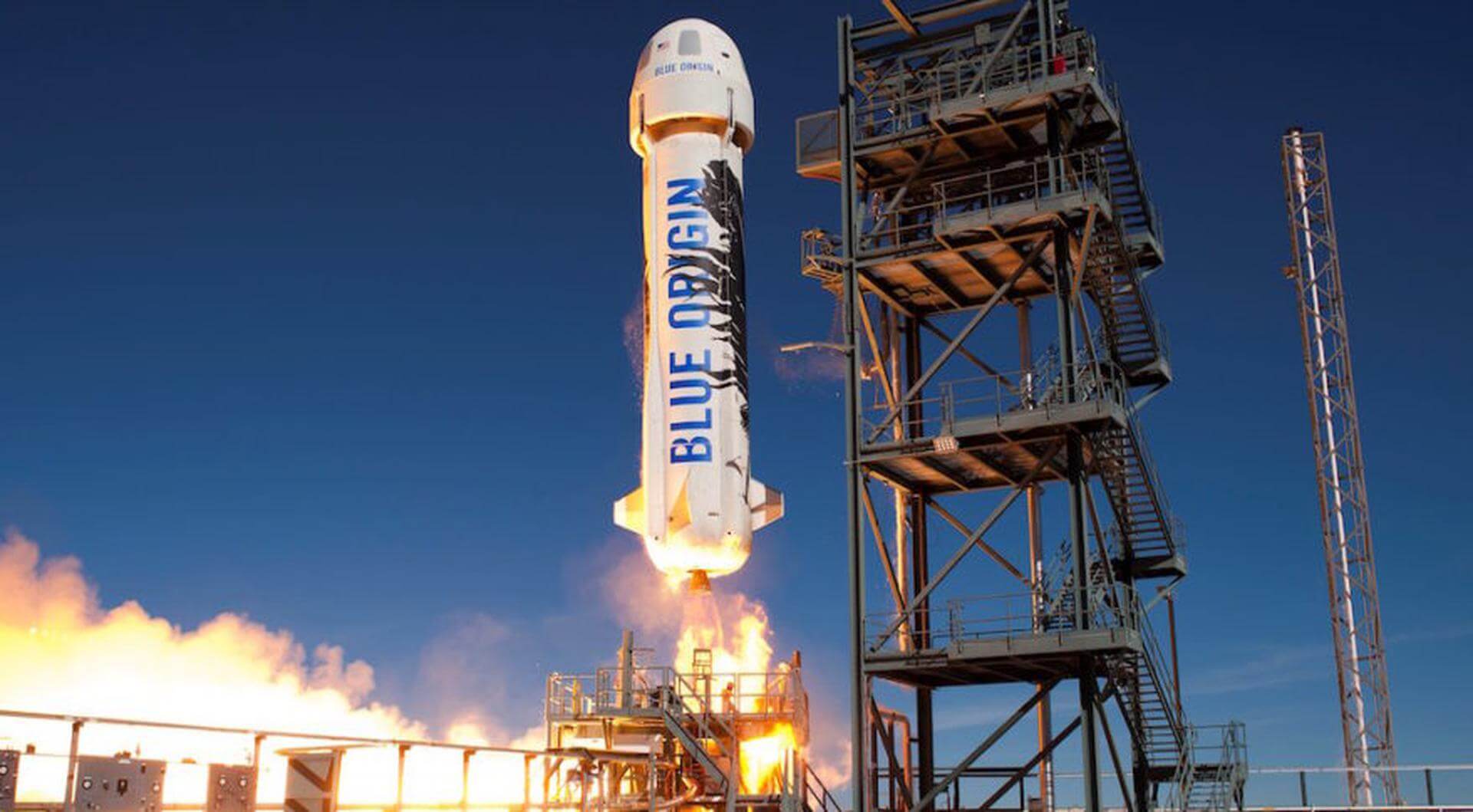
Today's brief covers significant space events, including milestone national security certifications for ULA Vulcan and Rocket Lab, SpaceX's groundbreaking polar orbit mission, and a failed launch attempt by Isar Aerospace.
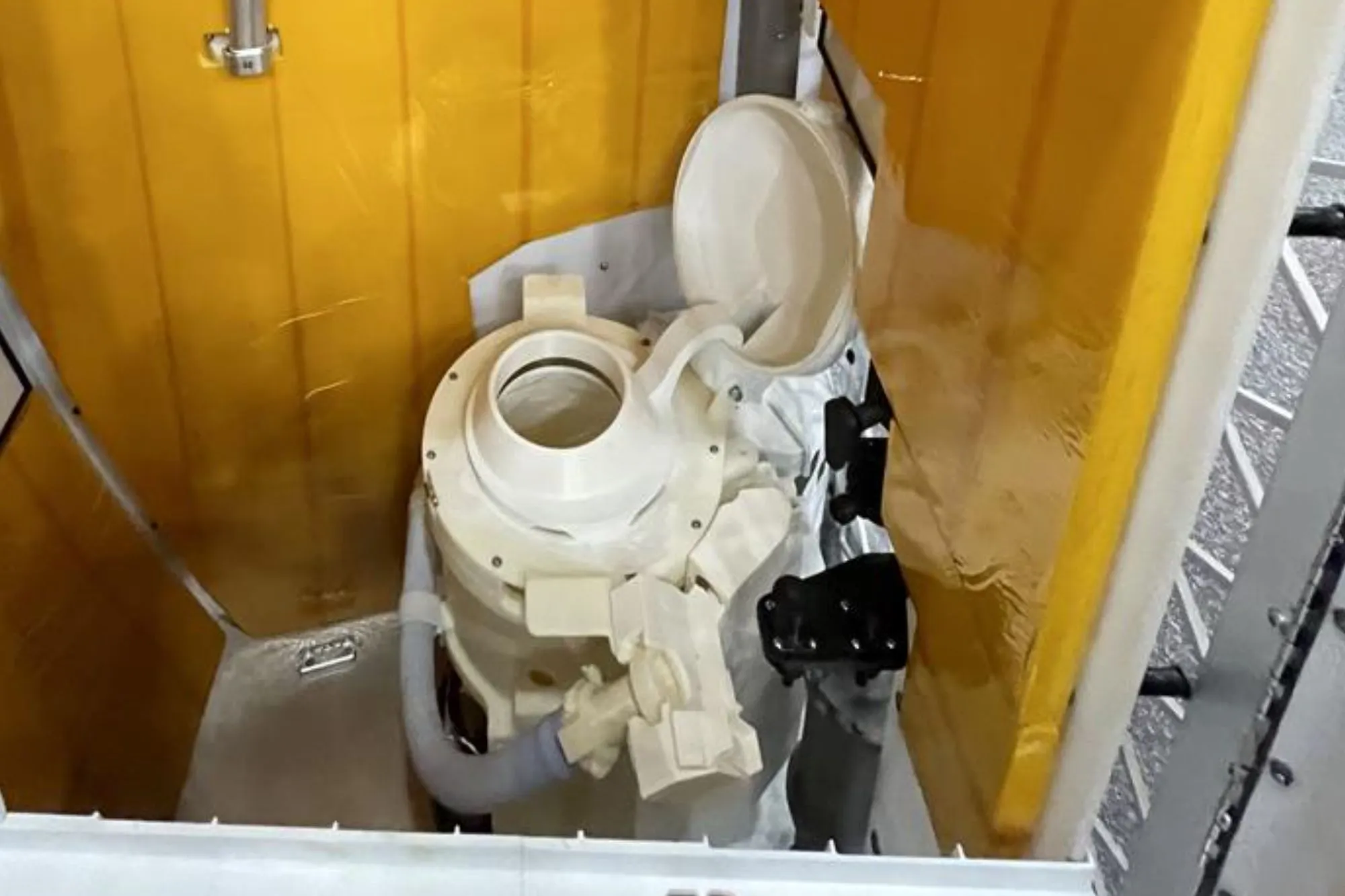
Sixty years of space toilet engineering, a decade of development, and a $30 million contract - and the Artemis II crew still had to pee in bags on Day 1.