



Space Brief 12 May 2025
Today's brief covers key industry movements in space logistics and satellite production, including Rocket Lab's new U.S. Air Force contract, Sierra Space's strides in GPS technology, and more.



Launch Date
August 11, 2023
Launch Site
Launch Pad
LC40
Launch Vehicle
NORAD ID
57617
International Designator
2023-119R
Epoch
Sun, 19 Jul 2026 20:37:37 GMT
Apogee
Calculating...
Perigee
Calculating...
Inclination
43.01°
Right Ascension
54.85°
Eccentricity
Calculating...
Argument of Perigee
269.98°
Period
94.27 min
Mean Motion
15.28 rev/day
Latitude
Calculating...
Longitude
Calculating...
Altitude
Calculating...
Velocity
Calculating...
Name
STARLINK-30148
Alternative Name
Starlink 30148
Type
Status
Owner
SPXS
Country
United States
Constellation
N/A
Related Satellites
Major Events
N/A
1 57617U 23119R 26200.85946256 .00000425 00000+0 24993-4 0 9998
2 57617 43.0050 54.8537 0001452 269.9768 90.0917 15.27575785163302
Source: Celestrak
Length
0.3
Diameter
4.1
Span
29
Dry Mass
700
Launch Mass
730
Shape
Box + pan
Radar Cross Section
Unknown
Visual Magnitude
Unknown
Color
Unknown
Material Composition
Unknown
Payload
Starlink Group 6-9-16
Purpose
Communication
Mission
Communication
Manufacturer
SPXS
Life Expectancy
Unknown
Bus
Starlink V2M
Configuration
Starlink v2 Mini
Motor
Argon ion thrusters
Equipment
Ku/Ka/E-band payload, optical inter-satellite link
Power System
Solar arrays, batteries
ADCS
Unknown
Transmitter Frequency
Unknown
Learn more about satellites and other related topics.
Today's brief covers key industry movements in space logistics and satellite production, including Rocket Lab's new U.S. Air Force contract, Sierra Space's strides in GPS technology, and more.

SpaceX continues to break records with its Falcon 9 missions while facing public scrutiny from Elon Musk regarding NASA's leadership. Meanwhile, satellite spectrum battles heat up as Lynk Global and Omnispace prepare to merge.
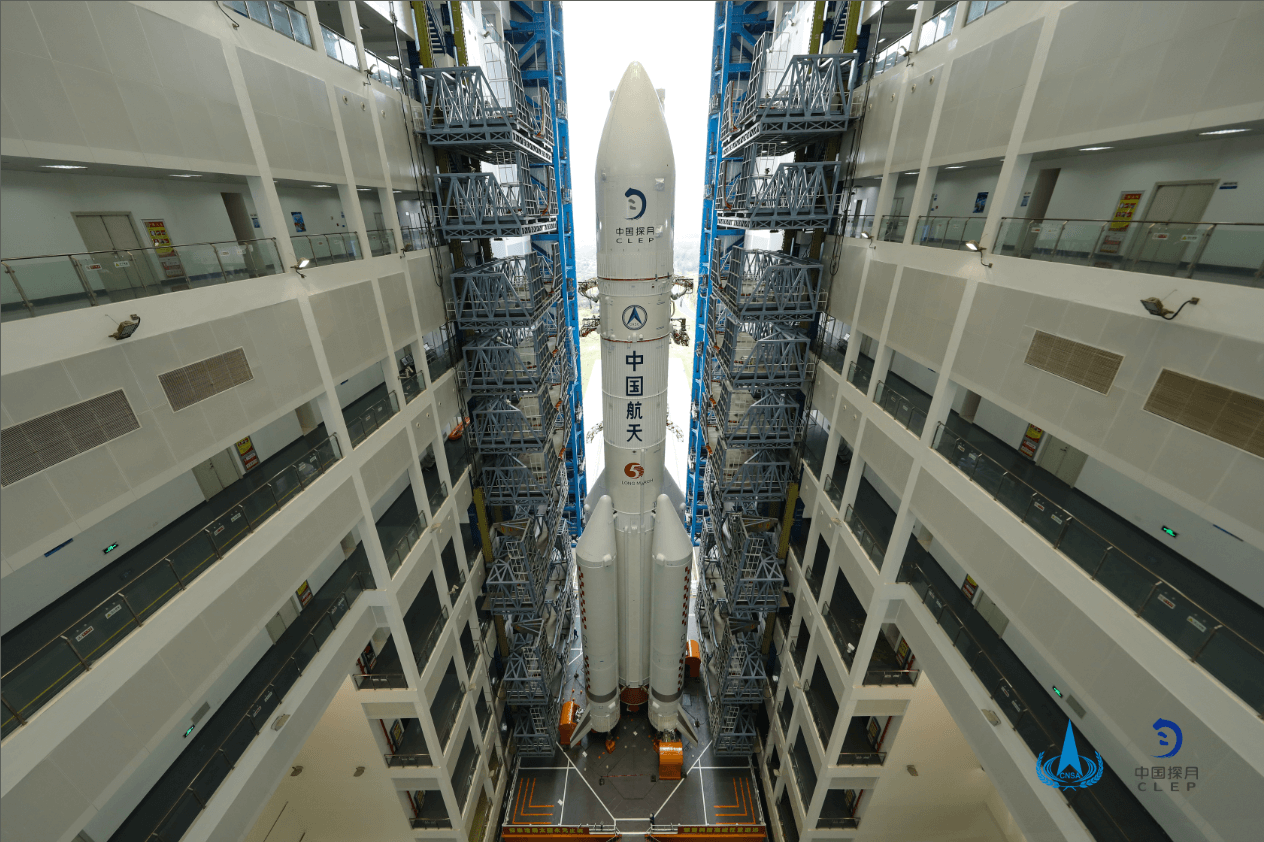
NASA concludes MAVEN mission after six months attempting to restore contact with Mars probe. Meanwhile, Falcon 9 booster flies record 35th flight on Starlink 10-35 mission.
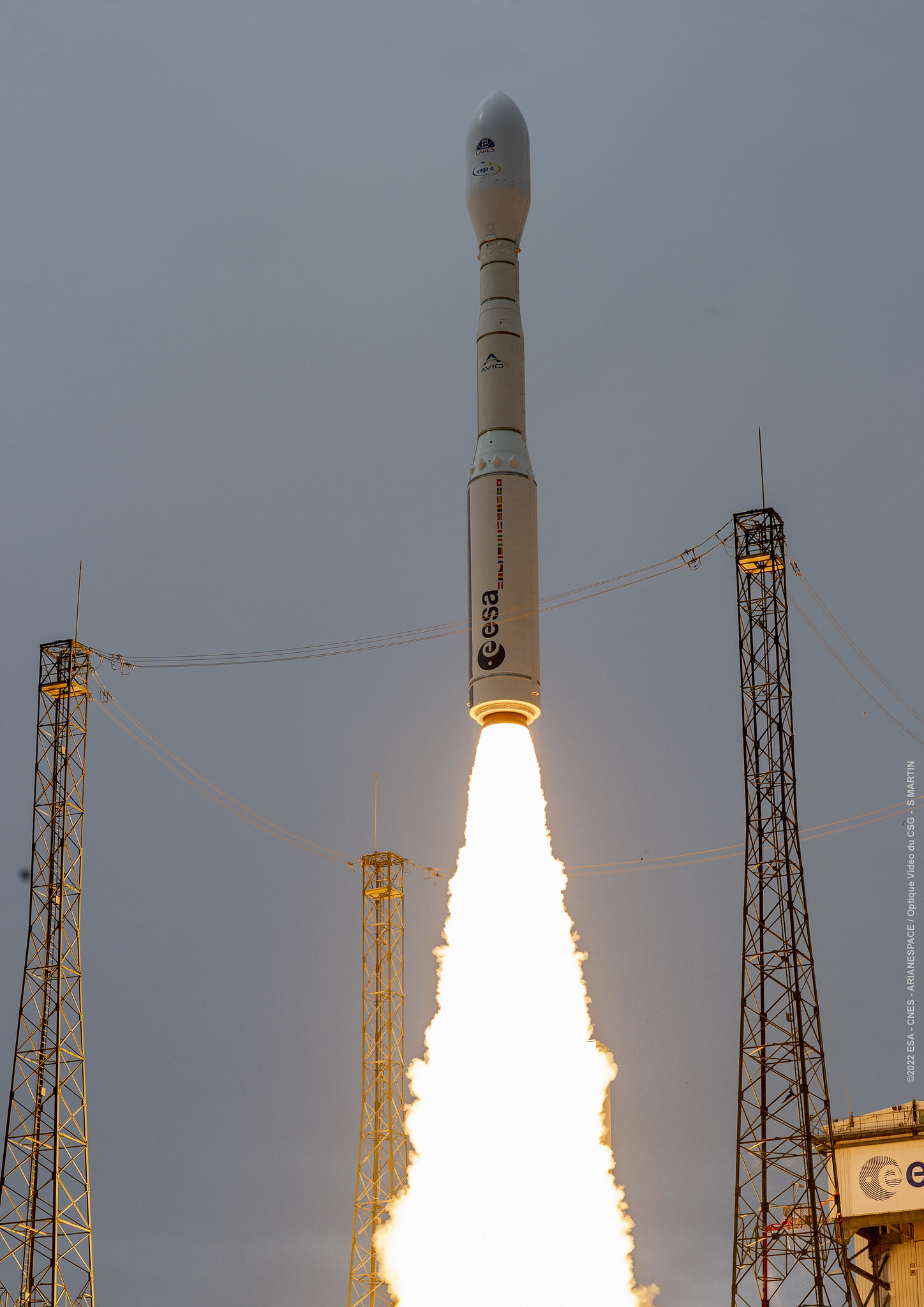
Today's highlights include a space debris incident involving China's spacecraft, development advancements for military space missions, and a notable setback for SpaceX's Starship booster.
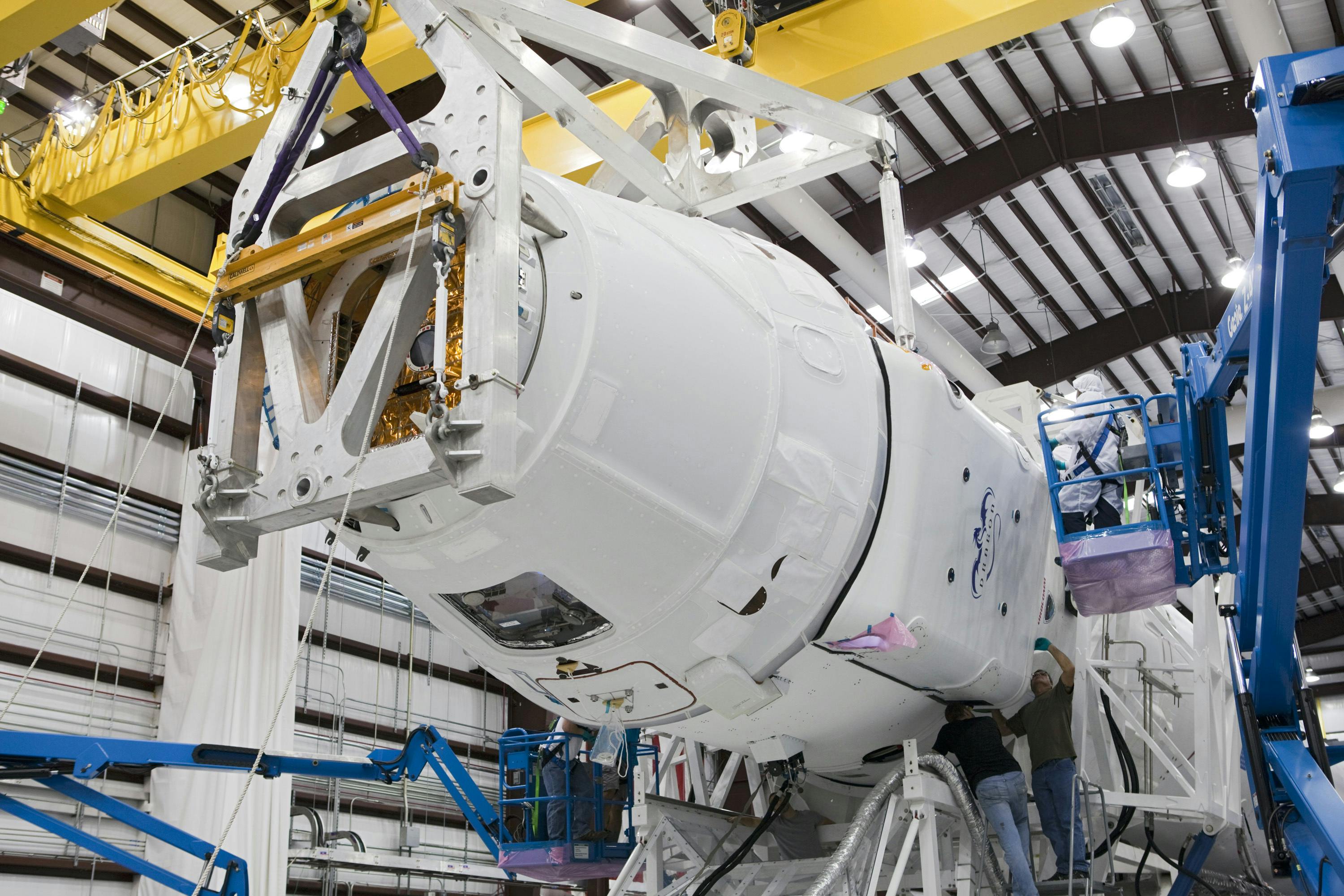
SpaceX prepares for its 100th Starlink launch while refining its lunar lander design for NASA's Artemis program amidst calls for architectural changes.

SpaceX debuts Starlink's first-ever Super Bowl ad to millions of viewers. Artemis II reaches Kennedy launch pad for first crewed lunar flyby since Apollo era.
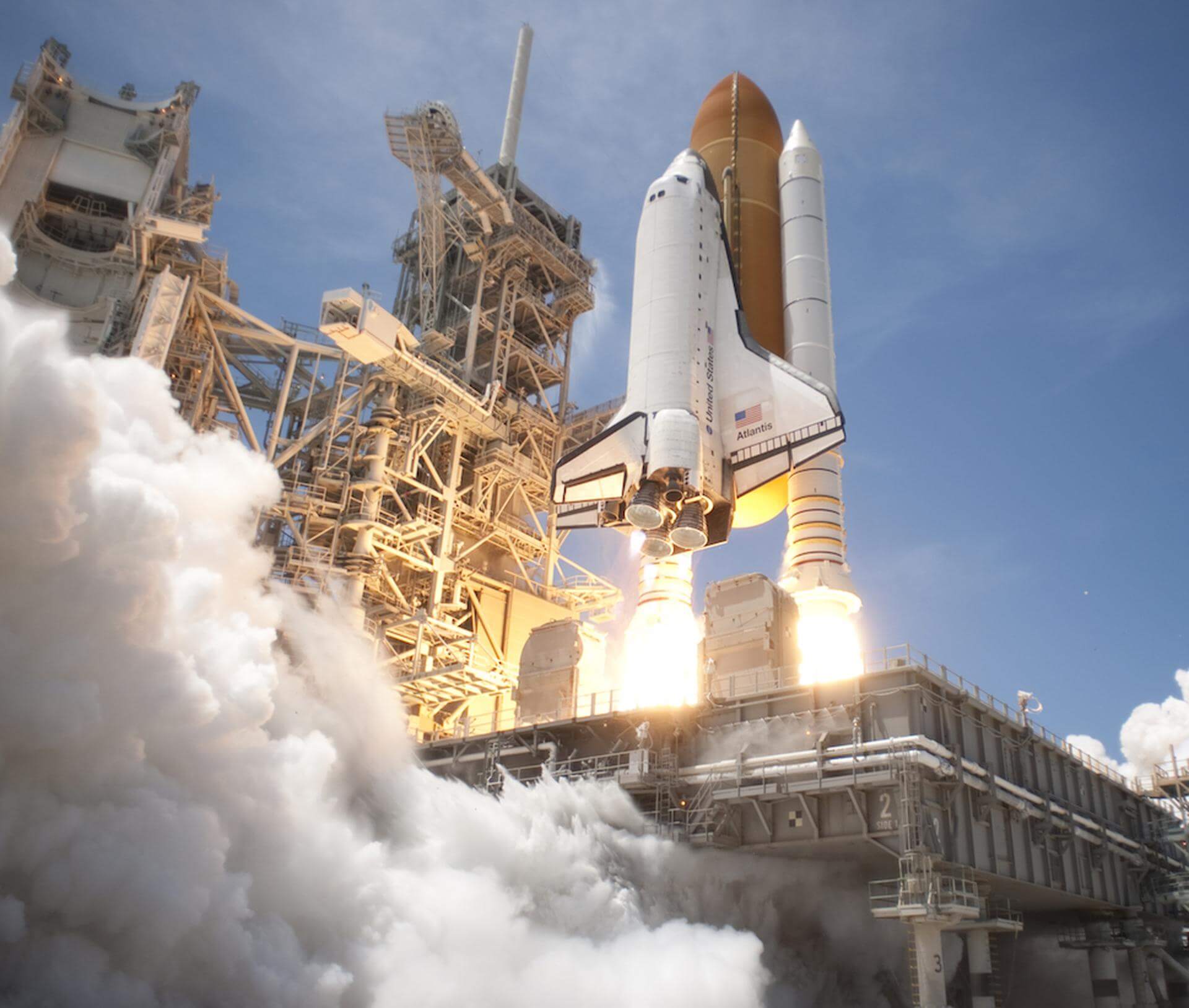
Artemis II crew surpassed Apollo 13's distance record during April 6 lunar flyby. Orion carried 4 astronauts—including Canadian Jeremy Hansen—farther from Earth than any humans.

SpaceX successfully launches 23 Starlink satellites, NASA selects SpaceX for astrophysics mission, and Starship Flight 8 advances with Booster 15 static fire.