


Space Brief 30 May 2025
Today's brief highlights significant advancements in satellite launches, new defense contracts, and technological integrations between major firms in the space sector.



Launch Date
November 11, 2022
Launch Site
TAISC
Launch Pad
LC9A
Launch Vehicle
Chang Zheng 6A
NORAD ID
57577
International Designator
2022-151AHU
Decay Date
2/14/2025
Name
CZ-6A DEB
Alternative Name
deb CZ-6A Y2
Type
Status
Owner
CNSA
Country
China
Constellation
N/A
Related Satellites
Major Events
N/A
Length
0
Diameter
0
Span
0
Dry Mass
0
Launch Mass
0
Shape
N/A
Radar Cross Section
Unknown
Visual Magnitude
Unknown
Color
Unknown
Material Composition
Unknown
Payload
Unknown
Purpose
Unknown
Mission
Unknown
Manufacturer
SAST
Life Expectancy
Unknown
Bus
Unknown
Configuration
Unknown
Motor
Unknown
Equipment
Unknown
Power System
Unknown
ADCS
Unknown
Transmitter Frequency
Unknown
Learn more about satellites and other related topics.
Today's brief highlights significant advancements in satellite launches, new defense contracts, and technological integrations between major firms in the space sector.
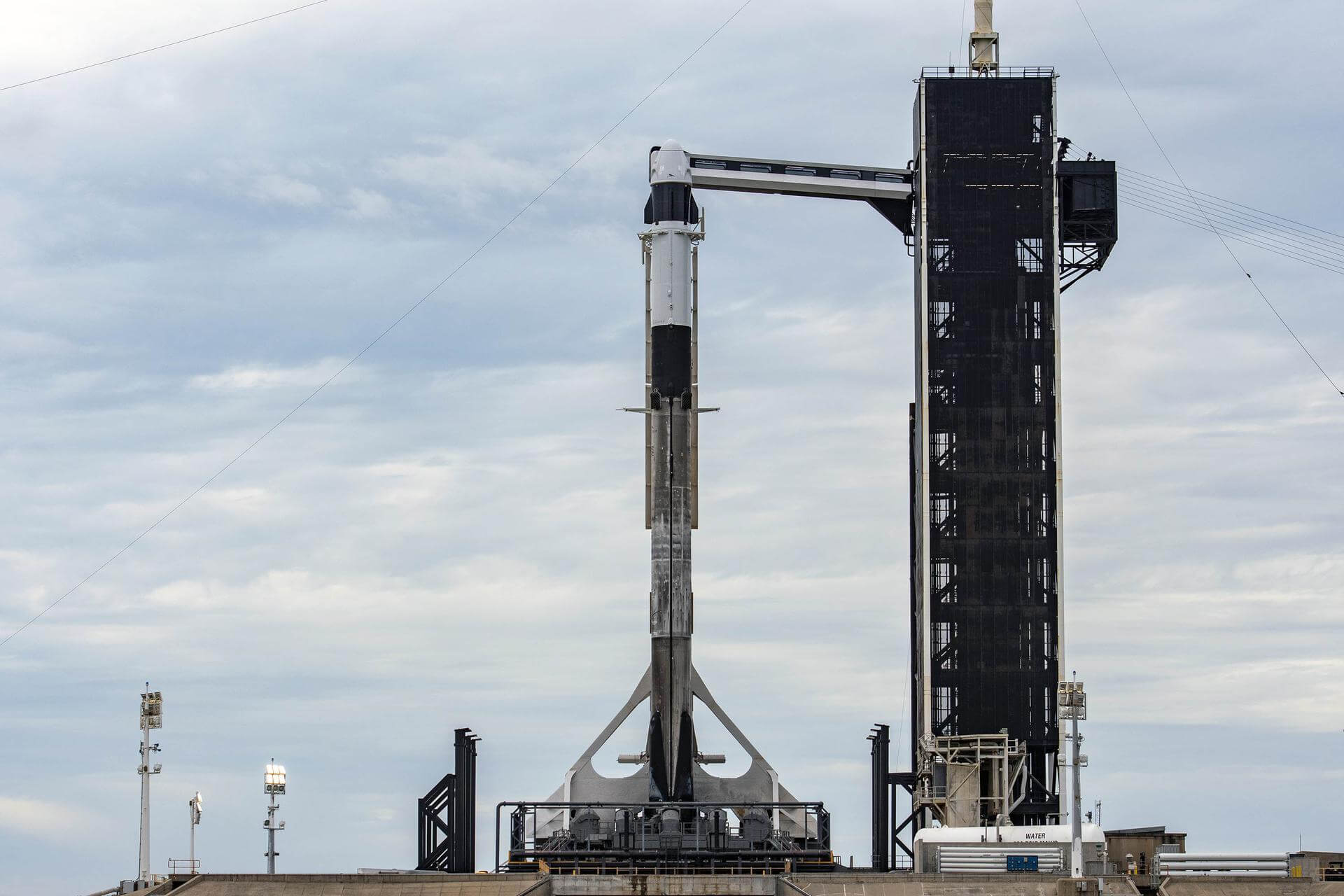
Today's highlights include the certification of ULA's Vulcan rocket for national security missions, developments in nuclear timekeeping for GPS systems, and updates on the Space Force's new warfighting framework.
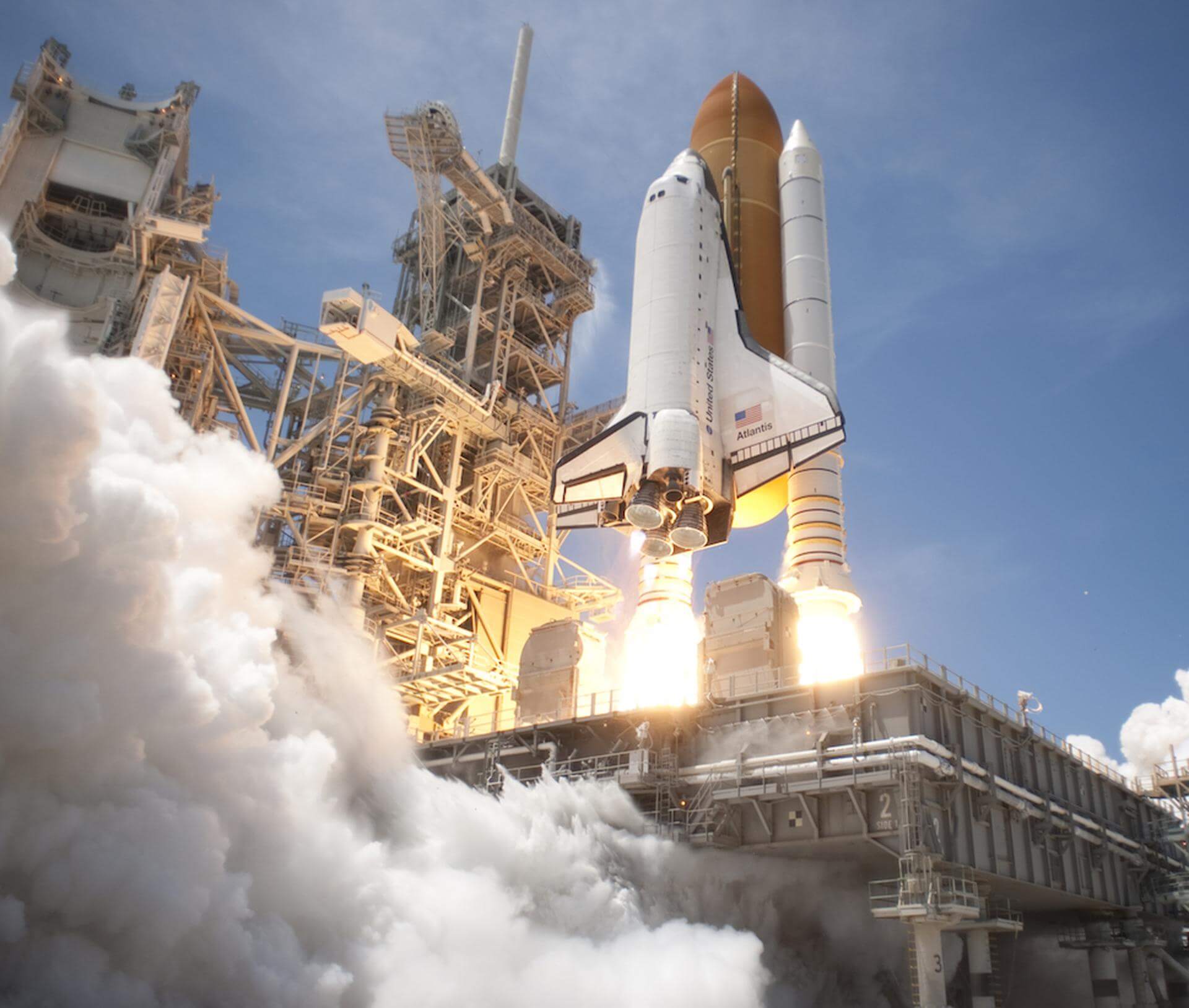
Starlink confirmed operational aboard Air Force One over Pacific. Pentagon awards 10,000 low-cost cruise missiles to 4 contractors under new LCCMP program.

Kratos Defense awarded $446M Space Force contract for RMWT missile-warning ground systems. Rocket Lab secures $190M Pentagon deal for 20 hypersonic test flights.
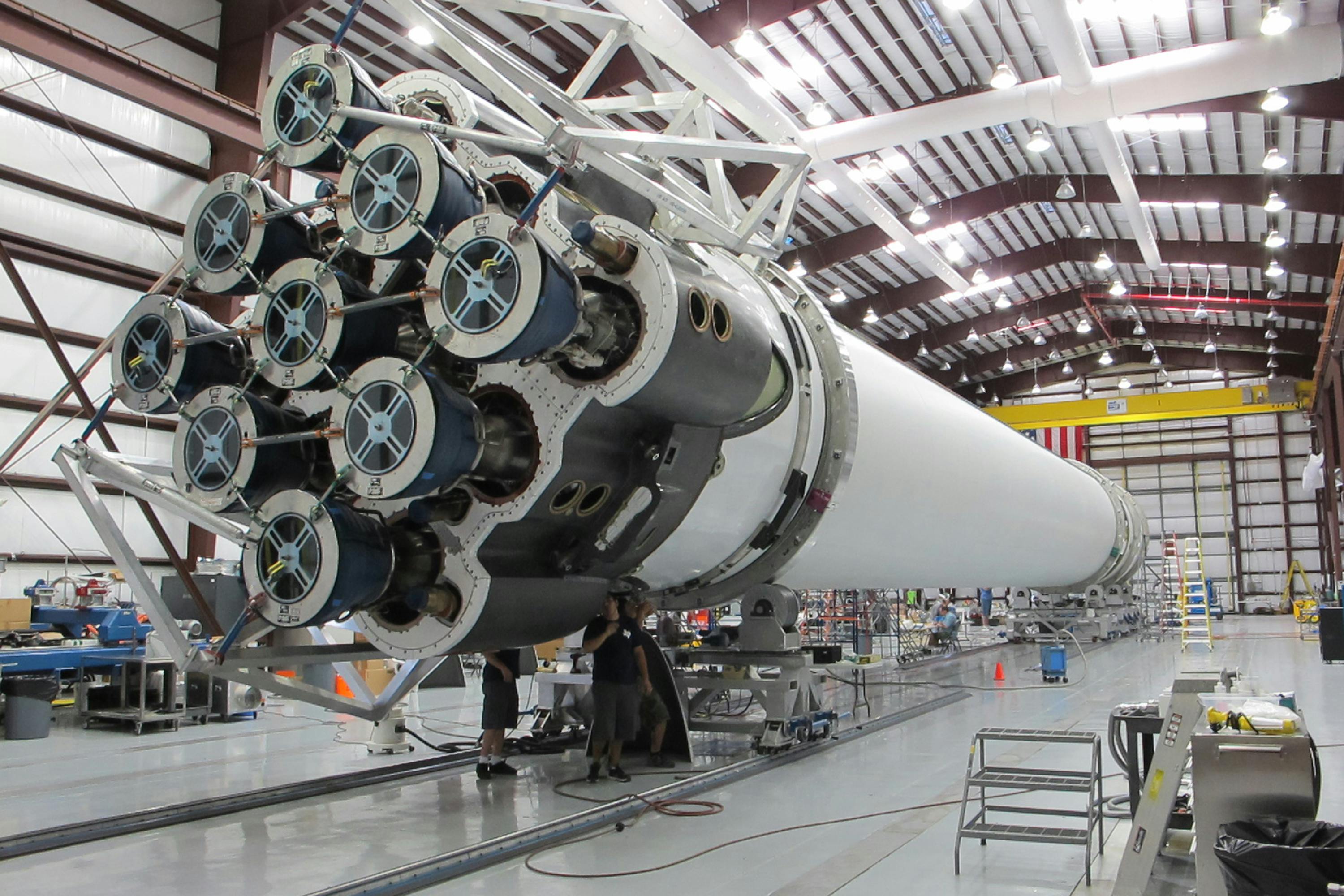
SpaceX continues to dominate the space launch market with a new Starlink mission, breaking Florida's annual launch record. The latest batch of satellites enhances global broadband coverage.
U.S. Space Force selects Boeing's 702MP spacecraft for next-generation MUOS satellites. Rocket Lab delivers Synspective's 10th StriX radar satellite. Track both missions.

AST SpaceMobile's BlueBird constellation is a bet that raw aperture size wins. Each satellite unfolds a 64-square-meter phased-array antenna in orbit, the largest commercial antenna ever deployed. The company claims a stock smartphone on the ground can connect directly to it. The competition says the physics doesn't support that. Seventeen satellites in and a contract with AT&T, Verizon, and Vodafone, somebody's math is wrong.

How a catastrophic fire in 1967 fundamentally altered NASA's approach to human spaceflight and continues to influence modern spacecraft design