


Artemis 2 Returns to Pad, Targets April 1 Launch | KeepTrack Space Brief
NASA's SLS and Orion spacecraft rolled back to Launch Complex 39B, targeting April 1 for first crewed lunar flyby with four astronauts aboard.



NORAD ID
57521
International Designator
2023-115A
Epoch
Mon, 20 Jul 2026 09:03:10 GMT
Apogee
Calculating...
Perigee
Calculating...
Inclination
43.00°
Right Ascension
332.29°
Eccentricity
Calculating...
Argument of Perigee
269.87°
Period
94.27 min
Mean Motion
15.28 rev/day
Latitude
Calculating...
Longitude
Calculating...
Altitude
Calculating...
Velocity
Calculating...
Name
STARLINK-30259
Alternative Name
Starlink 30259
Type
Status
Owner
SPXS
Country
United States
Constellation
N/A
Related Satellites
Major Events
N/A
1 57521U 23115A 26201.37719946 .00001509 00000+0 64368-4 0 9994
2 57521 43.0038 332.2937 0001711 269.8742 90.1914 15.27575961163863
Source: Celestrak
Length
0.3
Diameter
4.1
Span
29
Dry Mass
700
Launch Mass
730
Shape
Box + pan
Radar Cross Section
Unknown
Visual Magnitude
Unknown
Color
Unknown
Material Composition
Unknown
Payload
Starlink Group 6-20-01
Purpose
Communication
Mission
Communication
Manufacturer
SPXS
Life Expectancy
Unknown
Bus
Starlink V2M
Configuration
Starlink v2 Mini
Motor
Argon ion thrusters
Equipment
Ku/Ka/E-band payload, optical inter-satellite link
Power System
Solar arrays, batteries
ADCS
Unknown
Transmitter Frequency
Unknown
Learn more about satellites and other related topics.
NASA's SLS and Orion spacecraft rolled back to Launch Complex 39B, targeting April 1 for first crewed lunar flyby with four astronauts aboard.
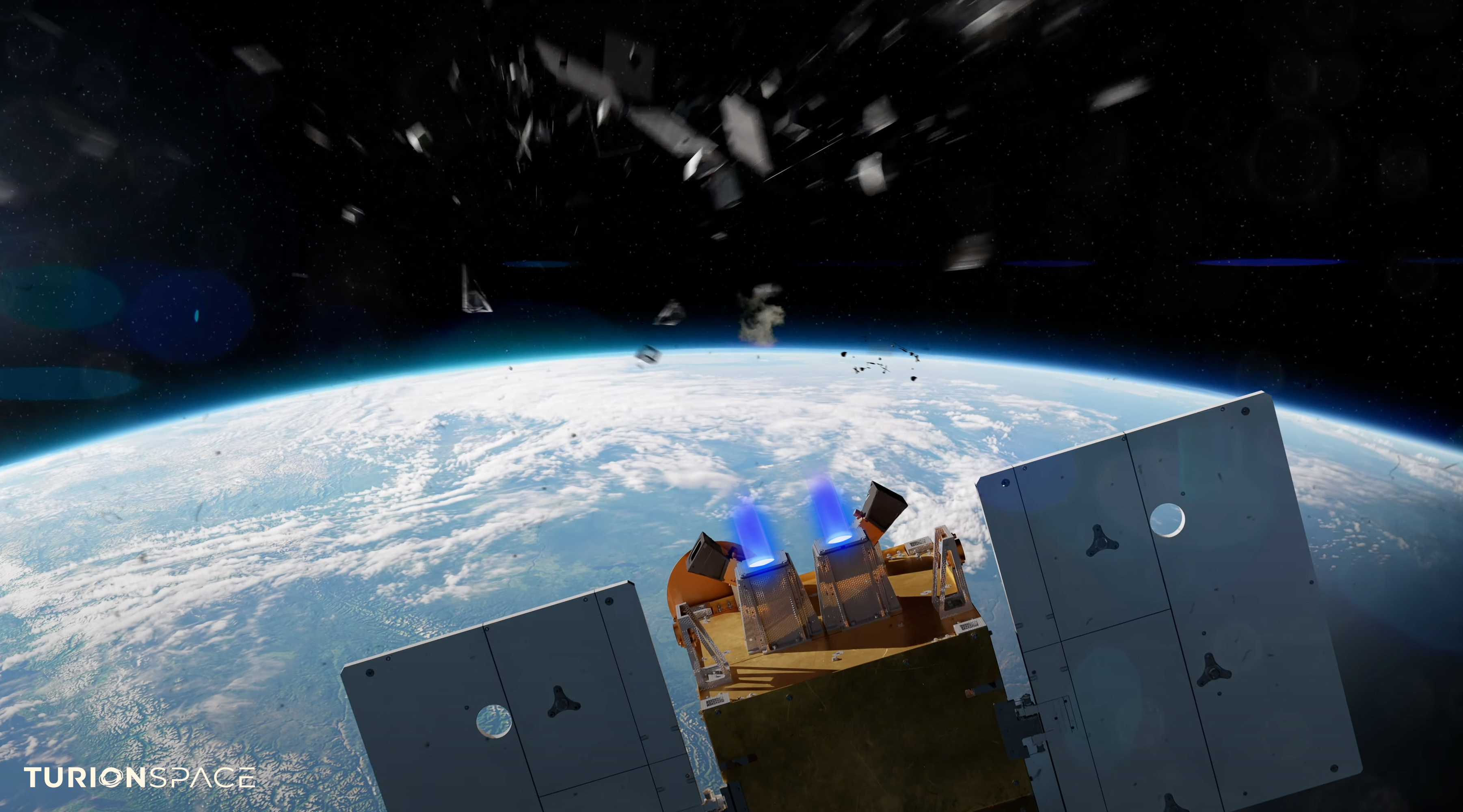
A 90-kilogram spacecraft with iodine thrusters and two Australian-built cameras is quietly building the case that tracking space debris is a business worth billions - and that a four-year-old startup from Irvine can own it.
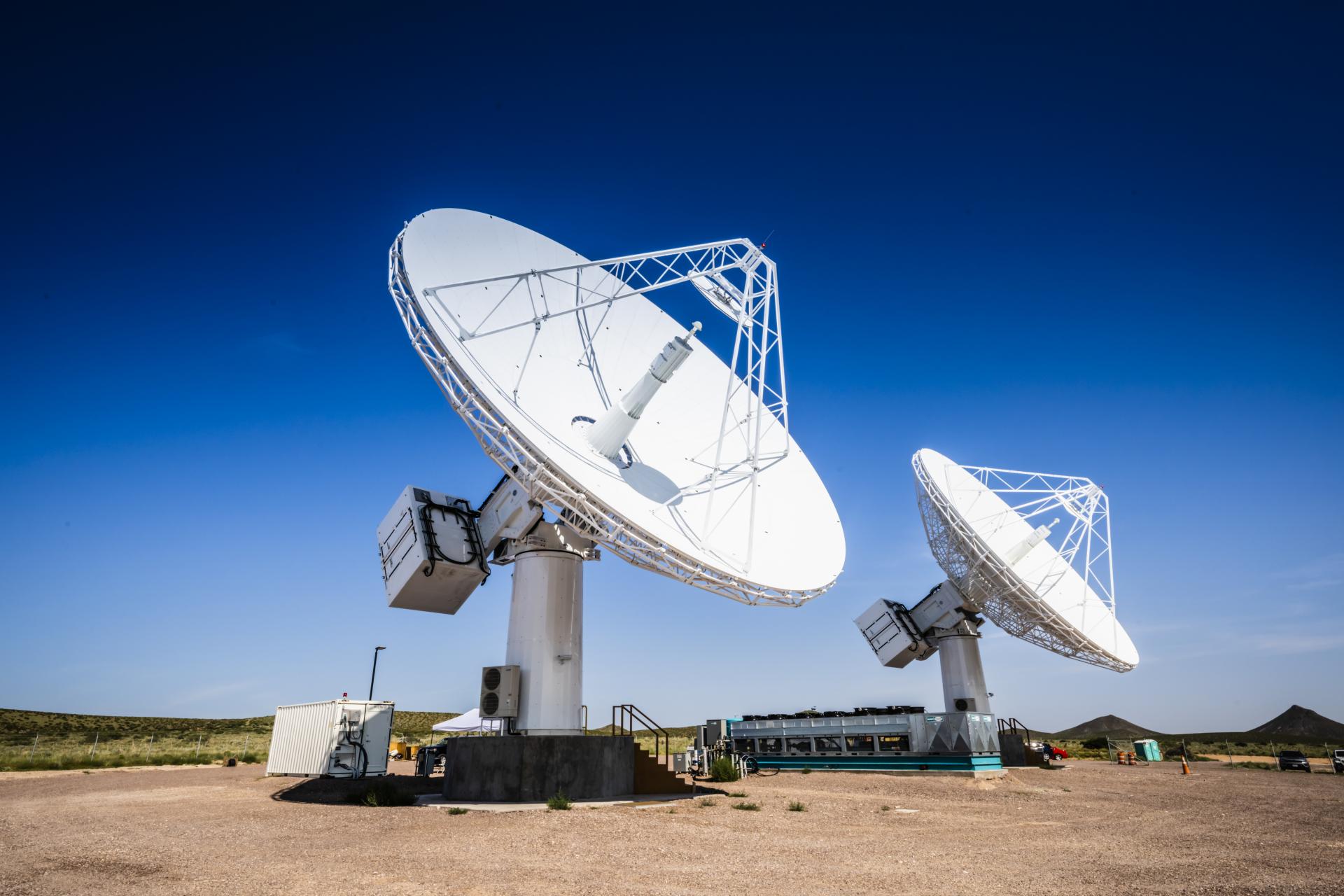
How a groundbreaking radar network is transforming our ability to monitor threats in deep space while strengthening international security partnerships

Four Raptor engines failed to ignite, scrubbing Starship Flight 13 at Starbase; SpaceX also launched 21 SDA satellites from Vandenberg.

SpaceX secures major contracts for U.S. national security launches, including multiple Falcon Heavy missions. Significant updates on Starlink deployments and the ongoing evolution of the company highlight a productive day in the space sector.
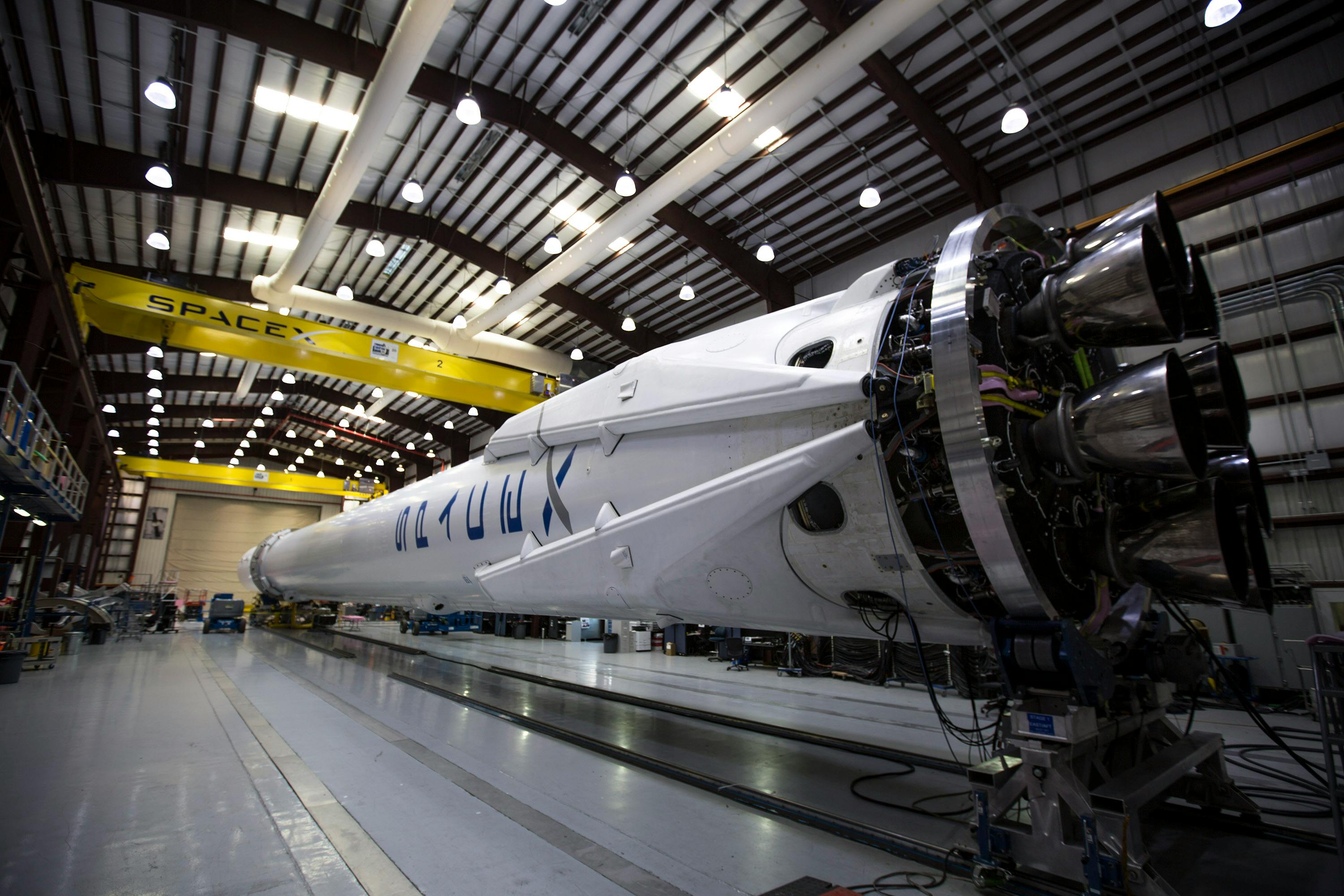
SpaceX advances with Starship readiness, scrubs mysterious RRT-1 launch, and successfully deploys more Starlink satellites.

Today's Space Brief covers reentries, the impact of NOAA dismissals on space weather tracking, a strategic academic partnership probing cosmic mysteries, and a newly unveiled space motto.

Thirty-five years ago, NASA's Galileo spacecraft made a crucial flyby of Venus, pioneering a complex path through the inner solar system that would revolutionize planetary exploration