



Space Brief 21 Jan 2025
Today's Space Brief highlights a SpaceX launch of Starlink satellites, international efforts to tackle space debris, and innovative lunar power solutions from China.



Launch Date
August 7, 2023
Launch Site
Launch Pad
LC40
Launch Vehicle
NORAD ID
57512
International Designator
2023-113T
Epoch
Sun, 19 Jul 2026 14:55:45 GMT
Apogee
Calculating...
Perigee
Calculating...
Inclination
43.00°
Right Ascension
325.19°
Eccentricity
Calculating...
Argument of Perigee
266.98°
Period
94.27 min
Mean Motion
15.28 rev/day
Latitude
Calculating...
Longitude
Calculating...
Altitude
Calculating...
Velocity
Calculating...
Name
STARLINK-30157
Alternative Name
Starlink 30157
Type
Status
Owner
SPXS
Country
United States
Constellation
N/A
Related Satellites
Major Events
N/A
1 57512U 23113T 26200.62205679 -.00000571 00000+0 -11216-4 0 9996
2 57512 43.0039 325.1931 0001577 266.9848 93.0823 15.27570318164159
Source: Celestrak
Length
0.3
Diameter
4.1
Span
29
Dry Mass
700
Launch Mass
730
Shape
Box + pan
Radar Cross Section
Unknown
Visual Magnitude
Unknown
Color
Unknown
Material Composition
Unknown
Payload
Starlink Group 6-8-18
Purpose
Communication
Mission
Communication
Manufacturer
SPXS
Life Expectancy
Unknown
Bus
Starlink V2M
Configuration
Starlink v2 Mini
Motor
Argon ion thrusters
Equipment
Ku/Ka/E-band payload, optical inter-satellite link
Power System
Solar arrays, batteries
ADCS
Unknown
Transmitter Frequency
Unknown
Learn more about satellites and other related topics.
Today's Space Brief highlights a SpaceX launch of Starlink satellites, international efforts to tackle space debris, and innovative lunar power solutions from China.

Booster B1067 sets new Falcon 9 reuse record with 35th successful flight, deploying 29 Starlink satellites. Quantum Space pursues public markets via SPAC.

Space debris poses a mounting threat to both satellites and space missions. As we send more objects into orbit, the likelihood of collisions and subsequent breakups producing dangerous space debris increases. Recognizing the major events that have generated this dangerous space junk is pivotal in ensuring the safety of future space missions.

SpaceX delays the launch of 23 Starlink satellites due to geomagnetic storm concerns, adjusting the schedule for an upcoming Falcon 9 mission.
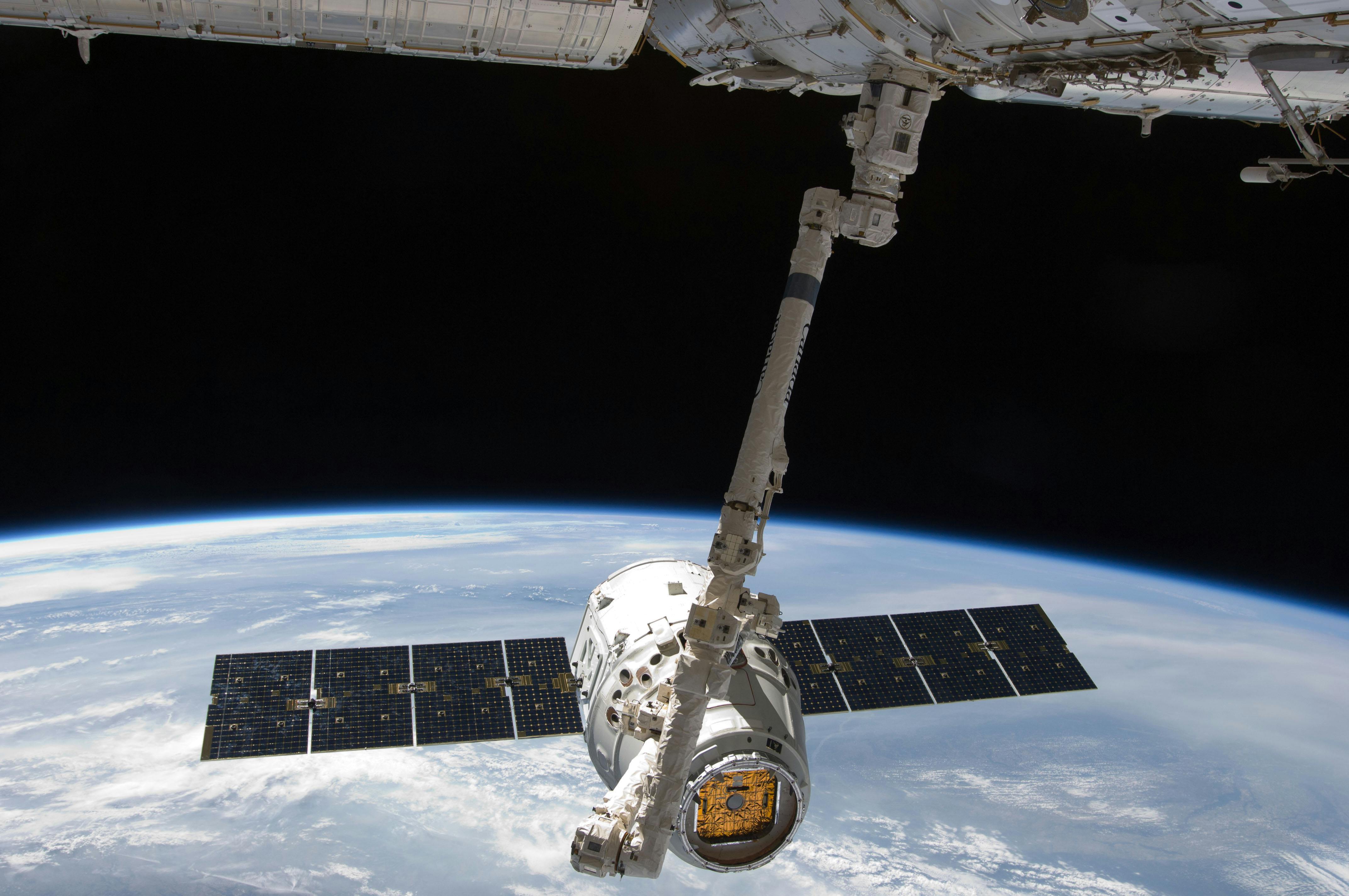
SpaceX successfully launches 21 Starlink satellites and deploys a new batch of spy satellites for the US government.
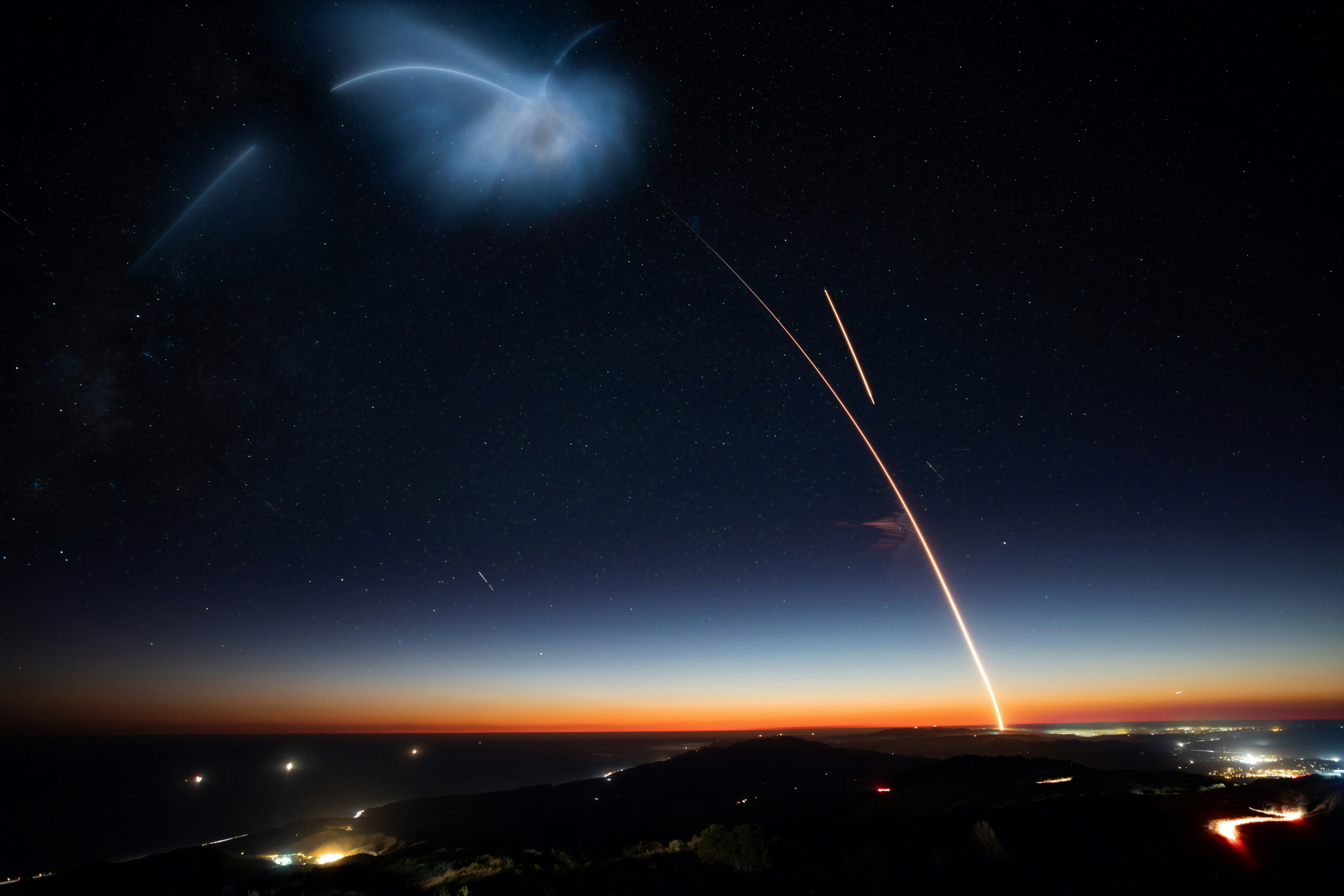
FAA greenlights Flight 8 of SpaceX's Starship while senators examine Air Force nominee's ties to the company.

Latest updates include China's Lijian-1 launching 15 satellites, a fiery Starlink reentry, SpaceX's milestone Falcon 9 booster landing, and China's support for its commercial space sector.

Today's briefing covers significant developments in international rocket designs, recent astronaut health updates, and advancements in supersonic flight technology.