


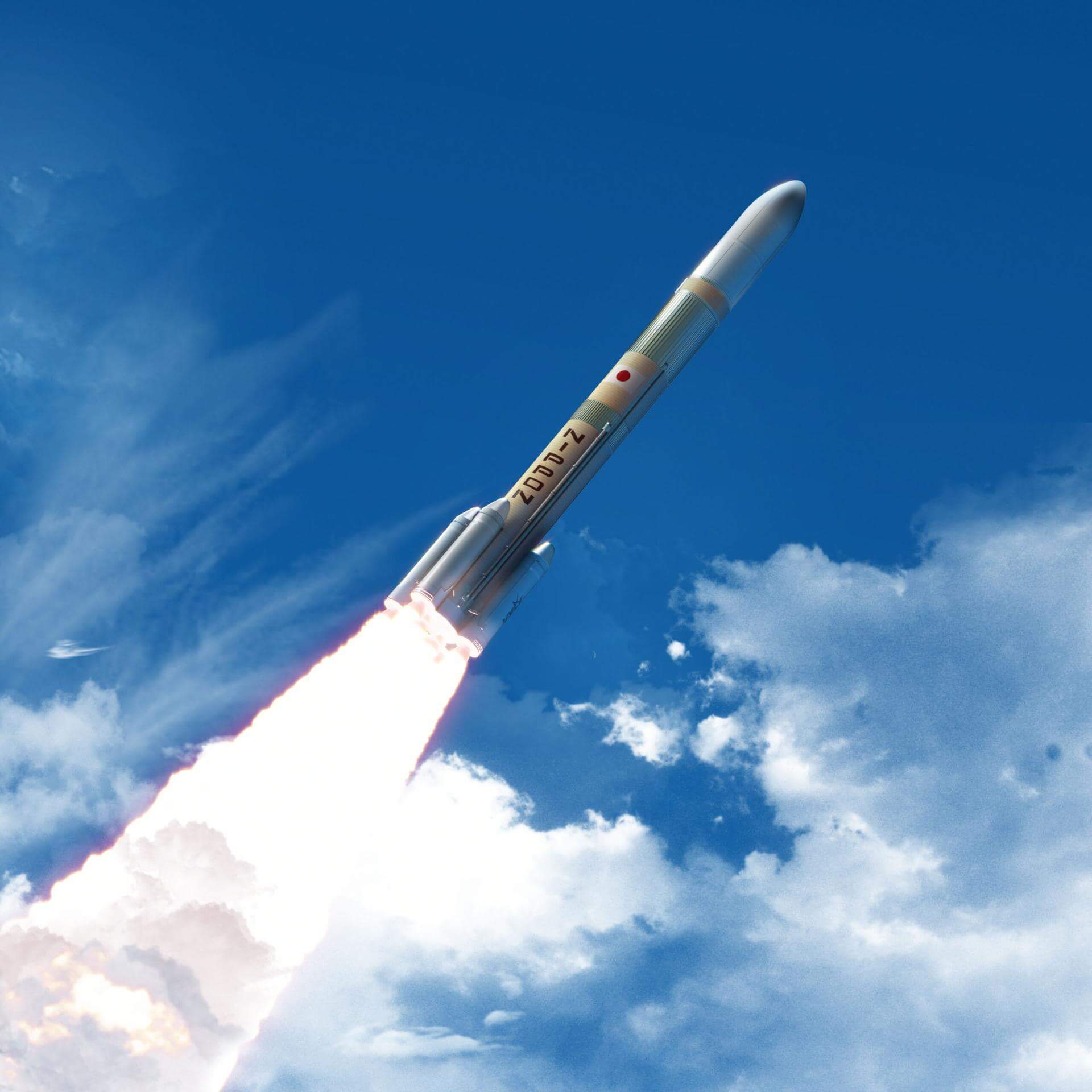
Space Brief 21 Oct 2025
Today's brief covers the latest in satellite technology contracts, China's rocket launch ambitions, and new launch authorizations paving the way for space exploration advancements.



Launch Date
July 24, 2023
Launch Site
Launch Pad
LC40
Launch Vehicle
NORAD ID
57448
International Designator
2023-105U
Epoch
Sun, 19 Jul 2026 12:10:31 GMT
Apogee
Calculating...
Perigee
Calculating...
Inclination
43.00°
Right Ascension
238.65°
Eccentricity
Calculating...
Argument of Perigee
296.48°
Period
94.27 min
Mean Motion
15.28 rev/day
Latitude
Calculating...
Longitude
Calculating...
Altitude
Calculating...
Velocity
Calculating...
Name
STARLINK-30196
Alternative Name
Starlink 30196
Type
Status
Owner
SPXS
Country
United States
Constellation
N/A
Related Satellites
Major Events
N/A
1 57448U 23105U 26200.50730406 .00000186 00000+0 16278-4 0 9996
2 57448 43.0031 238.6495 0001846 296.4750 63.5912 15.27575995165542
Source: Celestrak
Length
0.3
Diameter
4.1
Span
29
Dry Mass
700
Launch Mass
730
Shape
Box + pan
Radar Cross Section
Unknown
Visual Magnitude
Unknown
Color
Unknown
Material Composition
Unknown
Payload
Starlink Group 6-6-19
Purpose
Communication
Mission
Communication
Manufacturer
SPXS
Life Expectancy
Unknown
Bus
Starlink V2M
Configuration
Starlink v2 Mini
Motor
Argon ion thrusters
Equipment
Ku/Ka/E-band payload, optical inter-satellite link
Power System
Solar arrays, batteries
ADCS
Unknown
Transmitter Frequency
Unknown
Learn more about satellites and other related topics.
Today's brief covers the latest in satellite technology contracts, China's rocket launch ambitions, and new launch authorizations paving the way for space exploration advancements.
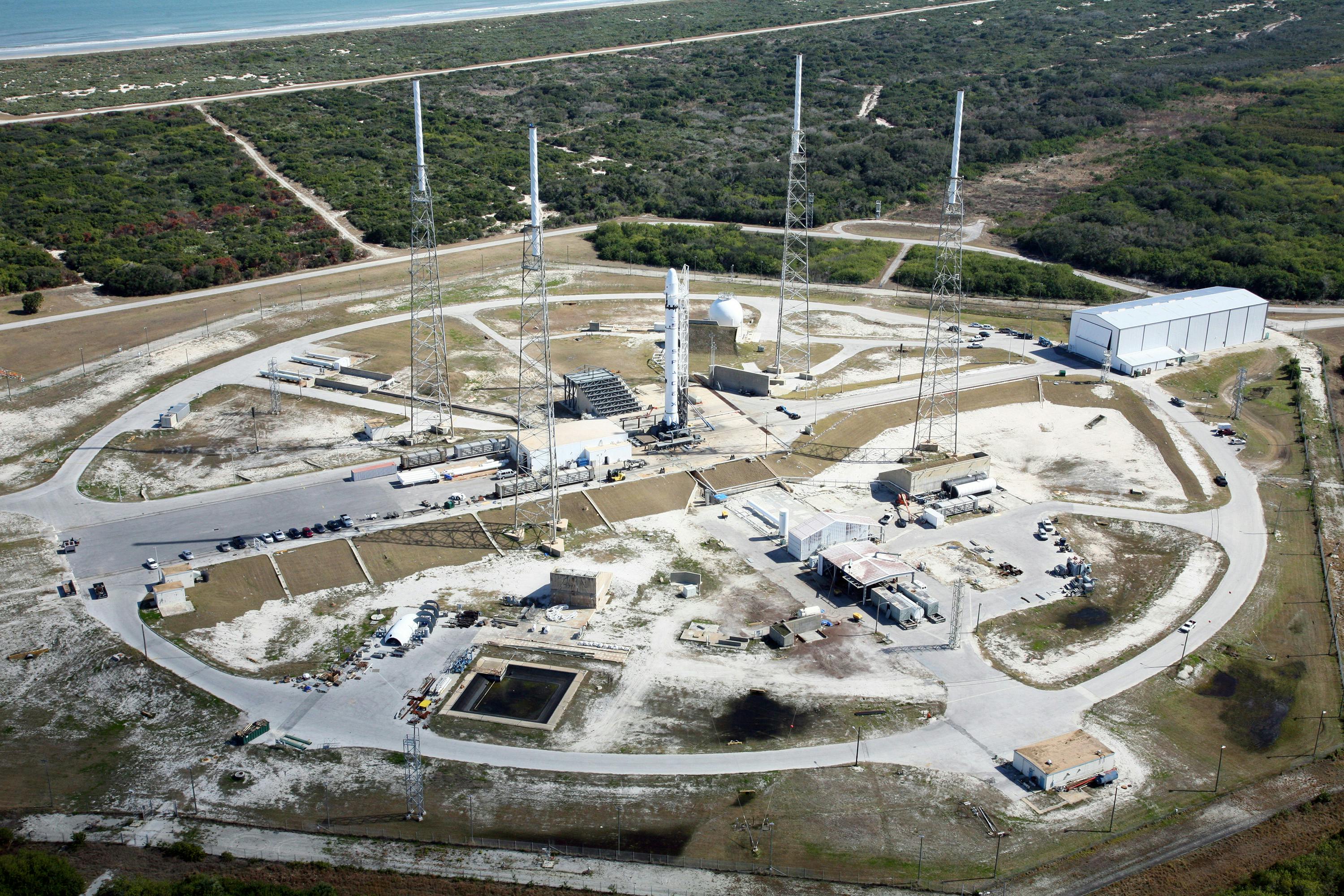
SpaceX's Transporter-17 rideshare carried 81 payloads including history's first nuclear-powered commercial satellite on July 7.
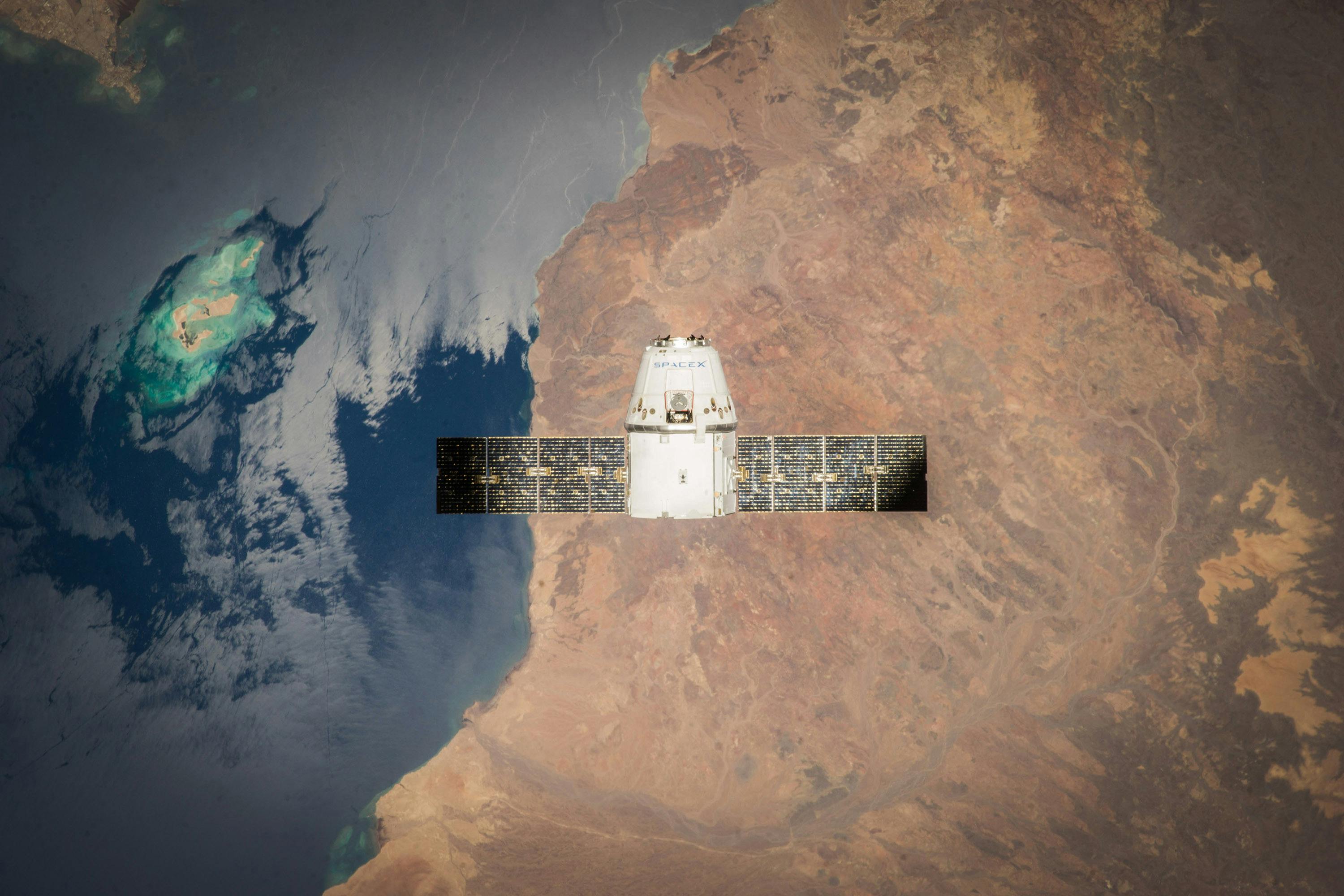
SpaceX readies Starlink 17-20 launch of 25 satellites to polar orbit from Vandenberg pad 4E — seventh Starlink mission of the year. 11,009 total Starlink satellites launched to date.

Over 27,000 high-speed pieces of space junk now threaten vital satellites, requiring sophisticated tracking and urgent innovation of orbital debris removal methods like harpoons and nets.

Today's brief covers a groundbreaking national security mission for ULA's Vulcan, NASA's collaboration with LeoLabs for enhanced collision avoidance, and SEOPS' new satellite tracking services, among other key developments.

Key topics today include the US Space Force's new international strategy, China's partnership with Pakistan for astronaut training, and conservation concerns over SpaceX landing proposals.
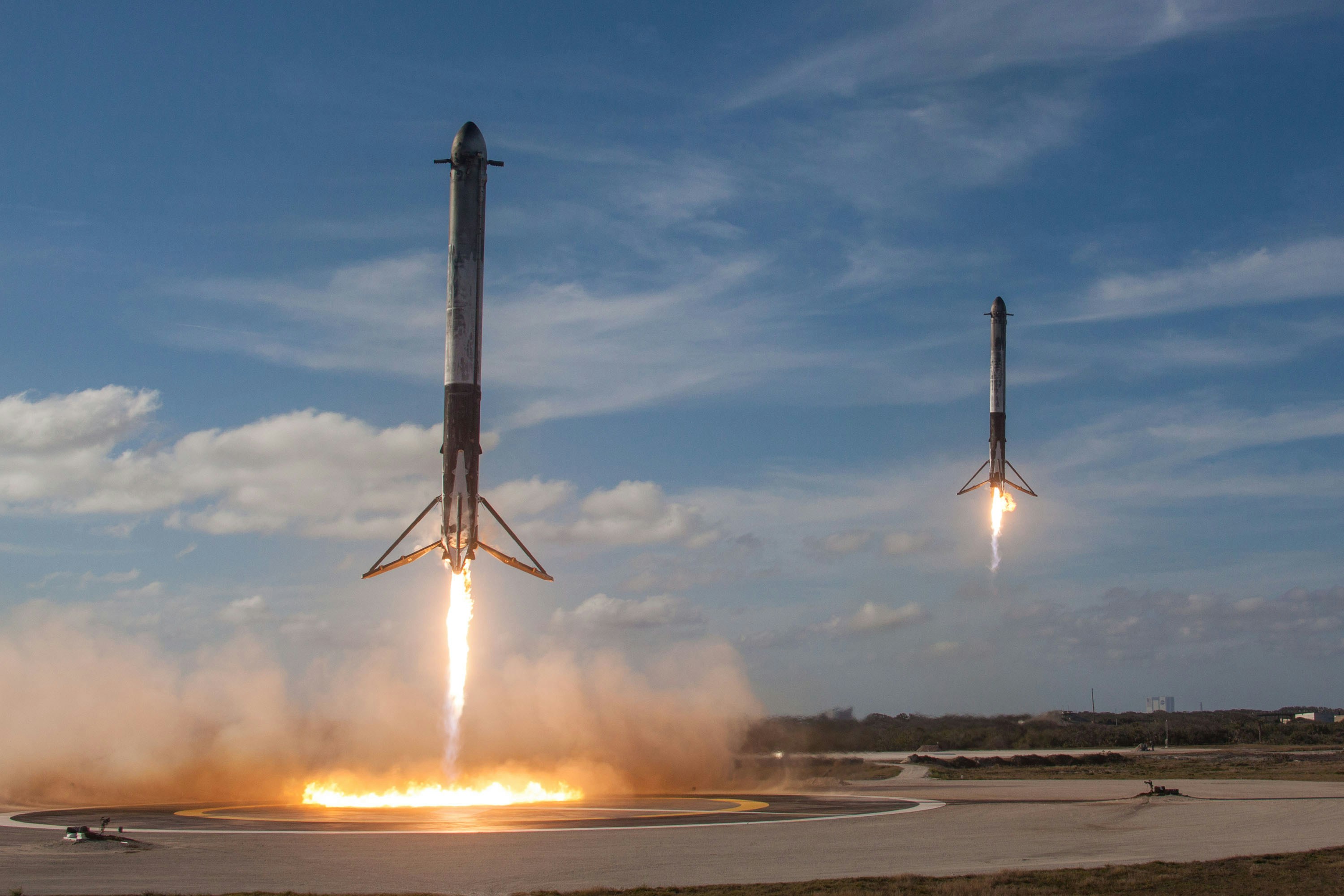
SpaceX launches 500th Starlink satellite of 2026 on 540th reused booster flight. Microsoft partners with Starlink for rural internet expansion. NASA reveals first ISS medical evacuation details.
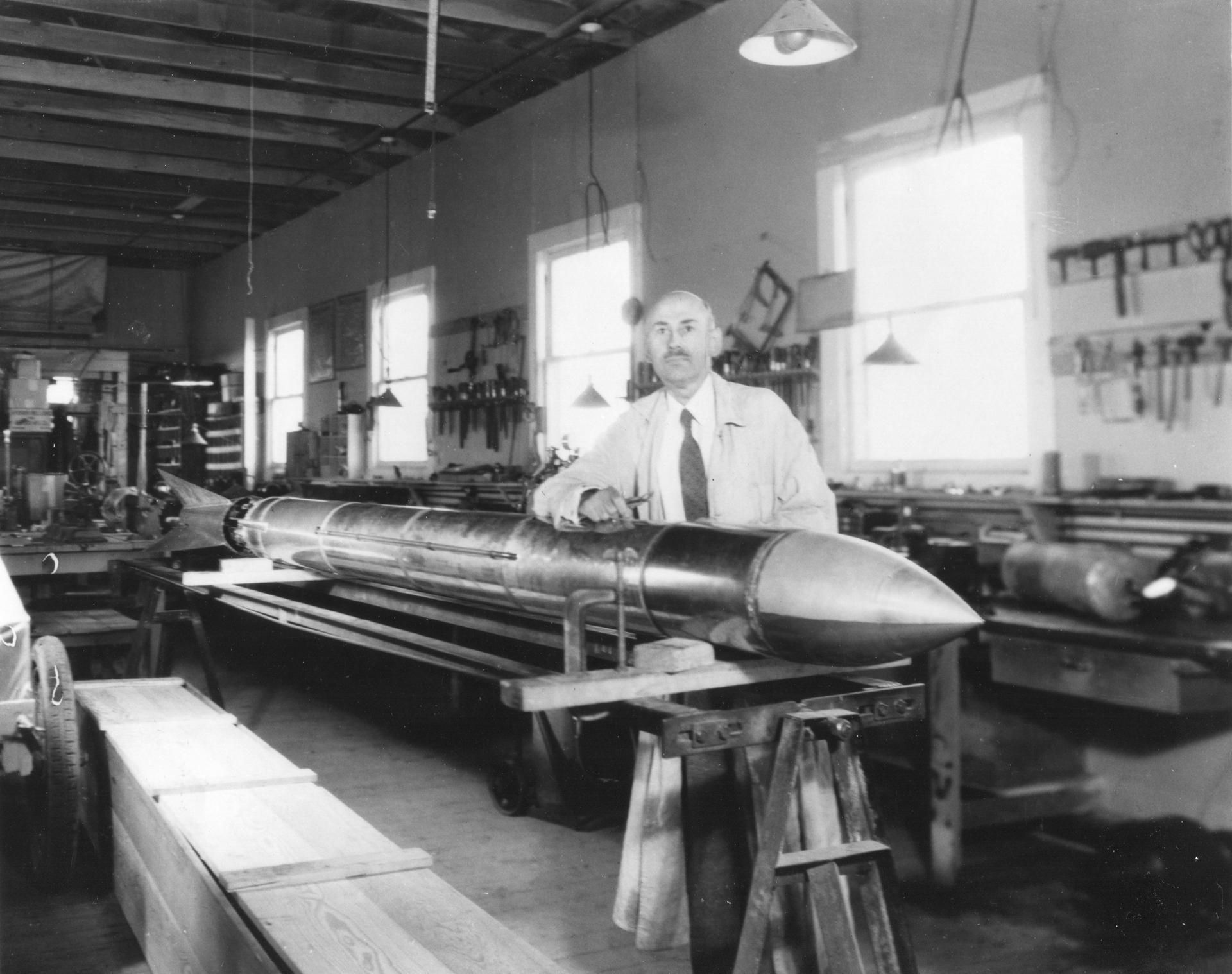
On February 2, 1909, Robert Goddard made a revolutionary breakthrough in his notebook: liquid oxygen and liquid hydrogen could achieve 50% efficiency in converting heat energy to kinetic energy for rocket propulsion