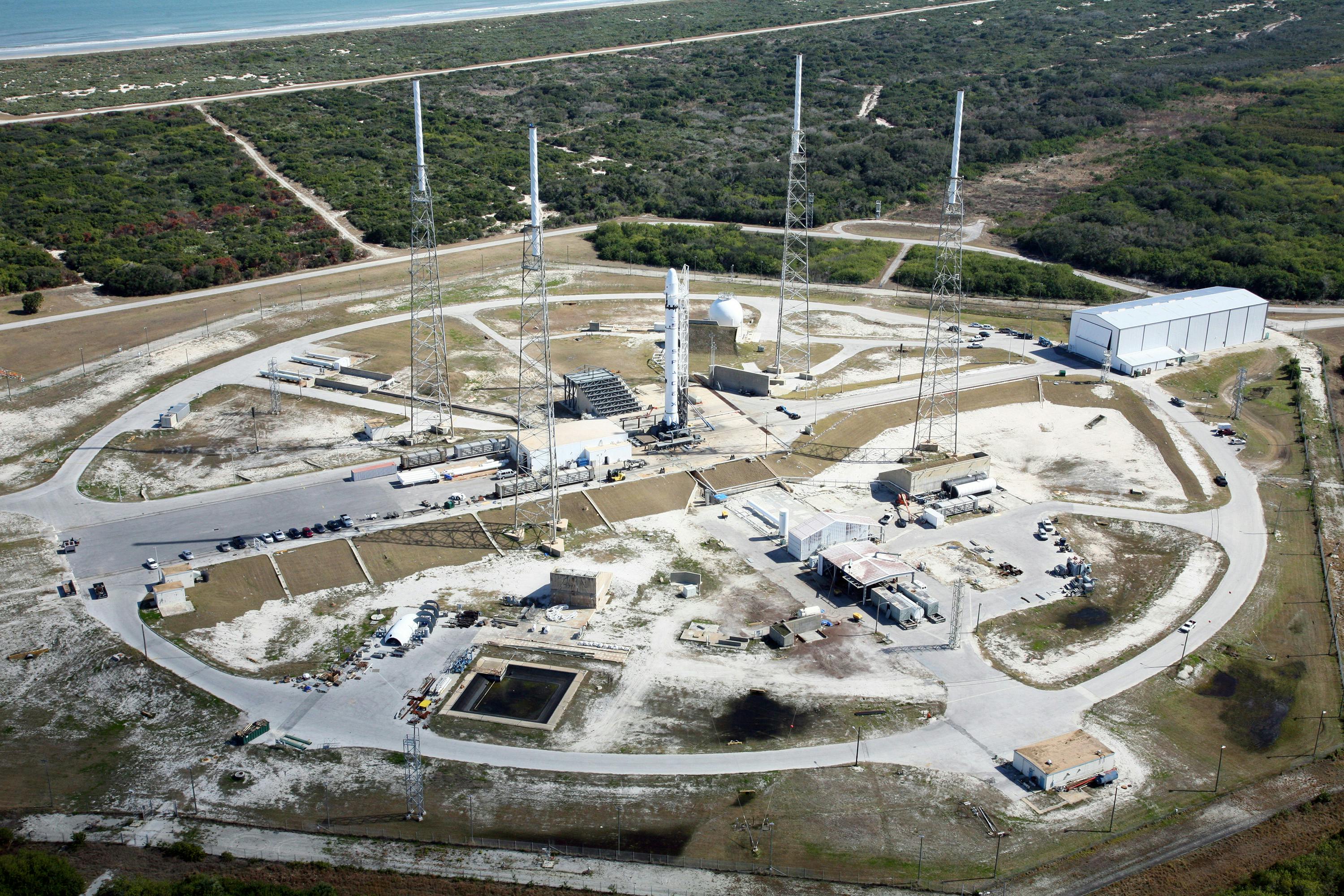
STARLINK-30214 (57411)

COSPAR: 2023-102H | Alt Name: Starlink 30214

Image
STARLINK-30214 Satellite Image
Additional Sources
Launch Details

Launch Date

July 20, 2023

Launch Site

AFWTR

Launch Pad

SLC4E

Launch Vehicle

Falcon 9

Orbital Elements

NORAD ID

57411

International Designator

2023-102H

Epoch

Sun, 19 Jul 2026 18:50:02 GMT

Apogee

Calculating...

Perigee

Calculating...

Inclination

43.00°

Right Ascension

222.46°

Eccentricity

Calculating...

Argument of Perigee

280.27°

Period

94.27 min

Mean Motion

15.28 rev/day

Latitude

Calculating...

Longitude

Calculating...

Altitude

Calculating...

Velocity

Calculating...

Polar Plot
3D Visualization
Basic Satellite Info

Name

STARLINK-30214

Alternative Name

Starlink 30214

Type

Payload

Status

Operational

Owner

SPXS

Country

United States

Constellation

N/A

Related Satellites

Major Events

N/A

Latest TLEs
1 57411U 23102H   26200.78474840  .00000206  00000+0  17013-4 0  9991
2 57411  43.0049 222.4608 0001857 280.2651  79.7991 15.27574788166390

Source: Celestrak

Summary
The Starlink V2M satellite, designated STARLINK-30214 or Starlink 30214, is a communication spacecraft launched on July 20, 2023, from AFWTR SLC4E using a Falcon 9 launch vehicle. The satellite has dimensions of 0.3 meters in length and 4.1 meters in diameter with a span of 29 meters, indicating the presence of deployable structures like solar arrays or antennas. It has a dry mass of 700 kg and a launch mass of 730 kg. Equipped with Ku/Ka/E-band payload and optical inter-satellite link technology, it is designed for high-speed communication services. The satellite utilizes Argon ion thrusters for propulsion and solar arrays with batteries for power generation. Manufactured by SPXS (SpaceX), the spacecraft is part of the Starlink Group 6-15-08 constellation.

Starlink is a satellite constellation developed by SpaceX with the aim of providing global broadband internet coverage. Thousands of small satellites are deployed in low Earth orbit (LEO), enabling high-speed internet access even in remote areas. However, the rapid increase in satellites raises concerns about space debris and the potential for collisions, which can lead to further debris creation and endanger other spacecraft. Additionally, the sheer number of Starlink satellites can affect astronomical observations by increasing light pollution. Proper deorbiting plans and international coordination are essential to mitigate these challenges and ensure long-term sustainability in space.
Physical Characteristics

Length

0.3

Diameter

4.1

Span

29

Dry Mass

700

Launch Mass

730

Shape

Box + pan

Radar Cross Section

Unknown

Visual Magnitude

Unknown

Color

Unknown

Material Composition

Unknown

Technical Details

Payload

Starlink Group 6-15-08

Purpose

Communication

Mission

Communication

Manufacturer

SPXS

Life Expectancy

Unknown

Bus

Starlink V2M

Configuration

Starlink v2 Mini

Motor

Argon ion thrusters

Equipment

Ku/Ka/E-band payload, optical inter-satellite link

Power System

Solar arrays, batteries

ADCS

Unknown

Transmitter Frequency

Unknown

Map
This tool will help you track the satellite's position and predict its upcoming passes over your location. Simply input the coordinates or click the geolocation button to get started.
Next Pass
Azimuth Elevation Time (Local)
Start Azimuth
Max Elevation
Stop Azimuth
Time Until
Pass Duration

Satellite Articles

View All Posts »

Learn more about satellites and other related topics.

Jonathan's Space Report

Jonathan's Space Report

Jonathan's Space Report is a comprehensive resource for space launch and satellite data, compiled by astrophysicist Dr. Jonathan McDowell.

X Report 3 Jan 2025

X Report 3 Jan 2025

SpaceX's pivotal role in setting a new global launch record and the upcoming launch of the Thuraya 4-NGS satellite are spotlighted today.
X Report 4 Dec 2025

X Report 4 Dec 2025

SpaceX successfully launched another batch of Starlink satellites and received approval for a new Starship launch site, while facing challenges with crew assignments on upcoming missions.
SpaceX Targets 600th Falcon Booster Landing on Starlink 17-22 | KeepTrack X Report

SpaceX Targets 600th Falcon Booster Landing on Starlink 17-22 | KeepTrack X Report

SpaceX attempts its 600th Falcon 9 booster landing during the Starlink 17-22 mission, adding 25 satellites from Vandenberg SFB.

Pentagon Orders 30,000 One-Way Drones; Sierra Space Raises $550M | KeepTrack Space Brief

Pentagon Orders 30,000 One-Way Drones; Sierra Space Raises $550M | KeepTrack Space Brief

Pentagon to order 30,000 attritable drones within days via Gauntlet competition. Meanwhile, Sierra Space closes $550M Series C funding round for national security spaceplane applications.
Starlink-34343 | The Second Fragmentation Event in Three Months

Starlink-34343 | The Second Fragmentation Event in Three Months

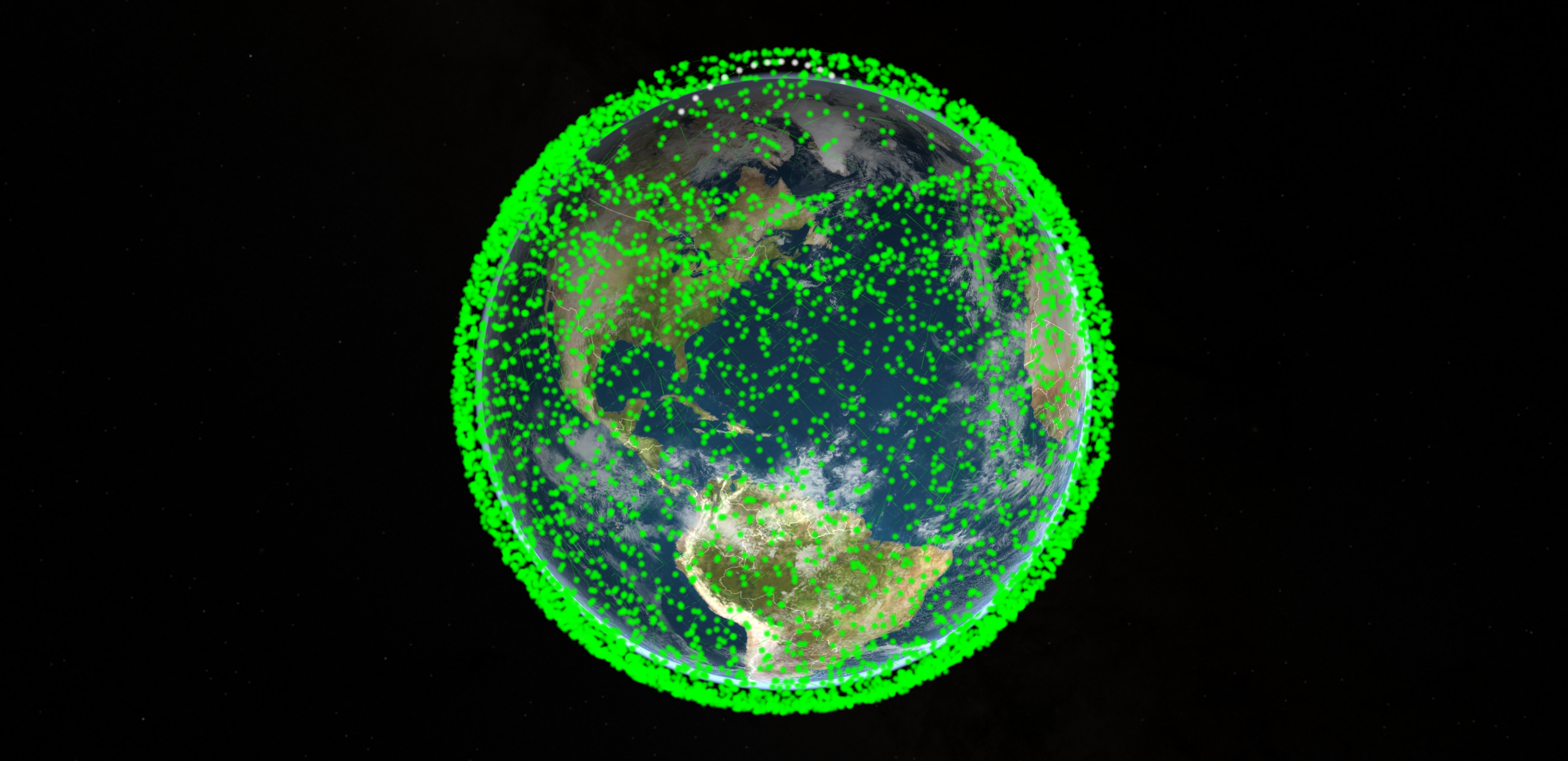
STARLINK-34343 broke apart at 560 kilometers. SpaceX's response - launch more satellites the next morning - tells you everything about the confidence gap between fleet statistics and individual failure modes.

SpaceX Launches Twilight Rideshare With 40 Payloads Including NASA Pandora | KeepTrack X Report

SpaceX Launches Twilight Rideshare With 40 Payloads Including NASA Pandora | KeepTrack X Report

SpaceX launches Twilight rideshare from Vandenberg carrying ~40 payloads including NASA's Pandora satellite. Kepler debuts 10 optical data relay satellites. OroraTech thermal sensors integrated.

Space Brief 13 May 2025

Space Brief 13 May 2025

China expands its classified satellite series, Space Force advances cloud-based ground station marketplaces, and the Pentagon grows its satellite network partner list. Highlighting new roles for sensor technology in tracking space debris.