

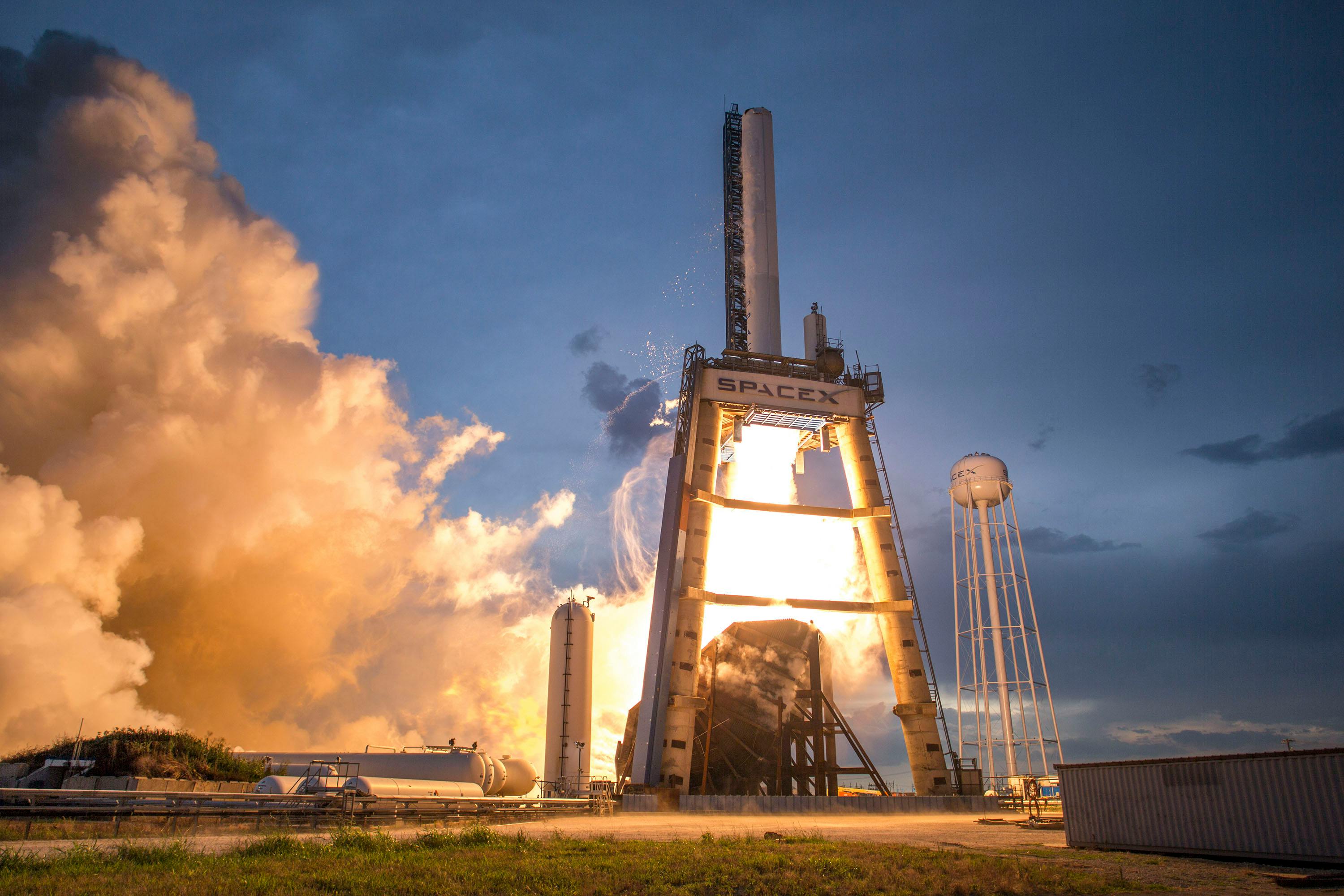
X Report 2 Oct 2025
Today's briefing covers Starlink's role in disaster recovery in the Philippines, insights into the evolving direct-to-device market, and news of European plans for a reusable upper stage rocket inspired by SpaceX's Starship.


![COSMOS 469 DEB [PELPS] Satellite Image](/images/sat/deb2.jpg)
Launch Date
December 25, 1971
Launch Site
Launch Pad
LC90/19
Launch Vehicle
Tsiklon-2
NORAD ID
05737
International Designator
1971-117B
Decay Date
2/9/1972
Name
COSMOS 469 DEB [PELPS]
Alternative Name
Kosmos-469 DU
Type
Status
Owner
TSKBM
Country
USSR
Constellation
N/A
Related Satellites
Major Events
N/A
Length
3.7
Diameter
1.3
Span
3.7
Dry Mass
1750
Launch Mass
2160
Shape
Cyl
Radar Cross Section
Unknown
Visual Magnitude
Unknown
Color
Unknown
Material Composition
Unknown
Payload
US-A DU
Purpose
Unknown
Mission
Unknown
Manufacturer
TSKBM/KB1
Life Expectancy
Unknown
Bus
US-A DU
Configuration
Unknown
Motor
Unknown
Equipment
Unknown
Power System
Unknown
ADCS
Unknown
Transmitter Frequency
Unknown
Learn more about satellites and other related topics.
Today's briefing covers Starlink's role in disaster recovery in the Philippines, insights into the evolving direct-to-device market, and news of European plans for a reusable upper stage rocket inspired by SpaceX's Starship.

Understanding the high and low points of every orbit - from the International Space Station's careful dance with Earth's atmosphere to the extreme ellipses that take satellites to the edge of space and back.

SpaceX safely returns Crew-9 from ISS, launches new Starlink satellites, and showcases its satellite kit production capabilities.

This edition highlights SpaceX's ambitious plans for Starship in light of recent developments, a busy launch week featuring multiple missions, and the latest updates on Starlink's operational status.
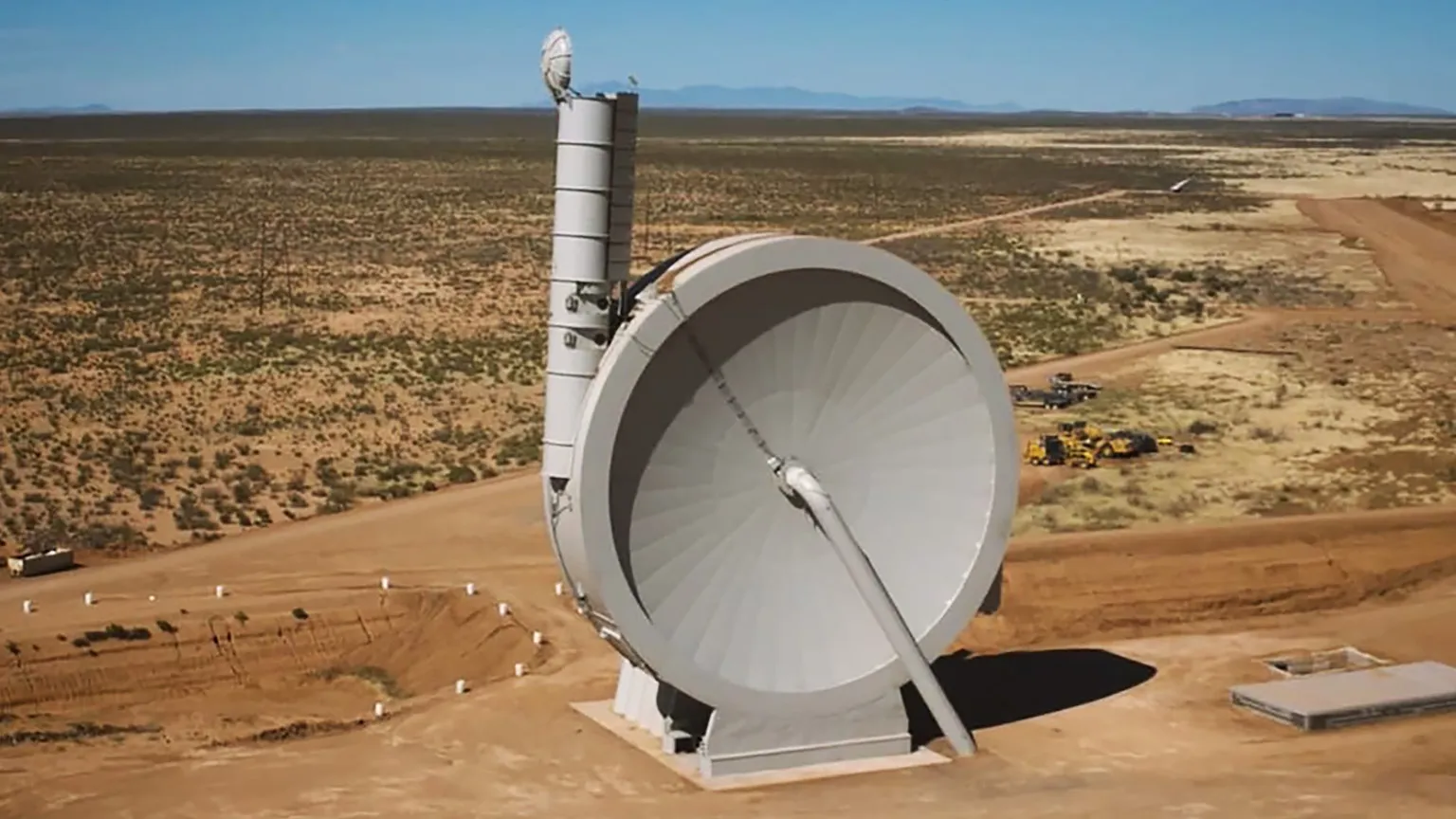
How a California startup's massive centrifuge could transform space access by eliminating rocket fuel, reducing costs by 70%, and enabling daily satellite launches - if it can overcome the physics of scaling from suborbital tests to orbital reality
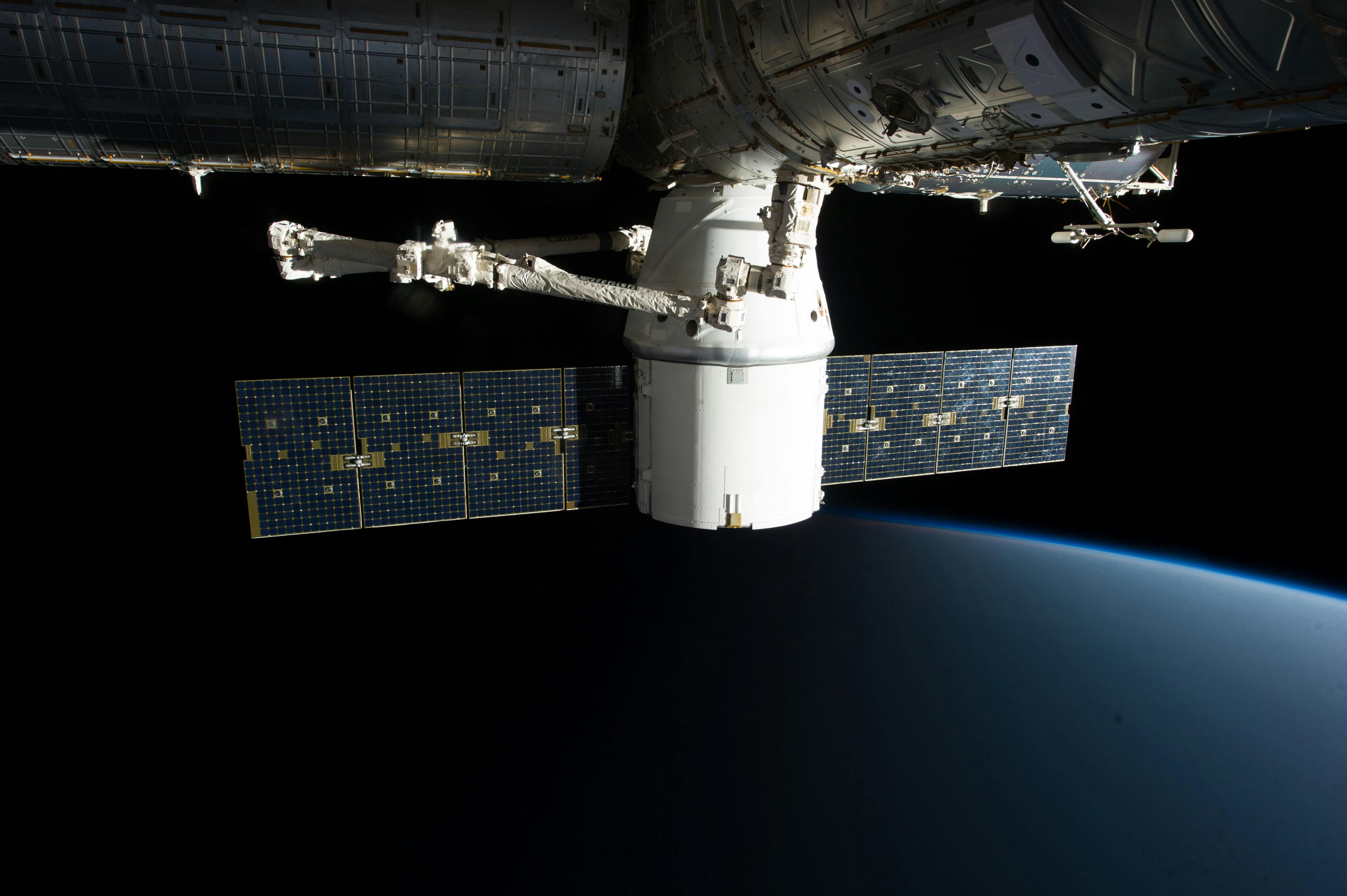
SpaceX and NASA swap Crew Dragon for Crew-10 mission; exciting 'space jellyfish' phenomena from recent launch.

For nearly two decades, the U.S. Air Force and Space Force have been the world's unofficial civilian space traffic control system. The Department of Commerce's Traffic Coordination System for Space (TraCSS) is now taking over that job for commercial satellite operators - in stages, against persistent congressional pressure to kill the program, and with Department of Defense advocates pushing to make it happen before it is too late.
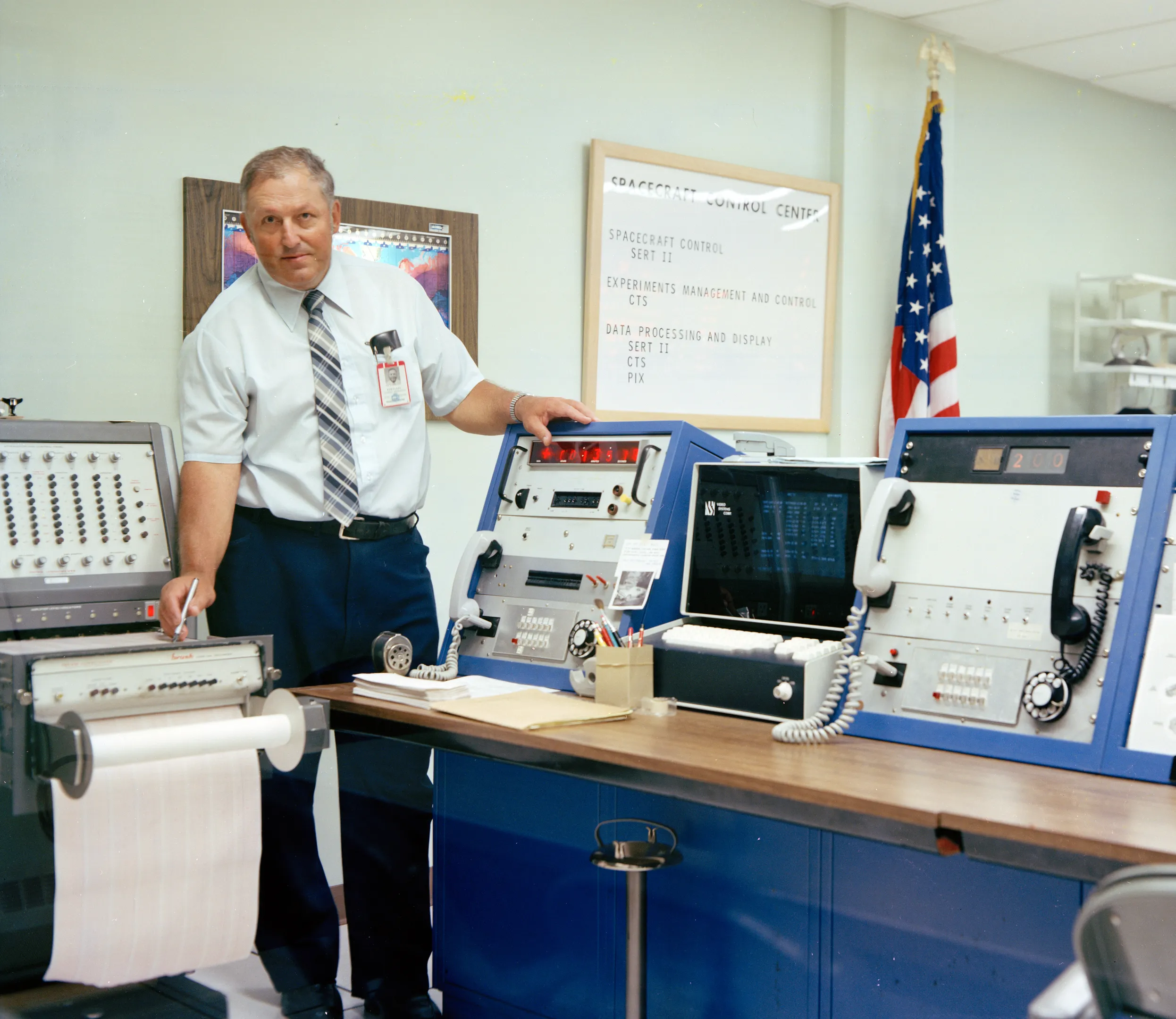
Fifty-five years ago, a revolutionary spacecraft launched from California carrying technology that would transform how we explore the solar system