


X Report 22 Feb 2025
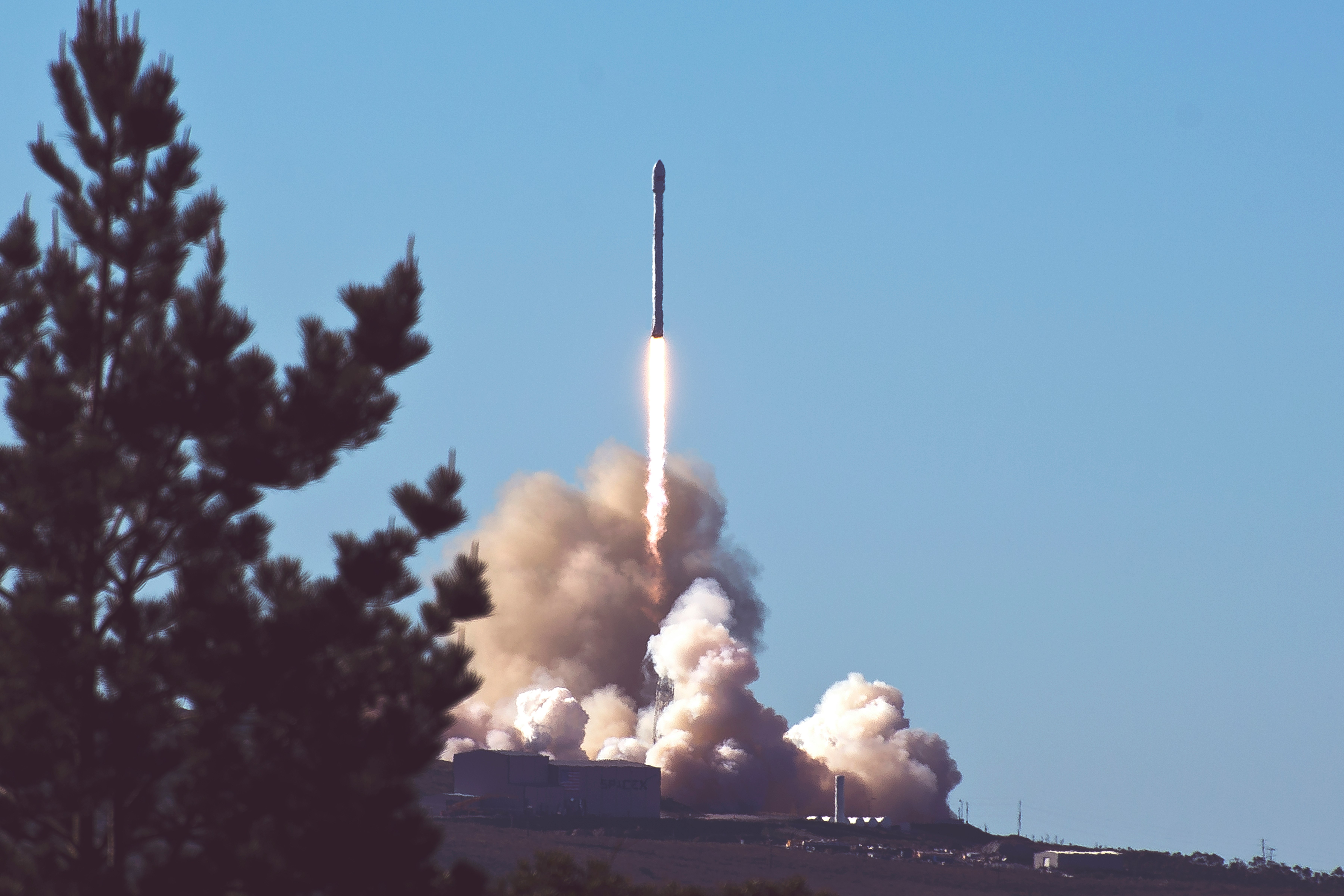
SpaceX secures NASA contract for NEO Surveyor launch and prepares for upcoming Starship test flight.



Launch Date
July 16, 2023
Launch Site
Launch Pad
LC40
Launch Vehicle
NORAD ID
57351
International Designator
2023-099Z
Epoch
Sun, 19 Jul 2026 09:36:13 GMT
Apogee
Calculating...
Perigee
Calculating...
Inclination
43.00°
Right Ascension
224.84°
Eccentricity
Calculating...
Argument of Perigee
276.57°
Period
94.27 min
Mean Motion
15.28 rev/day
Latitude
Calculating...
Longitude
Calculating...
Altitude
Calculating...
Velocity
Calculating...
Name
STARLINK-6331
Alternative Name
Starlink 6331
Type
Status
Owner
SPXS
Country
United States
Constellation
N/A
Related Satellites
Major Events
N/A
1 57351U 23099Z 26200.40015784 .00000916 00000+0 42815-4 0 9992
2 57351 43.0028 224.8366 0001573 276.5670 83.5003 15.27577320166269
Source: Celestrak
Length
0.2
Diameter
2.8
Span
9
Dry Mass
290
Launch Mass
305
Shape
Box + pan
Radar Cross Section
Unknown
Visual Magnitude
Unknown
Color
Unknown
Material Composition
Unknown
Payload
Starlink Group 5-15-24
Purpose
Communication
Mission
Communication
Manufacturer
SPXS
Life Expectancy
Unknown
Bus
Starlink
Configuration
Unknown
Motor
Krypton ion thrusters
Equipment
Ku/Ka-band payload, optical inter-satellite link
Power System
Solar arrays, batteries
ADCS
Unknown
Transmitter Frequency
Unknown
Learn more about satellites and other related topics.
SpaceX secures NASA contract for NEO Surveyor launch and prepares for upcoming Starship test flight.

NASA confirms first-ever ISS medical evacuation for January 14 via Crew Dragon. SpaceX launches 29 Starlink satellites in third mission of 2026. Artemis 2 moon mission timeline unaffected.
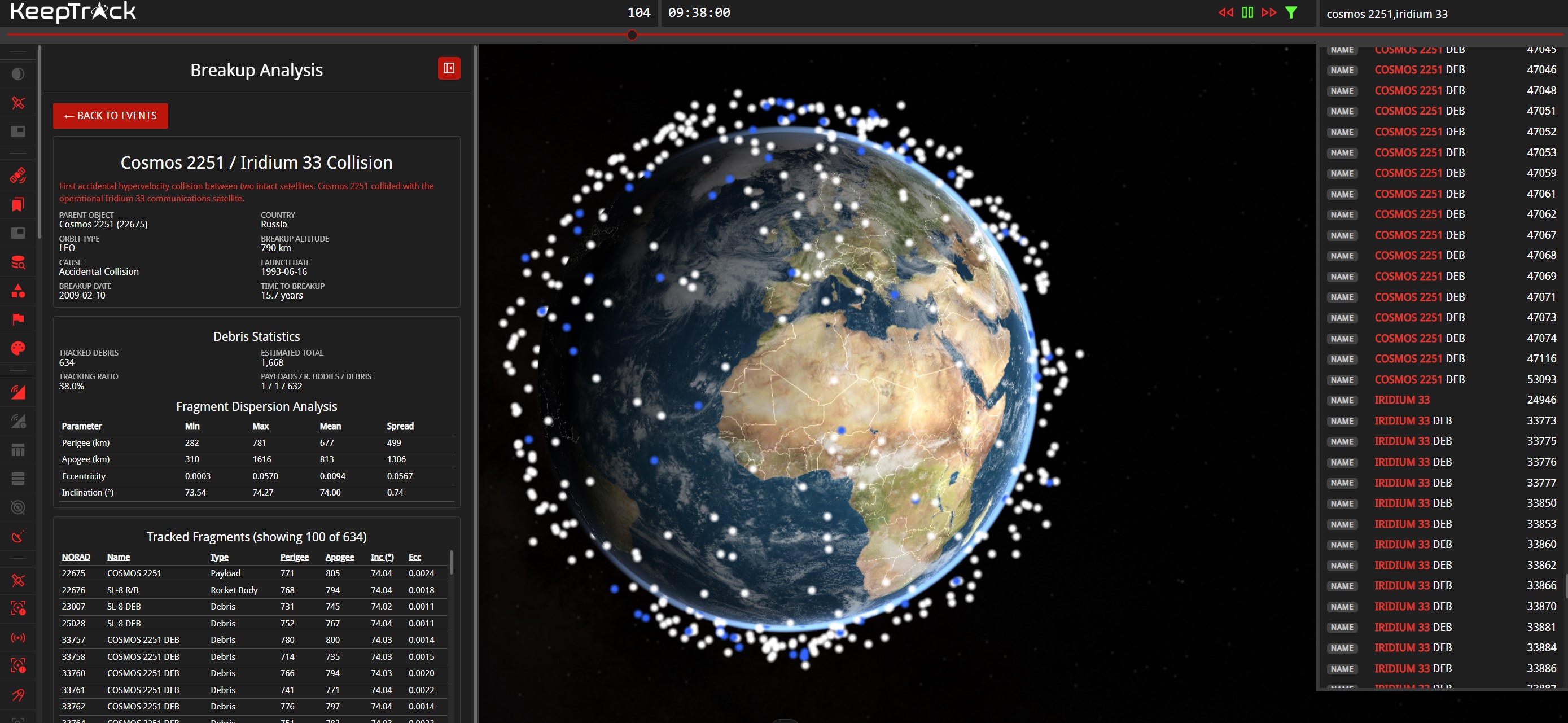
On February 10, 2009, an active Iridium communications satellite and a derelict Soviet military spacecraft slammed into each other 789 kilometers above Siberia. The collision produced more than 2,300 pieces of trackable debris that are still up there. Seventeen years later, the Iridium-Cosmos collision remains the event that made space debris a policy problem the world could no longer ignore.

Today's briefing includes new appointments in U.S. military and defense sectors, X-37B's continued mission, and international policy shifts affecting satellite technology sales.

Today's briefing covers key developments in defense budgets reshaping the space sector, significant Space Force contracts, and the latest news from the Chinese space station.
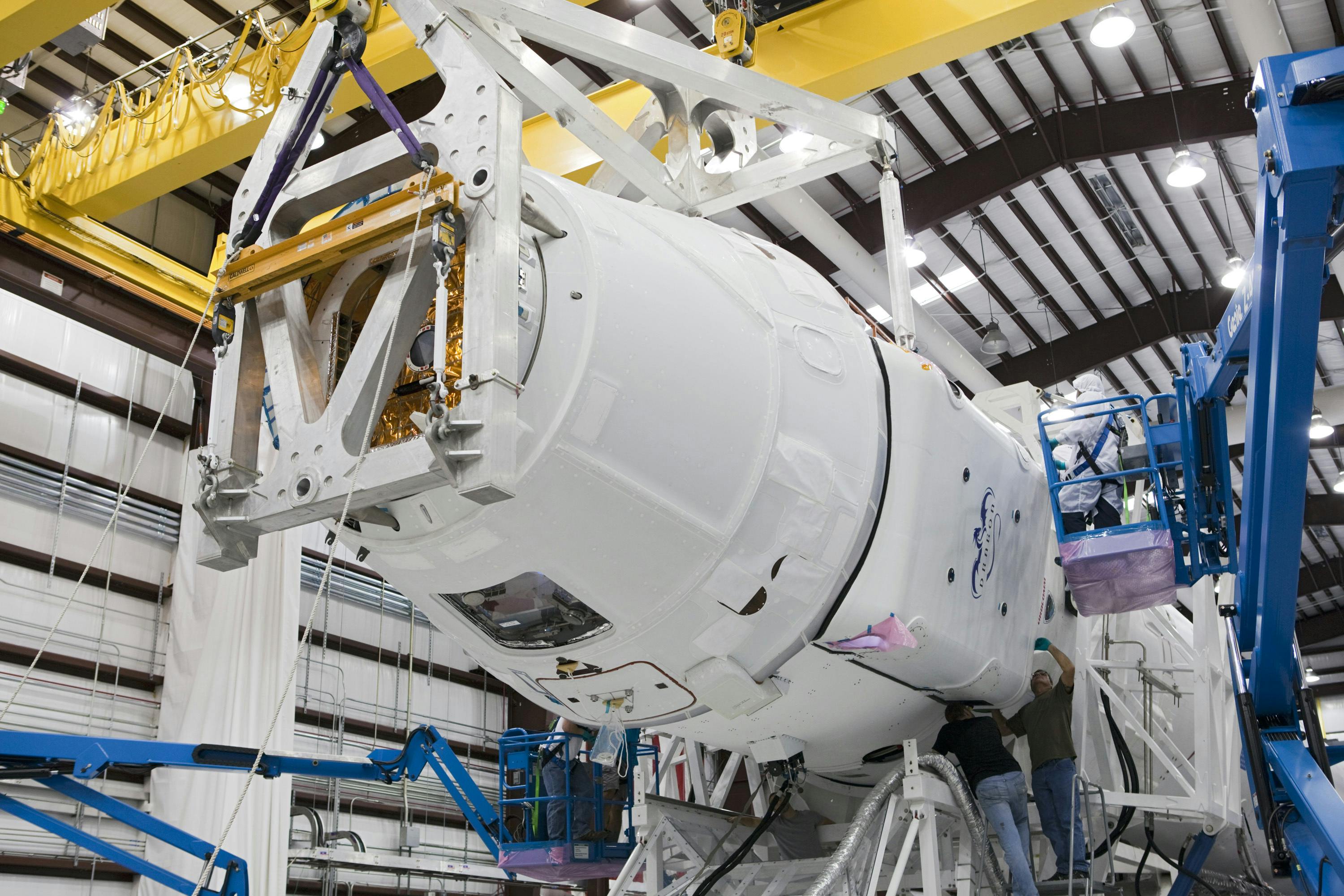
SpaceX impresses with the successful launch of 24 Starlink satellites and shares stunning visuals from the recent Starship Flight 10, which demonstrated remarkable landing precision.

What happens when space objects come home: the fiery physics of returning from orbit and why predicting where debris lands is so difficult
Today's highlights include SpaceX's record-setting Starlink launch, Redwire's contract for USSF, and military satellite developments.