


The Day Apollo 14 Restored NASA's Lunar Dreams
Fifty-four years ago, a Saturn V rocket lifted off carrying three astronauts determined to prove America could still reach the Moon after the near-disaster of Apollo 13



Launch Date
July 16, 2023
Launch Site
Launch Pad
LC40
Launch Vehicle
NORAD ID
57348
International Designator
2023-099W
Epoch
Sun, 19 Jul 2026 02:40:57 GMT
Apogee
Calculating...
Perigee
Calculating...
Inclination
43.00°
Right Ascension
226.97°
Eccentricity
Calculating...
Argument of Perigee
282.99°
Period
94.27 min
Mean Motion
15.28 rev/day
Latitude
Calculating...
Longitude
Calculating...
Altitude
Calculating...
Velocity
Calculating...
Name
STARLINK-6372
Alternative Name
Starlink 6372
Type
Status
Owner
SPXS
Country
United States
Constellation
N/A
Related Satellites
Major Events
N/A
1 57348U 23099W 26200.11177250 .00000310 00000+0 20794-4 0 9993
2 57348 43.0008 226.9663 0001275 282.9899 77.0810 15.27563978166212
Source: Celestrak
Length
0.2
Diameter
2.8
Span
9
Dry Mass
290
Launch Mass
305
Shape
Box + pan
Radar Cross Section
Unknown
Visual Magnitude
Unknown
Color
Unknown
Material Composition
Unknown
Payload
Starlink Group 5-15-21
Purpose
Communication
Mission
Communication
Manufacturer
SPXS
Life Expectancy
Unknown
Bus
Starlink
Configuration
Unknown
Motor
Krypton ion thrusters
Equipment
Ku/Ka-band payload, optical inter-satellite link
Power System
Solar arrays, batteries
ADCS
Unknown
Transmitter Frequency
Unknown
Learn more about satellites and other related topics.
Fifty-four years ago, a Saturn V rocket lifted off carrying three astronauts determined to prove America could still reach the Moon after the near-disaster of Apollo 13
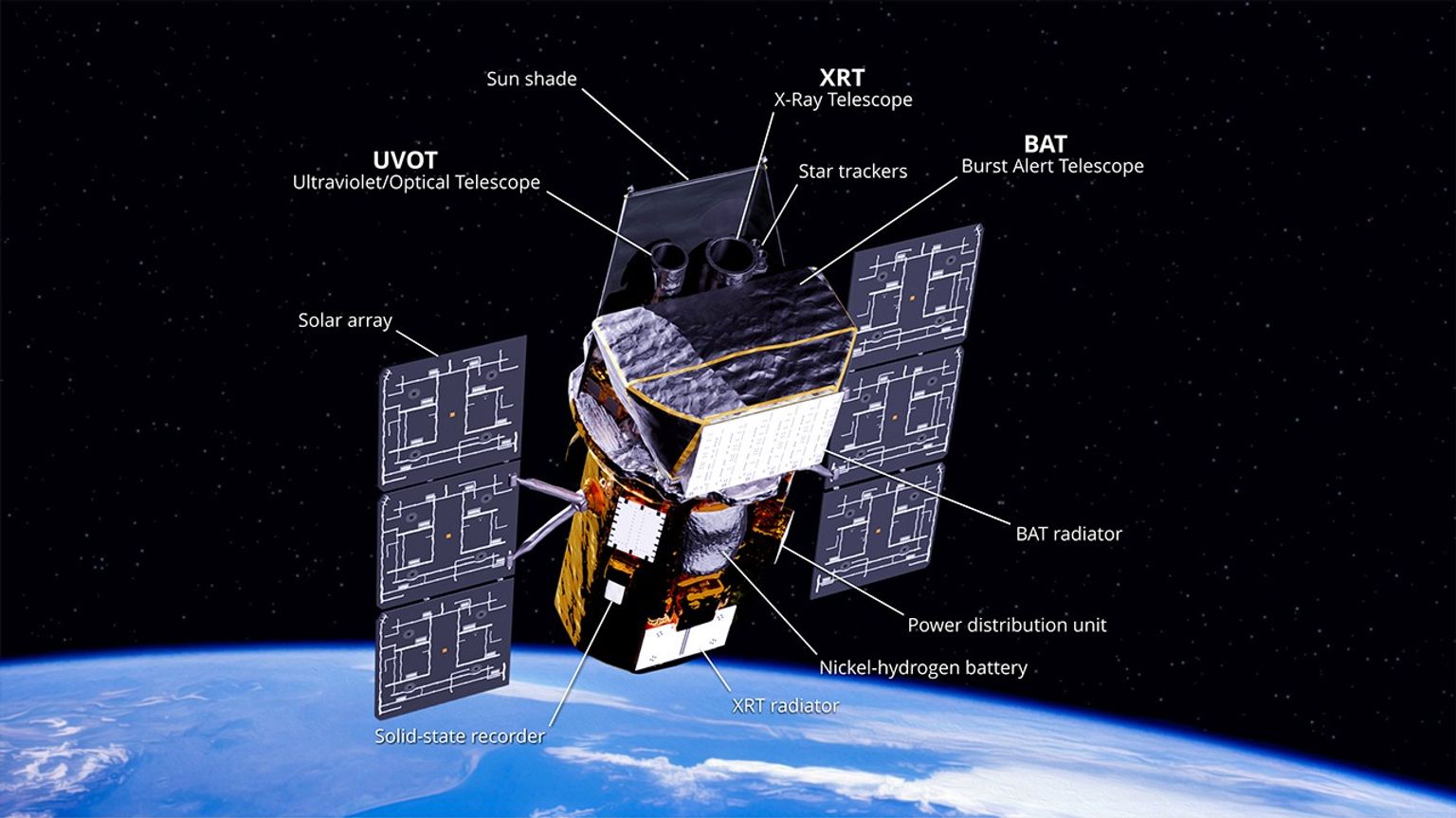
Designed for a two-year mission to catch gamma-ray bursts in the act, Swift is now 21 years old, slowly falling out of the sky, and the subject of an unprecedented private rescue mission. Nobody planned for it to be this hard to let go.

SpaceX continues to push forward with its ambitious plans as the FAA investigates Starship debris reports, while Starlink maintains robust satellite operations.
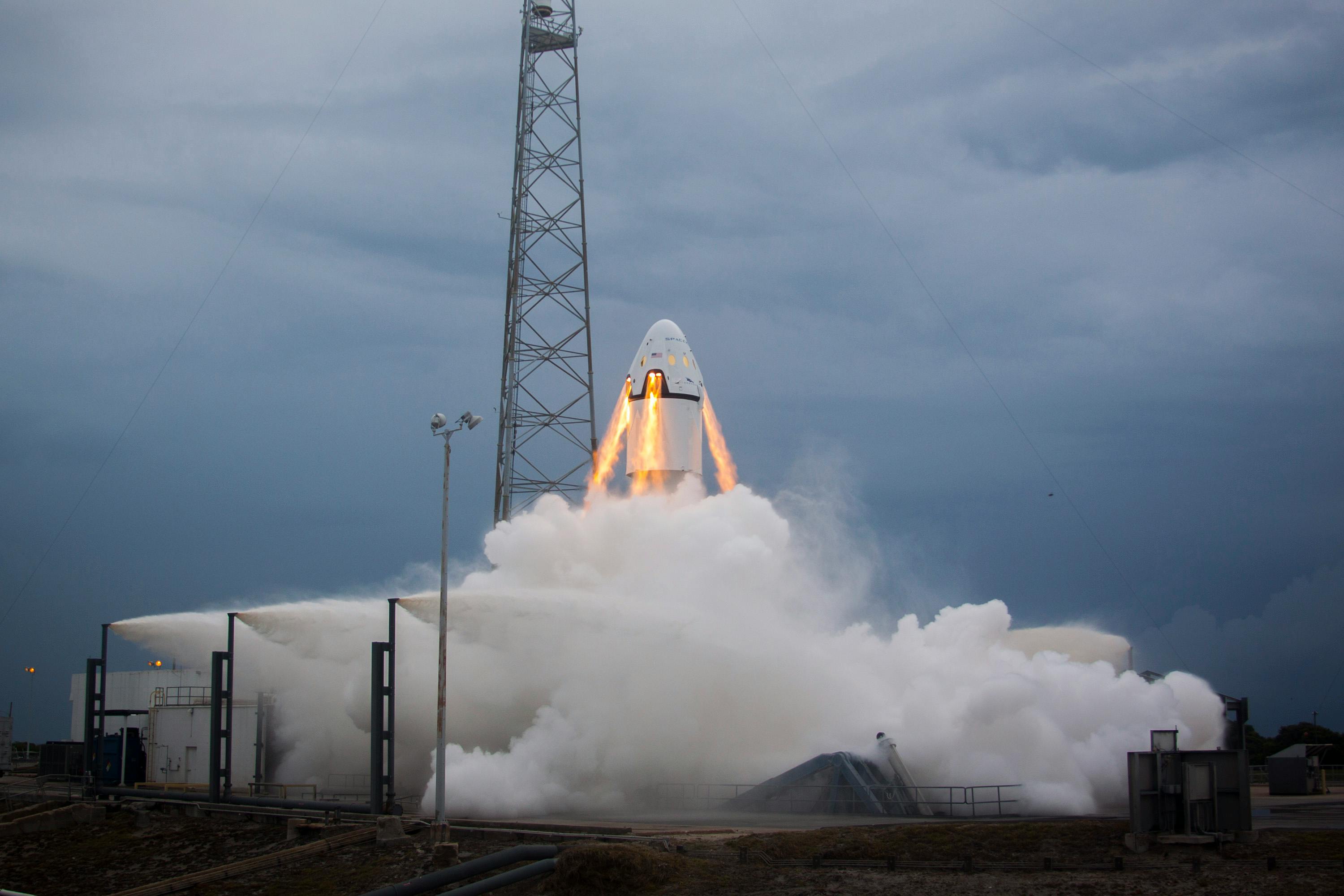
FAA advances environmental review for up to 44 Starship launches from Kennedy Space Center pad 39A. SpaceX wraps January with dual-coast Starlink launches. Crew-12 timeline tied to Artemis 2 schedule.

Twenty-two years ago, the crew of Space Shuttle Columbia awakened to John Lennon's 'Imagine' and shared a profound message about unity and peace that would become part of their enduring legacy

SpaceX set to launch 11,000th Starlink satellite on Starlink 17-19 from Vandenberg. NASA moves Crew-12 launch to Feb 11 after ISS medical evacuation. Starship V3 targets mid-March first flight.

SpaceX executes a rapid response GPS mission for the U.S. Space Force, Starlink extends its reach with a beta smartphone connectivity service by T-Mobile, and Starship approaches its seventh launch with readiness milestones.

NASA's Van Allen Probe A (1,300 lbs) reenters today after 14 years studying Earth's radiation belts. Most debris will burn up; ocean impact statistically likely.