STARLINK-30235 (57294)

COSPAR: 2023-096E | Alt Name: Starlink 30235

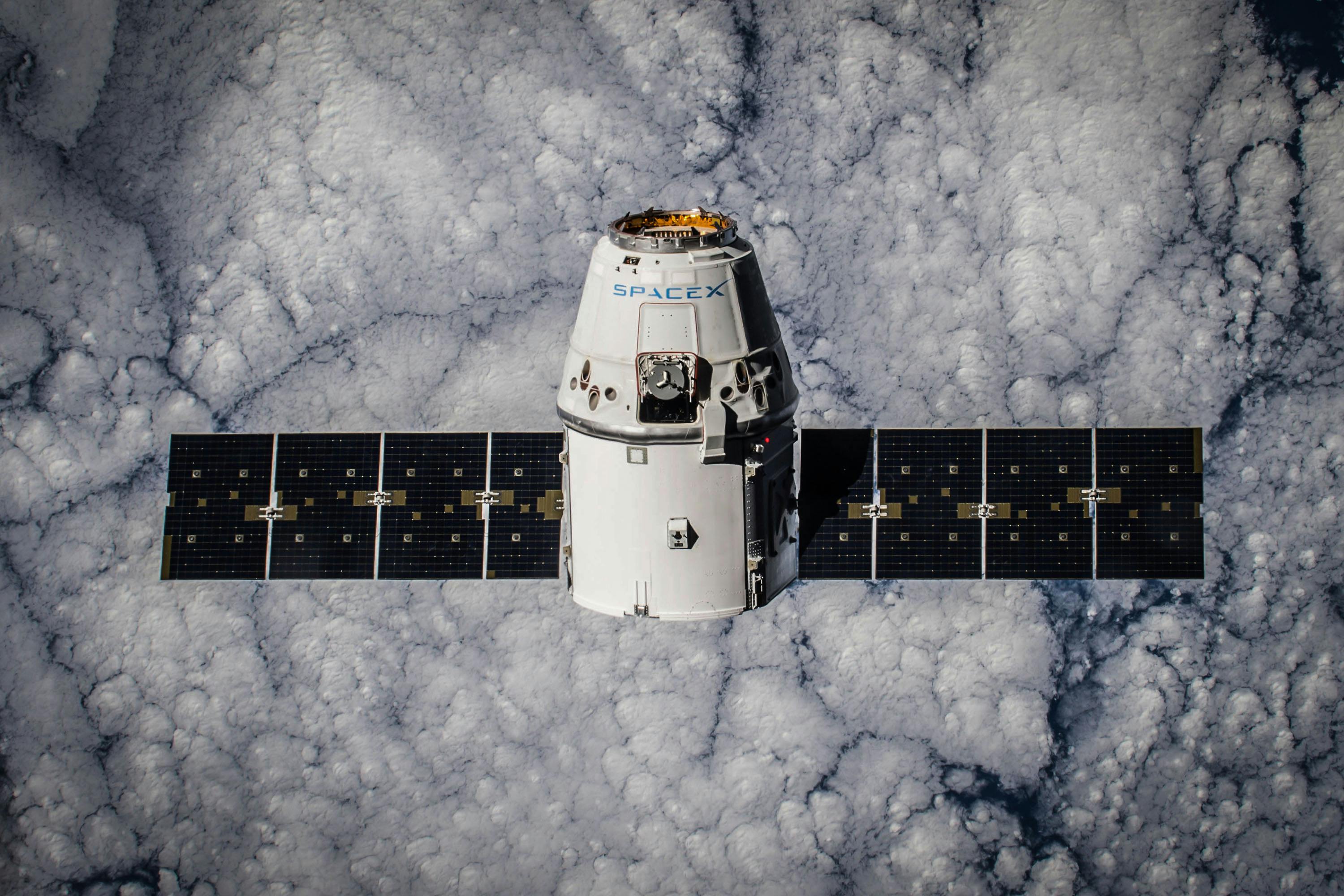
Image
STARLINK-30235 Satellite Image
Additional Sources
Launch Details

Launch Date

July 10, 2023

Launch Pad

LC40

Launch Vehicle

Falcon 9

Orbital Elements

NORAD ID

57294

International Designator

2023-096E

Epoch

Sun, 19 Jul 2026 08:28:46 GMT

Apogee

Calculating...

Perigee

Calculating...

Inclination

43.00°

Right Ascension

199.61°

Eccentricity

Calculating...

Argument of Perigee

274.64°

Period

94.27 min

Mean Motion

15.28 rev/day

Latitude

Calculating...

Longitude

Calculating...

Altitude

Calculating...

Velocity

Calculating...

Polar Plot
3D Visualization
Basic Satellite Info

Name

STARLINK-30235

Alternative Name

Starlink 30235

Type

Payload

Status

Operational

Owner

SPXS

Country

United States

Constellation

N/A

Related Satellites

Major Events

N/A

Latest TLEs
1 57294U 23096E   26200.35332079  .00000323  00000+0  21253-4 0  9993
2 57294  43.0008 199.6114 0001225 274.6436  85.4275 15.27577271167758

Source: Celestrak

Summary
The satellite identified by NORAD_CAT_ID 57294 and OBJECT_ID 2023-096E is a Starlink V2M spacecraft designated as STARLINK-30235 or Starlink 30235. It was launched on July 10, 2023, from Cape Canaveral Air Force Station (LC40) using a Falcon 9 launch vehicle. The satellite has dimensions of 0.3 meters in length and 4.1 meters in diameter with a span of 29 meters. It carries a Ku/Ka/E-band payload and an optical inter-satellite link for communication purposes. Its dry mass is 700 kg, while the launch mass was 730 kg. The satellite is powered by solar arrays and batteries and uses Argon ion thrusters for propulsion. The manufacturer of this spacecraft is SPXS (SpaceX), which also owns it. It operates within the Starlink Group 6-5-05 constellation to provide communication services.

Starlink is a satellite constellation developed by SpaceX with the aim of providing global broadband internet coverage. Thousands of small satellites are deployed in low Earth orbit (LEO), enabling high-speed internet access even in remote areas. However, the rapid increase in satellites raises concerns about space debris and the potential for collisions, which can lead to further debris creation and endanger other spacecraft. Additionally, the sheer number of Starlink satellites can affect astronomical observations by increasing light pollution. Proper deorbiting plans and international coordination are essential to mitigate these challenges and ensure long-term sustainability in space.
Physical Characteristics

Length

0.3

Diameter

4.1

Span

29

Dry Mass

700

Launch Mass

730

Shape

Box + pan

Radar Cross Section

Unknown

Visual Magnitude

Unknown

Color

Unknown

Material Composition

Unknown

Technical Details

Payload

Starlink Group 6-5-05

Purpose

Communication

Mission

Communication

Manufacturer

SPXS

Life Expectancy

Unknown

Bus

Starlink V2M

Configuration

Starlink v2 Mini

Motor

Argon ion thrusters

Equipment

Ku/Ka/E-band payload, optical inter-satellite link

Power System

Solar arrays, batteries

ADCS

Unknown

Transmitter Frequency

Unknown

Map
This tool will help you track the satellite's position and predict its upcoming passes over your location. Simply input the coordinates or click the geolocation button to get started.
Next Pass
Azimuth Elevation Time (Local)
Start Azimuth
Max Elevation
Stop Azimuth
Time Until
Pass Duration

Satellite Articles

View All Posts »

Learn more about satellites and other related topics.

Space Brief 11 Apr 2025

Space Brief 11 Apr 2025

Today's brief covers Millennium's milestone in missile defense, new satellite jammer for Space Force, budget increases for defense, delays in MEO satellite contracts, and potential impacts of Trump's latest order on Pentagon programs.
The Moon Landing That Almost Didn't Happen

The Moon Landing That Almost Didn't Happen

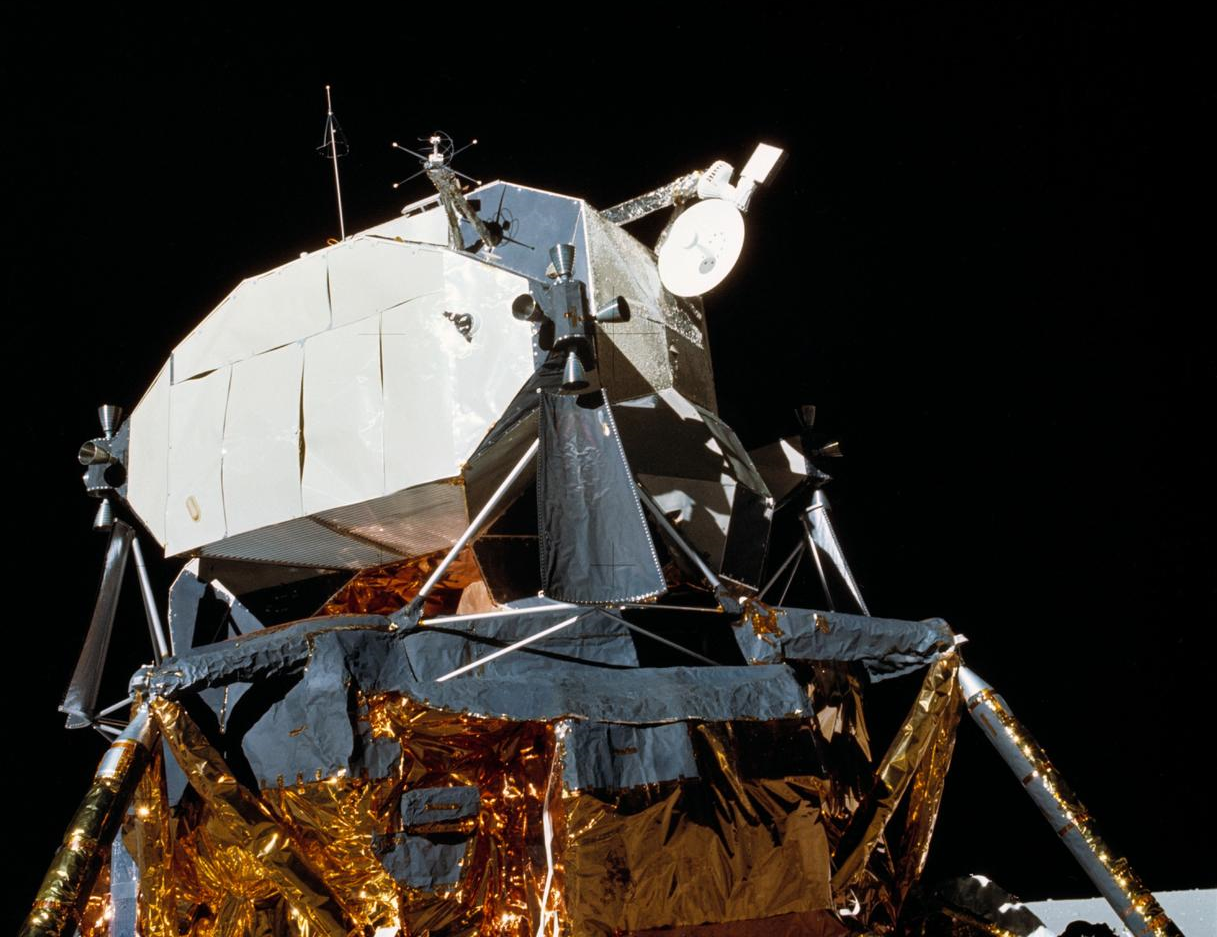
Six hours behind schedule, with a backup engine system shuddering in lunar orbit and mission controllers in Houston running out of options, Apollo 16 came within one meeting of being sent home without landing. The problem was a wobble in a gimbal. The solution was math done under pressure.

FAA Approves Starship Launches from LC-39A, FCC Accepts Orbital Data Center Filing | KeepTrack X Report

FAA Approves Starship Launches from LC-39A, FCC Accepts Orbital Data Center Filing | KeepTrack X Report

FAA approves SpaceX Starship launches from Kennedy Space Center LC-39A. FCC accepts 1-million satellite orbital data center filing. Canada ranks as 5th largest Starlink market.

SpaceX Wins $2.29B Space Force LEO Comms Contract | KeepTrack Space Brief

SpaceX Wins $2.29B Space Force LEO Comms Contract | KeepTrack Space Brief

SpaceX awarded $2.29 billion to build Space Force's LEO communications backbone, integrating with SDA Transport layer satellites for military tactical data relay through space.

Atlas 5 Retires After Final 551 Flight to Amazon Kuiper | KeepTrack Space Brief

Atlas 5 Retires After Final 551 Flight to Amazon Kuiper | KeepTrack Space Brief

ULA launches the final Atlas 5 551 configuration—its heaviest variant with 5 solid boosters—carrying Amazon's Project Kuiper satellite to low Earth orbit from Cape Canaveral.

NASA Tests Artemis 2 Fueling, Saudi Unveils DebriSolver Winners | KeepTrack Space Brief

NASA Tests Artemis 2 Fueling, Saudi Unveils DebriSolver Winners | KeepTrack Space Brief

NASA conducts critical Artemis 2 rocket fueling test. Saudi Space Agency announces global DebriSolver competition winners. SpaceX and Bezos push orbital data center plans.

Golden Dome Missile Shield Costs Up to $1.2T Over 20 Years | KeepTrack Space Brief

Golden Dome Missile Shield Costs Up to $1.2T Over 20 Years | KeepTrack Space Brief

CBO estimates Golden Dome national missile shield at $1.2 trillion over 20 years. Space-based intercept layer could add thousands of satellites to tracked orbital regimes.

X Report 17 Nov 2024

X Report 17 Nov 2024

SpaceX readies for Starship Flight 6, stacking the megarocket for its upcoming launch on Nov. 19. Get details on the timing and mission objectives.