STARLINK-5505 (57259)

COSPAR: 2023-094AT | Alt Name: Starlink 5505
DECAYED

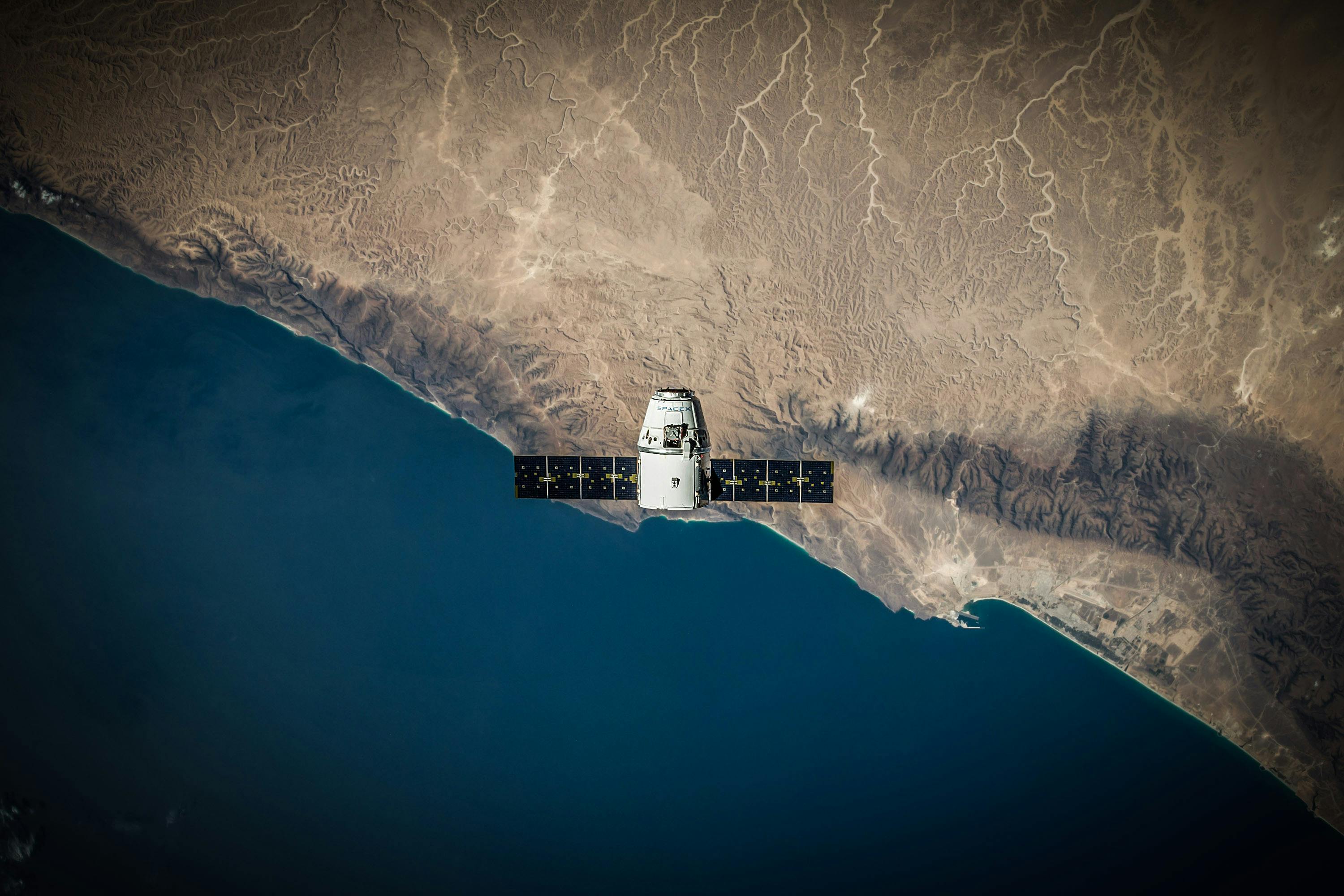
Image
STARLINK-5505 Satellite Image
Additional Sources
Launch Details

Launch Date

July 7, 2023

Launch Site

AFWTR

Launch Pad

SLC4E

Launch Vehicle

Falcon 9

Orbital Elements

NORAD ID

57259

International Designator

2023-094AT

Decay Date

3/2/2024

Basic Satellite Info

Name

STARLINK-5505

Alternative Name

Starlink 5505

Type

Payload

Status

Decayed

Owner

SPXS

Country

United States

Constellation

N/A

Related Satellites

Major Events

N/A

Summary
STARLINK-5505, also known as Starlink 5505, is a communication satellite operated by SpaceX (SPXS). It was launched on July 7, 2023, from the AFWTR launch site using a Falcon 9 rocket from SLC4E. The satellite measures 0.2 meters in length and has a diameter of 2.8 meters with a span of 9 meters. Equipped with Ku/Ka-band payload and optical inter-satellite link equipment, it also uses krypton ion thrusters for propulsion. It has solar arrays and batteries for power generation. The satellite's dry mass is 290 kg and its launch mass was 305 kg. It belongs to the Starlink Group 5-13-42 constellation and is part of SpaceX’s broader mission to provide global communication services.

Starlink is a satellite constellation developed by SpaceX with the aim of providing global broadband internet coverage. Thousands of small satellites are deployed in low Earth orbit (LEO), enabling high-speed internet access even in remote areas. However, the rapid increase in satellites raises concerns about space debris and the potential for collisions, which can lead to further debris creation and endanger other spacecraft. Additionally, the sheer number of Starlink satellites can affect astronomical observations by increasing light pollution. Proper deorbiting plans and international coordination are essential to mitigate these challenges and ensure long-term sustainability in space.
Physical Characteristics

Length

0.2

Diameter

2.8

Span

9

Dry Mass

290

Launch Mass

305

Shape

Box + pan

Radar Cross Section

Unknown

Visual Magnitude

Unknown

Color

Unknown

Material Composition

Unknown

Technical Details

Payload

Starlink Group 5-13-42

Purpose

Communication

Mission

Communication

Manufacturer

SPXS

Life Expectancy

Unknown

Bus

Starlink

Configuration

Unknown

Motor

Krypton ion thrusters

Equipment

Ku/Ka-band payload, optical inter-satellite link

Power System

Solar arrays, batteries

ADCS

Unknown

Transmitter Frequency

Unknown

Satellite Articles

View All Posts »

Learn more about satellites and other related topics.

Space Brief 22 Nov 2024

Space Brief 22 Nov 2024

Today's key topics include delays in Vulcan's national security launches, a significant network upgrade contract for the Space Force, and military interest in SpaceX's Starship.

Cygnus NG-24 Carries 11,000 lbs to ISS | KeepTrack X Report

Cygnus NG-24 Carries 11,000 lbs to ISS | KeepTrack X Report

SpaceX's Falcon 9 lofts 11,000 lbs aboard Cygnus NG-24 to the ISS as Amazon pushes Leo's commercial debut to mid-2026.

The Day Discovery Took Her Final Flight

The Day Discovery Took Her Final Flight

Fourteen years ago, Space Shuttle Discovery thundered into orbit one last time, carrying a robot astronaut and capping a remarkable 27-year career that revolutionized space exploration

Vietnam Licenses Starlink for 600K Terminals, Isaacman Plans Roscosmos Visit | KeepTrack Space Brief

Vietnam Licenses Starlink for 600K Terminals, Isaacman Plans Roscosmos Visit | KeepTrack Space Brief

Vietnam approves Starlink with up to 600,000 terminals and 4 gateway stations. SpaceX hits 600th Falcon 9 launch. NASA's Isaacman plans Roscosmos meeting and Soyuz visit.
Besxar Semiconductor Pods Launch on Starlink 10-50 | KeepTrack Space Brief

Besxar Semiconductor Pods Launch on Starlink 10-50 | KeepTrack Space Brief

SpaceX Falcon 9 launches Starlink 10-50 with two Besxar semiconductor manufacturing test pods. In-space fabrication experiment explores cost reduction for commercial payloads.

The Satellite That Taught Us What We Were Doing to the Planet

The Satellite That Taught Us What We Were Doing to the Planet

Landsat 7 launched on April 15, 1999, designed to last five years. It operated for twenty-five, survived a failure that destroyed a fifth of every image it took, and became part of the longest continuous record of Earth's surface ever assembled. Then they made the data free.
The Day Electric Propulsion Changed Spaceflight Forever

The Day Electric Propulsion Changed Spaceflight Forever

Fifty-five years ago, a revolutionary spacecraft launched from California carrying technology that would transform how we explore the solar system

Space Brief 18 Nov 2025

Space Brief 18 Nov 2025

Key updates on strategic military shifts, technological advancements, and a critical replacement mission for Chinese astronauts highlight today's space news.