


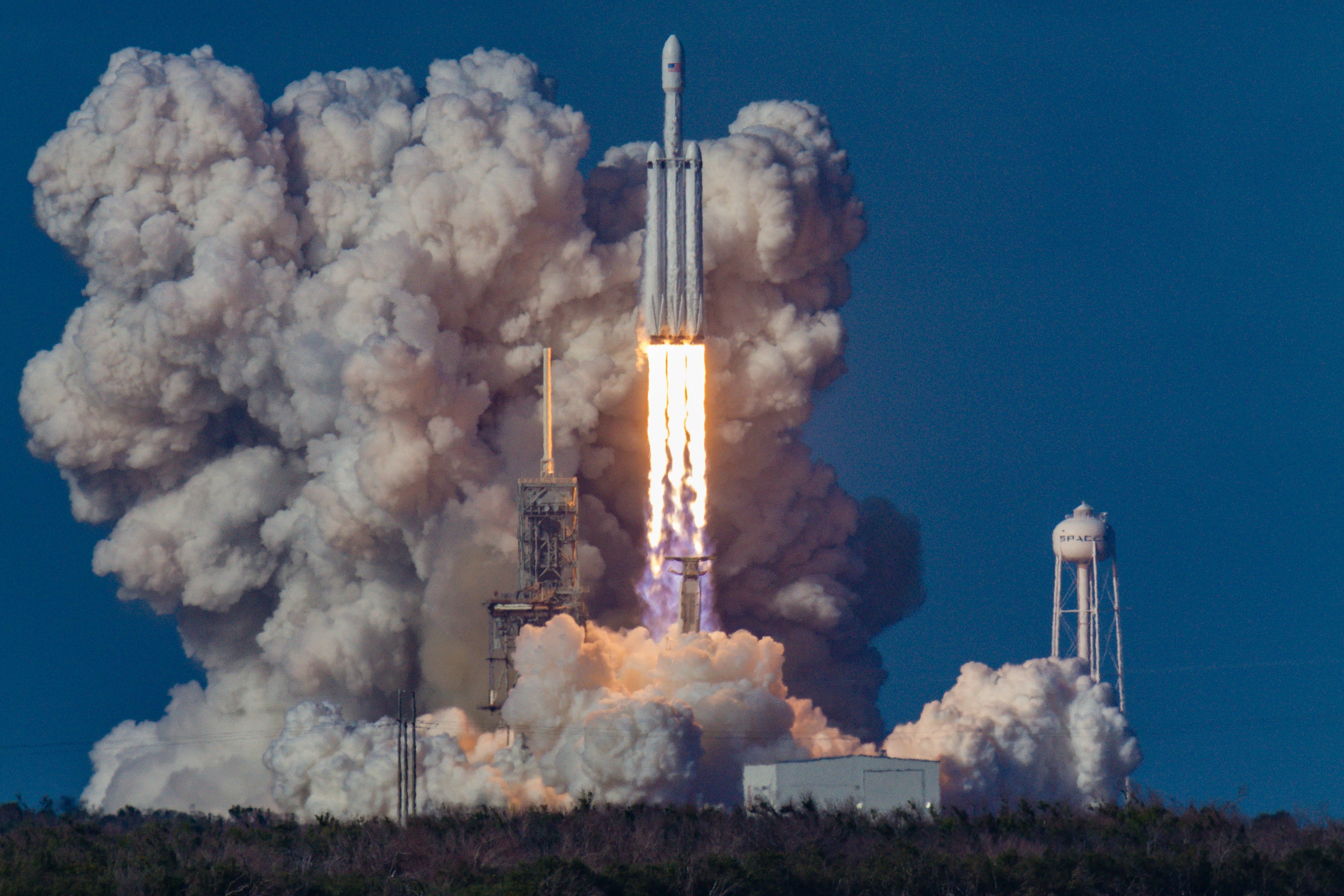
X Report 1 Sep 2025
SpaceX successfully launched 28 Starlink satellites from Florida, continuing its momentum in expanding global internet coverage.



NORAD ID
57237
International Designator
2023-094V
Epoch
Sun, 19 Jul 2026 19:29:16 GMT
Apogee
Calculating...
Perigee
Calculating...
Inclination
43.00°
Right Ascension
4.40°
Eccentricity
Calculating...
Argument of Perigee
262.85°
Period
94.27 min
Mean Motion
15.28 rev/day
Latitude
Calculating...
Longitude
Calculating...
Altitude
Calculating...
Velocity
Calculating...
Name
STARLINK-6365
Alternative Name
Starlink 6365
Type
Status
Owner
SPXS
Country
United States
Constellation
N/A
Related Satellites
Major Events
N/A
1 57237U 23094V 26200.81199750 -.00000047 00000+0 78070-5 0 9990
2 57237 43.0021 4.4041 0001191 262.8463 97.2253 15.27572984167329
Source: Celestrak
Length
0.2
Diameter
2.8
Span
9
Dry Mass
290
Launch Mass
305
Shape
Box + pan
Radar Cross Section
Unknown
Visual Magnitude
Unknown
Color
Unknown
Material Composition
Unknown
Payload
Starlink Group 5-13-20
Purpose
Communication
Mission
Communication
Manufacturer
SPXS
Life Expectancy
Unknown
Bus
Starlink
Configuration
Unknown
Motor
Krypton ion thrusters
Equipment
Ku/Ka-band payload, optical inter-satellite link
Power System
Solar arrays, batteries
ADCS
Unknown
Transmitter Frequency
Unknown
Learn more about satellites and other related topics.
SpaceX successfully launched 28 Starlink satellites from Florida, continuing its momentum in expanding global internet coverage.
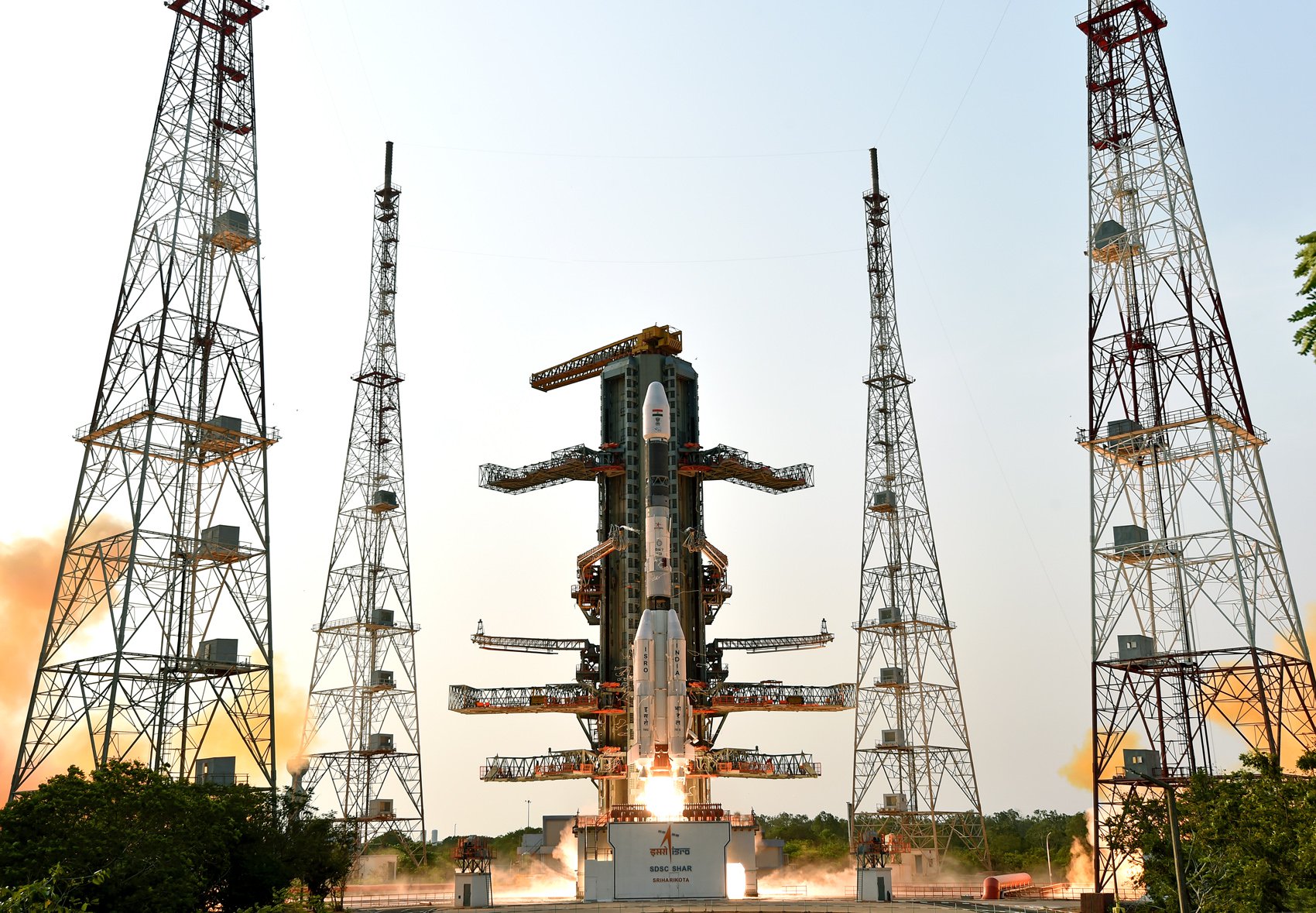
Today's highlights include China's remote-sensing satellite launch, U.S. Space Force's investment in missile-tracking satellites, and NASA's MAVEN milestone on Mars.
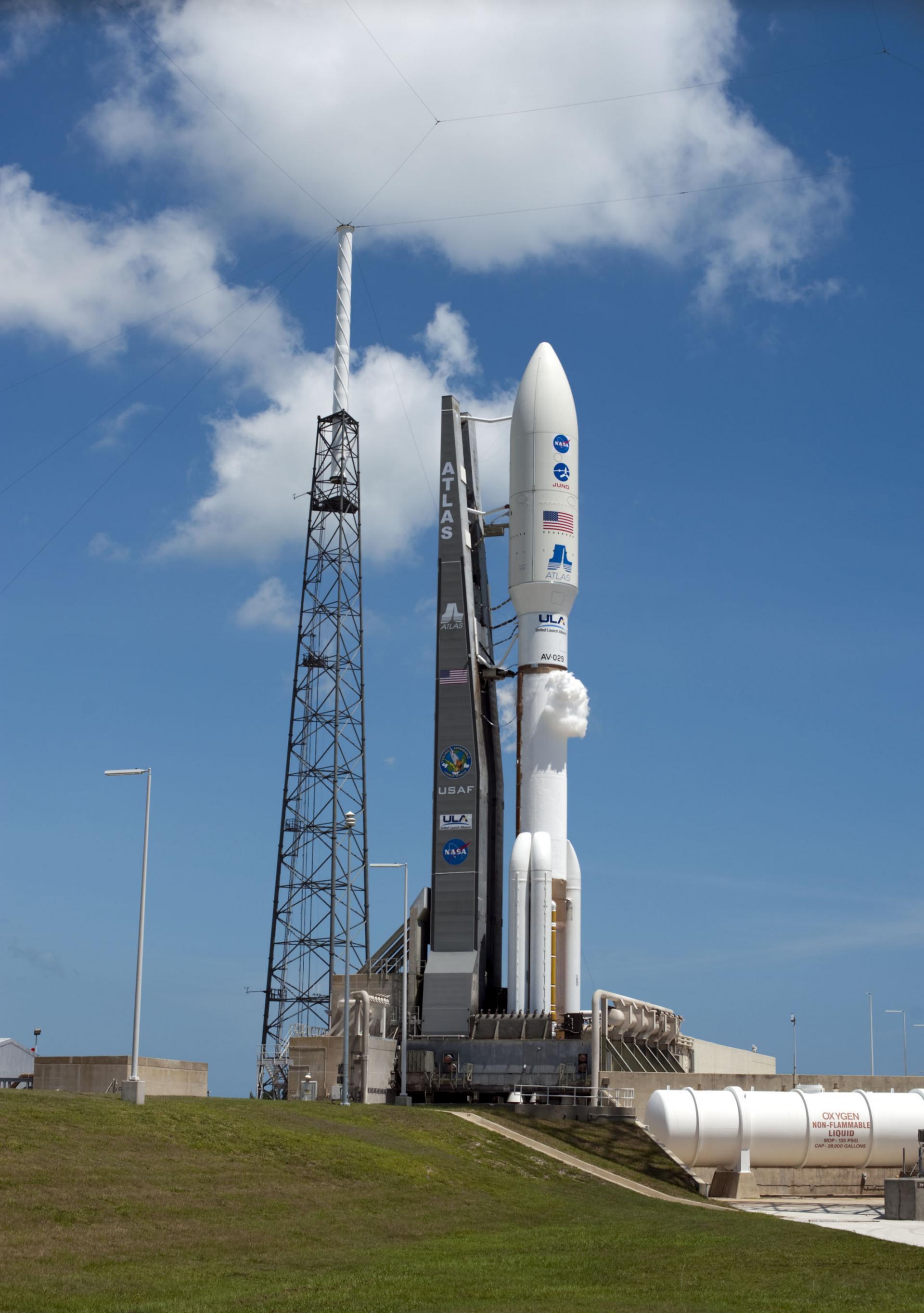
Today's brief covers a significant GPS satellite launch by SpaceX, China's classified satellite mission, and Rocket Lab's strategic steps in the defense sector.

Twelve years ago, South Korea successfully launched a satellite using its own launch vehicle and facilities for the first time, marking a crucial milestone in its journey to space independence

SpaceX gains regulatory approval for a new Starship test flight, further expands its role in U.S. defense, and successfully launches 26 additional Starlink satellites. United Airlines also rolls out Starlink Wi-Fi on its flights.
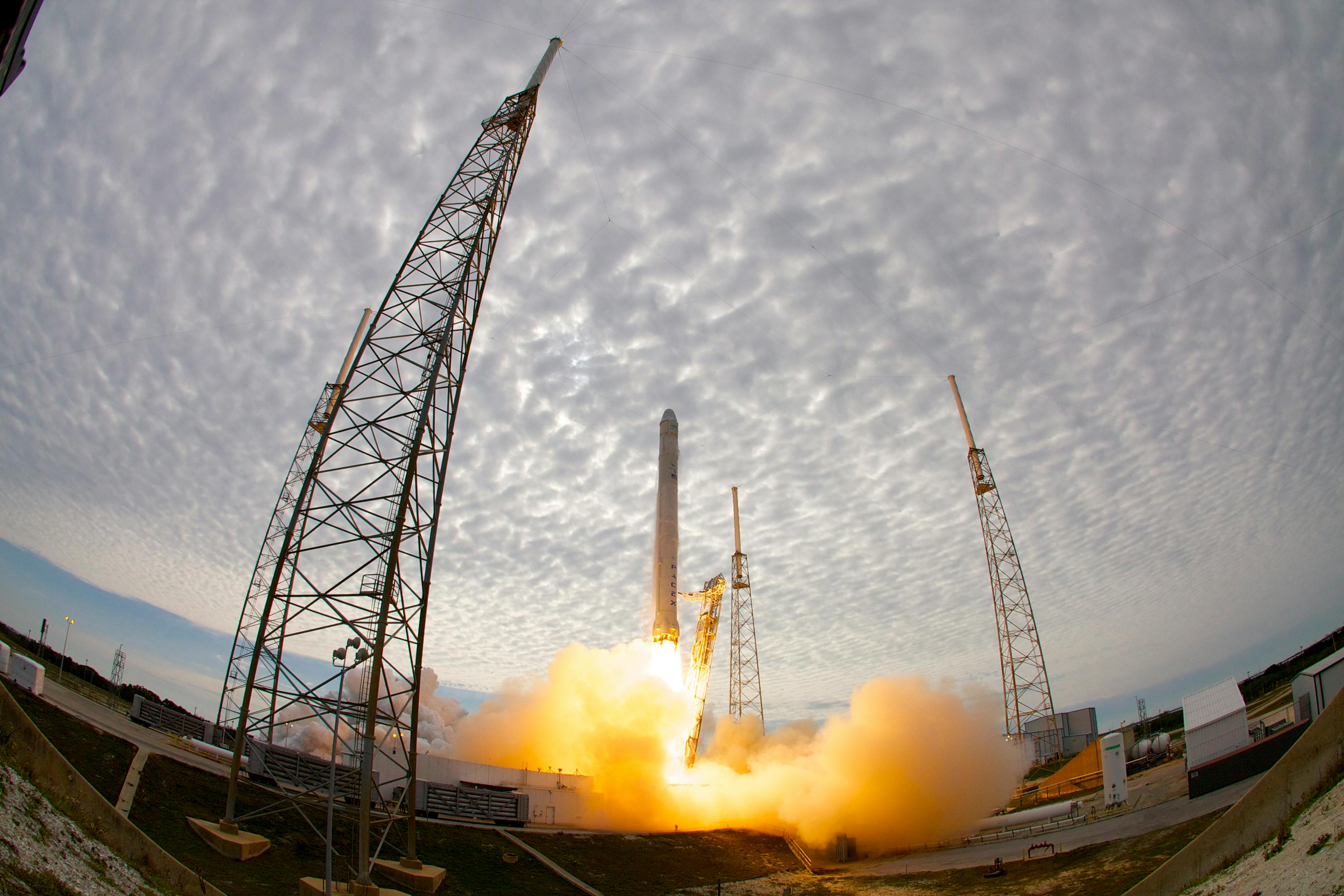
SpaceX conducts another Starship test flight, with high-profile audience; SEOPS secures Falcon 9 for rideshare mission; Ontario partners with Starlink for rural connectivity.
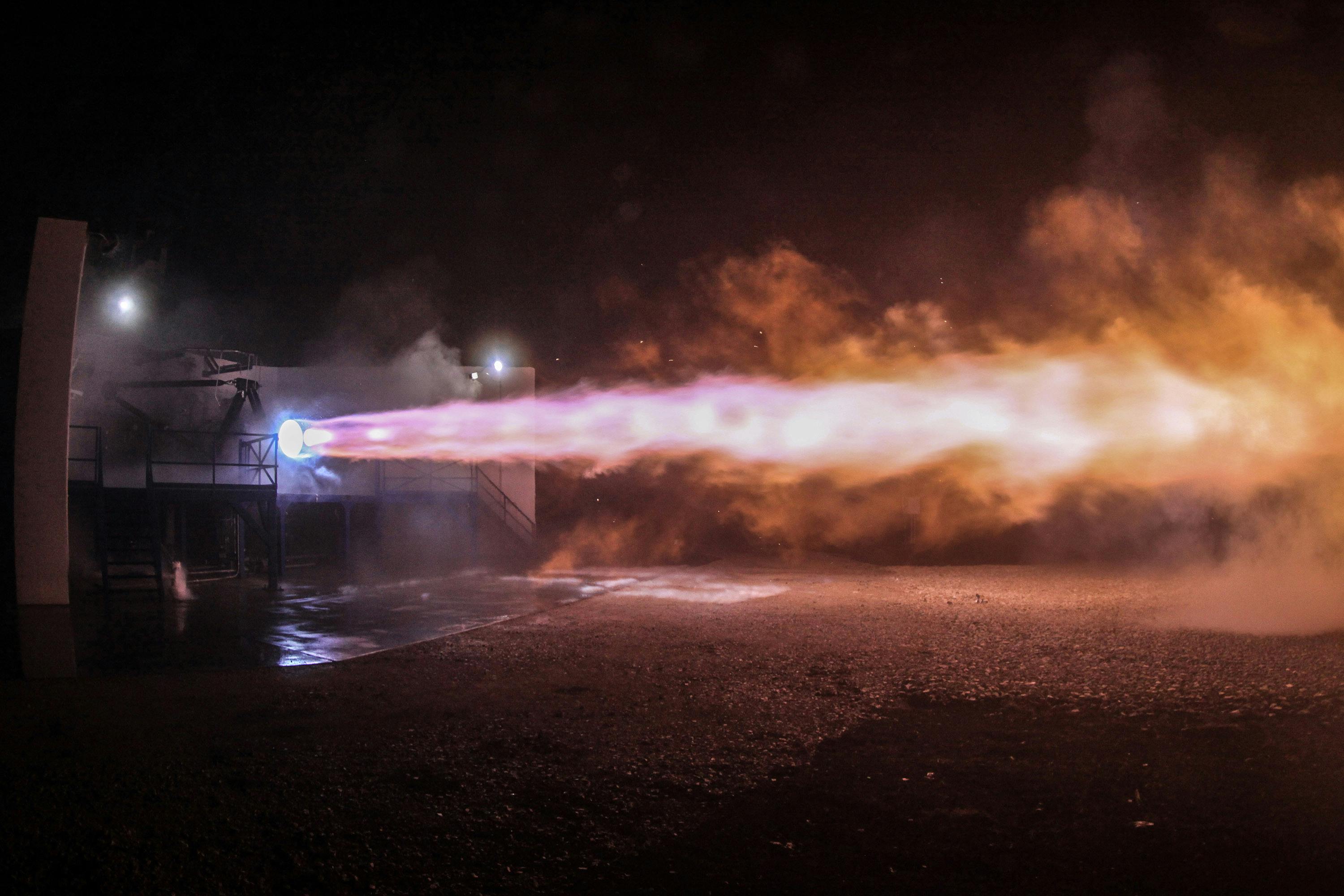
SpaceX's Crew-10 astronauts are set to return to Earth after a five-month mission, while the company prepares for the launch of 24 new Starlink satellites from Vandenberg Space Force Base.
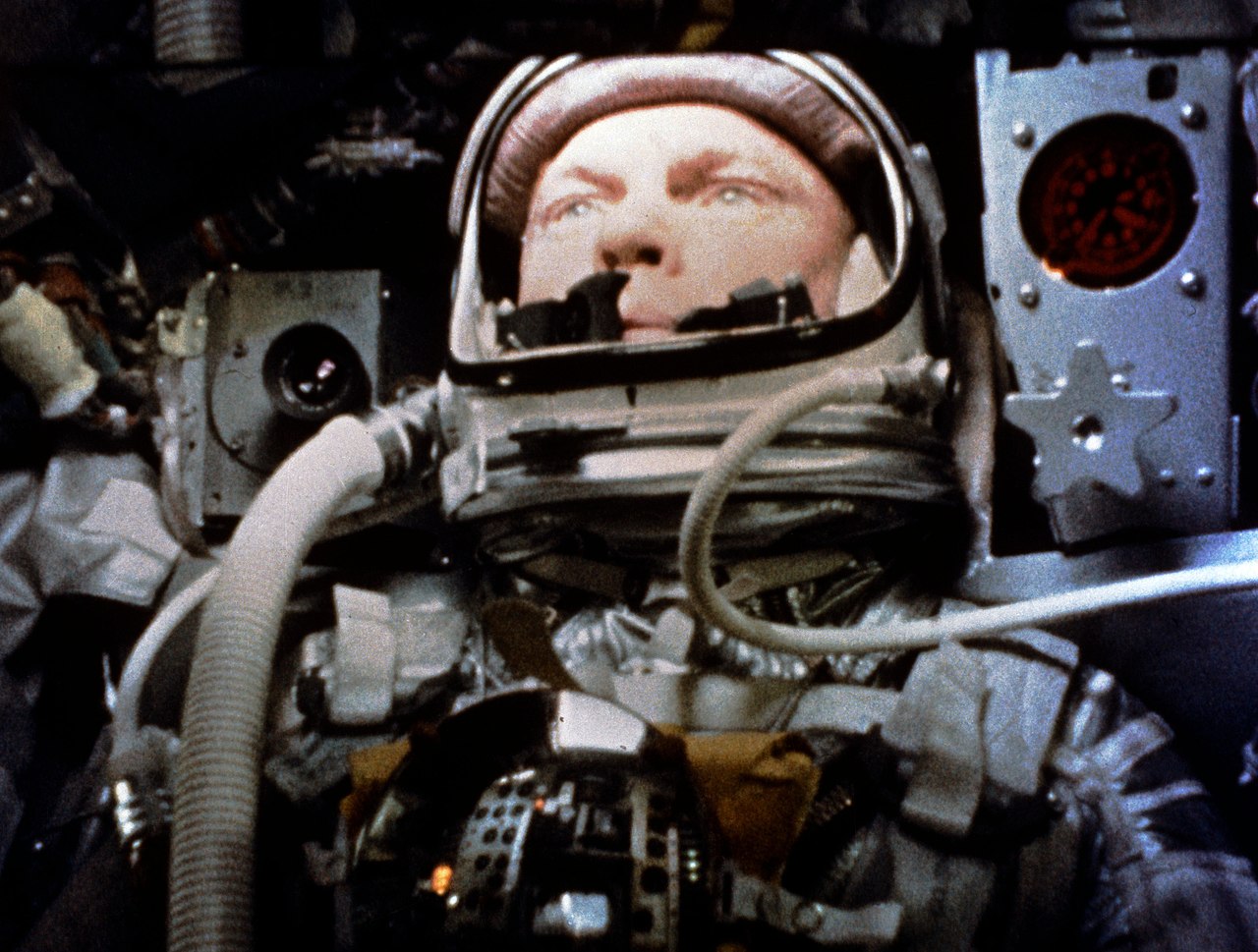
Sixty-three years ago, John Glenn became the first American to orbit Earth, piloting Friendship 7 through three historic orbits that transformed the Space Race