


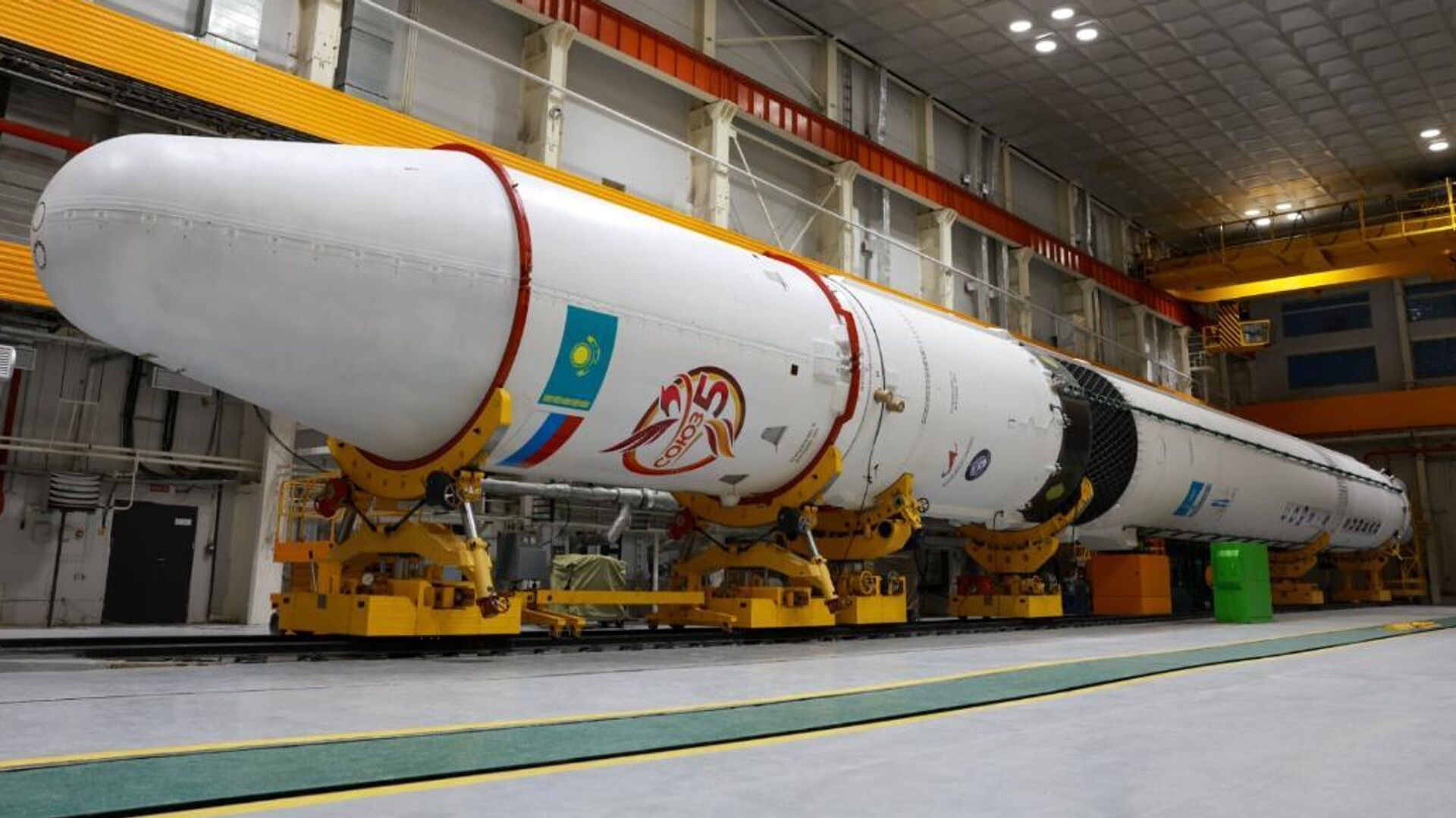
Artemis 2 Targets April 1 Lunar Flyby with 4-Person Crew | KeepTrack Space Brief
NASA's Artemis 2 launches April 1 with Commander Reid Wiseman and 3 crew members for first crewed lunar flyby since Apollo 17 in 1972.



Launch Date
June 23, 2023
Launch Site
Launch Pad
LC40
Launch Vehicle
NORAD ID
57112
International Designator
2023-090M
Epoch
Sun, 19 Jul 2026 20:25:49 GMT
Apogee
Calculating...
Perigee
Calculating...
Inclination
43.00°
Right Ascension
255.28°
Eccentricity
Calculating...
Argument of Perigee
280.44°
Period
94.26 min
Mean Motion
15.28 rev/day
Latitude
Calculating...
Longitude
Calculating...
Altitude
Calculating...
Velocity
Calculating...
Name
STARLINK-6141
Alternative Name
Starlink 6141
Type
Status
Owner
SPXS
Country
United States
Constellation
N/A
Related Satellites
Major Events
N/A
1 57112U 23090M 26200.85126625 -.00011518 00000+0 -40907-3 0 9995
2 57112 43.0012 255.2782 0001925 280.4375 79.6259 15.27627271170540
Source: Celestrak
Length
0.2
Diameter
2.8
Span
9
Dry Mass
290
Launch Mass
305
Shape
Box + pan
Radar Cross Section
Unknown
Visual Magnitude
Unknown
Color
Unknown
Material Composition
Unknown
Payload
Starlink Group 5-12-12
Purpose
Communication
Mission
Communication
Manufacturer
SPXS
Life Expectancy
Unknown
Bus
Starlink
Configuration
Unknown
Motor
Krypton ion thrusters
Equipment
Ku/Ka-band payload, optical inter-satellite link
Power System
Solar arrays, batteries
ADCS
Unknown
Transmitter Frequency
Unknown
Learn more about satellites and other related topics.
NASA's Artemis 2 launches April 1 with Commander Reid Wiseman and 3 crew members for first crewed lunar flyby since Apollo 17 in 1972.
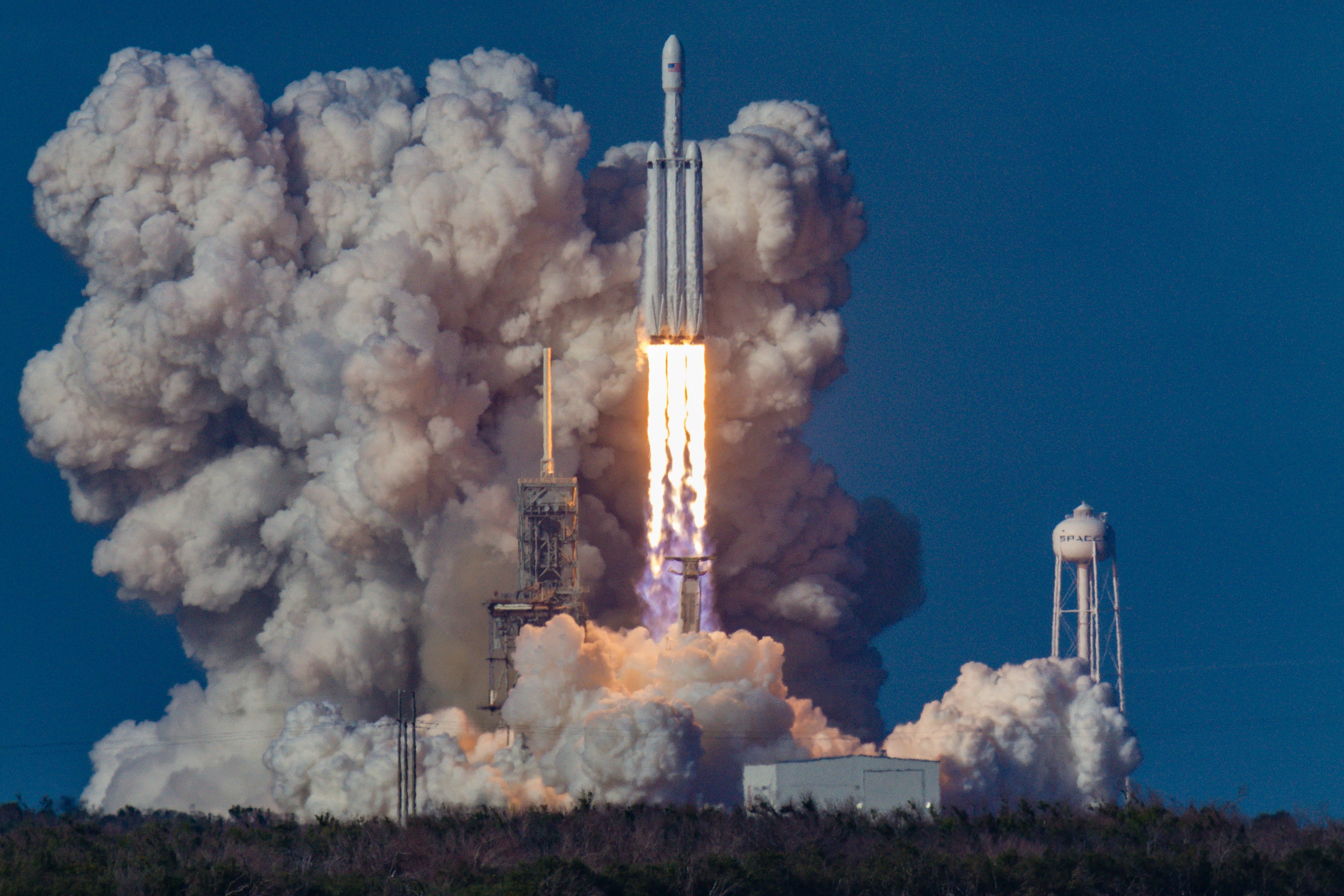
SpaceX gears up for an exciting July with a doubleheader launch planned for the east coast and ongoing advancements in Starlink technology.
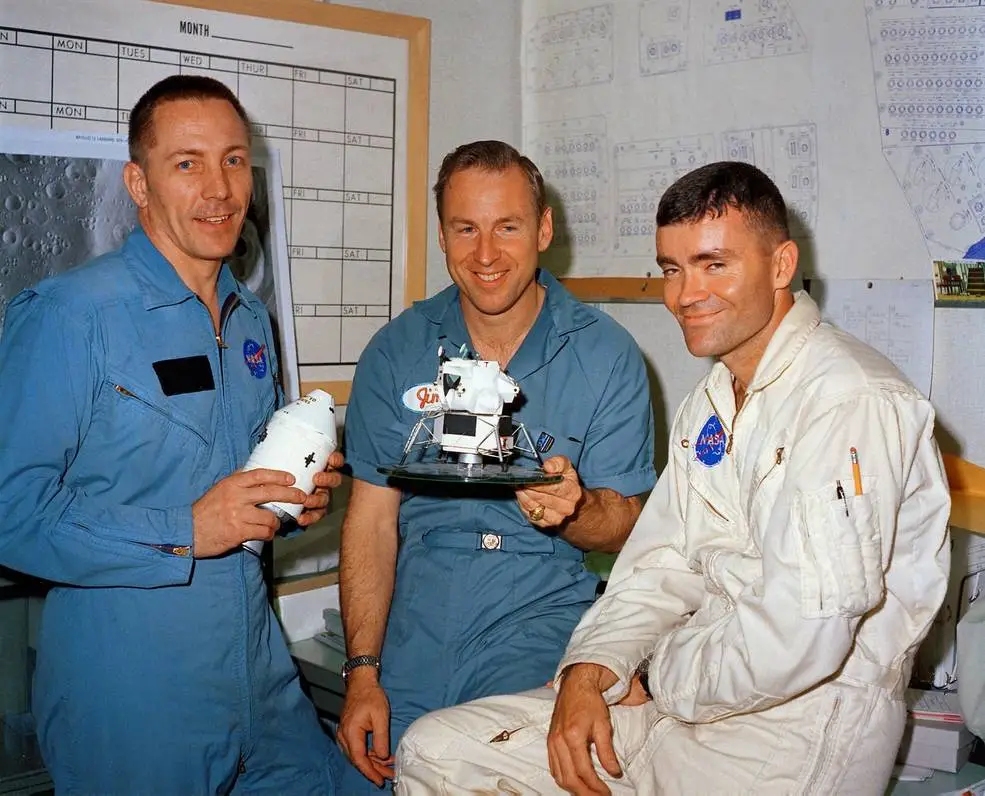
An overlooked thermostat, eight hours of overheating on a Florida launch pad, and 200,000 miles of coasting through deep space. Then Oxygen Tank No. 2 tore itself apart, and three men had to figure out how to come home alive in a spacecraft designed to land on the Moon.
Today's Space Brief covers major developments in Pentagon procurement methods, strategic satellite intelligence advancements, and increasing interest in drone technology within the defense sector.

Today's brief covers a groundbreaking national security mission for ULA's Vulcan, NASA's collaboration with LeoLabs for enhanced collision avoidance, and SEOPS' new satellite tracking services, among other key developments.
Today's briefing covers a range of critical space industry updates, from Space Force's strategic initiatives to SpaceX's latest launch record and groundbreaking developments in orbital manufacturing.
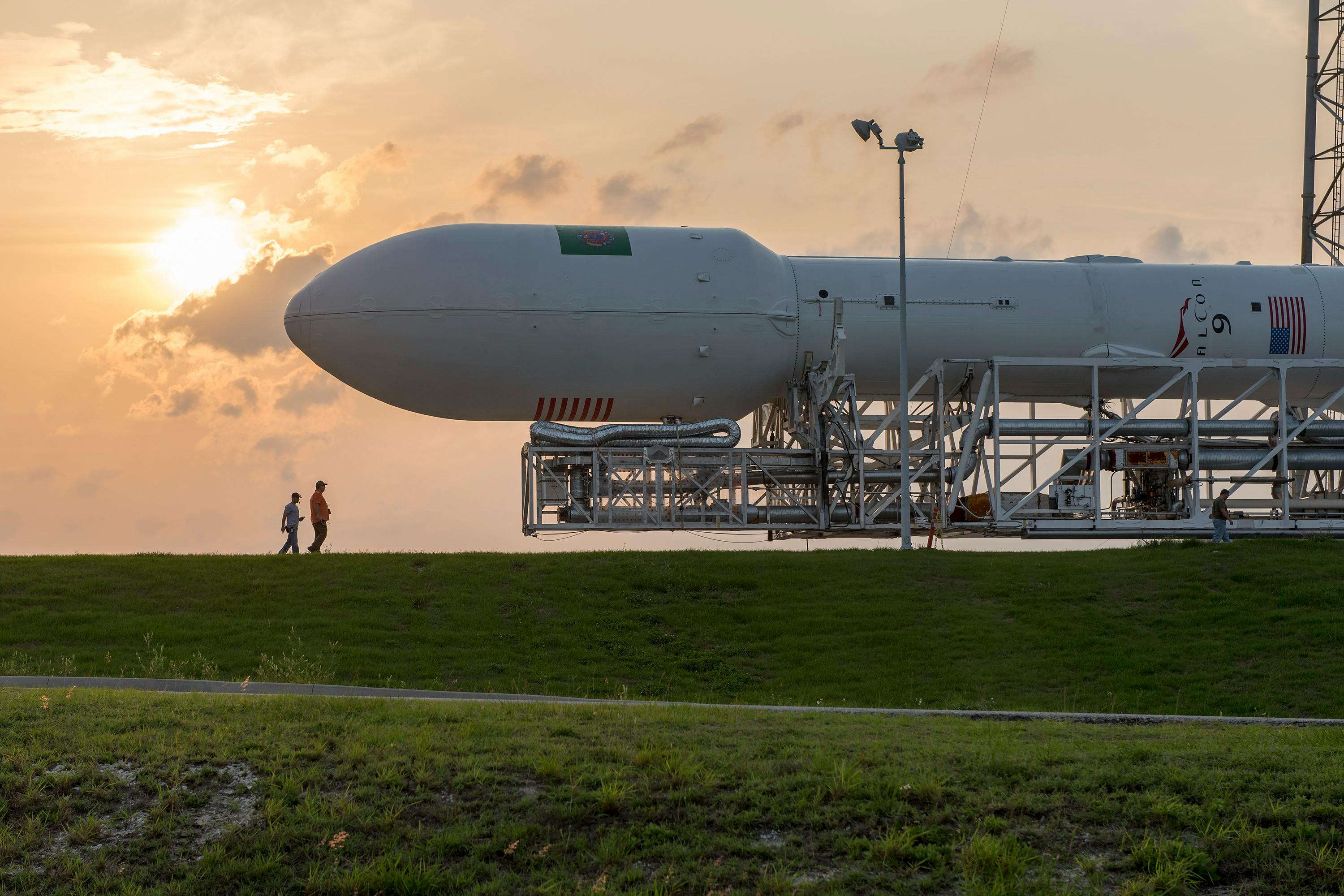
SpaceX's Falcon 9 delivered Northrop Grumman's second Cygnus XL — carrying over 5 tons of cargo — to the ISS on April 11, 2026.
Today's highlights include Rocket Lab's successful 2025 kick-off launch, SpaceX's upcoming Starlink deployment, and a significant military satellite contract competition.