STARLINK-6183 (56905)

COSPAR: 2023-083AF | Alt Name: Starlink 6183

Image
STARLINK-6183 Satellite Image
Additional Sources
Launch Details

Launch Date

June 12, 2023

Launch Pad

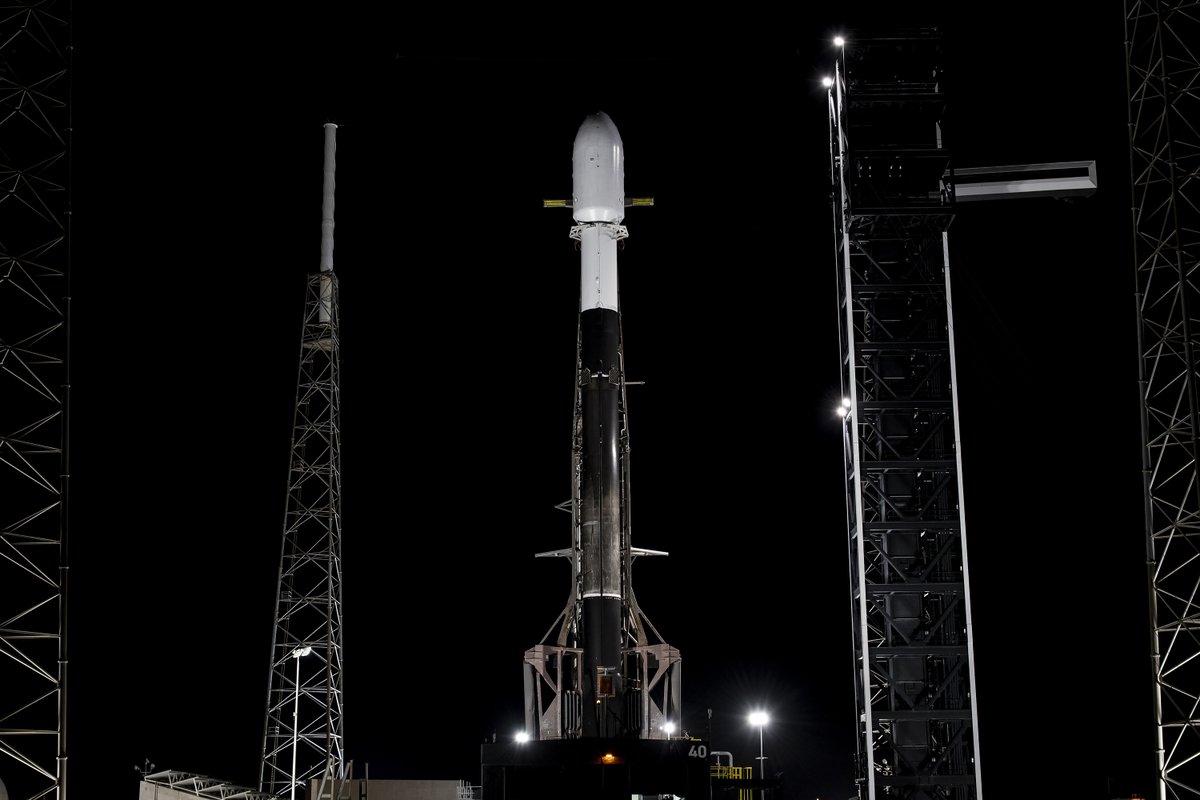
LC40

Launch Vehicle

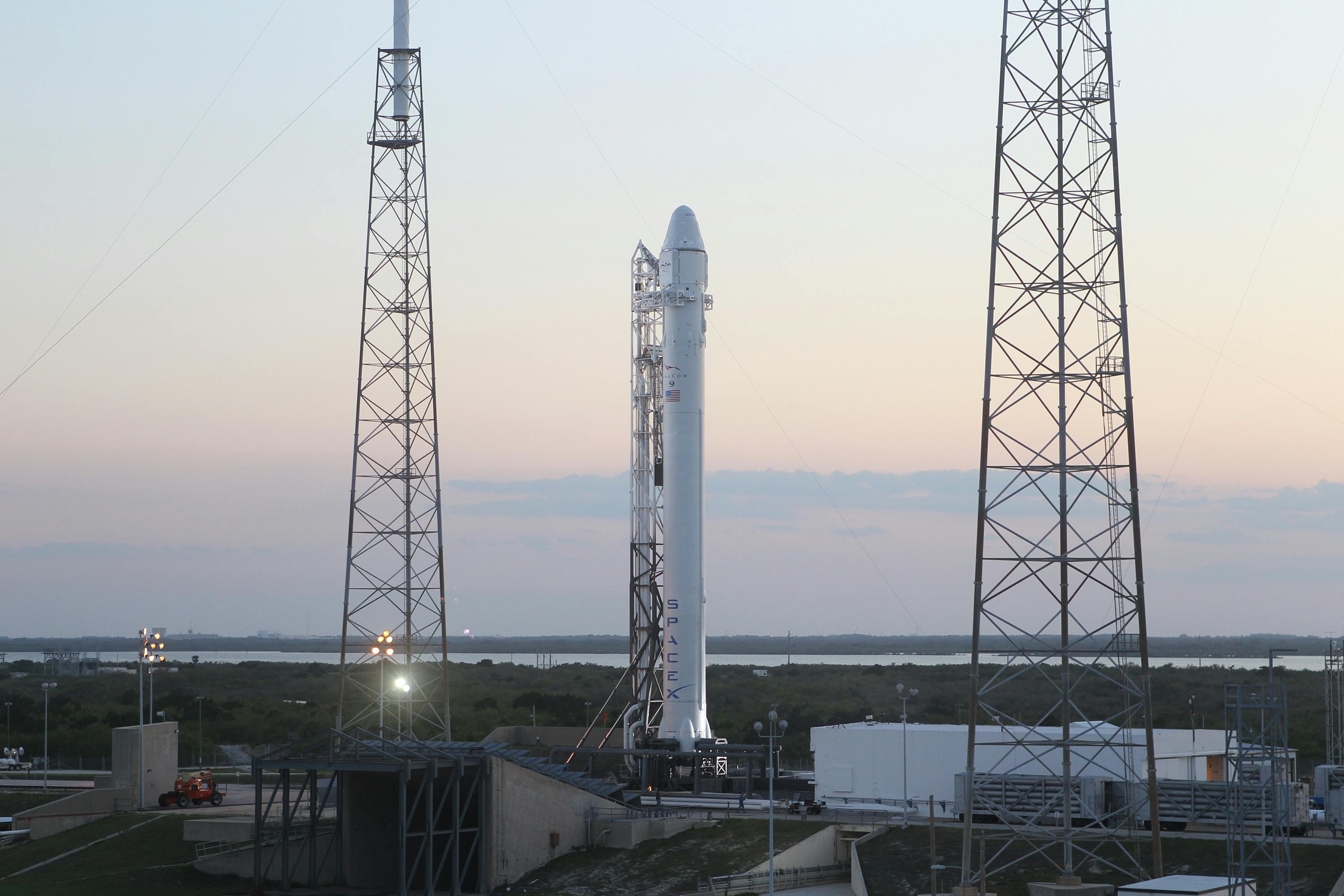
Falcon 9

Orbital Elements

NORAD ID

56905

International Designator

2023-083AF

Epoch

Sat, 18 Jul 2026 23:49:42 GMT

Apogee

Calculating...

Perigee

Calculating...

Inclination

43.00°

Right Ascension

48.79°

Eccentricity

Calculating...

Argument of Perigee

252.90°

Period

94.27 min

Mean Motion

15.28 rev/day

Latitude

Calculating...

Longitude

Calculating...

Altitude

Calculating...

Velocity

Calculating...

Polar Plot
3D Visualization
Basic Satellite Info

Name

STARLINK-6183

Alternative Name

Starlink 6183

Type

Payload

Status

Operational

Owner

SPXS

Country

United States

Constellation

N/A

Related Satellites

Major Events

N/A

Latest TLEs
1 56905U 23083AF  26199.99284955  .00000669  00000+0  33843-4 0  9994
2 56905  43.0029  48.7869 0001405 252.8992 107.1706 15.27575302171888

Source: Celestrak

Summary
The satellite named STARLINK-6183, also known as Starlink 6183, is a communication satellite manufactured by SpaceX (SPXS) and owned by the same company. It was launched on June 12, 2023, from the Cape Canaveral Space Force Station (AFETR), Launch Pad LC40, using a Falcon 9 launch vehicle. With dimensions of 0.2 meters in length, 2.8 meters in diameter, and a span of 9 meters, it has a dry mass of 290 kilograms and a launch mass of 305 kilograms. The satellite is equipped with a Ku/Ka-band payload for communication purposes and includes an optical inter-satellite link. Its propulsion system uses krypton ion thrusters, and its power supply comes from solar arrays and batteries. The spacecraft's shape can be described as box-like with a pan configuration. It is part of the Starlink Group 5-11-30 mission for communication purposes.

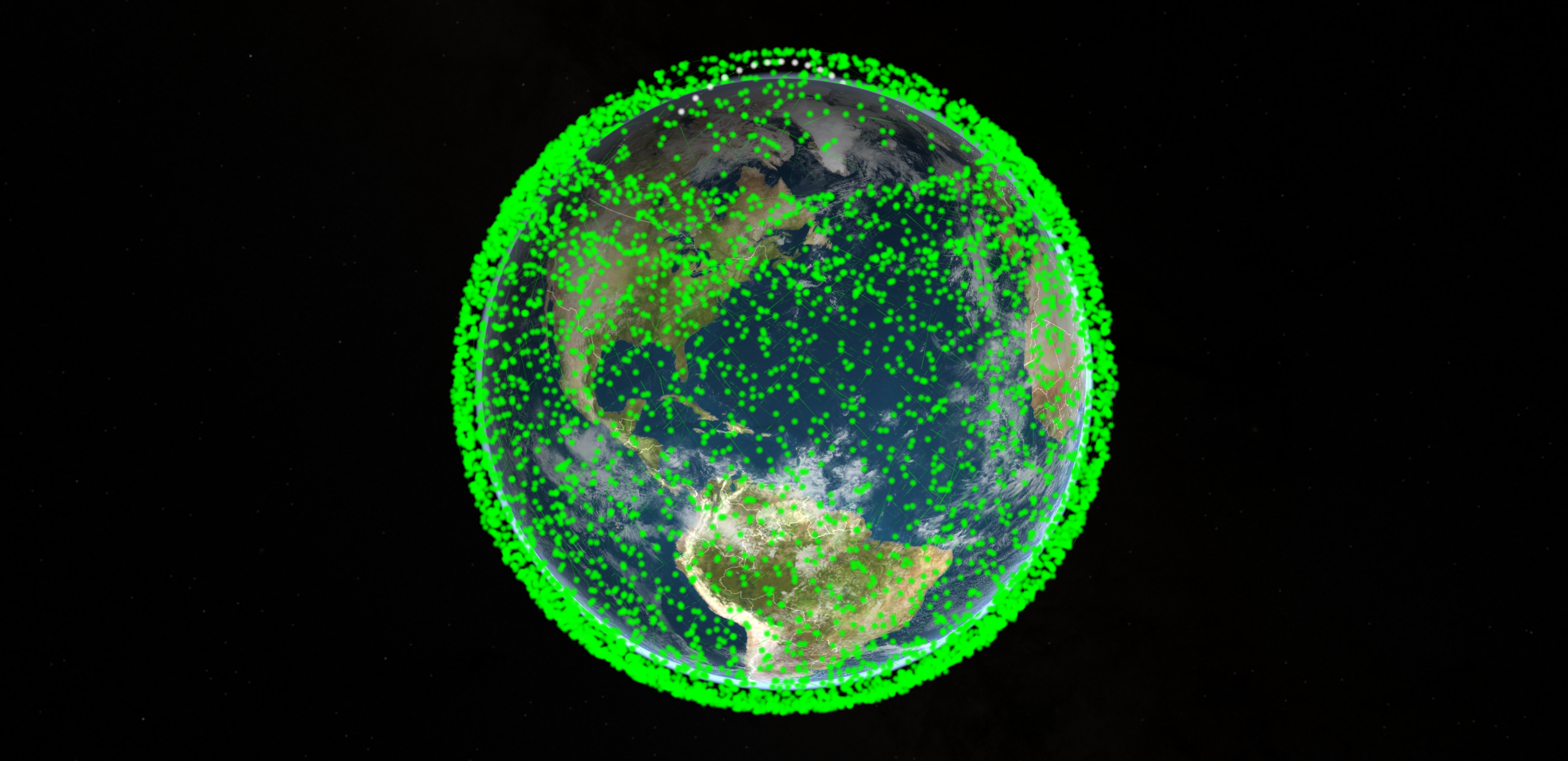
Starlink is a satellite constellation developed by SpaceX with the aim of providing global broadband internet coverage. Thousands of small satellites are deployed in low Earth orbit (LEO), enabling high-speed internet access even in remote areas. However, the rapid increase in satellites raises concerns about space debris and the potential for collisions, which can lead to further debris creation and endanger other spacecraft. Additionally, the sheer number of Starlink satellites can affect astronomical observations by increasing light pollution. Proper deorbiting plans and international coordination are essential to mitigate these challenges and ensure long-term sustainability in space.
Physical Characteristics

Length

0.2

Diameter

2.8

Span

9

Dry Mass

290

Launch Mass

305

Shape

Box + pan

Radar Cross Section

Unknown

Visual Magnitude

Unknown

Color

Unknown

Material Composition

Unknown

Technical Details

Payload

Starlink Group 5-11-30

Purpose

Communication

Mission

Communication

Manufacturer

SPXS

Life Expectancy

Unknown

Bus

Starlink

Configuration

Unknown

Motor

Krypton ion thrusters

Equipment

Ku/Ka-band payload, optical inter-satellite link

Power System

Solar arrays, batteries

ADCS

Unknown

Transmitter Frequency

Unknown

Map
This tool will help you track the satellite's position and predict its upcoming passes over your location. Simply input the coordinates or click the geolocation button to get started.
Next Pass
Azimuth Elevation Time (Local)
Start Azimuth
Max Elevation
Stop Azimuth
Time Until
Pass Duration

Satellite Articles

View All Posts »

Learn more about satellites and other related topics.

Space Brief 3 Aug 2025

Space Brief 3 Aug 2025

Today's brief covers NASA's collaboration with India for a new Earth-tracking satellite, China's expansion of its satellite internet network, and a groundbreaking cosmic shield for solar cells. Also highlighted are EchoStar's ambitious satellite order and Roscosmos' recent diplomatic moves.
Starlink-34343 | The Second Fragmentation Event in Three Months

Starlink-34343 | The Second Fragmentation Event in Three Months

STARLINK-34343 broke apart at 560 kilometers. SpaceX's response - launch more satellites the next morning - tells you everything about the confidence gap between fleet statistics and individual failure modes.

Starlink Satellites Dominate Earth's Orbit

Starlink Satellites Dominate Earth's Orbit

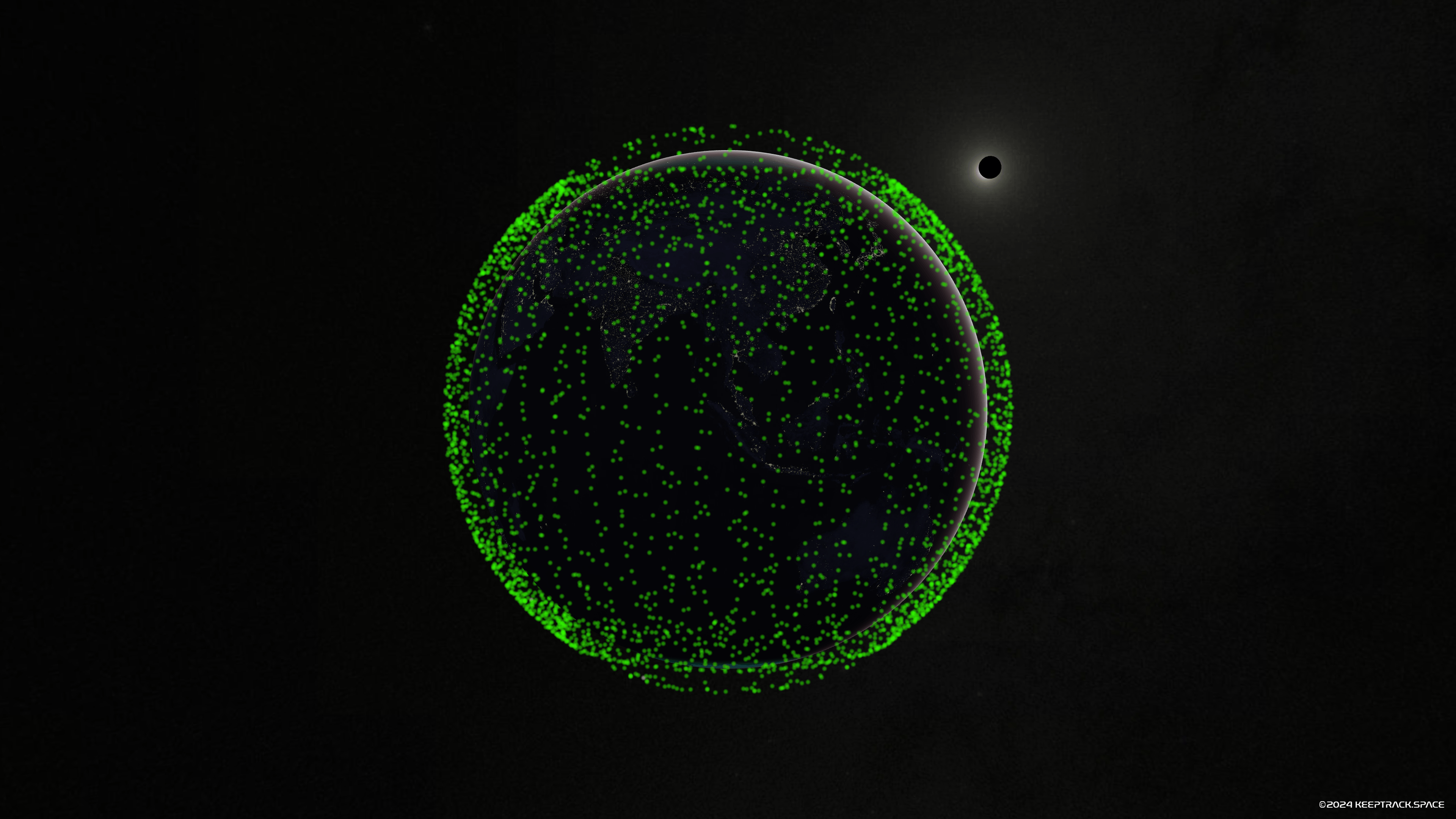
SpaceX's Starlink constellation has grown at an astonishing rate, now accounting for over 20% of all trackable objects in orbit. With plans for tens of thousands more, Starlink is on the cusp of forever changing the landscape of Earth's near-space environment.

Space Brief 15 Nov 2025

Space Brief 15 Nov 2025

Today's highlights include recent missile deals impacting military satellite launches, a Navy salvage operation in the South China Sea, and defense updates from the Manama Dialogue 2025.

SpaceX Launches 1,500th Starlink of 2026, Space Brief 15 Jun 2026

SpaceX Launches 1,500th Starlink of 2026, Space Brief 15 Jun 2026

SpaceX launches its 1,500th Starlink satellite of 2026 as shares jump 19% on Nasdaq debut day. Musk targets $1 trillion in annual revenue by 2030.

Starship V3 Static Fire Ignites 33 Engines, X Report 15 Apr 2026

Starship V3 Static Fire Ignites 33 Engines, X Report 15 Apr 2026

SpaceX fired all 33 Raptor 3 engines in the Starship V3 static fire at Starbase, clearing Flight 12. Plus 1,000 Starlink satellites launched in 2026.

Falcon 9 Booster Flies 35th Mission, Deploys 29 Starlinks | KeepTrack X Report

Falcon 9 Booster Flies 35th Mission, Deploys 29 Starlinks | KeepTrack X Report

SpaceX flew a Falcon 9 booster for a record 35th time on July 10, deploying 29 Starlink satellites as direct-to-cell tech expands to pet collars.

NASA Announces First-Ever ISS Medical Evacuation via SpaceX Crew Dragon | KeepTrack X Report

NASA Announces First-Ever ISS Medical Evacuation via SpaceX Crew Dragon | KeepTrack X Report

NASA plans first-ever medical evacuation from ISS using SpaceX Crew Dragon for Crew-11 astronaut. Starlink 6-96 mission scrubbed and rescheduled. Starbase Pad 1 tower and launch mount under review.