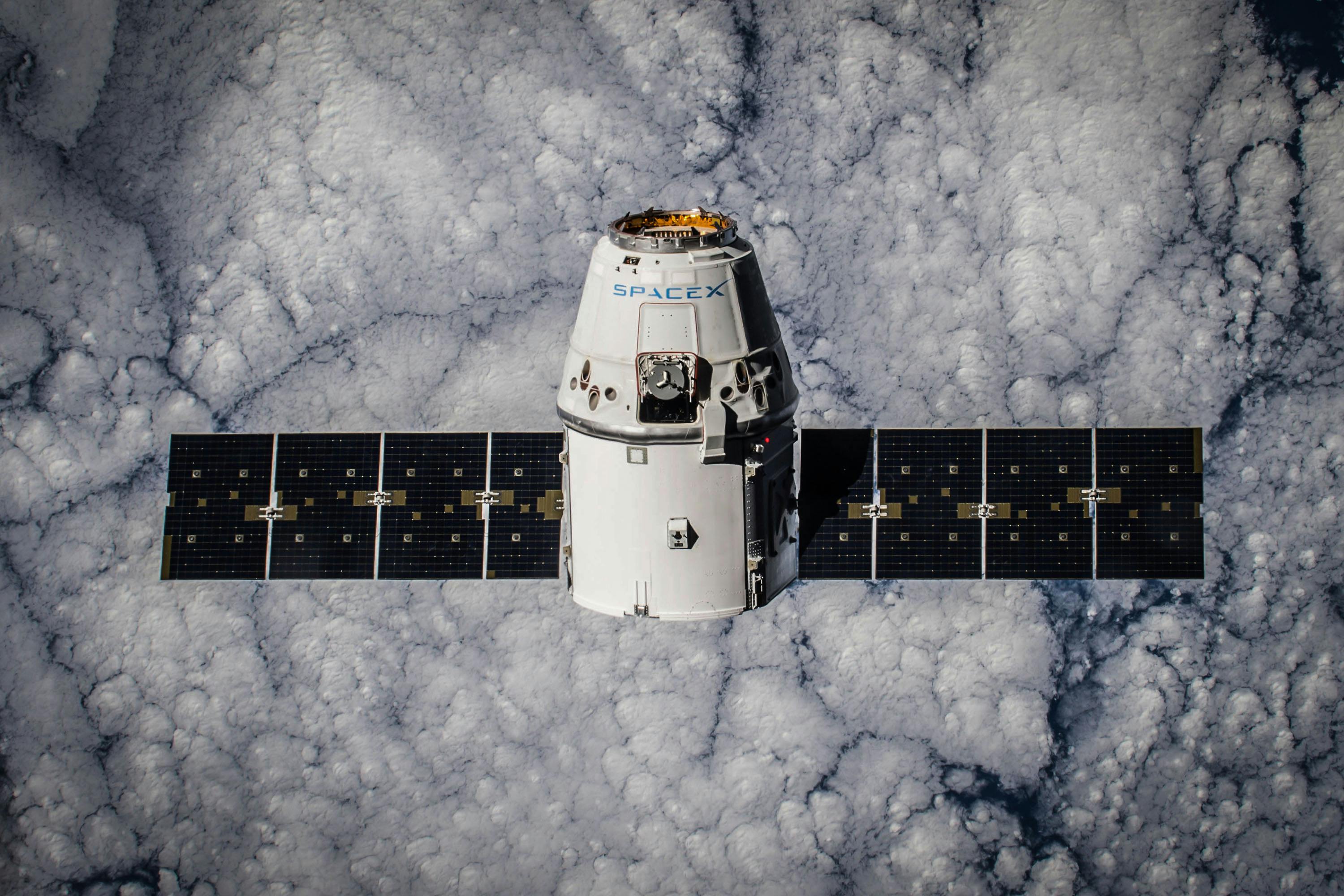
STARLINK-6171 (56883)

COSPAR: 2023-083H | Alt Name: Starlink 6171

Image
STARLINK-6171 Satellite Image
Additional Sources
Launch Details

Launch Date

June 12, 2023

Launch Pad

LC40

Launch Vehicle

Falcon 9

Orbital Elements

NORAD ID

56883

International Designator

2023-083H

Epoch

Sun, 19 Jul 2026 15:28:40 GMT

Apogee

Calculating...

Perigee

Calculating...

Inclination

43.00°

Right Ascension

59.77°

Eccentricity

Calculating...

Argument of Perigee

263.09°

Period

94.27 min

Mean Motion

15.28 rev/day

Latitude

Calculating...

Longitude

Calculating...

Altitude

Calculating...

Velocity

Calculating...

Polar Plot
3D Visualization
Basic Satellite Info

Name

STARLINK-6171

Alternative Name

Starlink 6171

Type

Payload

Status

Operational

Owner

SPXS

Country

United States

Constellation

N/A

Related Satellites

Major Events

N/A

Latest TLEs
1 56883U 23083H   26200.64491433  .00000144  00000+0  14748-4 0  9996
2 56883  43.0021  59.7740 0000867 263.0939  96.9814 15.27575819171812

Source: Celestrak

Summary
The Starlink-6171 satellite, identified by NORAD with ID 56883 and OBJECT_ID 2023-083H, was launched on June 12, 2023, from the Cape Canaveral Space Force Station's Launch Complex 40 using a Falcon 9 launch vehicle. This communication satellite measures 0.2 meters in length with a diameter of 2.8 meters and a span of 9 meters, and has a dry mass of 290 kilograms. Equipped with a Ku/Ka-band payload and an optical inter-satellite link for connectivity, it is powered by solar arrays and batteries and uses Krypton ion thrusters as its propulsion system. The satellite's shape resembles a box with panels and belongs to SpaceX (SPXS), which also manufactured the spacecraft. It was part of the Starlink Group 5-11-08 mission aimed at enhancing global communication networks.

Starlink is a satellite constellation developed by SpaceX with the aim of providing global broadband internet coverage. Thousands of small satellites are deployed in low Earth orbit (LEO), enabling high-speed internet access even in remote areas. However, the rapid increase in satellites raises concerns about space debris and the potential for collisions, which can lead to further debris creation and endanger other spacecraft. Additionally, the sheer number of Starlink satellites can affect astronomical observations by increasing light pollution. Proper deorbiting plans and international coordination are essential to mitigate these challenges and ensure long-term sustainability in space.
Physical Characteristics

Length

0.2

Diameter

2.8

Span

9

Dry Mass

290

Launch Mass

305

Shape

Box + pan

Radar Cross Section

Unknown

Visual Magnitude

Unknown

Color

Unknown

Material Composition

Unknown

Technical Details

Payload

Starlink Group 5-11-08

Purpose

Communication

Mission

Communication

Manufacturer

SPXS

Life Expectancy

Unknown

Bus

Starlink

Configuration

Unknown

Motor

Krypton ion thrusters

Equipment

Ku/Ka-band payload, optical inter-satellite link

Power System

Solar arrays, batteries

ADCS

Unknown

Transmitter Frequency

Unknown

Map
This tool will help you track the satellite's position and predict its upcoming passes over your location. Simply input the coordinates or click the geolocation button to get started.
Next Pass
Azimuth Elevation Time (Local)
Start Azimuth
Max Elevation
Stop Azimuth
Time Until
Pass Duration

Satellite Articles

View All Posts »

Learn more about satellites and other related topics.

Space Brief 13 Dec 2024

Space Brief 13 Dec 2024

Today's brief highlights the U.S. Space Force's upcoming modular satellite mission, increased military reliance on commercial space intelligence, and the demand for expanded commercial reserve support. Learn more about these advancements alongside our Satellite Spotlight on Yaogan-30 B.
New Glenn Explodes After USSF Awards Blue Origin Security Contract | KeepTrack Space Brief

New Glenn Explodes After USSF Awards Blue Origin Security Contract | KeepTrack Space Brief

New Glenn rocket exploded hours after U.S. Space Force and NRO awarded Blue Origin a national security launch task order. Stand-down and mishap investigation expected.

Space Brief 6 Oct 2025

Space Brief 6 Oct 2025

Today's highlights include Firefly's acquisition of SciTec, DARPA's vision for a moon economy, and ESA's new deep space antenna in Australia. Stay updated on the latest in space intelligence and defense technology transformations, plus noteworthy rogue planet phenomena.

Falcon 9 Grounded After Upper Stage Anomaly, Crew-12 at Risk | KeepTrack X Report

Falcon 9 Grounded After Upper Stage Anomaly, Crew-12 at Risk | KeepTrack X Report

SpaceX pauses all Falcon 9 launches after upper stage anomaly during Starlink mission. Crew-12 astronaut launch may be affected. Booster 19 rolls out for cryogenic testing.

Space Force Kills Resilient GPS Program, China Tests Reusable Long March 12B | KeepTrack Space Brief

Space Force Kills Resilient GPS Program, China Tests Reusable Long March 12B | KeepTrack Space Brief

Space Force terminates Resilient GPS satellite program. China successfully tests Long March 12B reusable first stage at Jiuquan. GE and Lockheed validate detonation ramjet for hypersonic missiles.

Space Brief 22 Oct 2025

Space Brief 22 Oct 2025

Today's briefing covers space-based missile defense, AI maritime surveillance, and new governmental shifts impacting the defense sector.

The Civilian Space Traffic System America Almost Didn't Build

The Civilian Space Traffic System America Almost Didn't Build

For nearly two decades, the U.S. Air Force and Space Force have been the world's unofficial civilian space traffic control system. The Department of Commerce's Traffic Coordination System for Space (TraCSS) is now taking over that job for commercial satellite operators - in stages, against persistent congressional pressure to kill the program, and with Department of Defense advocates pushing to make it happen before it is too late.

The Pentagon's Mystery Spaceplane Takes Off

The Pentagon's Mystery Spaceplane Takes Off

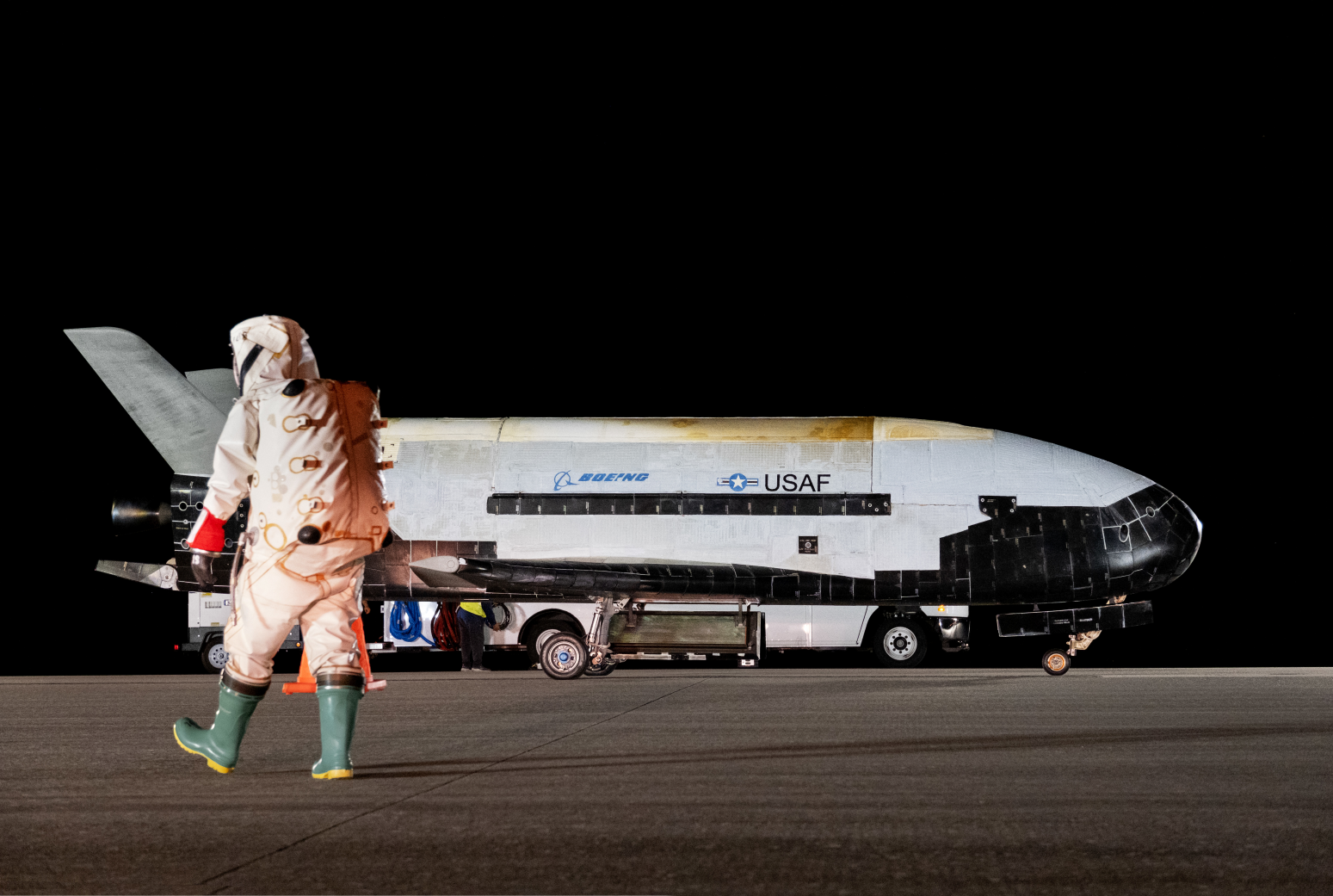
On April 22, 2010, an Atlas V lifted off from Cape Canaveral carrying a reusable robotic spaceplane so secret that the Air Force would not even confirm its mission duration. It came back 224 days later, lighter, quieter, and more operational than anyone outside Washington had expected. Fifteen years later, the X-37B is still flying, and the military still will not say what it does.