STARLINK-30134 (56830)

COSPAR: 2023-079H | Alt Name: Starlink 30134
DECAYED

Image
STARLINK-30134 Satellite Image
Additional Sources
Launch Details

Launch Date

June 4, 2023

Launch Pad

LC40

Launch Vehicle

Falcon 9

Orbital Elements

NORAD ID

56830

International Designator

2023-079H

Decay Date

7/18/2023

Basic Satellite Info

Name

STARLINK-30134

Alternative Name

Starlink 30134

Type

Payload

Status

Decayed

Owner

SPXS

Country

United States

Constellation

N/A

Related Satellites

Major Events

N/A

Summary
The satellite identified by NORAD_CAT_ID 56830 and OBJECT_ID 2023-079H is named STARLINK-30134 or Starlink 30134, part of the Starlink v2 Mini configuration series manufactured by SPXS (SpaceX). It was launched on June 4, 2023, from LC40 at AFETR (Cape Canaveral Space Force Station) using a Falcon 9 launch vehicle. The satellite's dimensions are 0.3 meters in length and has a diameter of 4.1 meters with a span of 29 meters. It weighs 730 kilograms at launch, reducing to a dry mass of 700 kilograms post-launch operations. Equipped with Ku/Ka/E-band payload and an optical inter-satellite link for communication purposes, it also features solar arrays and batteries for power supply, along with Argon ion thrusters as its propulsion system. The satellite's shape is described as box-shaped with a pan, and its primary mission is to provide communication services.

Starlink is a satellite constellation developed by SpaceX with the aim of providing global broadband internet coverage. Thousands of small satellites are deployed in low Earth orbit (LEO), enabling high-speed internet access even in remote areas. However, the rapid increase in satellites raises concerns about space debris and the potential for collisions, which can lead to further debris creation and endanger other spacecraft. Additionally, the sheer number of Starlink satellites can affect astronomical observations by increasing light pollution. Proper deorbiting plans and international coordination are essential to mitigate these challenges and ensure long-term sustainability in space.
Physical Characteristics

Length

0.3

Diameter

4.1

Span

29

Dry Mass

700

Launch Mass

730

Shape

Box + pan

Radar Cross Section

Unknown

Visual Magnitude

Unknown

Color

Unknown

Material Composition

Unknown

Technical Details

Payload

Starlink Group 6-4-08

Purpose

Communication

Mission

Communication

Manufacturer

SPXS

Life Expectancy

Unknown

Bus

Starlink V2M

Configuration

Starlink v2 Mini

Motor

Argon ion thrusters

Equipment

Ku/Ka/E-band payload, optical inter-satellite link

Power System

Solar arrays, batteries

ADCS

Unknown

Transmitter Frequency

Unknown

Satellite Articles

View All Posts »

Learn more about satellites and other related topics.

Space Brief 31 Oct 2025

Space Brief 31 Oct 2025

Today we explore defense-driven shifts in satellite operations amid geopolitical tensions and innovative projects pushing the boundaries of space technology.

Congress Passes FY2026 Bill Reinstating NASA Funding, Slingshot Wins $27M AI Contract | KeepTrack Space Brief

Congress Passes FY2026 Bill Reinstating NASA Funding, Slingshot Wins $27M AI Contract | KeepTrack Space Brief

Congress passes FY2026 spending bill reinstating NASA funding. Slingshot Aerospace wins $27M Space Force contract for AI satellite training. Portal Space selects Atomic-6 debris shield for 2026 mission.

SpaceX S-1 Sinks Tesla 5%, Merger Talk Grows, X Report 2 Jun 2026

SpaceX S-1 Sinks Tesla 5%, Merger Talk Grows, X Report 2 Jun 2026

SpaceX IPO paperwork stokes Tesla merger predictions: the amended S-1 sank Tesla stock 5% in a day. Starlink stands at 10,492 working satellites.
Space Brief 28 Mar 2025

Space Brief 28 Mar 2025

Today's updates focus on significant developments in U.S. national security space launches, Army space training, potential shifts in satellite procurement strategies, and the Meteor 2-21 satellite.

Space Force Completes First Tactical Orbital Intercept | KeepTrack Space Brief

Space Force Completes First Tactical Orbital Intercept | KeepTrack Space Brief

U.S. Space Force executes first tactical orbital intercept under Victus Haze mission using commercial spacecraft. Rendezvous and proximity operations now operationally demonstrated.
The Day Two Satellites Said Hello at 26,000 Miles Per Hour

The Day Two Satellites Said Hello at 26,000 Miles Per Hour

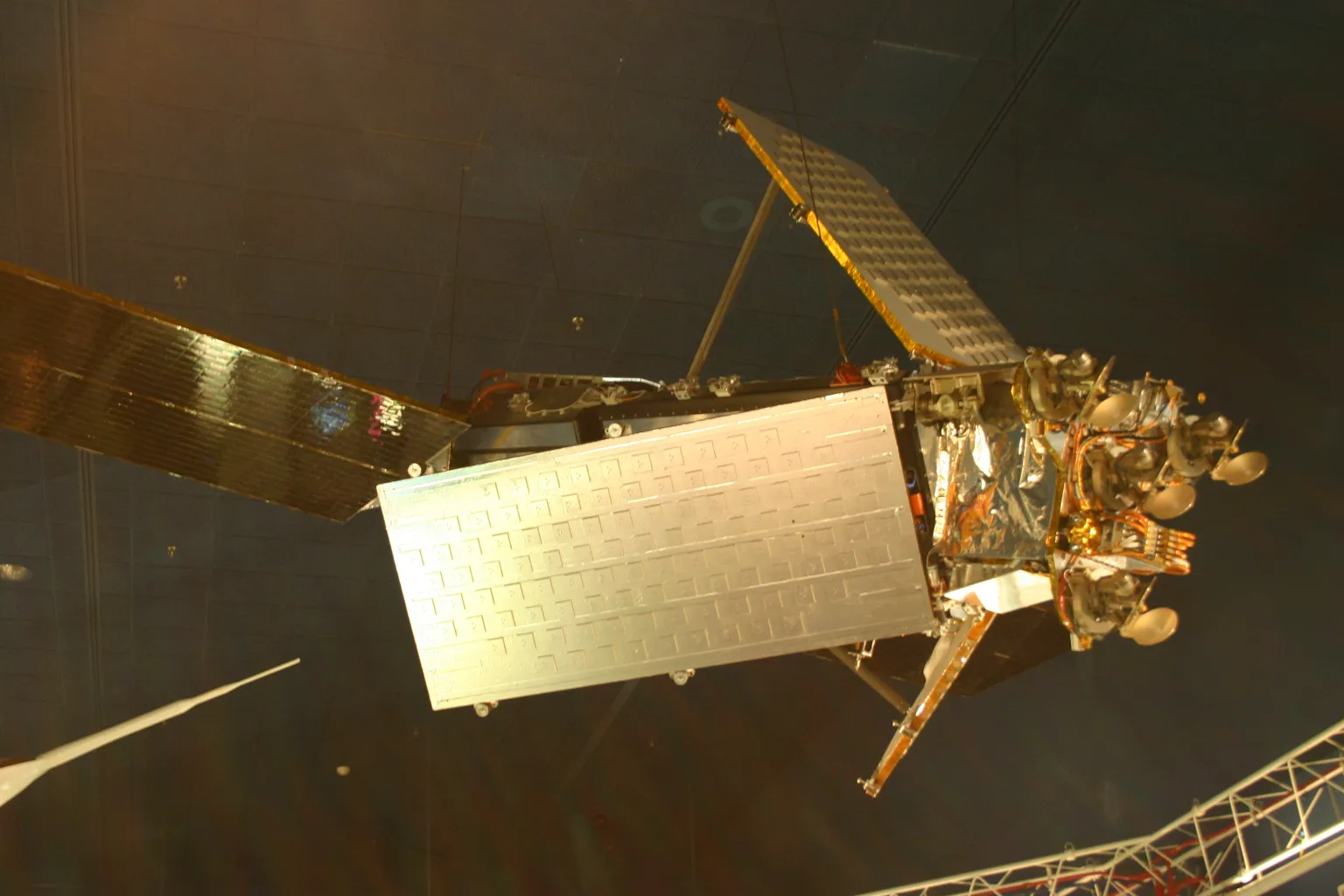
Seventeen years ago today, an operational American communications satellite and a dead Russian military relay crossed paths over Siberia. What happened next created more than 2,000 pieces of trackable debris - and fundamentally changed how the world thinks about space traffic.
Space Brief 6 Jun 2025

Space Brief 6 Jun 2025

Today's space news features significant discussions on the funding of Space Force, advancements in hypersonic technology, and the potential impacts of spectrum auction plans on border defense systems.
Space Brief 14 Aug 2025

Space Brief 14 Aug 2025

Today's brief covers the Vulcan Centaur's first mission, military space automation insights, and the retirement reflections of a Space Force leader.

