

X Report 4 Nov 2025
Tesla's Cybertruck fleet integrates with SpaceX operations at Starbase, showcasing synergy between Musk's companies.



NORAD ID
56817
International Designator
2023-078BC
Decay Date
2/12/2026
Name
STARLINK-5982
Alternative Name
Starlink 5982
Type
Status
Owner
SPXS
Country
United States
Constellation
N/A
Related Satellites
Major Events
N/A
Length
0.2
Diameter
2.8
Span
9
Dry Mass
290
Launch Mass
305
Shape
Box + pan
Radar Cross Section
Unknown
Visual Magnitude
Unknown
Color
Unknown
Material Composition
Unknown
Payload
Starlink Group 2-10-51
Purpose
Communication
Mission
Communication
Manufacturer
SPXS
Life Expectancy
Unknown
Bus
Starlink
Configuration
Unknown
Motor
Krypton ion thrusters
Equipment
Ku/Ka-band payload, optical inter-satellite link
Power System
Solar arrays, batteries
ADCS
Unknown
Transmitter Frequency
Unknown
Learn more about satellites and other related topics.
Tesla's Cybertruck fleet integrates with SpaceX operations at Starbase, showcasing synergy between Musk's companies.
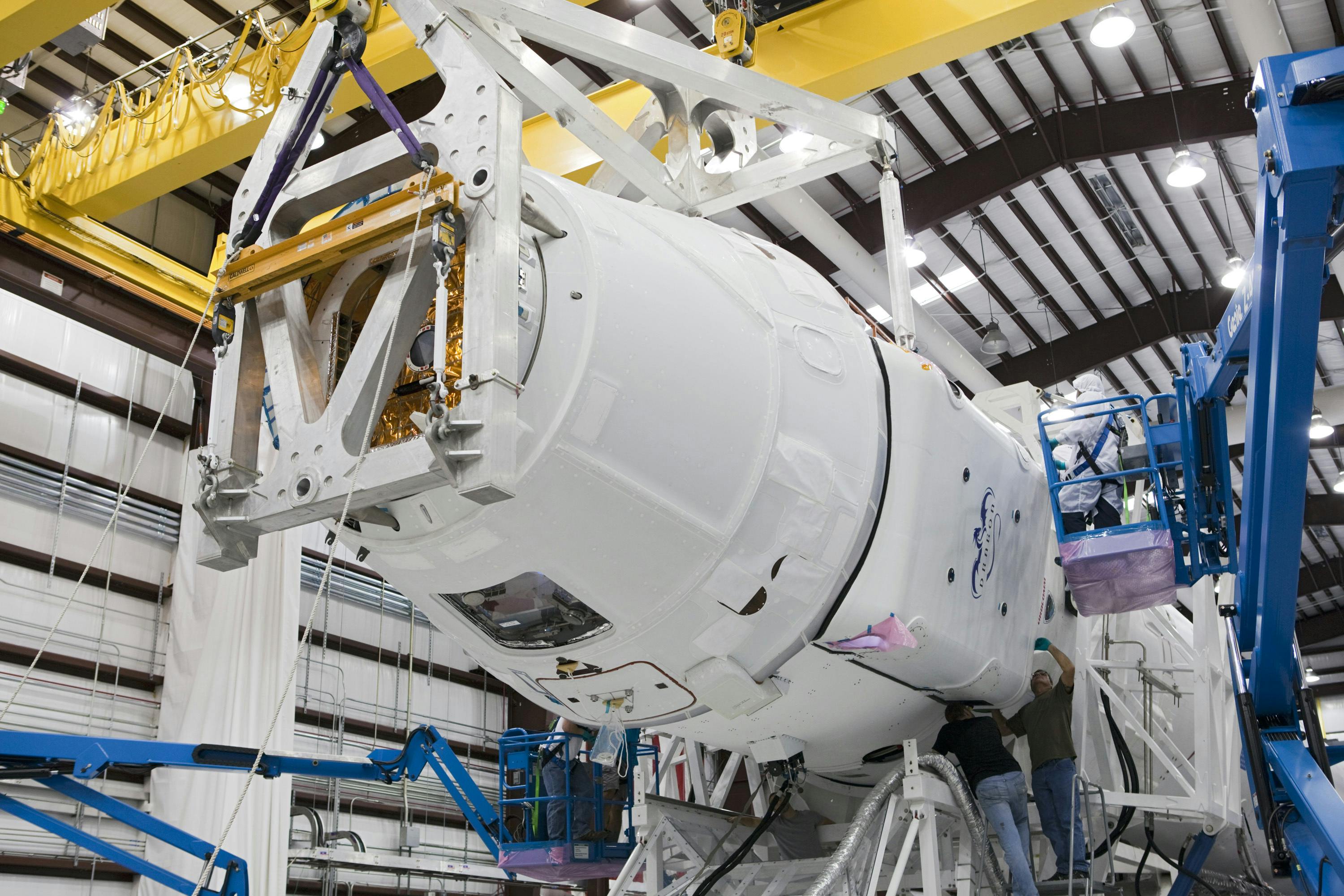
SpaceX marks a milestone with its 250th Starlink mission, continuing to expand its broadband satellite network.

SpaceX kicks off a busy week with five Falcon 9 missions planned, while the impressive layout of Raptor engines on Starship captures imaginations.
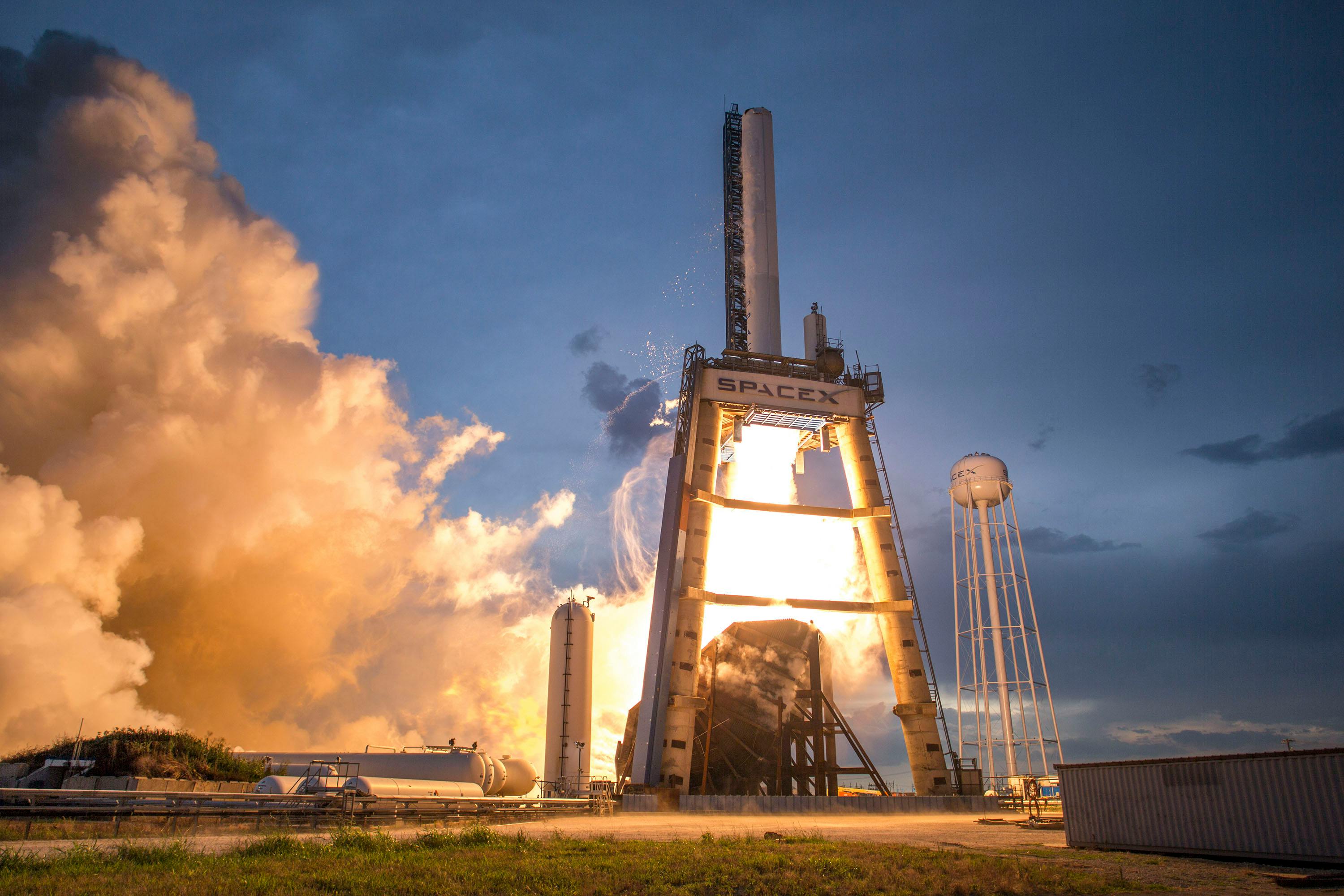
Today's brief covers various military applications of climate-monitoring satellites, new defense strategies against unmanned threats, and the potential impacts of geopolitical tensions on orbit.

SpaceX's Fram2 mission marks a historic first in polar orbit travel, while DARPA unexpectedly detects Falcon 9 reentry using atmospheric listening.
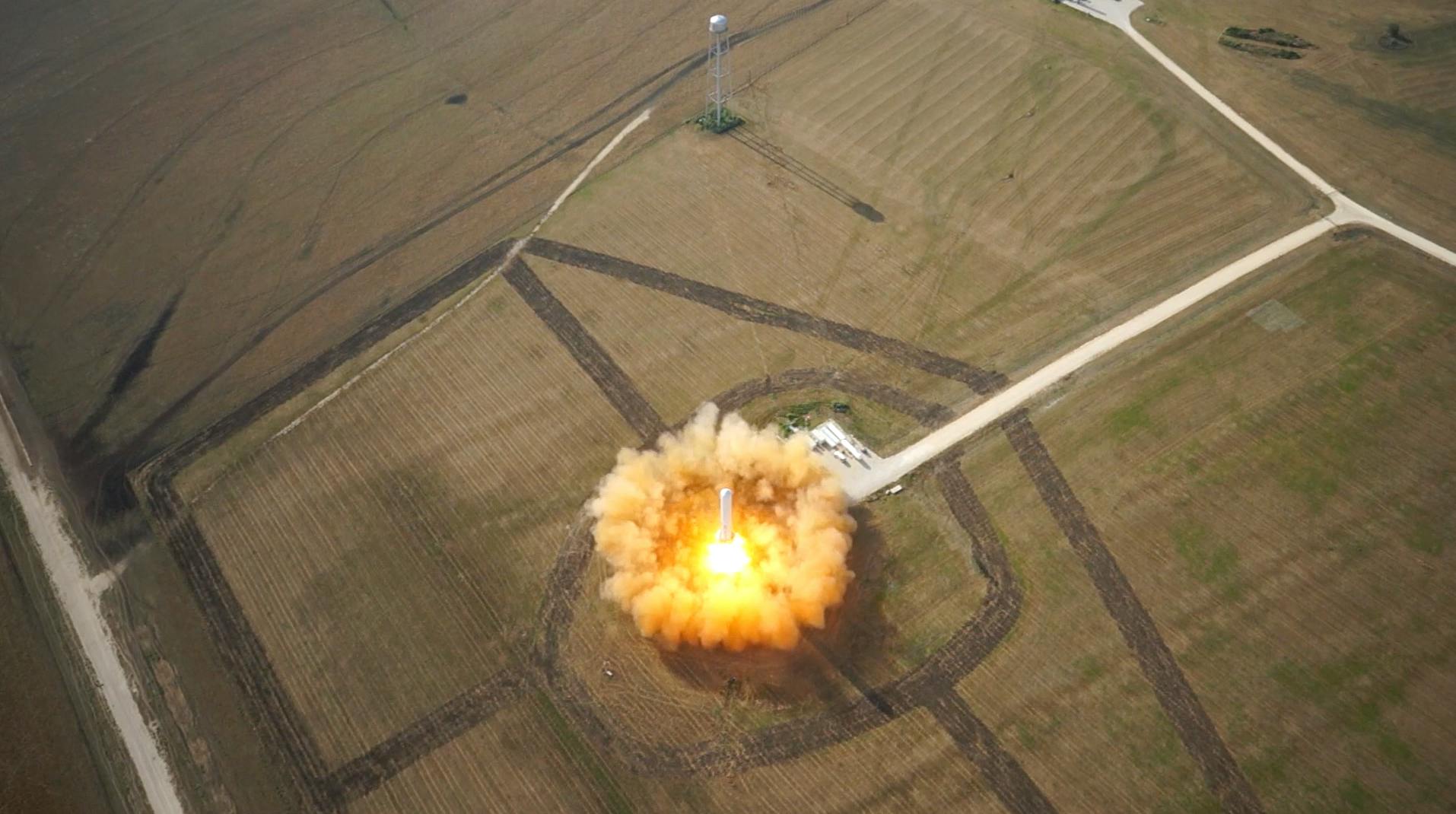
SpaceX prepares for its 10th Starship test flight, set for August 24, as the FAA grants approval following earlier setbacks.
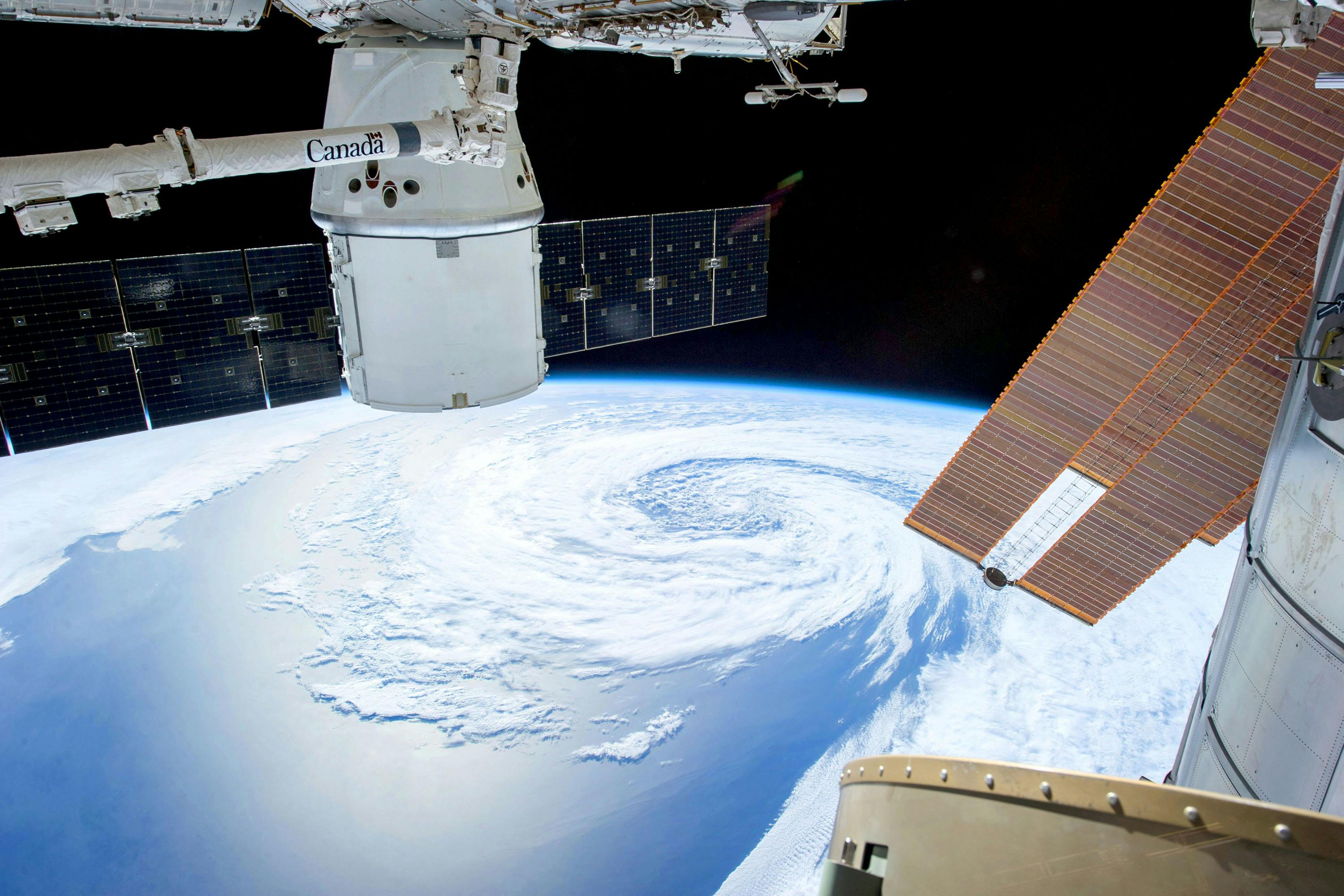
SpaceX successfully launched 28 Starlink satellites from Florida, marking another milestone for their ongoing deployment efforts.

Forty years ago today, Challenger lifted off LC-39A on a science mission that nobody outside Morton-Thiokol would call dangerous. Years later, after the orbiter and seven other astronauts were gone, investigators looked at the recovered boosters from STS-51B and realized the crew had come within a fraction of a second of dying first. This is the story of the launch that should have been a warning.