STARLINK-6060 (56794)

COSPAR: 2023-078AD | Alt Name: Starlink 6060

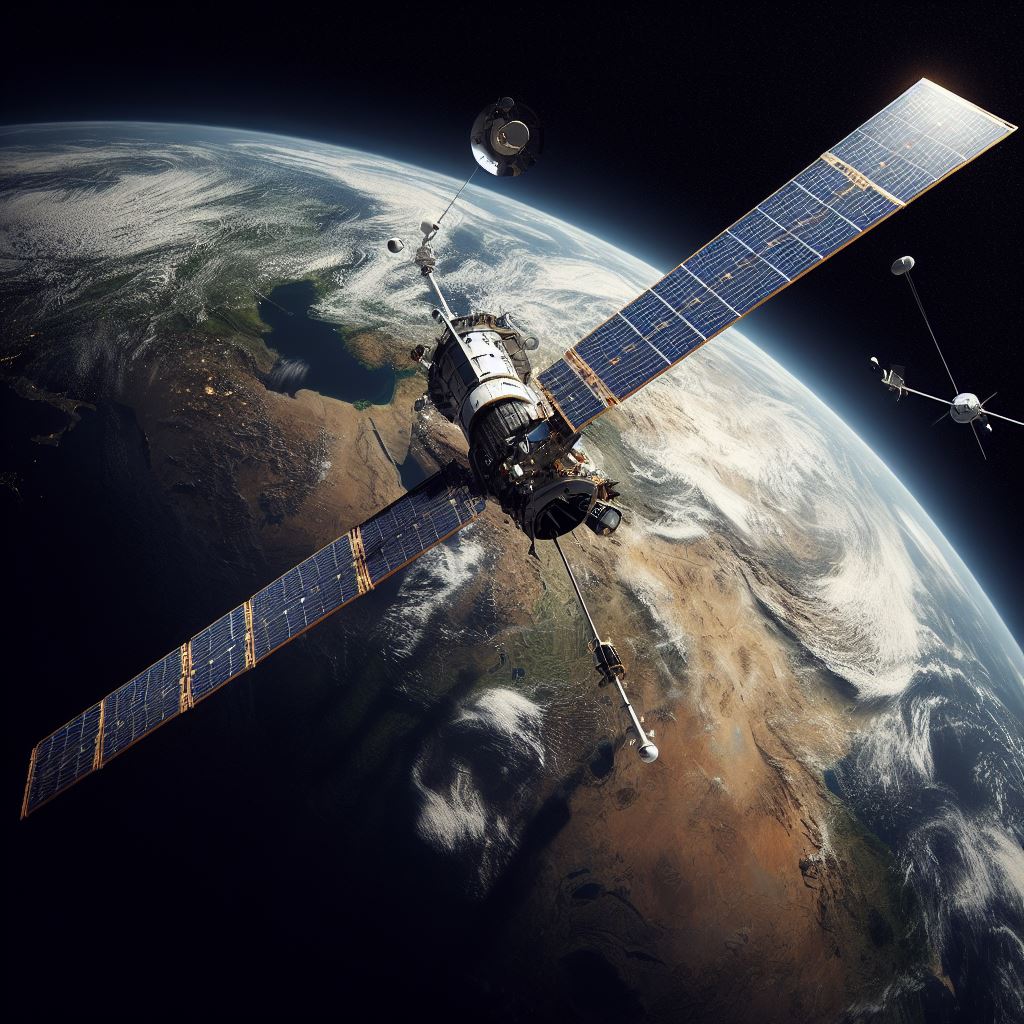
Image
STARLINK-6060 Satellite Image
Additional Sources
Launch Details

Launch Date

May 31, 2023

Launch Site

AFWTR

Launch Pad

SLC4E

Launch Vehicle

Falcon 9

Orbital Elements

NORAD ID

56794

International Designator

2023-078AD

Epoch

Sun, 19 Jul 2026 19:19:26 GMT

Apogee

Calculating...

Perigee

Calculating...

Inclination

70.00°

Right Ascension

351.33°

Eccentricity

Calculating...

Argument of Perigee

264.20°

Period

96.11 min

Mean Motion

14.98 rev/day

Latitude

Calculating...

Longitude

Calculating...

Altitude

Calculating...

Velocity

Calculating...

Polar Plot
3D Visualization
Basic Satellite Info

Name

STARLINK-6060

Alternative Name

Starlink 6060

Type

Payload

Status

Operational

Owner

SPXS

Country

United States

Constellation

N/A

Related Satellites

Major Events

N/A

Latest TLEs
1 56794U 23078AD  26200.80516588 -.00000141  00000+0 -40007-5 0  9995
2 56794  70.0007 351.3258 0002876 264.2040  95.8791 14.98330673172963

Source: Celestrak

Summary
The STARLINK-6060 satellite, also known as Starlink 6060, was launched on May 31, 2023, from the AFWTR SLC4E launch pad using a Falcon 9 launch vehicle. Operated by SpaceX (SPXS), it is part of the Starlink constellation with the mission to provide communication services. The satellite has dimensions of 0.2 meters in length and 2.8 meters in diameter, with a span of 9 meters, indicating large solar arrays or deployable antennas. It weighs 305 kg at launch and 290 kg dry mass, powered by solar arrays and batteries. Equipped with Ku/Ka-band payload and optical inter-satellite links for data transmission, it uses Krypton ion thrusters as its propulsion system. The satellite has a box shape with additional panels.

Starlink is a satellite constellation developed by SpaceX with the aim of providing global broadband internet coverage. Thousands of small satellites are deployed in low Earth orbit (LEO), enabling high-speed internet access even in remote areas. However, the rapid increase in satellites raises concerns about space debris and the potential for collisions, which can lead to further debris creation and endanger other spacecraft. Additionally, the sheer number of Starlink satellites can affect astronomical observations by increasing light pollution. Proper deorbiting plans and international coordination are essential to mitigate these challenges and ensure long-term sustainability in space.
Physical Characteristics

Length

0.2

Diameter

2.8

Span

9

Dry Mass

290

Launch Mass

305

Shape

Box + pan

Radar Cross Section

Unknown

Visual Magnitude

Unknown

Color

Unknown

Material Composition

Unknown

Technical Details

Payload

Starlink Group 2-10-28

Purpose

Communication

Mission

Communication

Manufacturer

SPXS

Life Expectancy

Unknown

Bus

Starlink

Configuration

Unknown

Motor

Krypton ion thrusters

Equipment

Ku/Ka-band payload, optical inter-satellite link

Power System

Solar arrays, batteries

ADCS

Unknown

Transmitter Frequency

Unknown

Map
This tool will help you track the satellite's position and predict its upcoming passes over your location. Simply input the coordinates or click the geolocation button to get started.
Next Pass
Azimuth Elevation Time (Local)
Start Azimuth
Max Elevation
Stop Azimuth
Time Until
Pass Duration

Satellite Articles

View All Posts »

Learn more about satellites and other related topics.

NASA Tests Artemis 2 Fueling, Saudi Unveils DebriSolver Winners | KeepTrack Space Brief

NASA Tests Artemis 2 Fueling, Saudi Unveils DebriSolver Winners | KeepTrack Space Brief

NASA conducts critical Artemis 2 rocket fueling test. Saudi Space Agency announces global DebriSolver competition winners. SpaceX and Bezos push orbital data center plans.

Space Force Activates Cyber Squadrons at Launch Sites | KeepTrack Space Brief

Space Force Activates Cyber Squadrons at Launch Sites | KeepTrack Space Brief

Space Force stands up 2 cyber defense squadrons at Cape Canaveral and Vandenberg to protect launch operations against adversary interference targeting pad networks and telemetry systems.

108 Minutes That Changed Everything - and the 20-Year Echo That Followed

108 Minutes That Changed Everything - and the 20-Year Echo That Followed

On April 12, 1961, a 27-year-old Soviet pilot rode a modified ICBM into orbit and came back alive after 108 minutes. Exactly twenty years later, two Americans climbed aboard an untested spacecraft covered in 31,000 ceramic tiles and bet their lives that the math was right.

X Report 6 Dec 2024

X Report 6 Dec 2024

SpaceX achieves a milestone with its 350th successful mission, including a significant Starlink launch, while Starship advances in testing. Meanwhile, SpaceX boosts SiriusXM's satellite fleet and industry competitors make strides.

Hayabusa | The Crippled Falcon That Carried an Asteroid Home

Hayabusa | The Crippled Falcon That Carried an Asteroid Home

Sixteen years ago today, a fireball tore across the Australian outback. Most of it was a dying Japanese spacecraft burning up after a seven-year ordeal. The bright dot racing ahead of the wreckage was a capsule holding the first grains of an asteroid ever returned to Earth.

Who Owns the Most Satellites Orbiting Earth?

Who Owns the Most Satellites Orbiting Earth?

Uncover the top companies dominating the satellite industry. From SpaceX to One Web, learn who's leading in space assets. Full list inside.

Space Brief 24 Dec 2025

Space Brief 24 Dec 2025

Today's highlights include the successes and setbacks in recent rocket launches, a notable satellite anomaly, and a significant expansion announcement from ESA.

Space Brief 28 Aug 2025

Space Brief 28 Aug 2025

Today's briefing covers collaborations enhancing defense capabilities, new satellite technologies entering the market, and strategic shifts in military satellite applications.