ARIEL 4 (UK-4) (05675)

COSPAR: 1971-109A | Alt Name: Ariel 4
DECAYED

Image
ARIEL 4 (UK-4) Satellite Image
Additional Sources
Launch Details

Launch Date

December 11, 1971

Launch Site

AFWTR

Launch Pad

SLC5

Launch Vehicle

Scout B-1

Orbital Elements

NORAD ID

05675

International Designator

1971-109A

Decay Date

12/12/1978

Basic Satellite Info

Name

ARIEL 4 (UK-4)

Alternative Name

Ariel 4

Type

Payload

Status

Decayed

Owner

SRC

Country

United Kingdom

Constellation

N/A

Related Satellites

Major Events

N/A

Summary

Apologies, there is no summary for this satellite yet. I am working to generate these for every object in the catalog, but it is going to take time.

Physical Characteristics

Length

1

Diameter

0.7

Span

15

Dry Mass

103

Launch Mass

103

Shape

Cyl + Ant

Radar Cross Section

3.4063

Visual Magnitude

Unknown

Color

Unknown

Material Composition

Unknown

Technical Details

Payload

UK 4

Purpose

Unknown

Mission

Unknown

Manufacturer

BAC

Life Expectancy

Unknown

Bus

UK 4

Configuration

Unknown

Motor

Unknown

Equipment

Unknown

Power System

Unknown

ADCS

Unknown

Transmitter Frequency

Unknown

Satellite Articles

View All Posts »

Learn more about satellites and other related topics.

South Korea Plans Defense Satellite Constellation With Hanwha Systems | KeepTrack Space Brief

South Korea Plans Defense Satellite Constellation With Hanwha Systems | KeepTrack Space Brief

Hanwha Systems in talks with MDA Space and Telesat for South Korean defense satellite constellation. SpaceX preps GPS satellite launch for Space Force. Seismic networks now track space junk reentry.
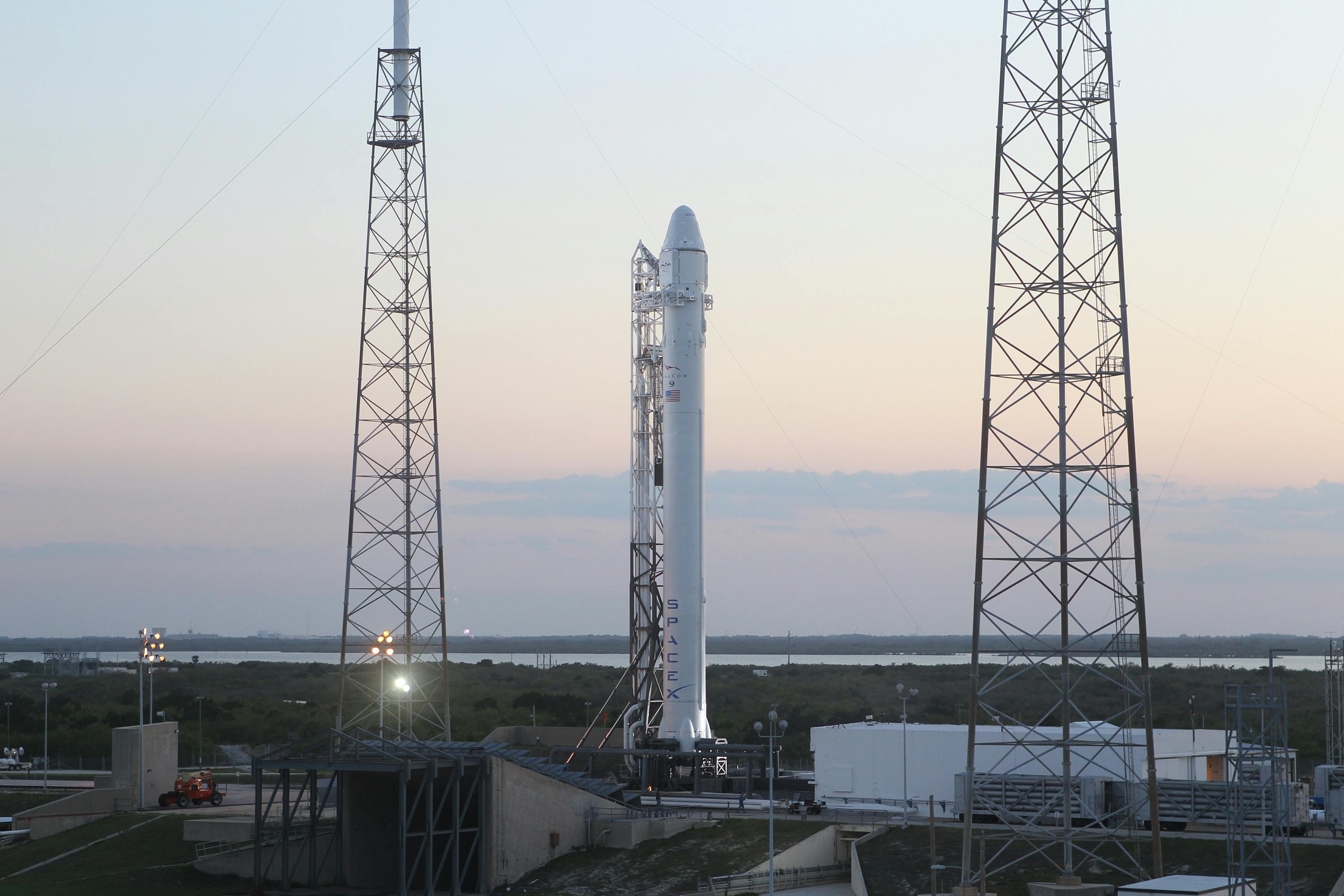
NASA Announces First-Ever ISS Medical Evacuation via SpaceX Crew Dragon | KeepTrack X Report

NASA Announces First-Ever ISS Medical Evacuation via SpaceX Crew Dragon | KeepTrack X Report

NASA plans first-ever medical evacuation from ISS using SpaceX Crew Dragon for Crew-11 astronaut. Starlink 6-96 mission scrubbed and rescheduled. Starbase Pad 1 tower and launch mount under review.

Space Brief 29 Sep 2025

Space Brief 29 Sep 2025

Today's Space Brief discusses significant military satellite launches, groundbreaking agreements for lunar nuclear power, and Italy's satellite strategy dilemma. Additionally, we cover the Dream Chaser's upcoming demonstration flight and new Pentagon contracts for rocket motor production.

Track the International Space Station

Track the International Space Station

A look at how tracking the space station offers a unique view of space exploration.

Nuclear Renaissance Surges in Space, Pentagon Invests $1B in L3Harris Missiles | KeepTrack Space Brief

Nuclear Renaissance Surges in Space, Pentagon Invests $1B in L3Harris Missiles | KeepTrack Space Brief

Demand surges for nuclear power in space including lunar surface reactors. Pentagon commits $1B as anchor investor in L3Harris missile unit. Orbion delivers 33 electric thrusters for military sats.

NASA Postpones Spacewalk Over Medical Concern, Sierra Space Delivers SDA Satellites Early | KeepTrack Space Brief

NASA Postpones Spacewalk Over Medical Concern, Sierra Space Delivers SDA Satellites Early | KeepTrack Space Brief

NASA delays first 2026 spacewalk due to ISS crew medical issue. Sierra Space completes SDA Tranche 2 satellite structures ahead of schedule. Space Force advances Handle 2.0 standardization.

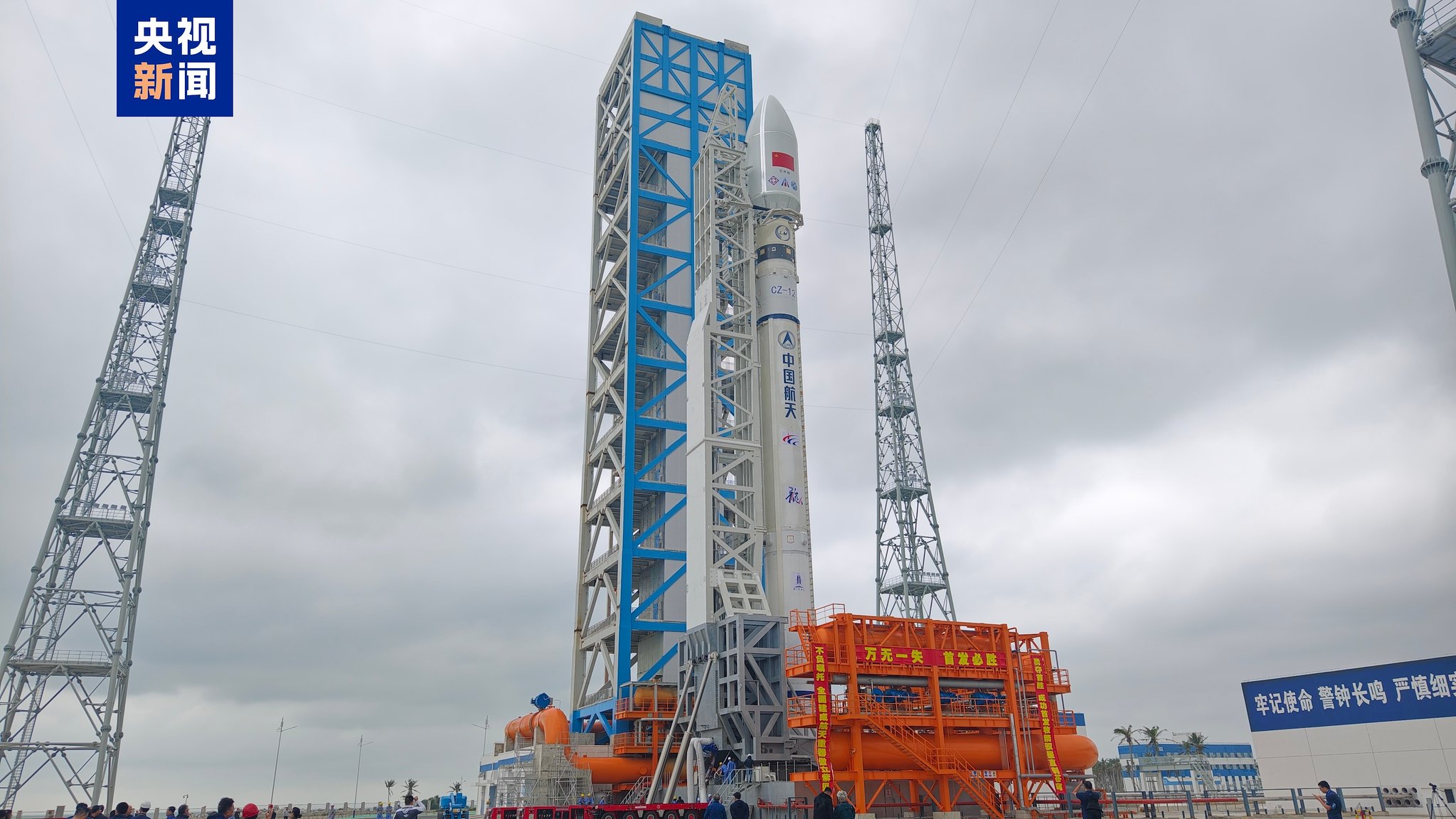
Tianlong-3 Fails on Debut; SpaceX Wins $178.5M Space Force Contract | KeepTrack Space Brief

Tianlong-3 Fails on Debut; SpaceX Wins $178.5M Space Force Contract | KeepTrack Space Brief

China's Tianlong-3 rocket failed during ascent on debut launch Friday. SpaceX secured $178.5M Space Force contract for missile tracking satellite launches beginning 2027.

The End of Free Skies | FAA Starts Charging for Rocket Launches

The End of Free Skies | FAA Starts Charging for Rocket Launches

On April 22, 2026, the FAA published a final rule implementing per-launch user fees for commercial space transportation — the first time the U.S. government has charged payload-based fees for rocket launches. Starting at 25 cents per pound with a $30,000 cap, the fees are modest today. By 2033, they won't be.