


Space Brief 9 Mar 2025
Today's highlights include delayed satellite launches, SpaceX's Florida Starship expansion, a historic mission by Europe's Ariane 6, and NASA's twin missions to explore the ends of the Earth and the universe.



Launch Date
May 19, 2023
Launch Site
Launch Pad
LC40
Launch Vehicle
NORAD ID
56700
International Designator
2023-067N
Epoch
Mon, 20 Jul 2026 04:33:25 GMT
Apogee
Calculating...
Perigee
Calculating...
Inclination
43.00°
Right Ascension
242.83°
Eccentricity
Calculating...
Argument of Perigee
280.10°
Period
94.27 min
Mean Motion
15.28 rev/day
Latitude
Calculating...
Longitude
Calculating...
Altitude
Calculating...
Velocity
Calculating...
Name
STARLINK-30053
Alternative Name
Starlink 30053
Type
Status
Owner
SPXS
Country
United States
Constellation
N/A
Related Satellites
Major Events
N/A
1 56700U 23067N 26201.18987845 -.00000388 00000+0 -45813-5 0 9993
2 56700 43.0022 242.8273 0002071 280.1023 79.9595 15.27574363175960
Source: Celestrak
Length
0.3
Diameter
4.1
Span
29
Dry Mass
700
Launch Mass
730
Shape
Box + pan
Radar Cross Section
Unknown
Visual Magnitude
Unknown
Color
Unknown
Material Composition
Unknown
Payload
Starlink Group 6-3-13
Purpose
Communication
Mission
Communication
Manufacturer
SPXS
Life Expectancy
Unknown
Bus
Starlink V2M
Configuration
Starlink v2 Mini
Motor
Argon ion thrusters
Equipment
Ku/Ka/E-band payload, optical inter-satellite link
Power System
Solar arrays, batteries
ADCS
Unknown
Transmitter Frequency
Unknown
Learn more about satellites and other related topics.
Today's highlights include delayed satellite launches, SpaceX's Florida Starship expansion, a historic mission by Europe's Ariane 6, and NASA's twin missions to explore the ends of the Earth and the universe.
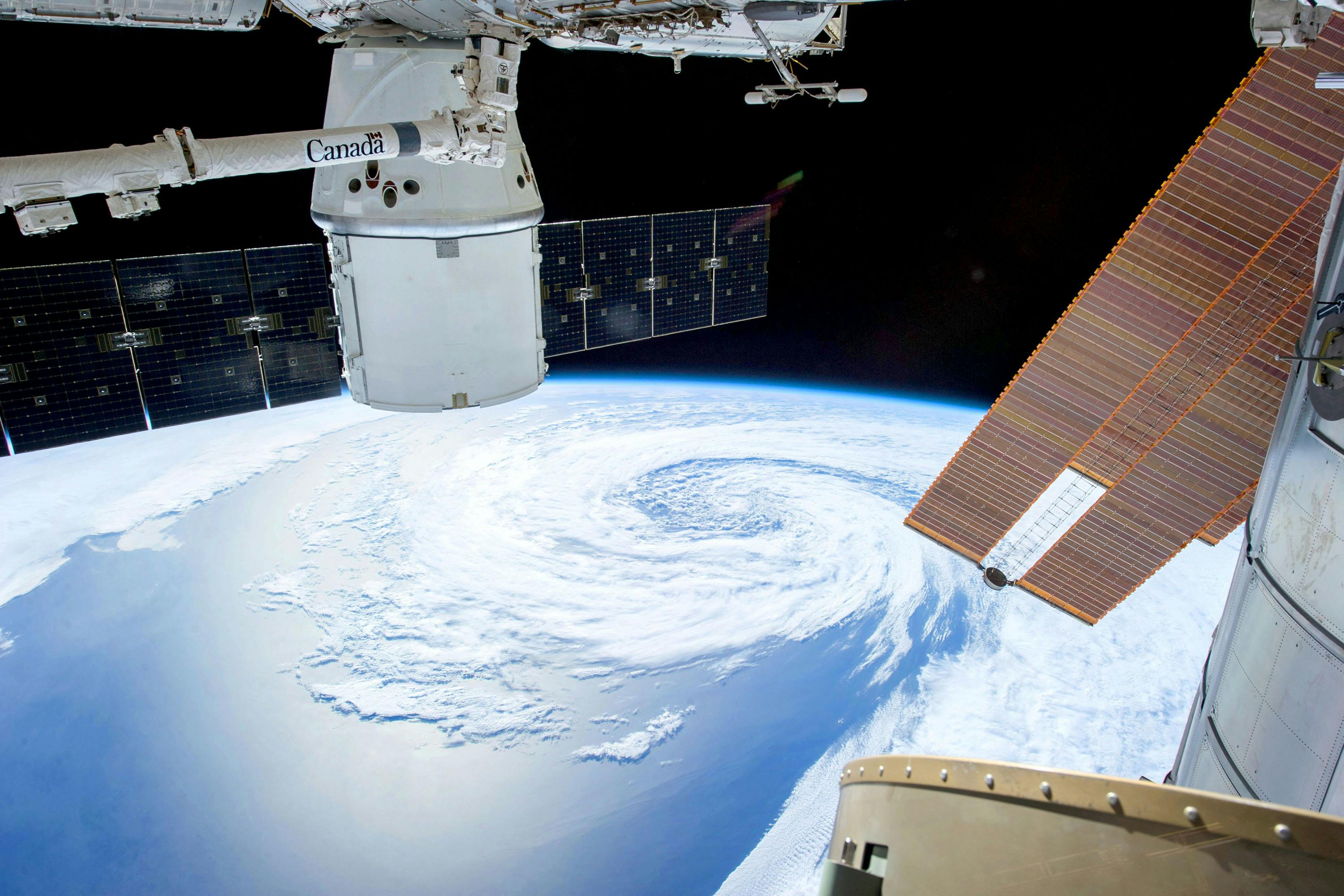
SpaceX's S-1 reveals $18.7B in revenue as Starship Flight 12 debuts Block 3 hardware from Pad 2 on May 21, 2026.

SpaceX advances with new Starship engine tests and celebrates a festive launch at Vandenberg. Jared Isaacman's NASA nomination brings excitement and scrutiny.
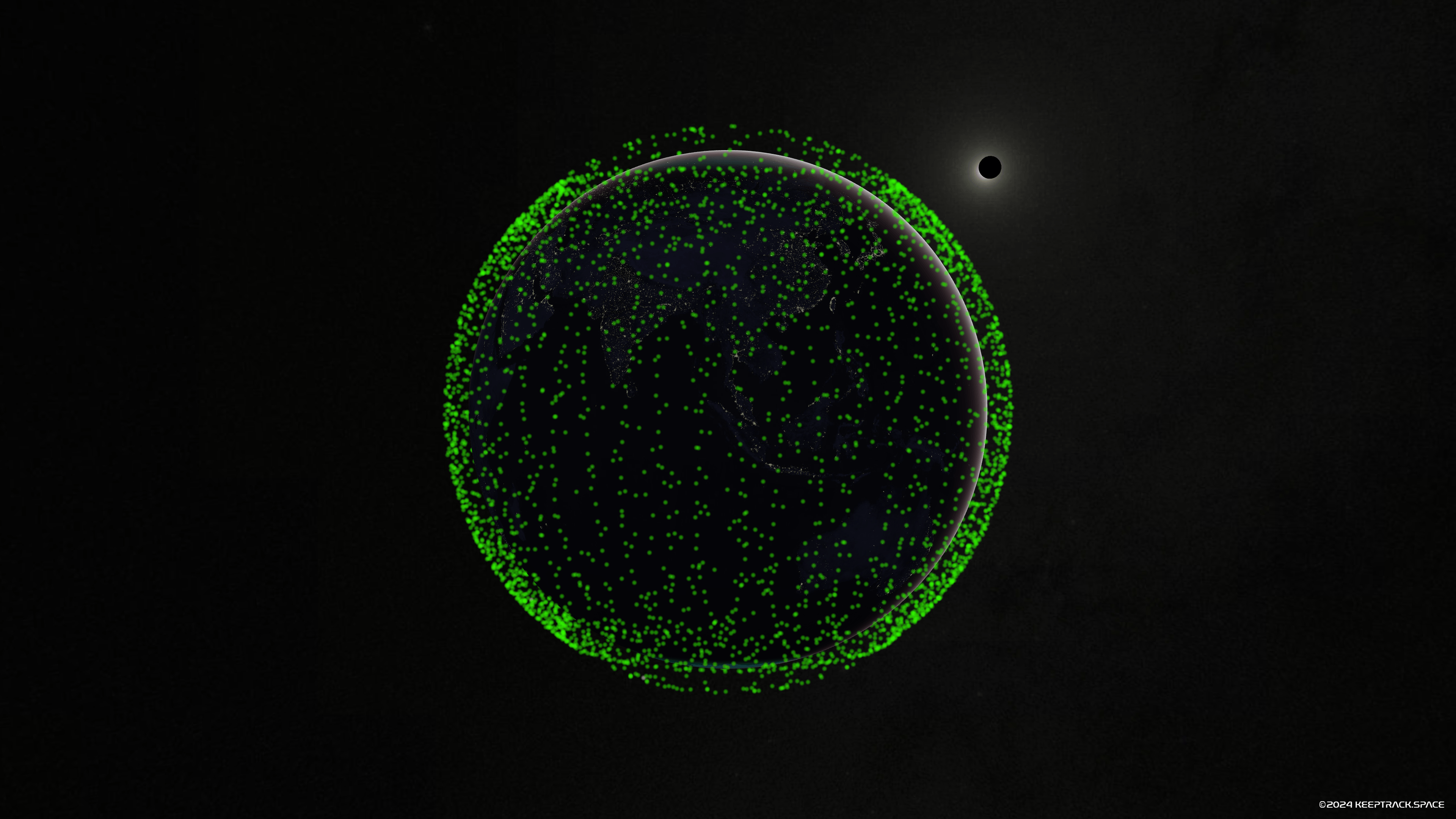
SpaceX's Starlink constellation has grown at an astonishing rate, now accounting for over 20% of all trackable objects in orbit. With plans for tens of thousands more, Starlink is on the cusp of forever changing the landscape of Earth's near-space environment.
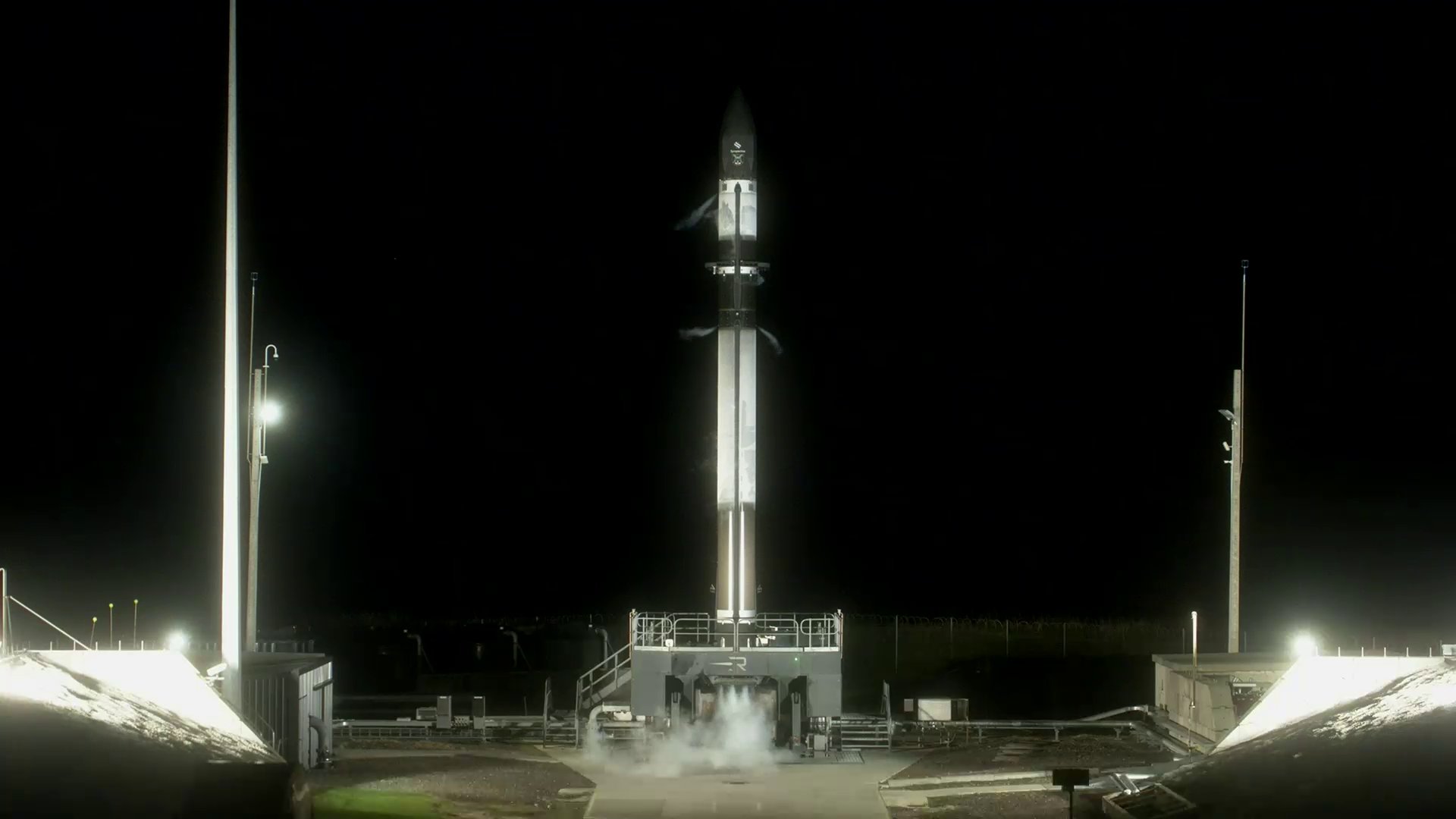
Space Force confirms plan to double active-duty Guardians by 2030, targeting faster response to satellite anomalies and adversary maneuvers in space domain awareness operations.
Lt. Gen. Doug Schiess nominated to lead Space Force, becoming the third Chief of Operations since the service's 2019 founding. Pentagon clears 8 firms for classified AI access.
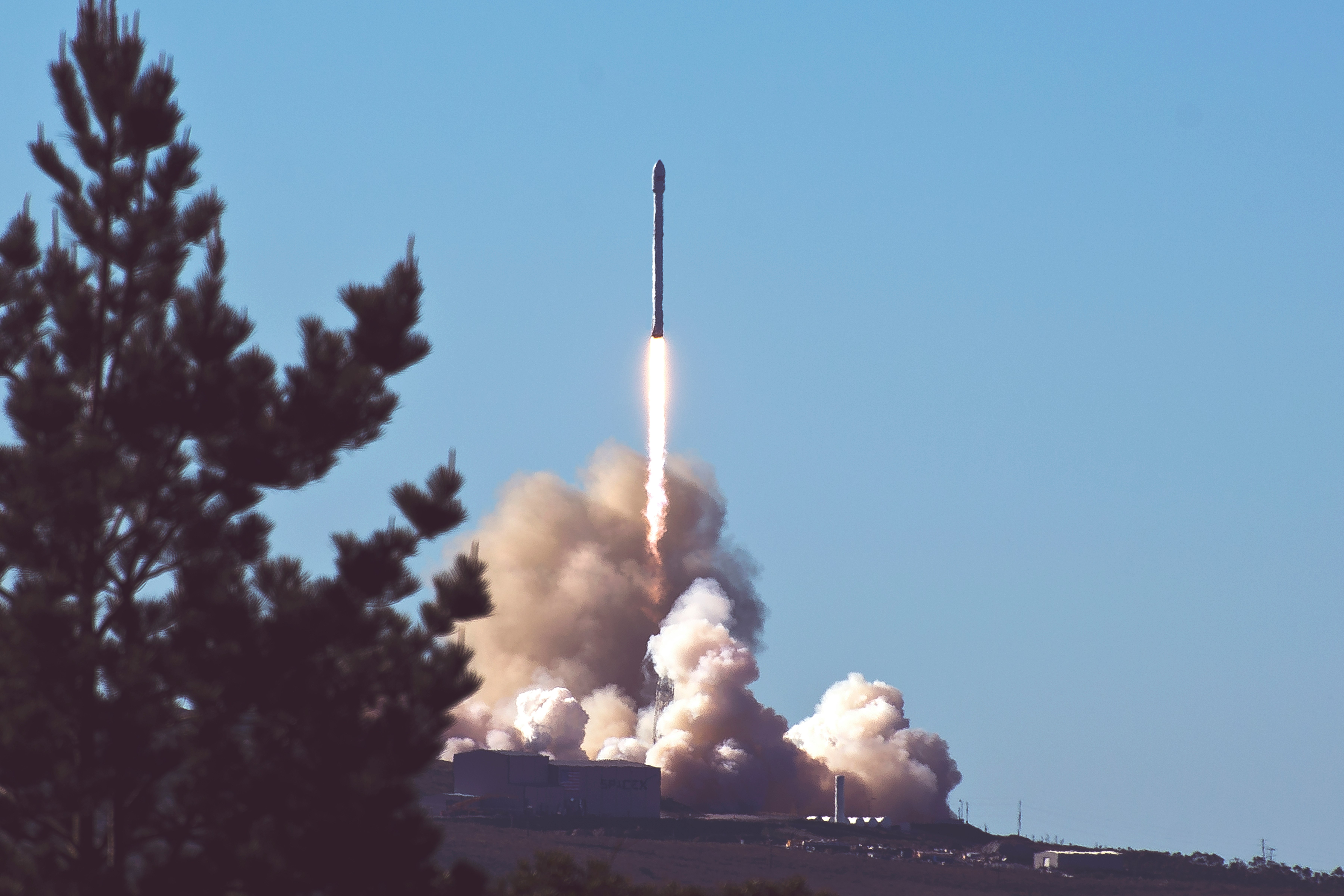
SpaceX launches Starlink satellites successfully, while Starbase inches closer to city status and business discussions intensify.

Starlink constellation size in March 2026: 9,996 satellites in orbit and 9,986 working from 11,504 launched, as SpaceX deorbits legacy V1.0 hardware.