


X Report 13 Nov 2024
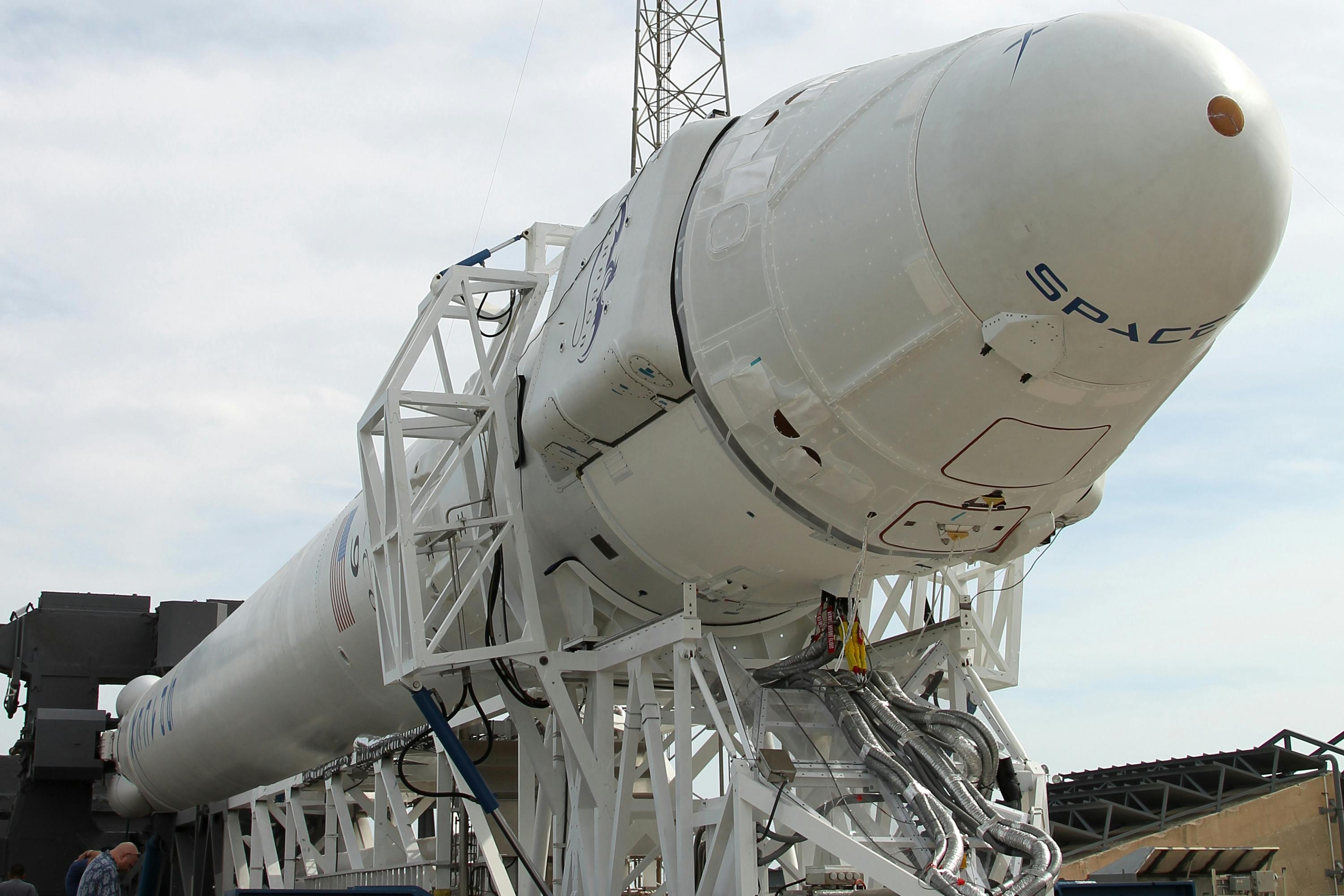
SpaceX launches more Starlink satellites as Starship prepares for full stack testing, amidst Musk's new governmental role.



Launch Date
November 11, 2022
Launch Site
TAISC
Launch Pad
LC9A
Launch Vehicle
Chang Zheng 6A
NORAD ID
56654
International Designator
2022-151AGE
Epoch
Sun, 19 Jul 2026 20:40:19 GMT
Apogee
Calculating...
Perigee
Calculating...
Inclination
98.90°
Right Ascension
167.93°
Eccentricity
Calculating...
Argument of Perigee
6.78°
Period
103.24 min
Mean Motion
13.95 rev/day
Latitude
Calculating...
Longitude
Calculating...
Altitude
Calculating...
Velocity
Calculating...
Name
CZ-6A DEB
Alternative Name
deb CZ-6A Y2
Type
Status
Owner
CNSA
Country
China
Constellation
N/A
Related Satellites
Major Events
N/A
1 56654U 22151AGE 26200.86133597 .00000138 00000+0 12443-3 0 9997
2 56654 98.9003 167.9335 0137403 6.7841 353.5140 13.94873999165033
Source: Celestrak
Length
0
Diameter
0
Span
0
Dry Mass
0
Launch Mass
0
Shape
N/A
Radar Cross Section
Unknown
Visual Magnitude
Unknown
Color
Unknown
Material Composition
Unknown
Payload
Unknown
Purpose
Unknown
Mission
Unknown
Manufacturer
SAST
Life Expectancy
Unknown
Bus
Unknown
Configuration
Unknown
Motor
Unknown
Equipment
Unknown
Power System
Unknown
ADCS
Unknown
Transmitter Frequency
Unknown
Learn more about satellites and other related topics.
SpaceX launches more Starlink satellites as Starship prepares for full stack testing, amidst Musk's new governmental role.
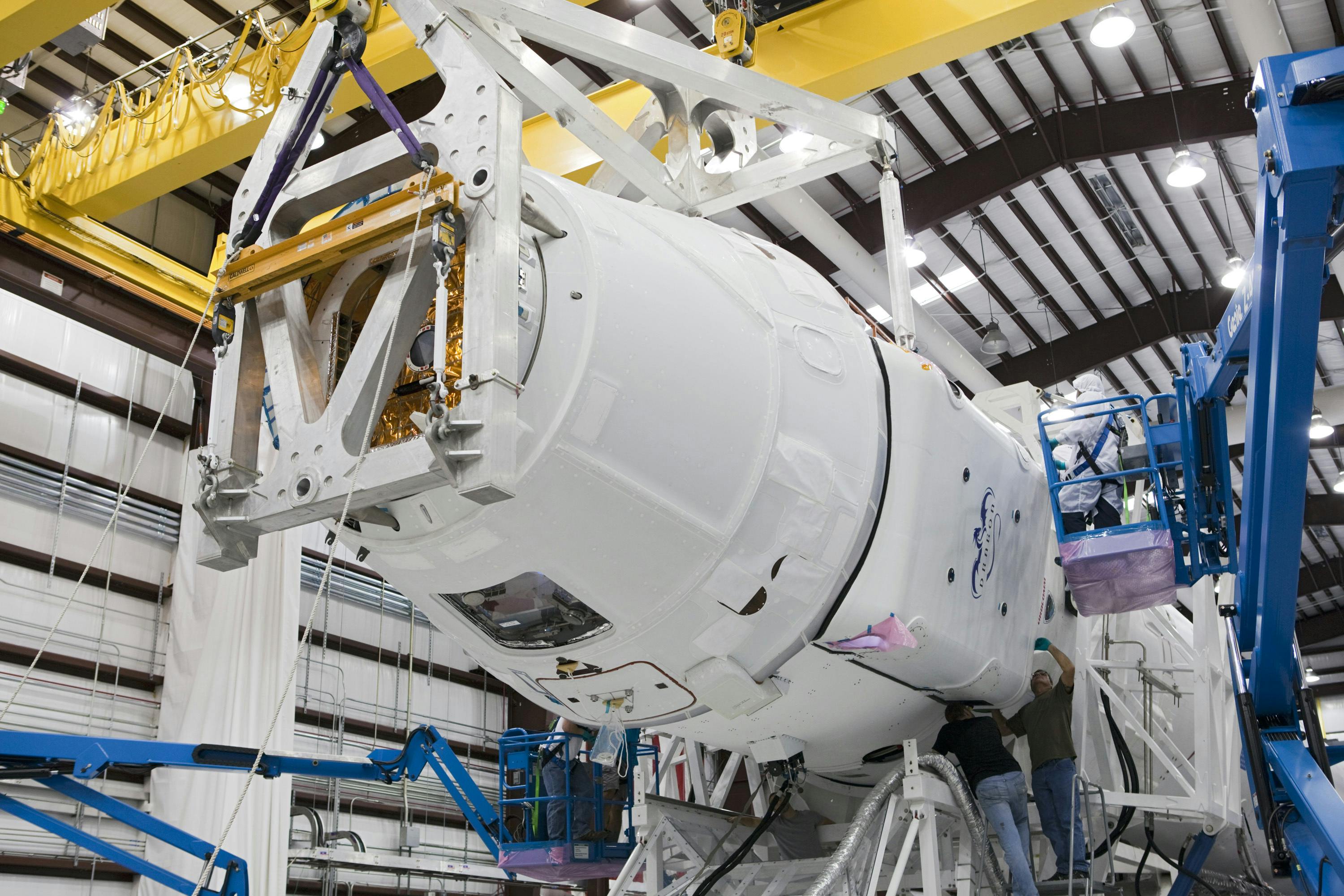
SpaceX completed two launches June 28, orbiting the 15,000-lb SXM-11 satellite and 24 Starlink V2 craft from Vandenberg.

Today's highlights include SpaceX's rapid response GPS launch, Raytheon's new rocket motor test, and Starlink's revenue surge. Plus, the Space Force's modernization push.

In 2024, China launched 68 orbital missions. In 2025, the number jumped to 97. In 2026, state media and Western analysts agree the target is 140 or more. Most of that growth is being driven by two state-backed mega-constellations, a half-dozen private launch companies hitting stride, and a deliberate national pivot toward commercial space. Beijing is no longer trying to catch SpaceX. It is trying to build an industrial base that outlasts one.

Starship testing progresses at the Cape; Lynk Global secures funding amidst rising satellite competition.

ULA's Vulcan rocket preps for USSF-87 national security launch to open 2026. Sierra Space delivers SDA Tranche 2 satellites three months early. NASA delays spacewalk for Crew-11 medical issue.

China expands its classified satellite series, Space Force advances cloud-based ground station marketplaces, and the Pentagon grows its satellite network partner list. Highlighting new roles for sensor technology in tracking space debris.
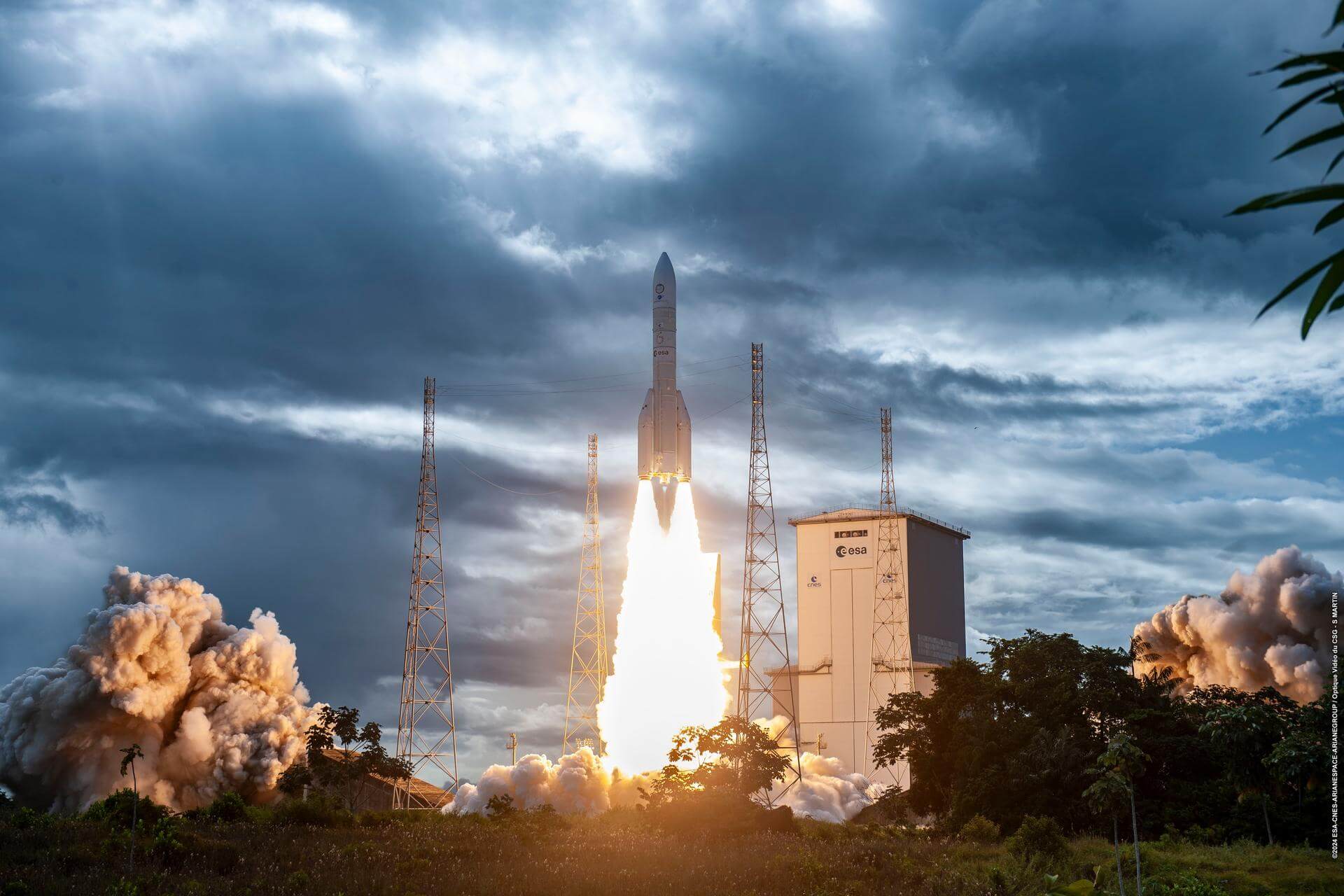
SpaceX launches Starlink satellites from both coasts, while first 3D atmospheric map of an exoplanet reveals extreme weather patterns, and Starlink missions push total count over 8,000 satellites.