


Space Brief 1 Feb 2025
Today's brief covers advances in satellite docking technology, challenges faced by space companies with government navigation, and China's leap in space autonomy through AI developments.



Launch Date
November 11, 2022
Launch Site
TAISC
Launch Pad
LC9A
Launch Vehicle
Chang Zheng 6A
NORAD ID
56620
International Designator
2022-151AEU
Epoch
Sun, 19 Jul 2026 20:06:35 GMT
Apogee
Calculating...
Perigee
Calculating...
Inclination
98.94°
Right Ascension
155.89°
Eccentricity
Calculating...
Argument of Perigee
25.34°
Period
103.74 min
Mean Motion
13.88 rev/day
Latitude
Calculating...
Longitude
Calculating...
Altitude
Calculating...
Velocity
Calculating...
Name
CZ-6A DEB
Alternative Name
deb CZ-6A Y2
Type
Status
Owner
CNSA
Country
China
Constellation
N/A
Related Satellites
Major Events
N/A
1 56620U 22151AEU 26200.83790632 .00000535 00000+0 43925-3 0 9996
2 56620 98.9353 155.8947 0156805 25.3446 335.5300 13.88022738168732
Source: Celestrak
Length
0
Diameter
0
Span
0
Dry Mass
0
Launch Mass
0
Shape
N/A
Radar Cross Section
Unknown
Visual Magnitude
Unknown
Color
Unknown
Material Composition
Unknown
Payload
Unknown
Purpose
Unknown
Mission
Unknown
Manufacturer
SAST
Life Expectancy
Unknown
Bus
Unknown
Configuration
Unknown
Motor
Unknown
Equipment
Unknown
Power System
Unknown
ADCS
Unknown
Transmitter Frequency
Unknown
Learn more about satellites and other related topics.
Today's brief covers advances in satellite docking technology, challenges faced by space companies with government navigation, and China's leap in space autonomy through AI developments.
Today's Space Brief delves into NASA's lunar nuclear power initiative, a strategic Army data integration project, and a rare SpaceX Falcon booster launch. Also covered are significant advancements in military satellite technology and Navy unmanned surface vehicles.

Today's Space Brief covers major developments including the public debut of Voyager Technologies, advancements in defense by Sierra Space, and Pentagon's mega-constellation challenges. Also featured are new software selections by the Space Force and legislative actions on acquisition pilots.

Space Force projects 25 additional high-energy missions in 2027–2029 window, straining capacity at Vulcan and Falcon Heavy. Capacity constraints will drive military-NASA prioritization debates.
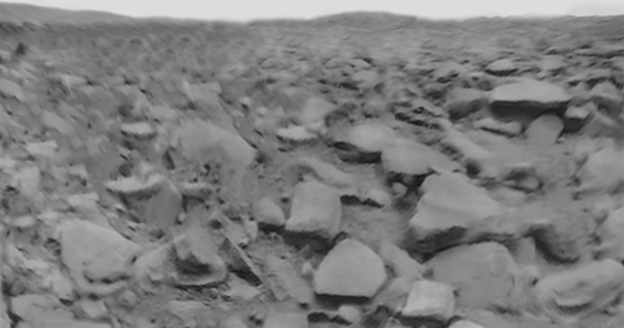
On December 15, 1970, a battered Soviet probe accomplished something no spacecraft had done before - it survived landing on another world and lived to tell about it.
Keck Foundation team proposes first-ever graviton detector concept. Space Force shelves Resilient GPS program. China advances Long March 12B reusable rocket with static fire test at Jiuquan.
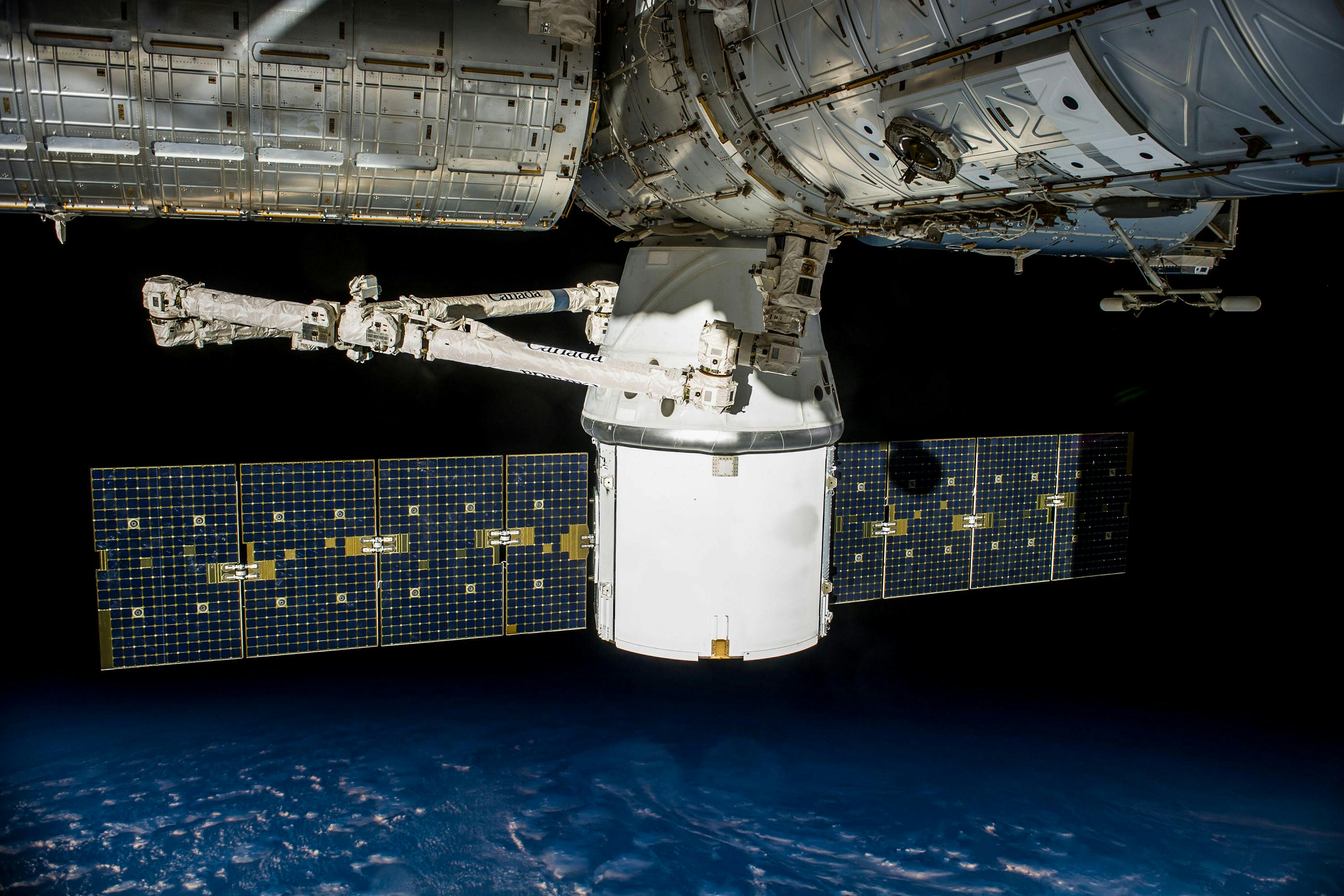
SpaceX sets a reuse record with Falcon 9, advances Starship program, while Starlink influences satellite market dynamics.
Today's brief covers the first astronaut with a disability preparing for the ISS mission, SpaceX’s recent Starlink launch, funding breakthroughs for satellite tech company K2 Space, and updates on the Artemis program's challenges.