


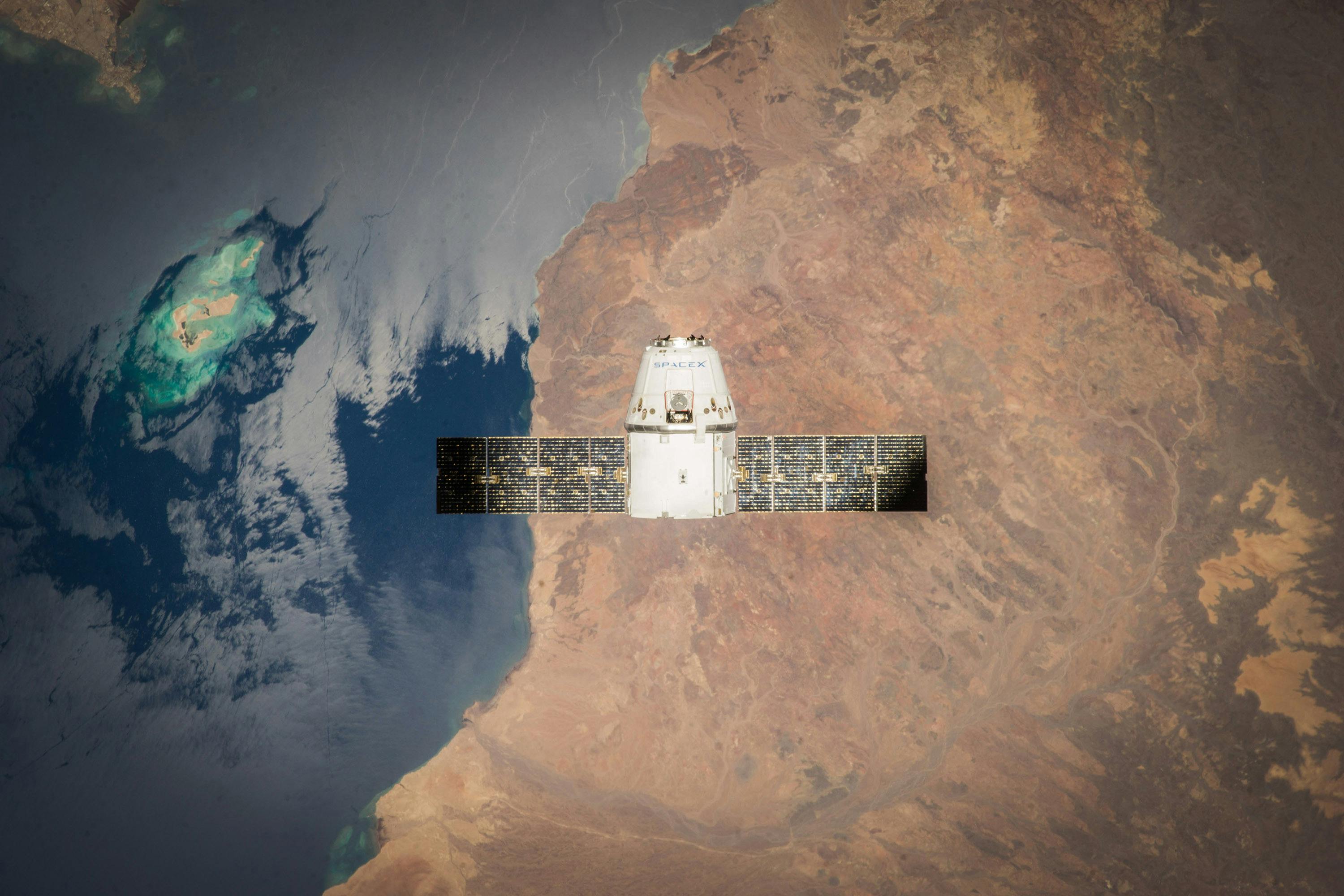
Tesla-SpaceX 2027 Merger Predicted by Wall Street | KeepTrack X Report
Wall Street analyst Dan Ives predicts a Tesla-SpaceX merger by 2027, while a quantum magnetometer launches March 30 on Falcon 9 rideshare.



Launch Date
May 14, 2023
Launch Site
Launch Pad
LC40
Launch Vehicle
NORAD ID
56526
International Designator
2023-065Z
Epoch
Sun, 19 Jul 2026 07:15:11 GMT
Apogee
Calculating...
Perigee
Calculating...
Inclination
43.00°
Right Ascension
189.58°
Eccentricity
Calculating...
Argument of Perigee
272.53°
Period
94.27 min
Mean Motion
15.28 rev/day
Latitude
Calculating...
Longitude
Calculating...
Altitude
Calculating...
Velocity
Calculating...
Name
STARLINK-6317
Alternative Name
Starlink 6317
Type
Status
Owner
SPXS
Country
United States
Constellation
N/A
Related Satellites
Major Events
N/A
1 56526U 23065Z 26200.30221788 -.00000101 00000+0 58591-5 0 9996
2 56526 43.0036 189.5848 0001704 272.5297 87.5360 15.27577293176721
Source: Celestrak
Length
0.2
Diameter
2.8
Span
9
Dry Mass
290
Launch Mass
305
Shape
Box + pan
Radar Cross Section
Unknown
Visual Magnitude
Unknown
Color
Unknown
Material Composition
Unknown
Payload
Starlink Group 5-9-24
Purpose
Communication
Mission
Communication
Manufacturer
SPXS
Life Expectancy
Unknown
Bus
Starlink
Configuration
Unknown
Motor
Krypton ion thrusters
Equipment
Ku/Ka-band payload, optical inter-satellite link
Power System
Solar arrays, batteries
ADCS
Unknown
Transmitter Frequency
Unknown
Learn more about satellites and other related topics.
Wall Street analyst Dan Ives predicts a Tesla-SpaceX merger by 2027, while a quantum magnetometer launches March 30 on Falcon 9 rideshare.

Today's space brief highlights the U.S. Space Force's new satellite naming scheme, the Air Force Secretary's warnings on China's space advances, BAE Systems' DARPA award, strategies for future space defense, the importance of GEO satellite refueling, and Blue Origin's plans for Space Force certification.

China expands its classified satellite series, Space Force advances cloud-based ground station marketplaces, and the Pentagon grows its satellite network partner list. Highlighting new roles for sensor technology in tracking space debris.

US military praised for space operations against Iran assessed as jamming or spoofing satellite communications. Electronic warfare effects invisible to orbital tracking data.

Kratos Defense awarded $446M Space Force contract for RMWT missile-warning ground systems. Rocket Lab secures $190M Pentagon deal for 20 hypersonic test flights.
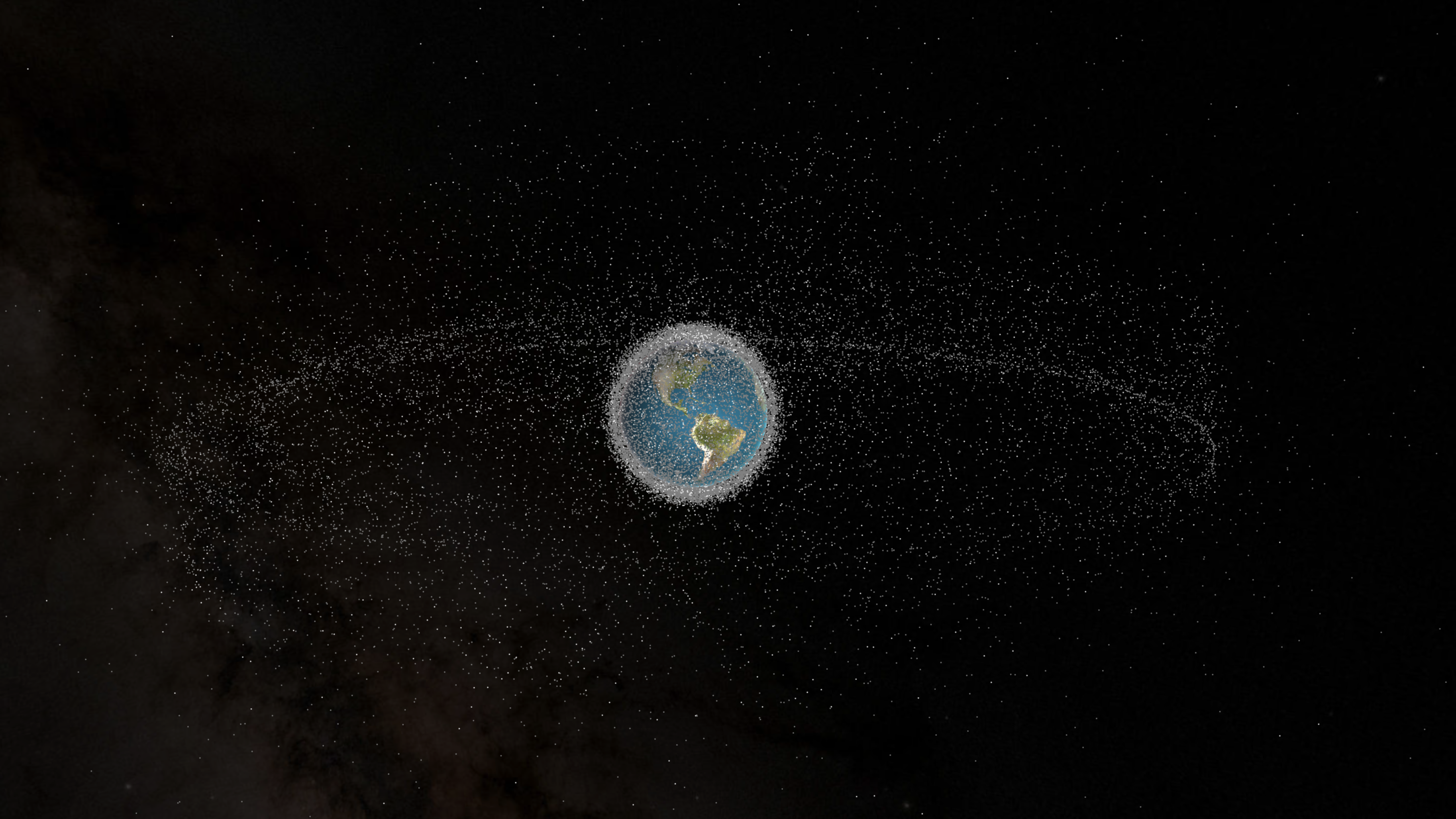
From shattered satellites to exploded rocket stages, space debris poses a growing risk to satellites, space stations, and astronauts. Here's a deep dive into what causes space debris, notable generating events, and what we're doing about it.

Today's highlights include China's launch of the Shijian-25 for on-orbit refueling tests, major Pentagon contracts for solid rocket motors and hypersonic testing, and the US Space Force's record-setting year of launches.
Today's brief covers China's latest classified satellite launch, breakups in orbital refueling experiments, exciting advancements in microsatellites, and SpaceX's remarkable strides in spaceflight.