


X Report 4 Apr 2025
SpaceX gears up for Starship's ninth flight with a reused booster, Fram2 astronauts share stunning orbital views, and SpaceX secures new NASA contracts for the Starship.



Launch Date
May 14, 2023
Launch Site
Launch Pad
LC40
Launch Vehicle
NORAD ID
56525
International Designator
2023-065Y
Epoch
Sun, 19 Jul 2026 09:33:28 GMT
Apogee
Calculating...
Perigee
Calculating...
Inclination
43.00°
Right Ascension
199.65°
Eccentricity
Calculating...
Argument of Perigee
269.02°
Period
94.27 min
Mean Motion
15.28 rev/day
Latitude
Calculating...
Longitude
Calculating...
Altitude
Calculating...
Velocity
Calculating...
Name
STARLINK-6329
Alternative Name
Starlink 6329
Type
Status
Owner
SPXS
Country
United States
Constellation
N/A
Related Satellites
Major Events
N/A
1 56525U 23065Y 26200.39824334 .00000368 00000+0 22906-4 0 9994
2 56525 43.0012 199.6527 0001699 269.0214 91.0443 15.27579396176619
Source: Celestrak
Length
0.2
Diameter
2.8
Span
9
Dry Mass
290
Launch Mass
305
Shape
Box + pan
Radar Cross Section
Unknown
Visual Magnitude
Unknown
Color
Unknown
Material Composition
Unknown
Payload
Starlink Group 5-9-23
Purpose
Communication
Mission
Communication
Manufacturer
SPXS
Life Expectancy
Unknown
Bus
Starlink
Configuration
Unknown
Motor
Krypton ion thrusters
Equipment
Ku/Ka-band payload, optical inter-satellite link
Power System
Solar arrays, batteries
ADCS
Unknown
Transmitter Frequency
Unknown
Learn more about satellites and other related topics.
SpaceX gears up for Starship's ninth flight with a reused booster, Fram2 astronauts share stunning orbital views, and SpaceX secures new NASA contracts for the Starship.
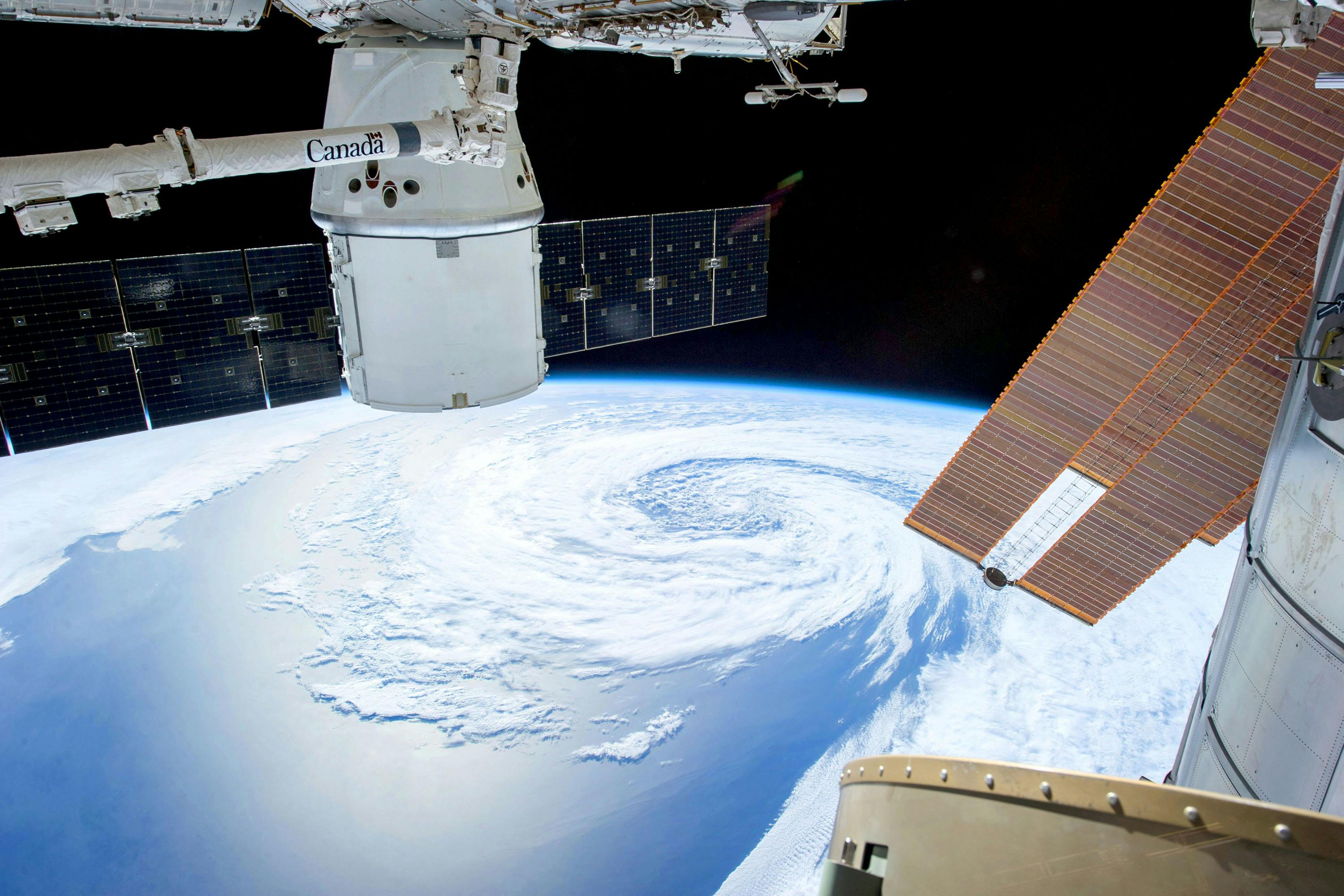
SpaceX marks another milestone and setback with Starship Flight 7, achieving a successful booster catch but losing the upper stage during ascent.

Today's highlights include new ESA Euclid data, upcoming Blue Origin flight, and multiple Starlink launches, delivering fresh satellite tracking opportunities.

ULA's Vulcan rocket preps for USSF-87 national security launch to open 2026. Sierra Space delivers SDA Tranche 2 satellites three months early. NASA delays spacewalk for Crew-11 medical issue.
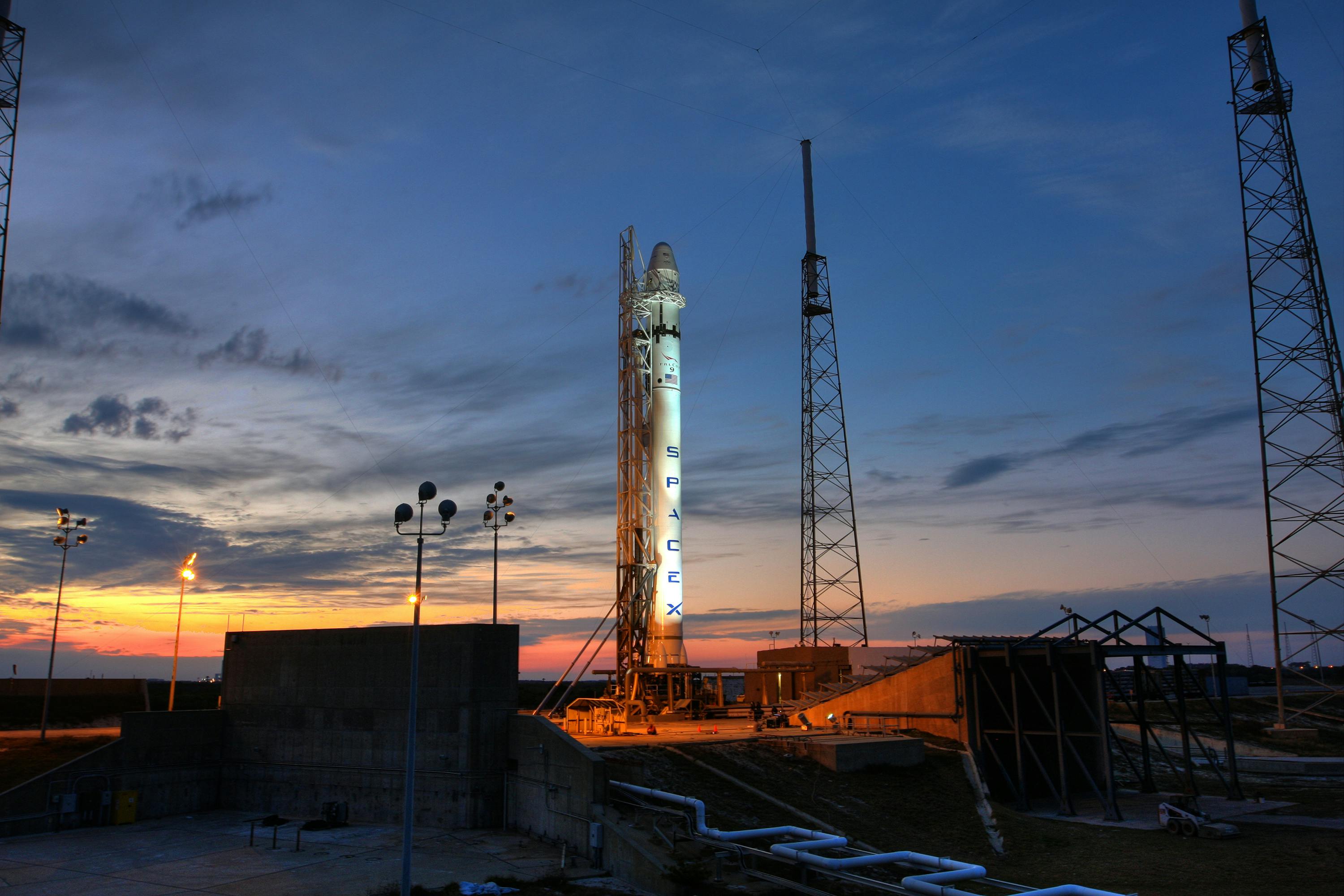
Starlink constellation size in 2026: 9,931 satellites in orbit, 9,920 working from 11,463 launched. Starlink 17-18 adds 25 more from Vandenberg.
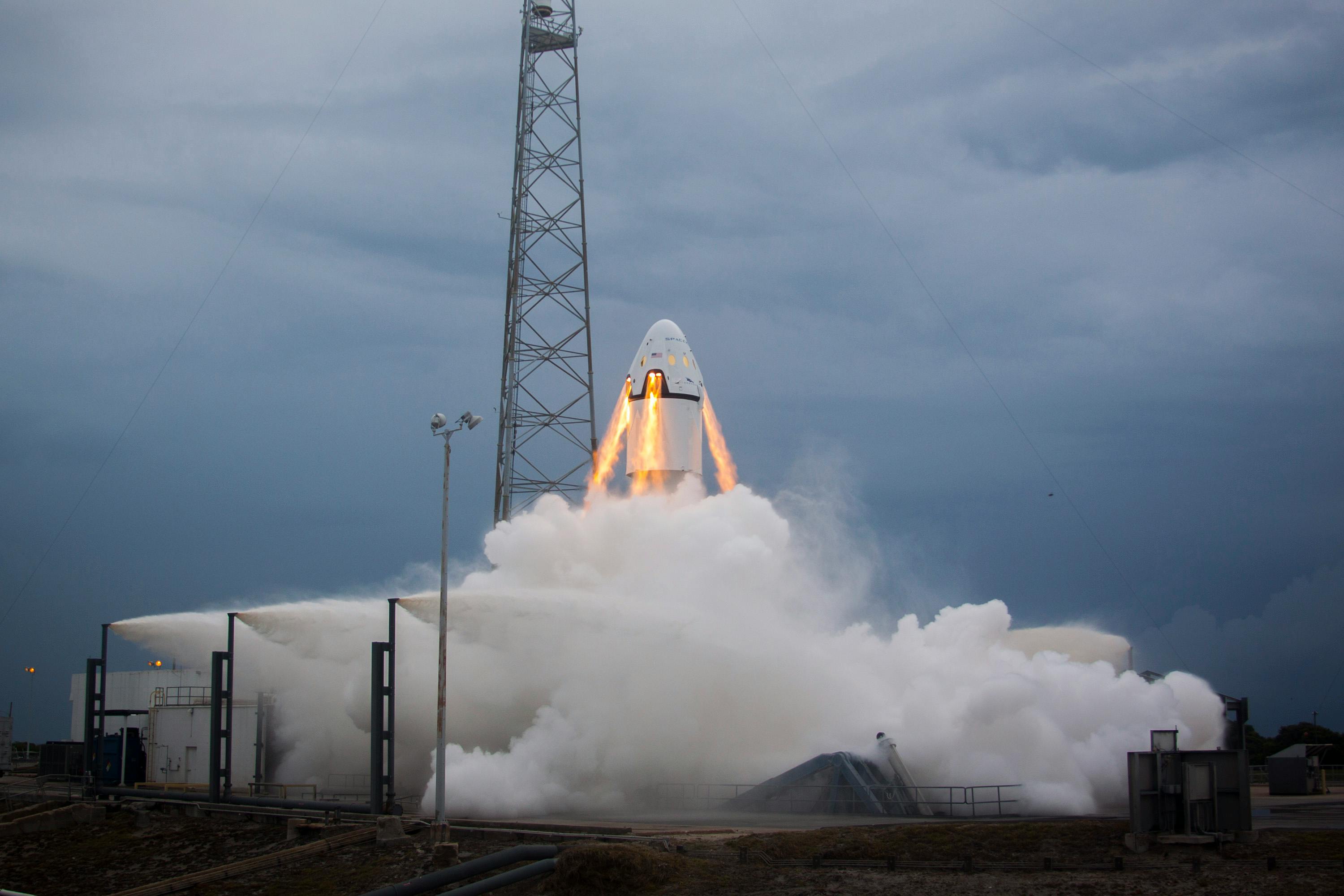
SpaceX gears up for its 11th Starship test flight, while Starlink expands connectivity through partnerships with T-Mobile, enhancing app functionality beyond cellular coverage.
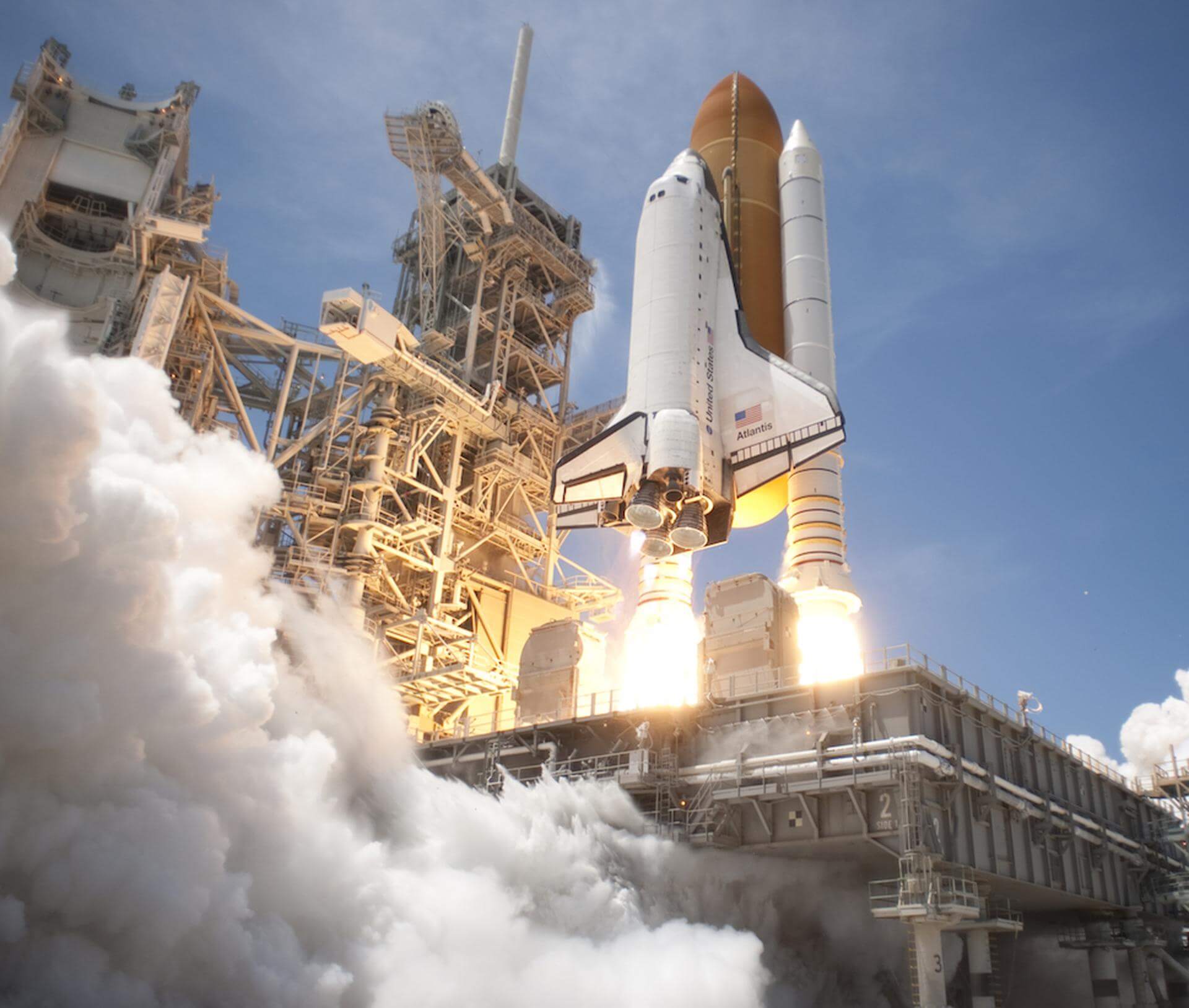
SpaceX Falcon 9 booster B1067 set for 36th flight Thursday with Starlink 10-42 mission from Cape Canaveral. Long March 10B debuts Friday in China.
Today's highlights include Russia's record-setting satellite launch, insights from NASA's AWE during Hurricane Helene, and confirmation of astronaut Suni Williams' good health aboard the ISS.