STARLINK-6256 (56401)

COSPAR: 2023-061AD | Alt Name: Starlink 6256

Image
STARLINK-6256 Satellite Image
Additional Sources
Launch Details

Launch Date

May 4, 2023

Launch Pad

LC40

Launch Vehicle

Falcon 9

Orbital Elements

NORAD ID

56401

International Designator

2023-061AD

Epoch

Sun, 12 Apr 2026 20:34:50 GMT

Apogee

Calculating...

Perigee

Calculating...

Inclination

42.97°

Right Ascension

251.81°

Eccentricity

Calculating...

Argument of Perigee

286.14°

Period

87.74 min

Mean Motion

16.41 rev/day

Latitude

Calculating...

Longitude

Calculating...

Altitude

Calculating...

Velocity

Calculating...

Polar Plot
3D Visualization
Basic Satellite Info

Name

STARLINK-6256

Alternative Name

Starlink 6256

Type

Payload

Status

Partially operational

Owner

SPXS

Country

United States

Constellation

N/A

Related Satellites

Major Events

N/A

Latest TLEs
1 56401U 23061AD  26102.85752567  .09175625  93433-5  56169-3 0  9996
2 56401  42.9730 251.8116 0005065 286.1367  73.8968 16.41138878163273

Source: Celestrak

Summary
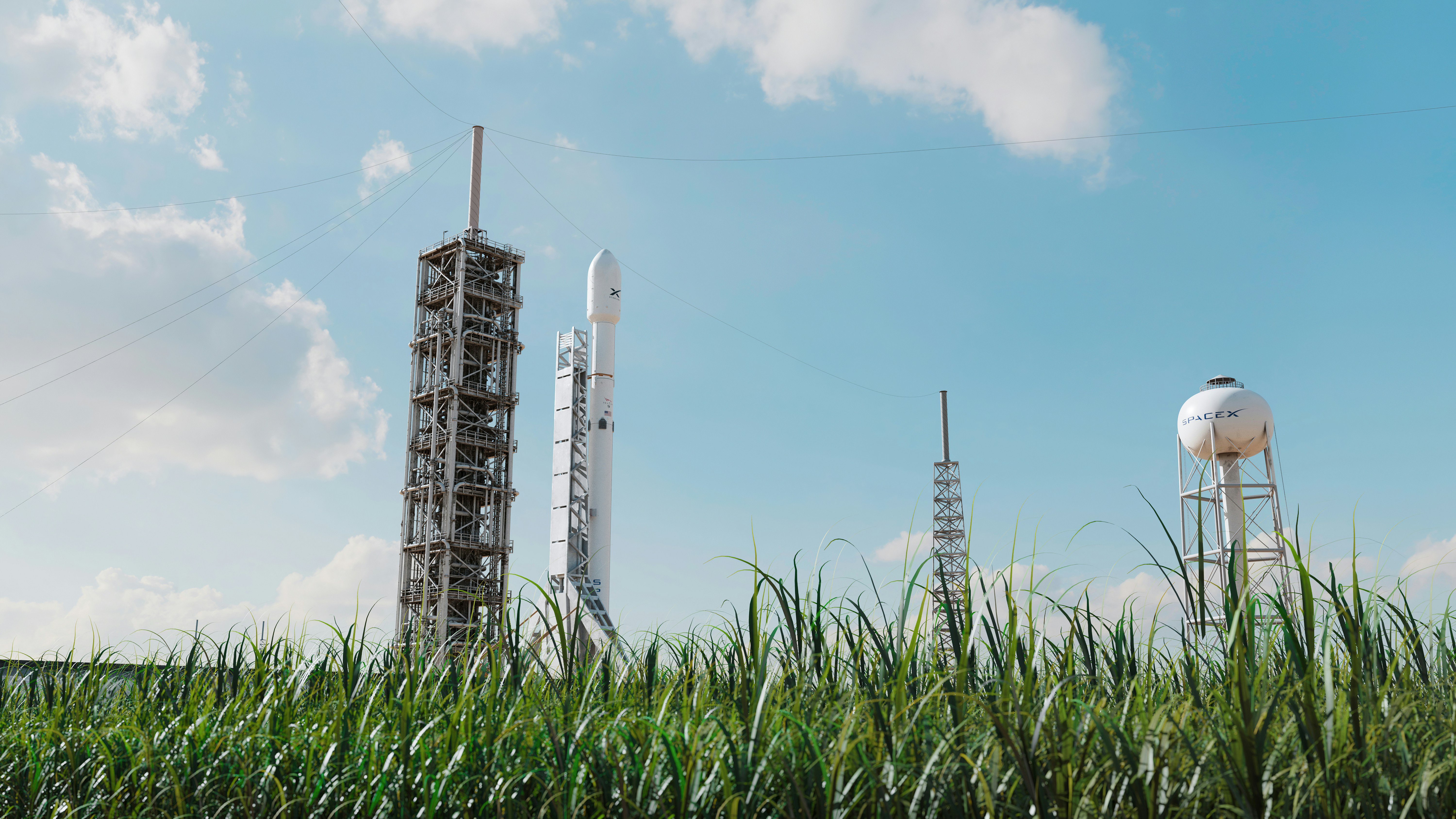
The Starlink-6256 satellite, also known as Starlink 6256, is owned and operated by SpaceX (SPXS). It was launched on May 4, 2023, from Launch Complex 40 at the Cape Canaveral Space Force Station using a Falcon 9 launch vehicle. With a dry mass of 290 kilograms and a launch mass of 305 kilograms, this communication satellite measures 0.2 meters in length, has a diameter of 2.8 meters, and spans up to 9 meters when fully deployed. Equipped with Ku/Ka-band payload capabilities and an optical inter-satellite link for high-speed data transmission, the satellite uses krypton ion thrusters for propulsion and solar arrays paired with batteries for power generation.

Starlink is a satellite constellation developed by SpaceX with the aim of providing global broadband internet coverage. Thousands of small satellites are deployed in low Earth orbit (LEO), enabling high-speed internet access even in remote areas. However, the rapid increase in satellites raises concerns about space debris and the potential for collisions, which can lead to further debris creation and endanger other spacecraft. Additionally, the sheer number of Starlink satellites can affect astronomical observations by increasing light pollution. Proper deorbiting plans and international coordination are essential to mitigate these challenges and ensure long-term sustainability in space.
Physical Characteristics

Length

0.2

Diameter

2.8

Span

9

Dry Mass

290

Launch Mass

305

Shape

Box + pan

Radar Cross Section

Unknown

Visual Magnitude

Unknown

Color

Unknown

Material Composition

Unknown

Technical Details

Payload

Starlink Group 5-6-28

Purpose

Communication

Mission

Communication

Manufacturer

SPXS

Life Expectancy

Unknown

Bus

Starlink

Configuration

Unknown

Motor

Krypton ion thrusters

Equipment

Ku/Ka-band payload, optical inter-satellite link

Power System

Solar arrays, batteries

ADCS

Unknown

Transmitter Frequency

Unknown

Map
This tool will help you track the satellite's position and predict its upcoming passes over your location. Simply input the coordinates or click the geolocation button to get started.
Next Pass
Azimuth Elevation Time (Local)
Start Azimuth
Max Elevation
Stop Azimuth
Time Until
Pass Duration

Satellite Articles

View All Posts »

Learn more about satellites and other related topics.

Space Brief 16 Jan 2025

Space Brief 16 Jan 2025

Explore today's pivotal news in space with highlights on record government space budgets, military satellite developments, and significant industry shifts.

JSC Vimpel

JSC Vimpel

An analysis of Russia's independent space tracking system and how it compares to the established U.S. Space Surveillance Network

X Report 9 Jun 2025

X Report 9 Jun 2025

Tensions between SpaceX and the U.S. government escalate as President Trump's threats could have significant implications on the company's operations and future plans. Meanwhile, India takes a significant step in its space endeavors with a historic astronaut launch.

The Telescope That Needed Glasses

The Telescope That Needed Glasses

On April 25, 1990, the Space Shuttle Discovery's robotic arm lifted a 11,110-kilogram barrel of mirrors and instruments out of the payload bay and released it into orbit. Six weeks later, the first images came back badly out of focus. The Hubble Space Telescope had been ground to the wrong prescription, and America had just spent $2.5 billion on what the press was calling a 'technoturkey.'

X Report 22 Dec 2024

X Report 22 Dec 2024

SpaceX successfully launches two rideshare missions to mid-inclination orbits, expanding their satellite deployment capabilities.

X Report 20 Jun 2025

X Report 20 Jun 2025

SpaceX experiences significant setbacks with Starship after Ship 36 explodes during static fire preparations, while Eutelsat secures funding to bolster competition against Starlink.

Space Brief 6 Oct 2025

Space Brief 6 Oct 2025

Today's highlights include Firefly's acquisition of SciTec, DARPA's vision for a moon economy, and ESA's new deep space antenna in Australia. Stay updated on the latest in space intelligence and defense technology transformations, plus noteworthy rogue planet phenomena.

Space Brief 17 Nov 2025

Space Brief 17 Nov 2025

Today's highlights include key advancements for the Dream Chaser, SpaceX's record launches, Moon mission crowding concerns, and updates in European space policy.